CORVALLIS, Ore. — While you’re weeding, seeding, planting and pruning, there’s one more task to add: dividing.
Dividing means digging up plants, separating their clumps with hands or tools and replanting them in fresh soil, said Weston Miller, former horticulturist with the Oregon State University Extension Service. As perennials grow from the crown, large clumps can lose vigor and bloom less. Wait too long, and flowering may stop altogether.
“I divide plants when I want more of them,” Miller said. “I’m looking outside and seeing some chives. I’ll hack those into quarters. I divide things like yarrow a lot because I want to populate large areas.”
Why dividing matters — and when not to share
Gardeners traditionally divide and share plants, but with invasive species concerns in Oregon — such as Japanese beetles and the jumping worm — OSU Extension advises against moving plants or soil between locations. Plant swaps or sales that rely on dug-up materials are not recommended. Follow current Best Management Practices for plant sales.
How many divisions you get depends on plant size and vigor. Hosta, daylilies and ornamental grasses may produce six or more divisions; hollyhock and coral bells may yield only a few. Each division should have at least two growing points.
As a general rule:
- Divide summer- and fall-blooming perennials in spring.
- Divide spring bloomers after flowering or in fall.
- Never divide a plant while it is blooming.
Signs your plant needs dividing include a dead center, thinning growth or fewer blooms. If a plant looks vigorous, skip dividing even if a guide recommends a specific interval.
Many gardeners overlook culinary herbs.
“You’ll get much more supple growth and better culinary quality if they’re divided every couple of years,” Miller said.
How to divide perennials
Steps for successful dividing:
- Saturate soil in the planting area several days ahead of time.
- Prepare soil with organic matter and saturate again.
- Dig holes wide enough for roots and deep enough so crowns sit level with the soil.
- Water the plant a day or two before dividing if soil is dry.
- Cut the plant back to about 6 inches.
- Use a spading fork or sharp shovel to dig around the plant.
- Pry or dig up the plant in one large clump.
- Keep the root ball shaded and moist if weather is warm.
- Ensure each division has healthy growing points.
- Separate small or fibrous-rooted plants by hand or with a serrated knife or Hori-Hori tool.
- Use a sharp spade, handsaw or ax for tough, woody roots.
- Pry apart very dense crowns with two spading forks placed back-to-back.
- Shake or hose off loose soil.
- Discard the dead center.
- Replant divisions with crowns level to the soil surface.
When to divide common perennials
Every 1–3 years:
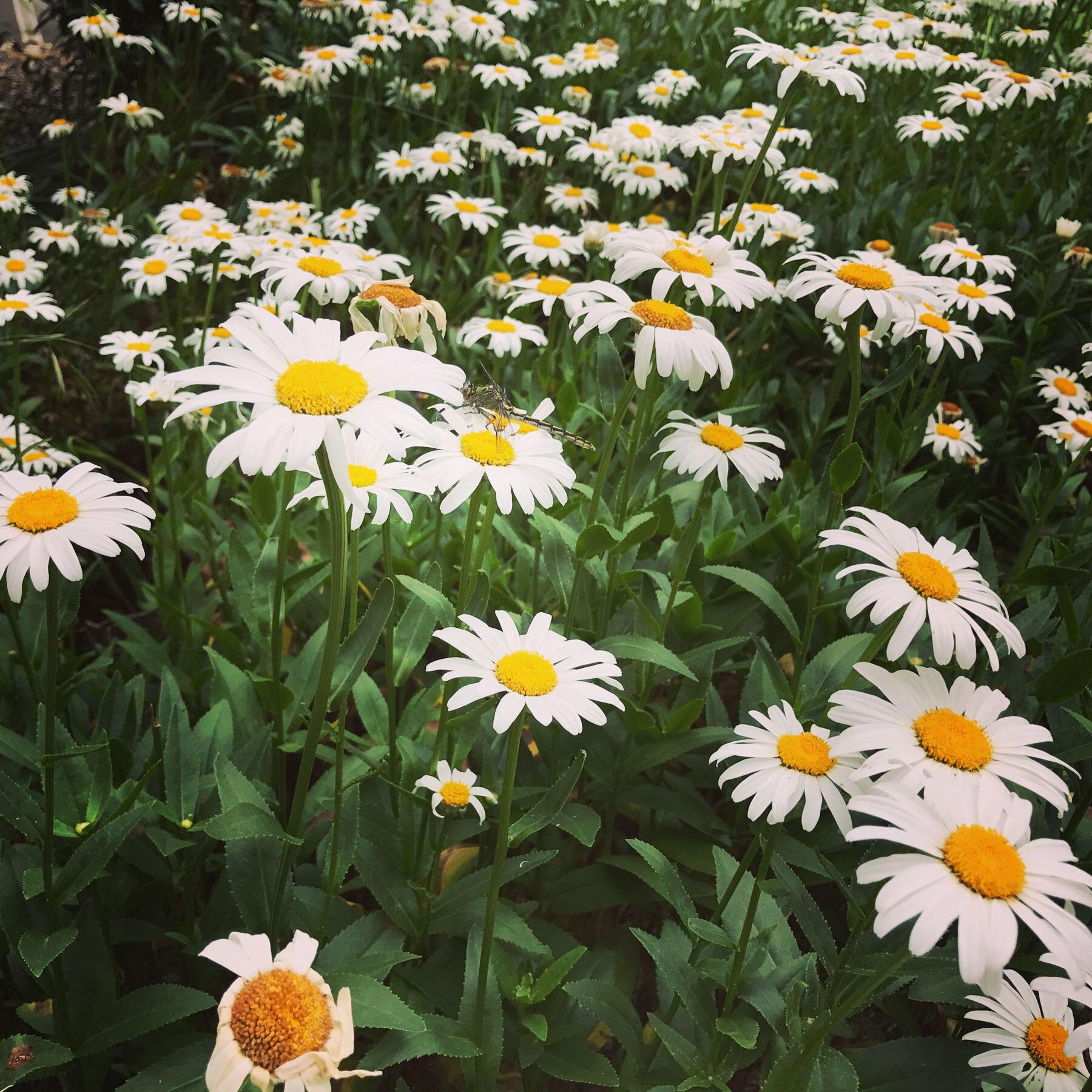
- Shasta daisy
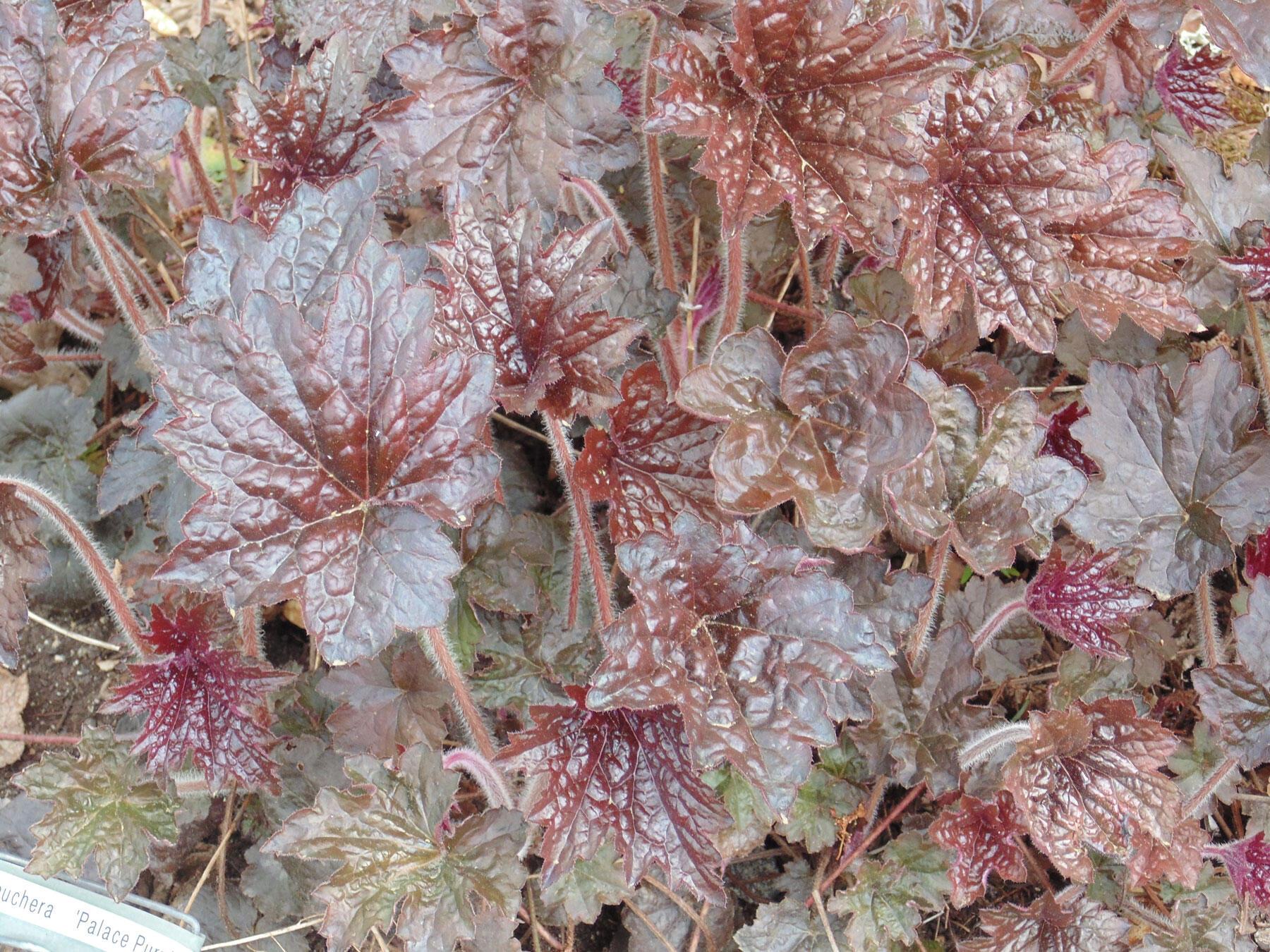
- Coral bells
- Phlox
- Penstemon
- Bee balm
- Hollyhock
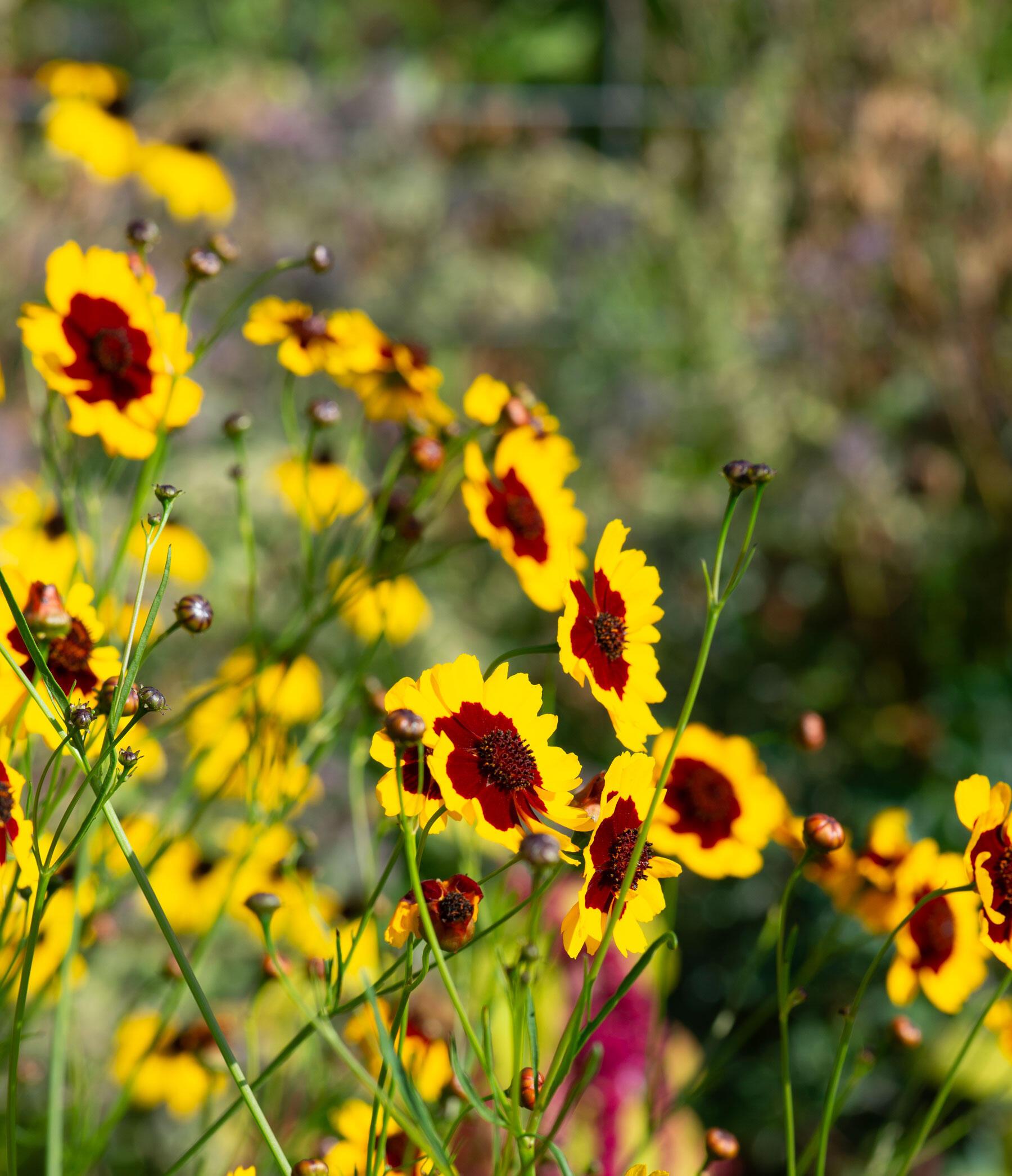
- Tickseed
- Fountain grass
Every 3–5 years:
- Blanket flower
- Black-eyed Susan
- Foamflower
- Daylily
- Catmint
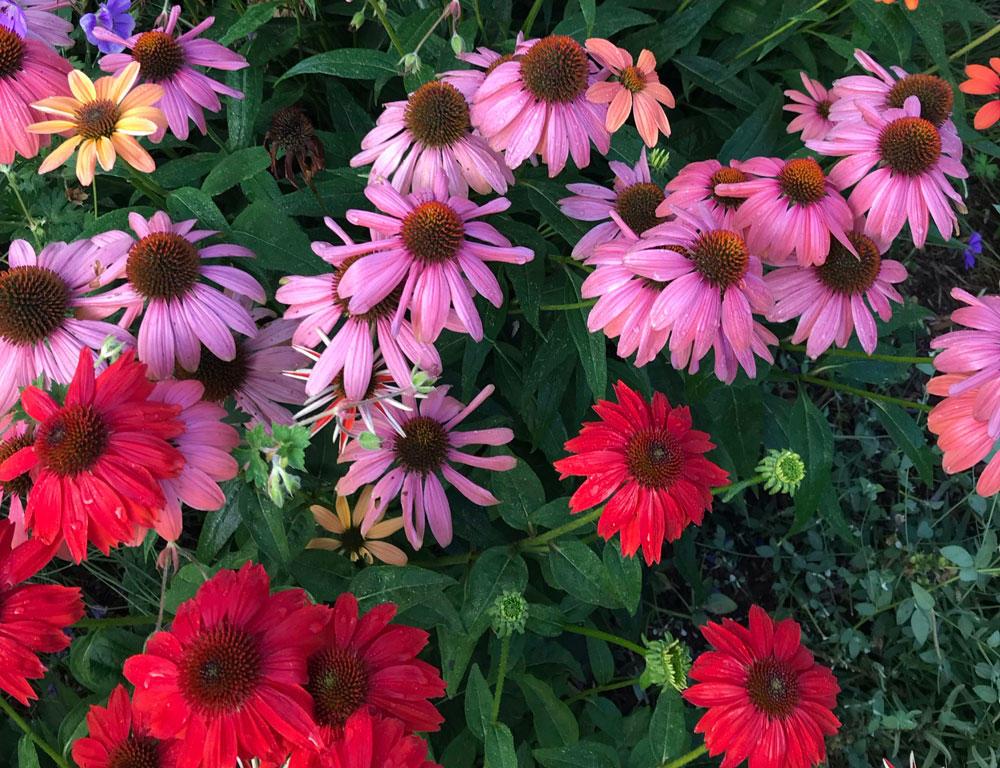
- Coneflower
- Speedwell
- Speedthrift
Every 5–10 years:
- Hosta
- Siberian iris
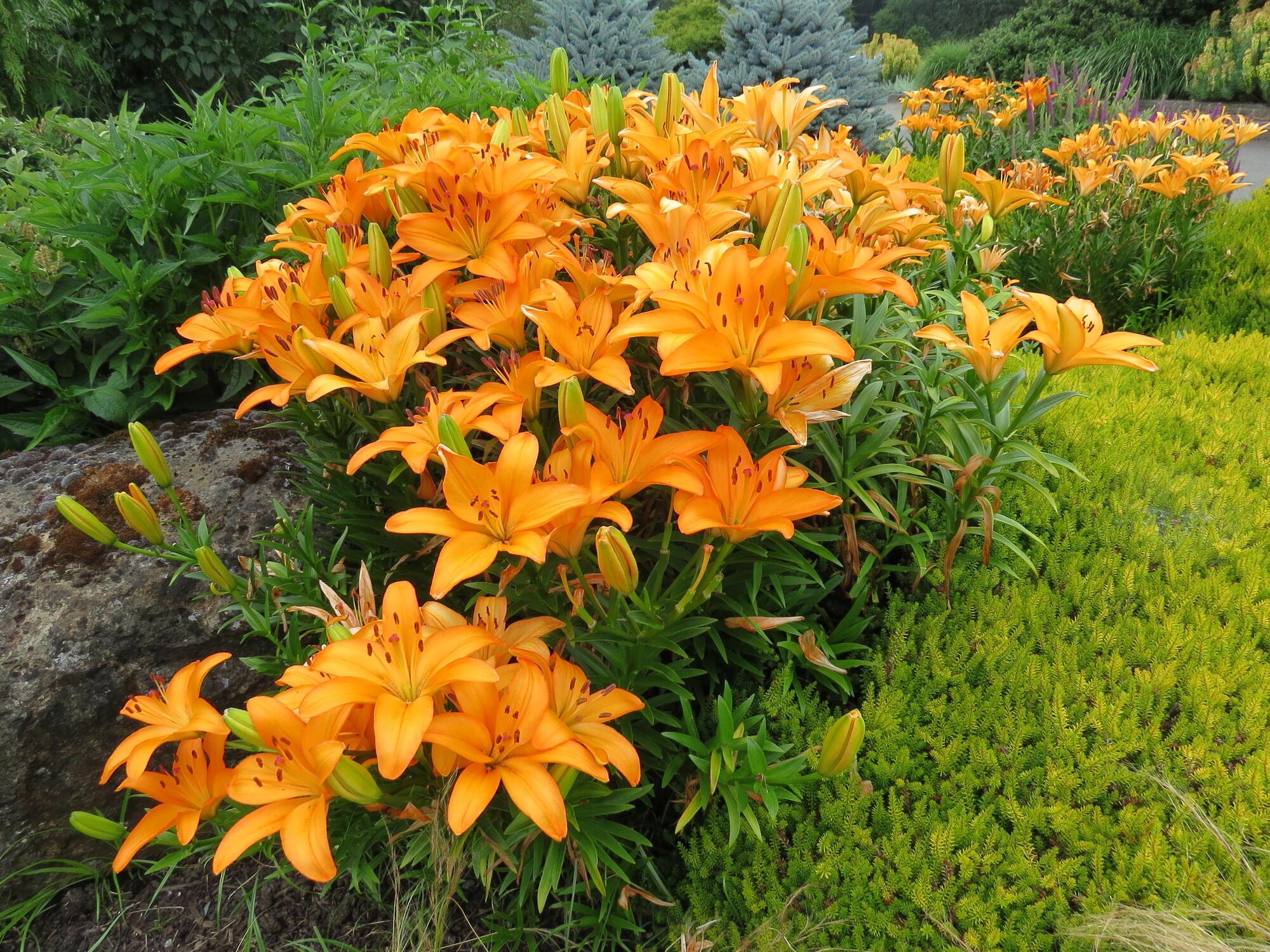
- Asiatic lily
- Peony
- Lady’s mantle
- Lungwort
- Meadow rue
- Cranesbill
Previously titled Divide and conquer plants to keep them healthy and productive