 Extension Service
Resources for gardening in a changing climate
Practical, Oregon-based guidance to help your garden thrive—no matter how the weather shifts.
As Oregon’s climate becomes hotter, drier, and less predictable, gardeners are adapting—and we want to help. You’ll find everything from low‑water plant lists (organized by region) to demonstration stories—like water wise gardens in Southern Oregon and resilient planting ideas from Roseburg’s Discovery Garden. Explore the drop-down sections for our curated collection of tips on everything from coping with seasonal stress to extending your growing season. Looking for something you don't see here? Let us know.

The top low-water plants specific to Oregon's gardening regions


Get your own Garden Future t-shirt
Show your commitment to the future of gardens by wearing a Garden Future t-shirt. Sales go to support projects like this! Now available for purchase in our OSU Extension Master Gardener program store.
Changes in planting zones

Extreme heat


Extended growing seasons
Oregon State University Extension Service

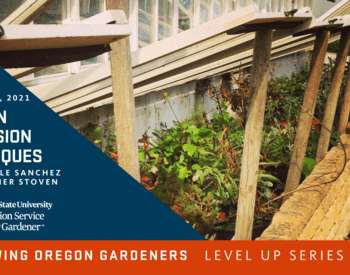
Low tunnels for season extension in Oregon: Design, construction and costs

© 2021 Oregon State University. Extension work is a cooperative program of Oregon State University, the U.S. Department of Agriculture, and Oregon counties. Oregon State University Extension Service offers educational programs, activities, and materials without discrimination on the basis of race, color, national origin, religion, sex, gender identity (including gender expression), sexual orientation, disability, age, marital status, familial/parental status, income derived from a public assistance program, political beliefs, genetic information, veteran’s status, reprisal or retaliation for prior civil rights activity. (Not all prohibited bases apply to all programs.)
Accessibility: This publication will be made available in an accessible alternative format upon request. Please contact [email protected] or 541-737-3311.
Additional resources
Water management


Increased pests, diseases and invasive species


Native plants

Oregon State University Extension Service
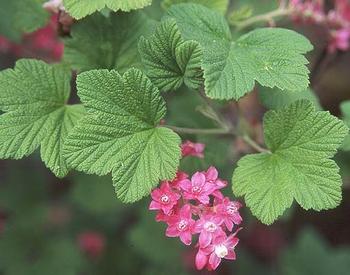
Gardening with Oregon Native Plants West of the Cascades

© 2022 Oregon State University. Extension work is a cooperative program of Oregon State University, the U.S. Department of Agriculture, and Oregon counties. Oregon State University Extension Service offers educational programs, activities, and materials without discrimination on the basis of race, color, national origin, religion, sex, gender identity (including gender expression), sexual orientation, disability, age, marital status, familial/parental status, income derived from a public assistance program, political beliefs, genetic information, veteran’s status, reprisal or retaliation for prior civil rights activity. (Not all prohibited bases apply to all programs.)
Accessibility: This publication will be made available in an accessible alternative format upon request. Please contact [email protected] or 541-737-3311.
Oregon State University Extension Service
Selecting native plants for home landscapes in Central Oregon

© 2008 Oregon State University. Extension work is a cooperative program of Oregon State University, the U.S. Department of Agriculture, and Oregon counties. Oregon State University Extension Service offers educational programs, activities, and materials without discrimination on the basis of race, color, national origin, religion, sex, gender identity (including gender expression), sexual orientation, disability, age, marital status, familial/parental status, income derived from a public assistance program, political beliefs, genetic information, veteran’s status, reprisal or retaliation for prior civil rights activity. (Not all prohibited bases apply to all programs.)
Accessibility: This publication will be made available in an accessible alternative format upon request. Please contact [email protected] or 541-737-3311.
Oregon State University Extension Service
Native plant picks for bees

© 2022 Oregon State University. Extension work is a cooperative program of Oregon State University, the U.S. Department of Agriculture, and Oregon counties. Oregon State University Extension Service offers educational programs, activities, and materials without discrimination on the basis of race, color, national origin, religion, sex, gender identity (including gender expression), sexual orientation, disability, age, marital status, familial/parental status, income derived from a public assistance program, political beliefs, genetic information, veteran’s status, reprisal or retaliation for prior civil rights activity. (Not all prohibited bases apply to all programs.)
Accessibility: This publication will be made available in an accessible alternative format upon request. Please contact [email protected] or 541-737-3311.
Oregon State University Extension Service
Trees to Know in Oregon and Washington

© 2021 Oregon State University. Extension work is a cooperative program of Oregon State University, the U.S. Department of Agriculture, and Oregon counties. Oregon State University Extension Service offers educational programs, activities, and materials without discrimination on the basis of race, color, national origin, religion, sex, gender identity (including gender expression), sexual orientation, disability, age, marital status, familial/parental status, income derived from a public assistance program, political beliefs, genetic information, veteran’s status, reprisal or retaliation for prior civil rights activity. (Not all prohibited bases apply to all programs.)
Accessibility: This publication will be made available in an accessible alternative format upon request. Please contact [email protected] or 541-737-3311.
Oregon State University Extension Service
Shrubs to Know in Pacific Northwest Forests

Notes on range and habitat.
Fast facts on plant names.
A well-tested ID key.
An overview of shrub communities in the Pacific Northwest.
Range maps and more than 500 color photos.
© 2022 Oregon State University. Extension work is a cooperative program of Oregon State University, the U.S. Department of Agriculture, and Oregon counties. Oregon State University Extension Service offers educational programs, activities, and materials without discrimination on the basis of race, color, national origin, religion, sex, gender identity (including gender expression), sexual orientation, disability, age, marital status, familial/parental status, income derived from a public assistance program, political beliefs, genetic information, veteran’s status, reprisal or retaliation for prior civil rights activity. (Not all prohibited bases apply to all programs.)
Accessibility: This publication will be made available in an accessible alternative format upon request. Please contact [email protected] or 541-737-3311.


Soil health
Oregon State University Extension Service
Understanding soil health and biota for farms and gardens

© 2023 Oregon State University. Extension work is a cooperative program of Oregon State University, the U.S. Department of Agriculture, and Oregon counties. Oregon State University Extension Service offers educational programs, activities, and materials without discrimination on the basis of race, color, national origin, religion, sex, gender identity (including gender expression), sexual orientation, disability, age, marital status, familial/parental status, income derived from a public assistance program, political beliefs, genetic information, veteran’s status, reprisal or retaliation for prior civil rights activity. (Not all prohibited bases apply to all programs.)
Accessibility: This publication will be made available in an accessible alternative format upon request. Please contact [email protected] or 541-737-3311.
Soil health and organic farming (Organic Farming Research Foundation)
Increased risk of wildfires
A PNW Extension Publication

Fire-resistant plants for home landscapes

© 2023 Published and distributed in furtherance of the Acts of Congress of May 8 and June 30, 1914, by the Oregon State University Extension Service, Washington State University Extension, University of Idaho Extension and the U.S. Department of Agriculture cooperating. The three participating Extension services offer educational programs, activities and materials without discrimination on the basis of race, color, national origin, religion, sex, gender identity (including gender expression), sexual orientation, disability, age, marital status, familial/ parental status, income derived from a public assistance program, political beliefs, genetic information, veteran’s status, reprisal or retaliation for prior civil rights activity. (Not all prohibited bases apply to all programs.)
Accessibility: This publication will be made available in an accessible alternative format upon request. Please contact [email protected] or 541-737-3311.

Oregon State University Extension Service
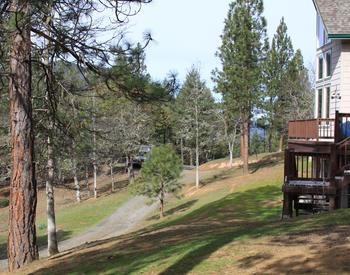
Keeping Your Home and Property Safe from Wildfire
© 2017 Oregon State University. Extension work is a cooperative program of Oregon State University, the U.S. Department of Agriculture, and Oregon counties. Oregon State University Extension Service offers educational programs, activities, and materials without discrimination on the basis of race, color, national origin, religion, sex, gender identity (including gender expression), sexual orientation, disability, age, marital status, familial/parental status, income derived from a public assistance program, political beliefs, genetic information, veteran’s status, reprisal or retaliation for prior civil rights activity. (Not all prohibited bases apply to all programs.)
Accessibility: This publication will be made available in an accessible alternative format upon request. Please contact [email protected] or 541-737-3311.
Oregon State University Extension Service
Before Wildfire Strikes: A guide to improving wildfire preparedness and living with fire in Hood River County

© 2024 Oregon State University. Extension work is a cooperative program of Oregon State University, the U.S. Department of Agriculture, and Oregon counties. Oregon State University Extension Service offers educational programs, activities, and materials without discrimination on the basis of race, color, national origin, religion, sex, gender identity (including gender expression), sexual orientation, disability, age, marital status, familial/parental status, income derived from a public assistance program, political beliefs, genetic information, veteran’s status, reprisal or retaliation for prior civil rights activity. (Not all prohibited bases apply to all programs.)
Accessibility: This publication will be made available in an accessible alternative format upon request. Please contact [email protected] or 541-737-3311.
Oregon State University Extension Service
Before Wildfire Strikes: A Guide to Wildfire Risk Reduction in Wallowa County

© 2023 Oregon State University. Extension work is a cooperative program of Oregon State University, the U.S. Department of Agriculture, and Oregon counties. Oregon State University Extension Service offers educational programs, activities, and materials without discrimination on the basis of race, color, national origin, religion, sex, gender identity (including gender expression), sexual orientation, disability, age, marital status, familial/parental status, income derived from a public assistance program, political beliefs, genetic information, veteran’s status, reprisal or retaliation for prior civil rights activity. (Not all prohibited bases apply to all programs.)
Accessibility: This publication will be made available in an accessible alternative format upon request. Please contact [email protected] or 541-737-3311.
Additional resources:
- Homeowner firewise behaviors in fire-prone central Oregon (Journal of Environmental Management)
- Firewise USA
Storm and weather damage


Events

Let's talk.
We’re forming a community of gardeners who are learning and sharing from each other, so that we can grow our knowledge together.
Join the conversation with us and share what you’ve seen, and we’ll share back what others are doing.
Help inform the resources for Oregon’s gardeners growing resilience in a changing climate.
We have three simple questions for you, asking how climate change is showing up in your gardening.