 Extension Service
Invasives
Meet Oregon's most unwanted
What are invasive animal species, anyway?
Invasive species are non-native creatures that move into new areas — often with help from humans — and cause big problems. They outcompete local wildlife, damage ecosystems and can even hurt our farms, forests, waterways and health.
But here’s the good news: we can all help stop the spread of invasive species! By learning how to spot them, reporting sightings and making smart choices — like not moving firewood or releasing pets into the wild — we can protect Oregon’s incredible native wildlife and habitats.
We’ve rounded up some animal species that can cause trouble in Oregon. They may be sneaky, but with your help, we can spot them, stop them and protect our native wildlife and habitats.
Learn more about invasive species
- American bullfrog
- Barred owl
- Brown marmorated stink bug
- Emerald ash borer
- Invasive green crab
- Japanese beetle
- Jumping worms
- Nutria
- Red-eared slider
- Zebra and quagga mussels
American bullfrog, Lithobates catesbeianus

Meet Oregon’s largest frog — some grow up to 8 inches long! You can spot them by the big round eardrum behind each eye. They love warm, slow-moving water with lots of plants to hide in. But don’t let their deep “jug-o-rum” call fool you — they’re not great neighbors. Female bullfrogs can lay up to 10 times more eggs than native frogs. They outcompete local species for food and space, and they can spread harmful diseases to native amphibians.
What you can do: Never release bullfrogs into the wild — it’s illegal and harmful. See one for sale in Oregon or spot one in the wild? Report it!
Learn more about the American bullfrog!
Species spotlight (Oregon Sea Grant)
Invasive species information (USDA National Invasive Species Information Center)
Barred owl, Strix varia

Barred owls are native to eastern North America, but they’ve recently moved into Oregon’s forests — and they’re causing trouble for an iconic native bird: the northern spotted owl. Barred owls are bigger, more aggressive and more adaptable. They compete for food, take over nesting spots and push spotted owls out of their homes. Too many barred owls can throw entire forest ecosystems out of balance. Their hunting habits affect a wide range of species, not just other owls. They have mottled brown and white feathers with a distinctive pattern: vertical brown bars on the belly and horizontal bars on the upper breast and neck.
What you can do: If you live in an area where barred owls pose a threat to the spotted owl — in the forests of western Oregon — and you see one, report it! Your reports help scientists track their spread.
Learn more about the barred owl!
Brown marmorated stink bug, Halyomorpha halys
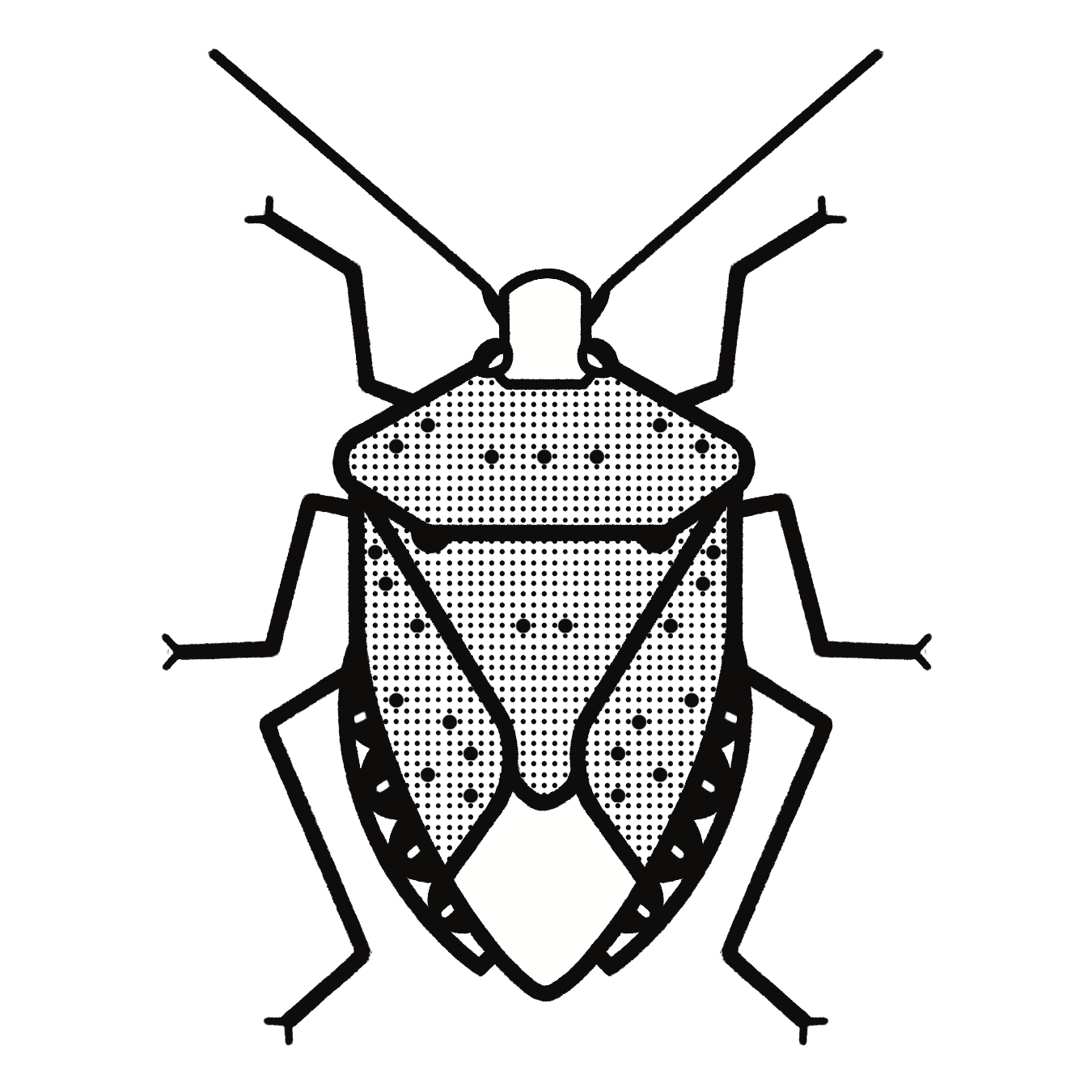
These mottled brown bugs are about the size of a fingernail and shaped like tiny shields. Look closely and you’ll spot their striped antennae and banded edges. But beware: squish one, and you’ll get a whiff of their not-so-lovely defense mechanism. These bugs are bad news for farmers. They feast on fruits and veggies, leaving behind ruined crops. And in the fall, they swarm buildings looking for cozy places to spend the winter — like your house!
What you can do: Close cracks and gaps around windows, doors and siding to keep them out of your home. Stay tuned: scientists are working on safe ways to manage their populations.
Learn more about the brown marmorated stink bug!
Information and resources (OSU Extension Service)
Pest alert (Oregon Department of Agriculture)
USDA National Invasive Species Information Center
Impact (Oregon State University)
Emerald ash borer, Agrilus planipennis
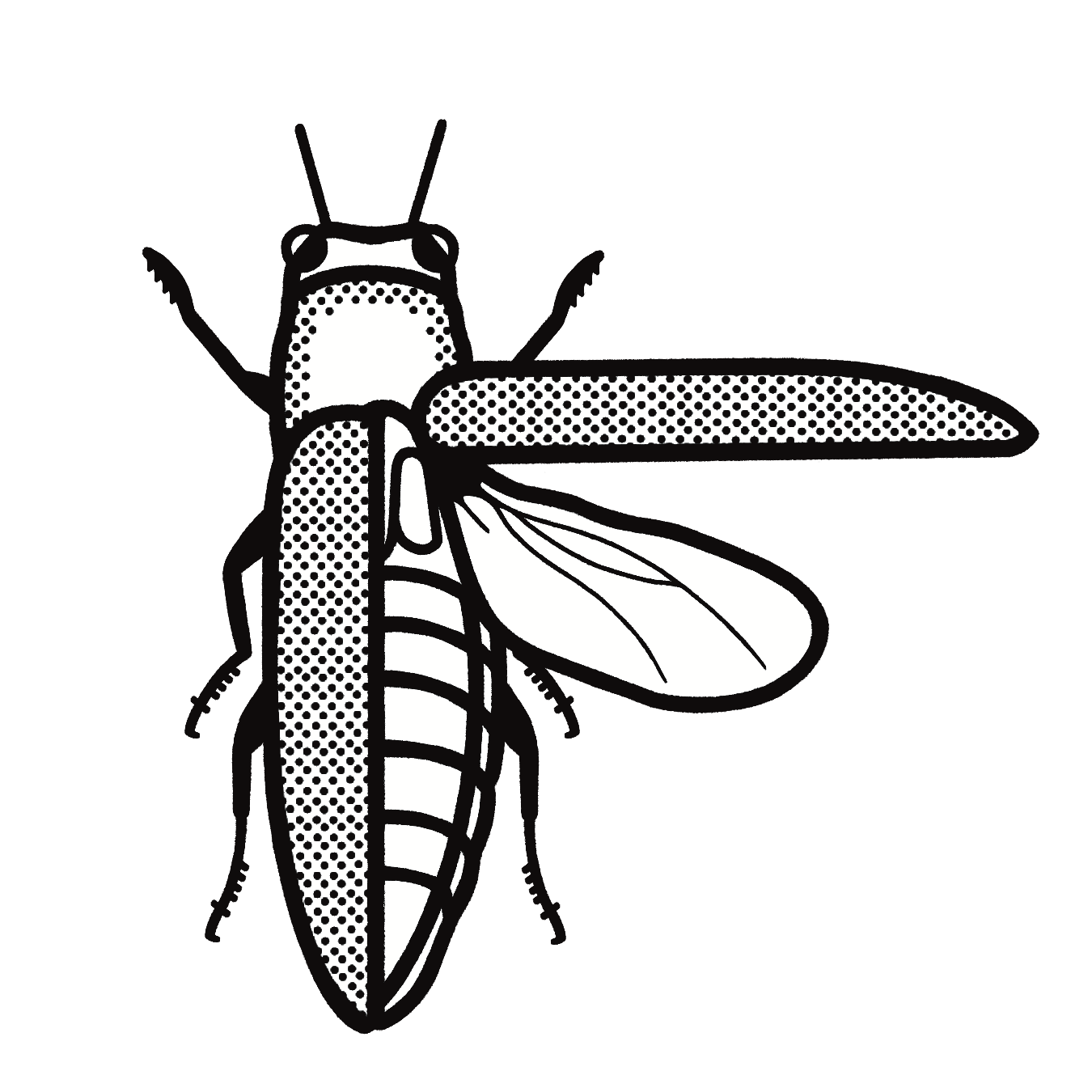
These beetles look like tiny flying gems — metallic green with a flash of coppery red or purple underneath. But don’t be fooled by their tiny size and beauty! They are tree killers. Their larvae tunnel under the bark of ash trees, cutting off the tree’s water and food supply from the inside out. This beetle has wiped out millions of trees across the U.S. — and Oregon’s ash trees are now at risk.
What you can do: Don’t move firewood — buy it where you burn it. See signs of damage or a beetle? Report it.
Learn more about the emerald ash borer!
EAB in Oregon (Oregon Invasive Species Council)
Resources and recommendations (OSU Extension Service)
Fact sheet (Oregon Department of Forestry)
Invasive green crab, Carcinus maenas,
(a.k.a. five-spined shore crab, European green crab)
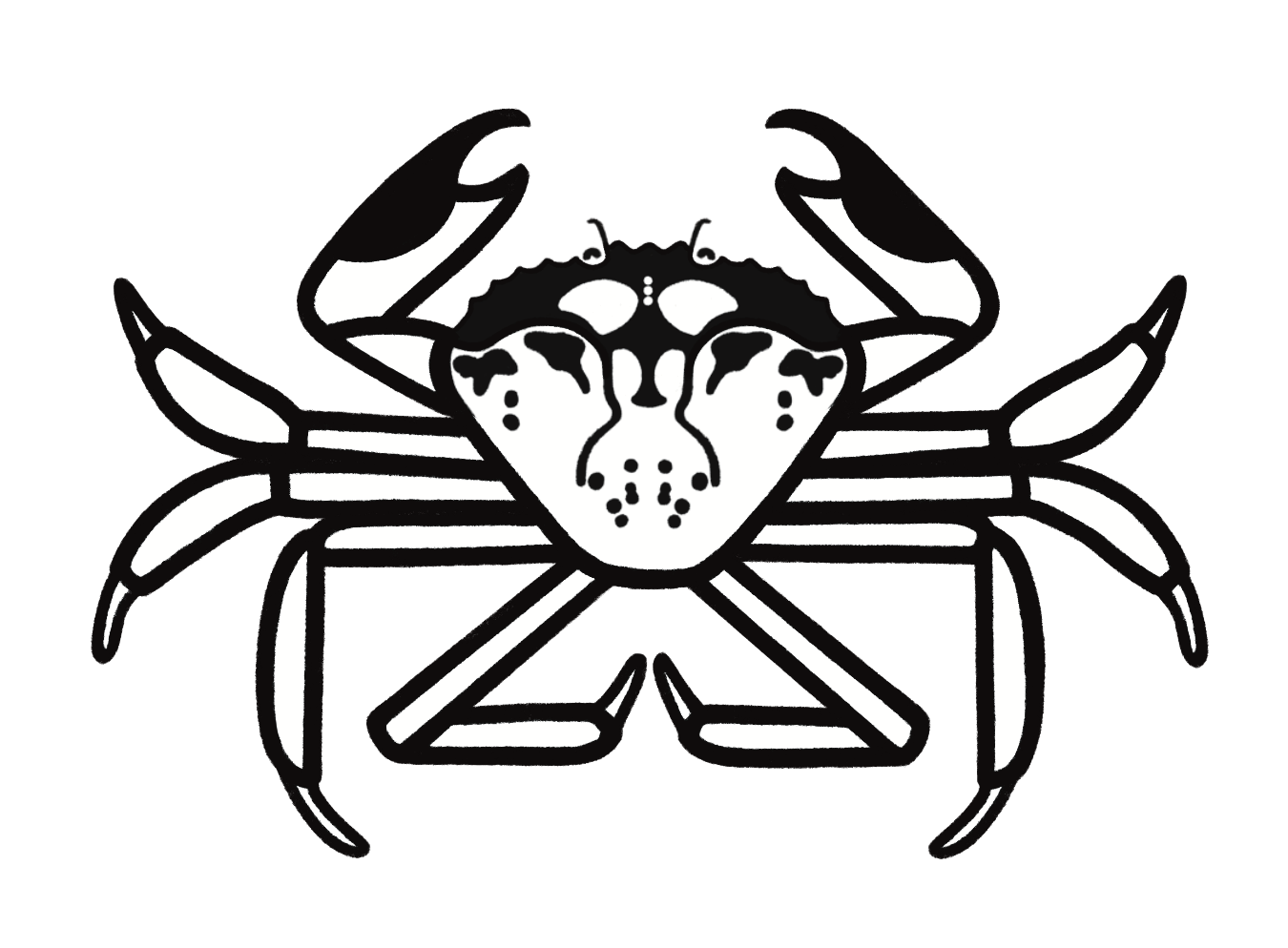
These crabs may only be 2–4 inches wide, but they’re fierce competitors. Look for five spines on each side of their shell — that’s their signature feature! Colors vary, but they love hanging out in estuaries, especially eelgrass beds. Their larvae and juveniles drift on ocean currents, spreading far and wide. Green crabs are aggressive eaters, adaptable to different environments and push out native crabs. They gobble up shellfish and other species, upsetting the balance of coastal ecosystems. Shellfish farmers and Native American Tribes are especially concerned because these crabs can wipe out valuable shellfish beds.
What you can do: Spot one? Report it! Feeling adventurous? They’re edible! Recreational harvesting is allowed in Oregon (up to 35 crabs a day), just check the latest rules before you go crabbing.
Learn more about the invasive green crab!
Species spotlight (Oregon Department of Fish and Wildlife)
Look out for invasive crab (NOAA Fisheries)
Japanese beetle, Popillia japonica
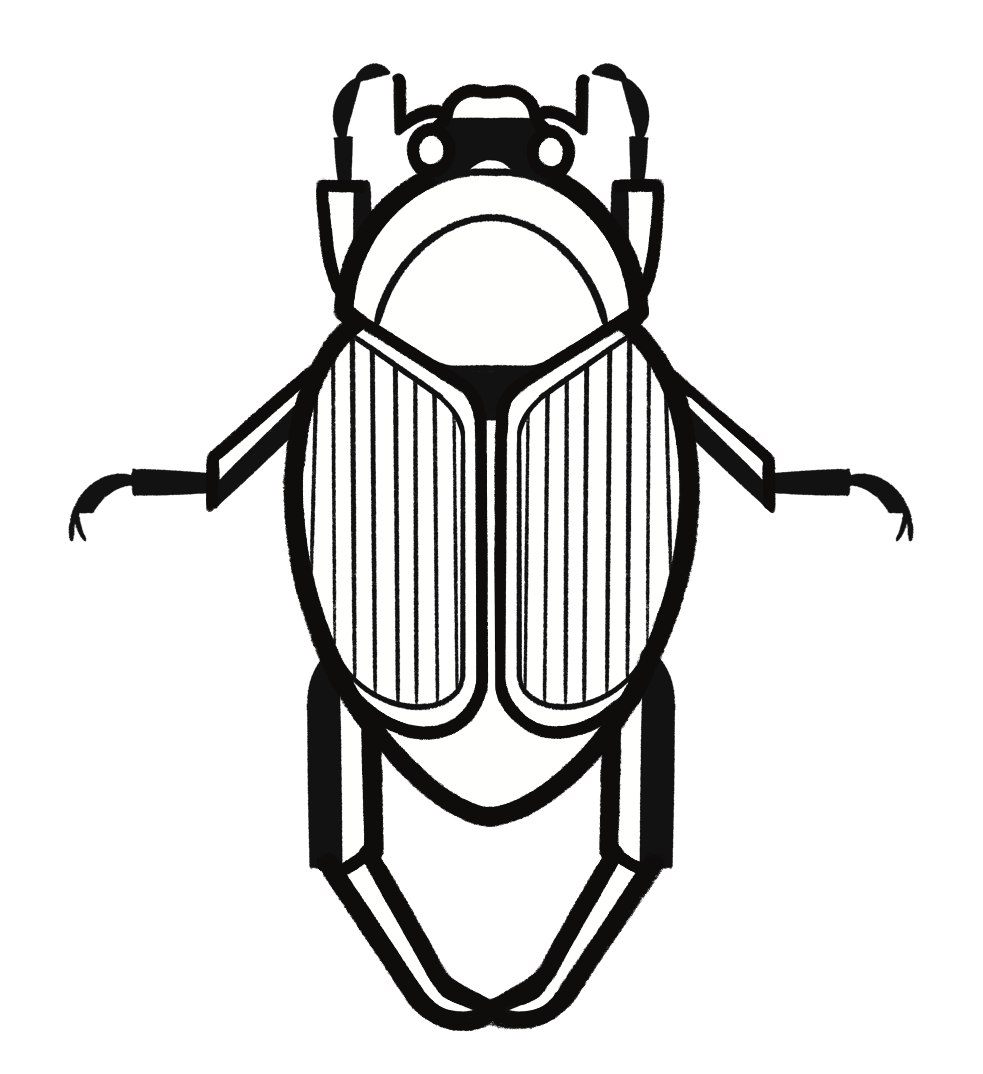
These beetles look like little jewels — they have shiny green bodies and coppery wings with little white tufts — but they’re plant munching machines! As grubs, they chew up plant roots underground. As adults, they skeletonize leaves on flowers, trees and shrubs. Once they spread, they’re tough to stop.
What you can do: See one? Snap a pic and email it to [email protected]. Catch one? Drop it in a bucket of soapy water. Be proactive by cutting back on summer lawn watering — dry soil helps stop their larvae from surviving underground.
Learn more about the Japanese beetle!
Japanese beetles in Oregon (OSU Extension Service)
Program update and next steps (Oregon Department of Agriculture)
Jumping worms, Amynthas species
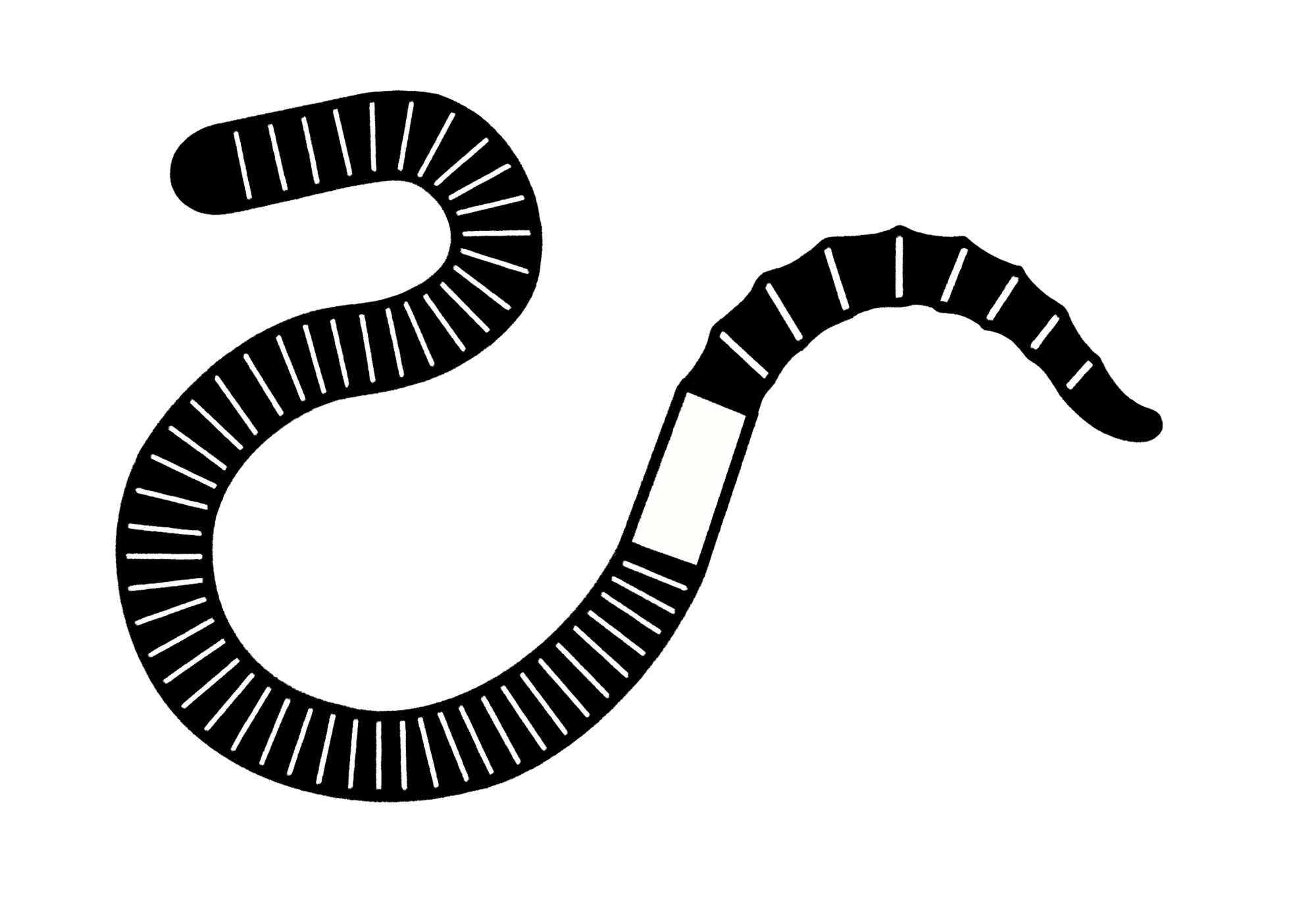
These worms don’t just wiggle — they thrash and jump! They have shiny, firm bodies and a milky-colored band that wraps around their bodies near their head. Jumping worms churn through soil, stripping it of nutrients and harming plants, forests and gardens. They change the soil so much that native species struggle to survive.
What you can do: Don’t move plants or soil unless you’re sure they are worm-free. Use heat-treated compost and mulch to kill worms and their cocoons. Be vigilant. Earthworms purchased for composting and bait may be contaminated with jumping worms, so don’t release extra bait worms. See one? Report it!
Learn more about the jumping worm!
(Watch) Impact and prevention (Minnesota Department of Natural Resources)
Invasive jumping worms disrupt Oregon soils and ecosystems (OSU Extension Service)
Stopping the spread of jumping worms requires vigilance (OSU Extension Service)
Invasive jumping worms leap into Oregon (OSU Extension Service)
Nutria, Myocastor coypus

Nutria look like small beavers with their orange teeth, but they have long skinny tails rather than the beaver’s paddle-like tail. They’re semi-aquatic rodents that may grow to 25 pounds. They live near water and are mostly active at night. The problem? They dig deep burrows into riverbanks and wetlands, which can cause serious erosion and damage to habitats, harming native plants and animals. They host diseases and parasites that add to the threat they pose to livestock, pets and humans.
What you can do: Keep them off your property with barriers. In some areas, trapping and humane dispatch (ending an animal's life quickly and with minimal suffering) is allowed — check local guidelines first — but moving them to other sites is never allowed. Contacting a licensed Wildlife Control Operator to help with removal is an option.
Learn more about the nutria!
Species spotlight (Oregon Sea Grant)
Living with wildlife (Oregon Department of Fish and Wildlife)
Red-eared slider, Trachemys scripta elegans
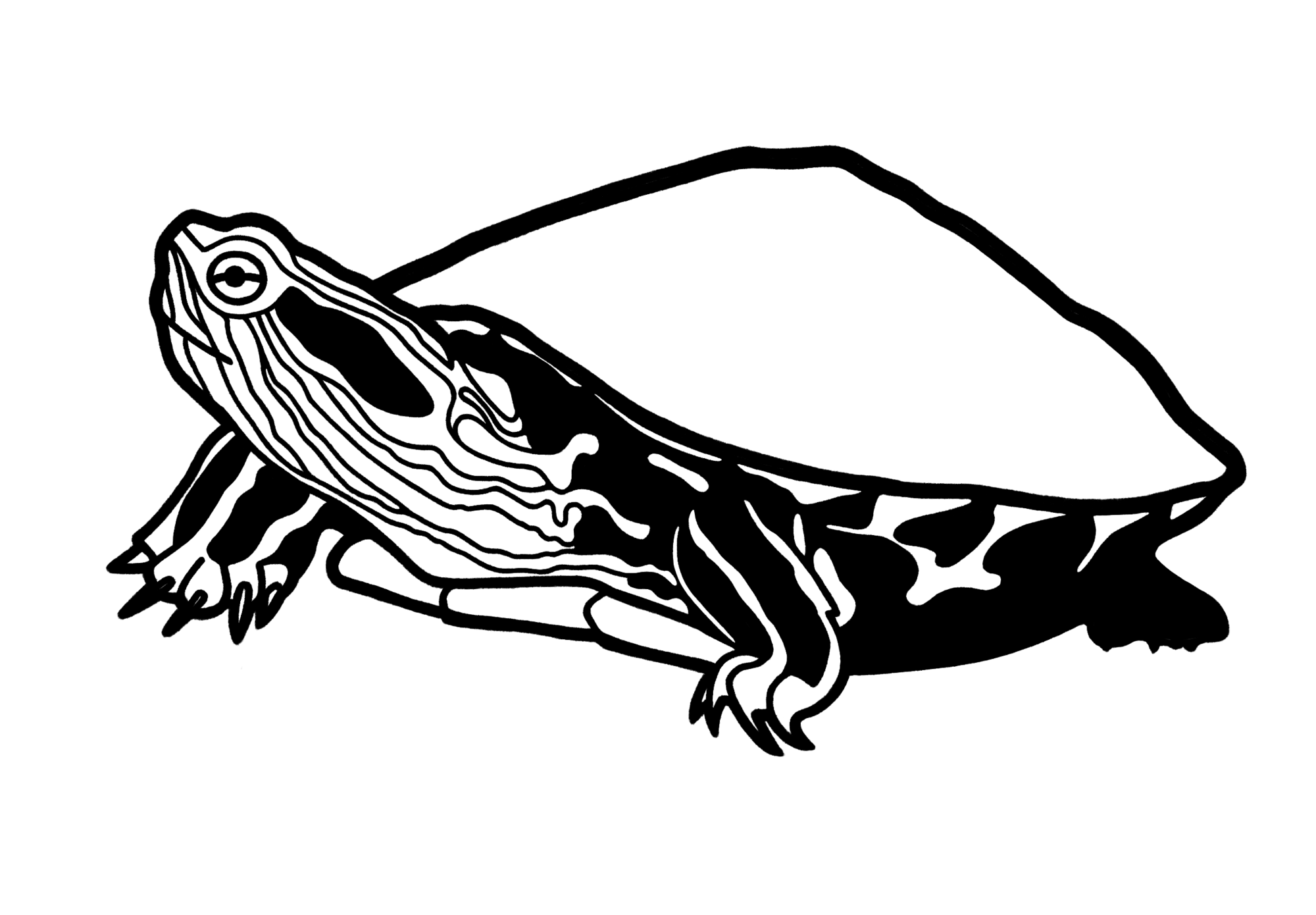
These turtles are easy to spot thanks to the bright red-orange stripe behind each eye. Native to the eastern U.S., most sliders in Oregon were once pets that got released into the wild. They outcompete native turtles for food and nesting and basking spots. They can also spread diseases and live up to 30 years, giving them plenty of time to settle in and take over.
What you can do: Think twice before you buy a turtle as a pet. If you have a pet red-eared slider, do not release it into the wild. Call your local Oregon Department of Fish & Wildlife office for advice. If you see one in the wild, report it! In Oregon’s Willamette Valley, report sightings online on oregonturtles.org.
Learn more about the red-eared slider!
Species spotlight (Oregon Sea Grant)
Fact sheet (Oregon Department of Fish and Wildlife)
Zebra and quagga mussels, Dreissena polymorpha and Dreissena rostriformis bugensis

These little freshwater mussels may look harmless, but they’re Oregon’s #1 aquatic threat. They cling to boats, docks and pipes — and multiply like crazy! Once humans move them to a new place, they clog water systems and steal food from native species. The worst part? They’re almost impossible to remove once established. Zebra mussels have triangular shells with dark zigzag stripes. Quagga mussels have rounder, D-shaped shells often with color bands. Both are tiny — just up to 1.5 to 2 inches long.
What you can do: Clean, drain and dry your boat and gear before moving to a new lake or river. Report sightings!
Learn more about zebra and quagga mussels!
Sea Grant (Pennsylvania)
OSU helps Oregon strengthen invasive species defense (OSU Extension)
Report it!
If you see these invasive animals, report them to the Oregon Invasive Species Hotline at oregoninvasiveshotline.org or call 1-866-INVADER (1-866-468-2337).


