 Extension Service
How to grow clematis for long-lasting color in Oregon gardens
CORVALLIS, Ore. — As they climb trellises and trees and unfurl large, richly colored flowers, clematis put on a spectacular show in the garden.
These popular vines need a bit of attention at planting time, but once established they grow and flower reliably year after year.
Clematis vines have three essential requirements:
- Full sun on their stems and leaves
- Cool, moist (but not wet) roots
- A sturdy structure for climbing
Planting for healthy vines
Choose a site with at least six hours of sunlight. Filtered shade during the hottest part of summer helps prevent dark blooms from fading. To keep the root zone cool, mulch with organic compost or plant low-growing shrubs or perennials to shade the base of the vine.
Provide strong support such as a fence, trellis, tall shrub, small tree or even another vine like climbing rose or wisteria.
Digging and preparing the planting hole
Dig a generous planting hole — about 2 feet deep and nearly as wide. Incorporate fine bark, compost and/or manure, especially if your soil is dense or clay-heavy. Add lime if the soil is acidic.
If you garden in clay, rough up the sides of the planting hole to prevent “glazing,” a condition that stops roots from spreading and can trap water in winter.
Set the plant with the crown 2–3 inches below the soil surface. Stake the vine until it reaches its permanent support.
Water new plants well but avoid overfertilizing. Once established, clematis responds well to rose or tomato fertilizer (5-10-5 or 5-10-10), compost or chicken manure. Feed three times a year in spring, summer and fall.
To help keep roots cool, apply a thick mulch of straw, leaves or bark, or place a rock on the south side of the vine. A low-growing perennial can also provide helpful shade at the base.
Pinch back the tips of new shoots once or twice during the first season to encourage branching near the base.
Troubleshooting
Large-flowered clematis can be prone to sudden, mysterious wilting and dieback of stems or whole plants, often when they are just about to bloom. This is often assumed to be clematis wilt, a fungal disease, but it may have several causes.
Clematis stems are brittle, and if broken or damaged near the base, the whole stem may die. Voles or vine weevil grubs feeding on the roots, or poor drainage can cause a more gradual decline.
If a clematis does suddenly wilt, an examination of the base of the stem may reveal black spots or lesions, indicating fungus. However there may be no signs. An affected vine may recover after a year or two, and grow well.
Repeated dieback followed by re-growth may be a sign that the vine needs a better planting location.
Regional considerations for growing clematis in Oregon
Western Oregon: Most varieties thrive in Western Oregon’s mild winters and moderate summer heat. Evergreen clematis — especially Clematis armandii — perform well. Filtered shade in midsummer helps prevent fading on dark-flowered hybrids.
Willamette Valley: Rich soils and long growing seasons encourage vigorous vines. Heavy clay soils benefit from compost and roughened planting-hole sides to avoid glazing and improve root spread. Ensure good winter drainage.
Oregon Coast: The cool, humid climate suits both evergreen and deciduous clematis. Blooms may arrive slightly later. Wind protection is helpful, and evergreen types often excel in coastal conditions.
Southern Oregon: Hotter summers require deeper mulch and more consistent irrigation to keep roots cool. Afternoon shade benefits many large-flowered hybrids during extreme heat.
Central Oregon: Cold winters and low humidity call for hardy deciduous varieties. Use deep mulch, choose protected microclimates and avoid exposed winter-wind sites. Provide afternoon shade in high-elevation gardens.
Eastern Oregon: Very cold-hardy, deciduous clematis varieties are best. Maintain deep mulch, consistent irrigation and excellent drainage. Afternoon shade protects blooms in hotter areas.
Pruning for vigorous growth
Most clematis benefit from annual pruning.
- Summer-blooming clematis on new wood: Prune heavily in winter or early spring, or they will become thin and stringy.
- Spring-blooming clematis on last year’s wood: Prune lightly after flowering to maintain shape and encourage growth.
Choosing clematis for Oregon
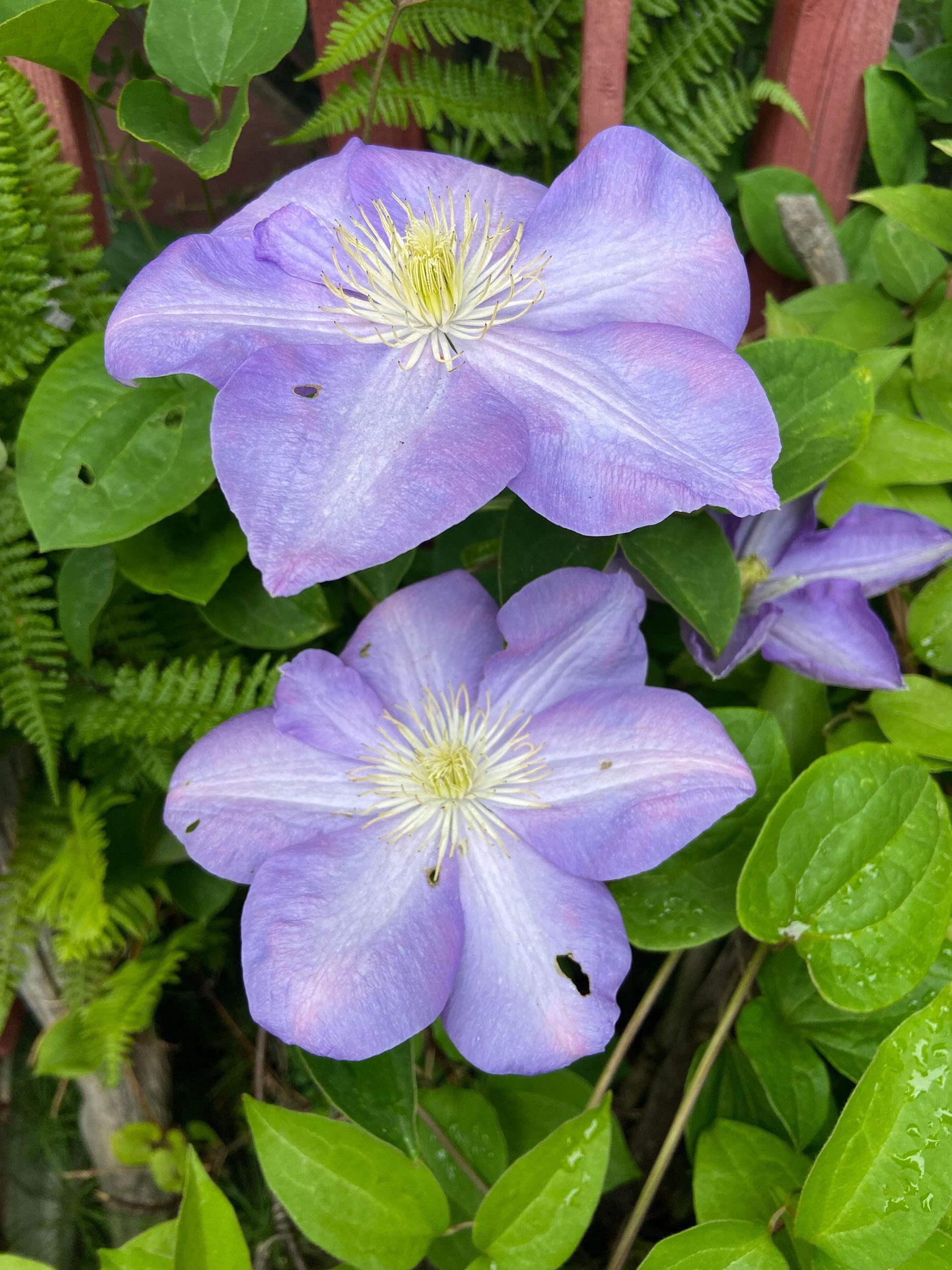
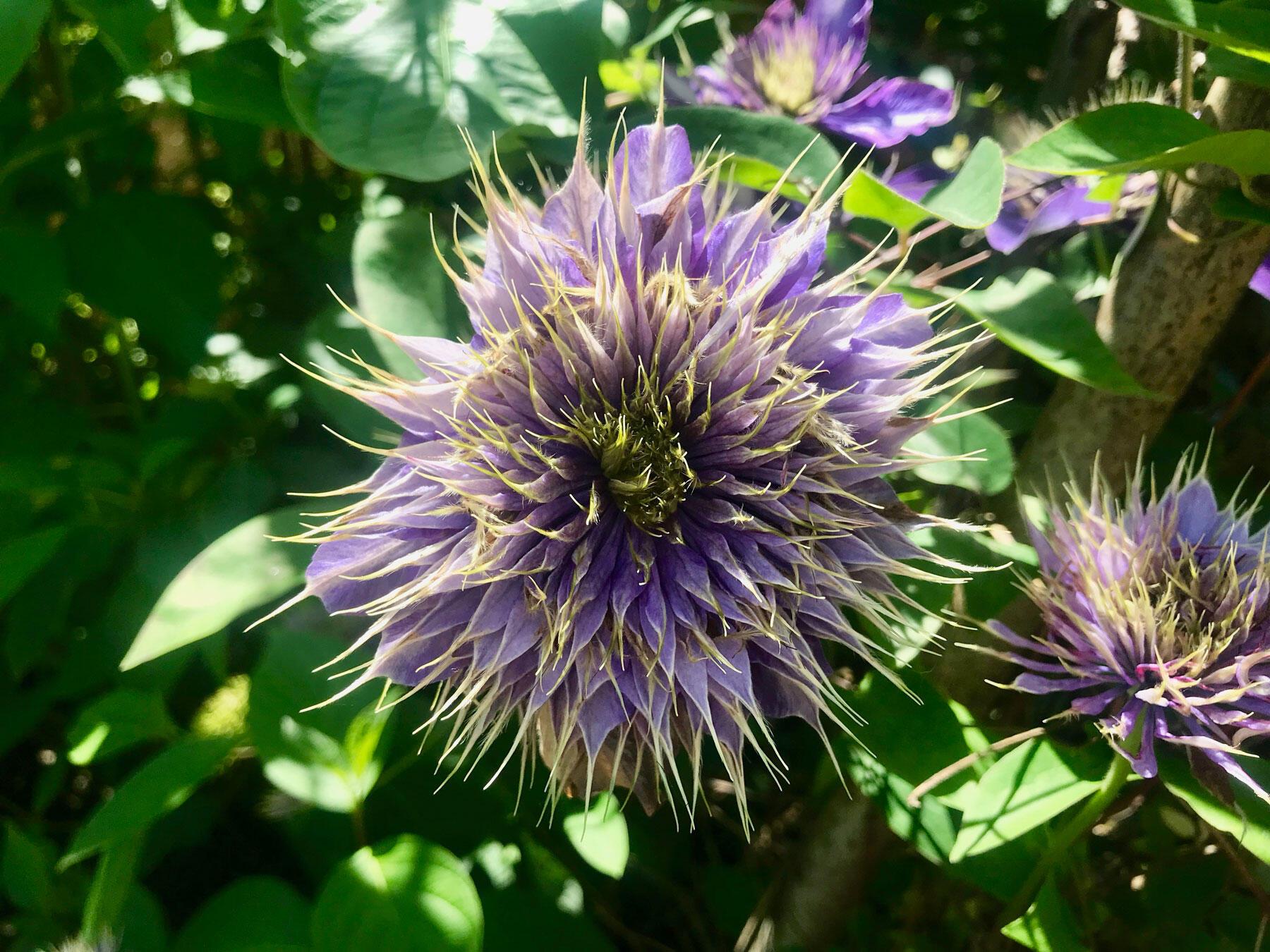
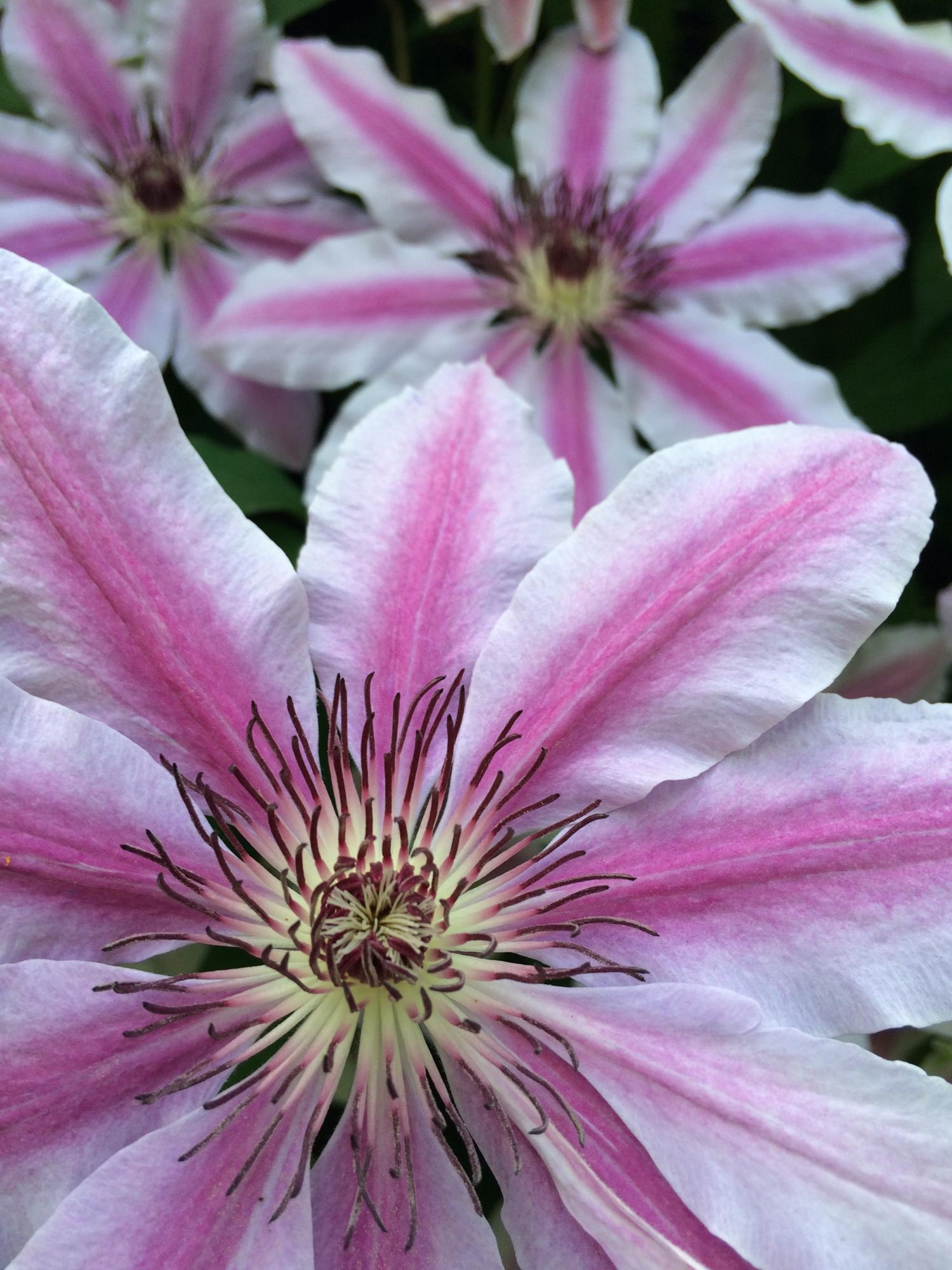
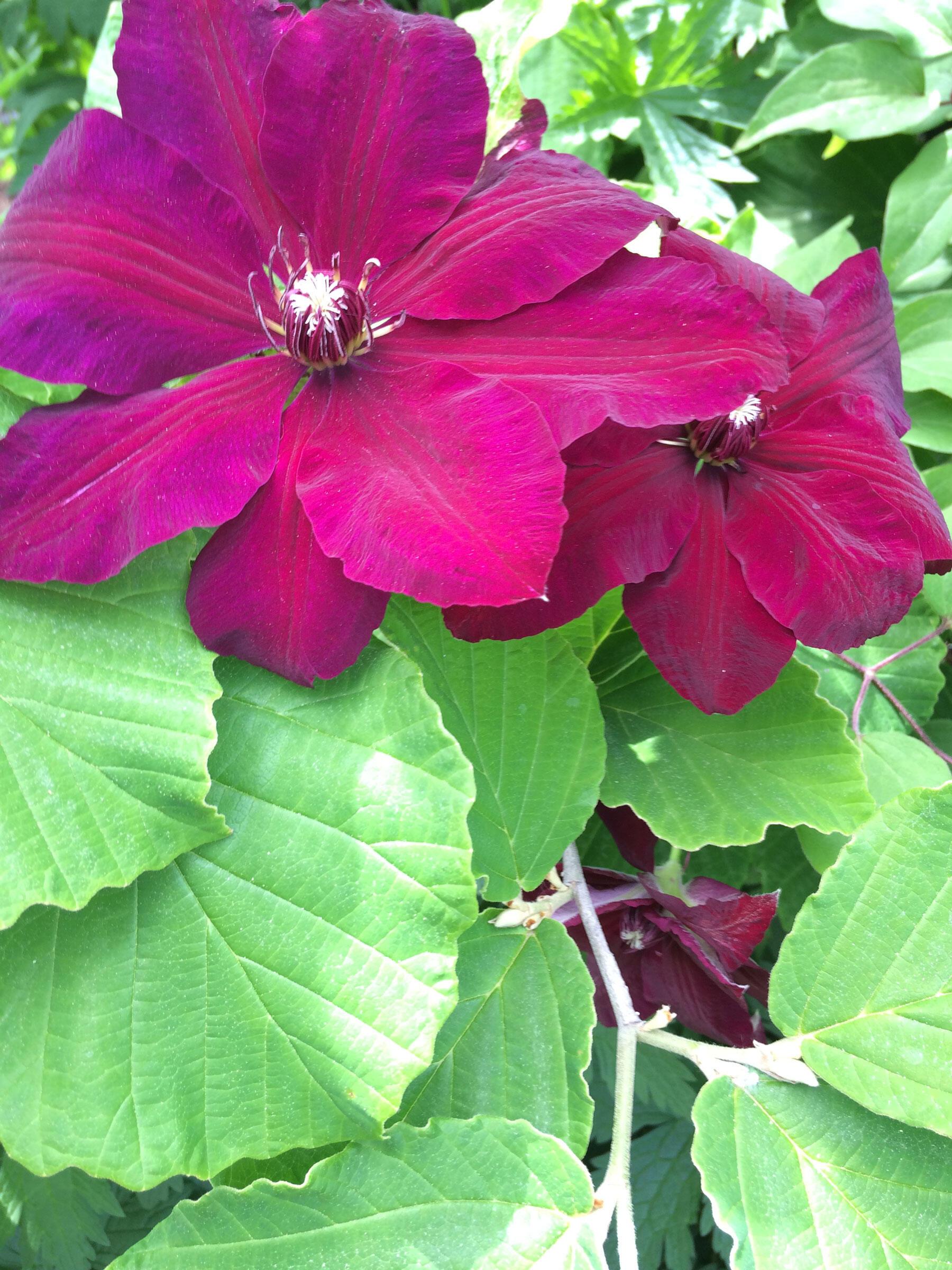
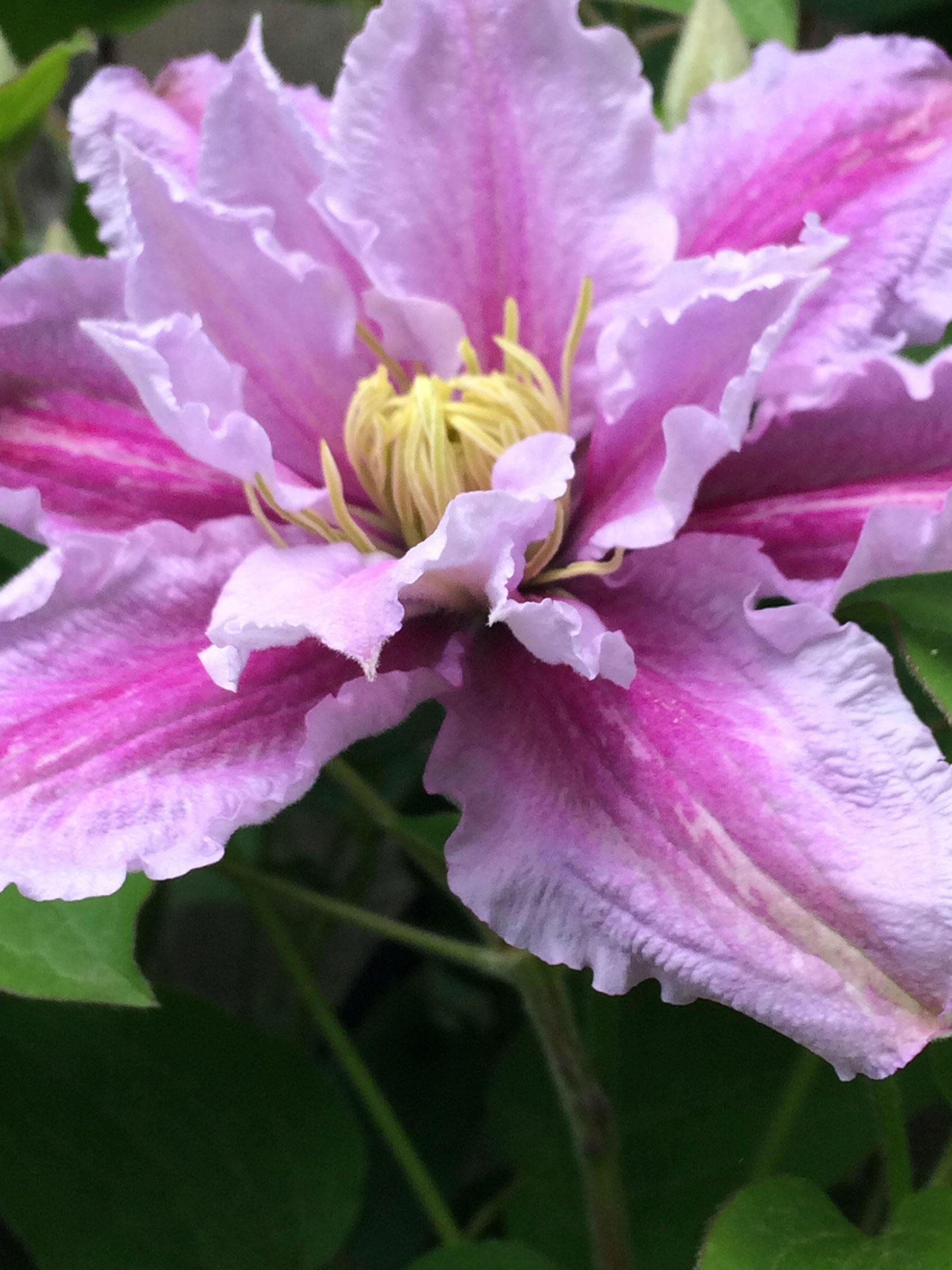
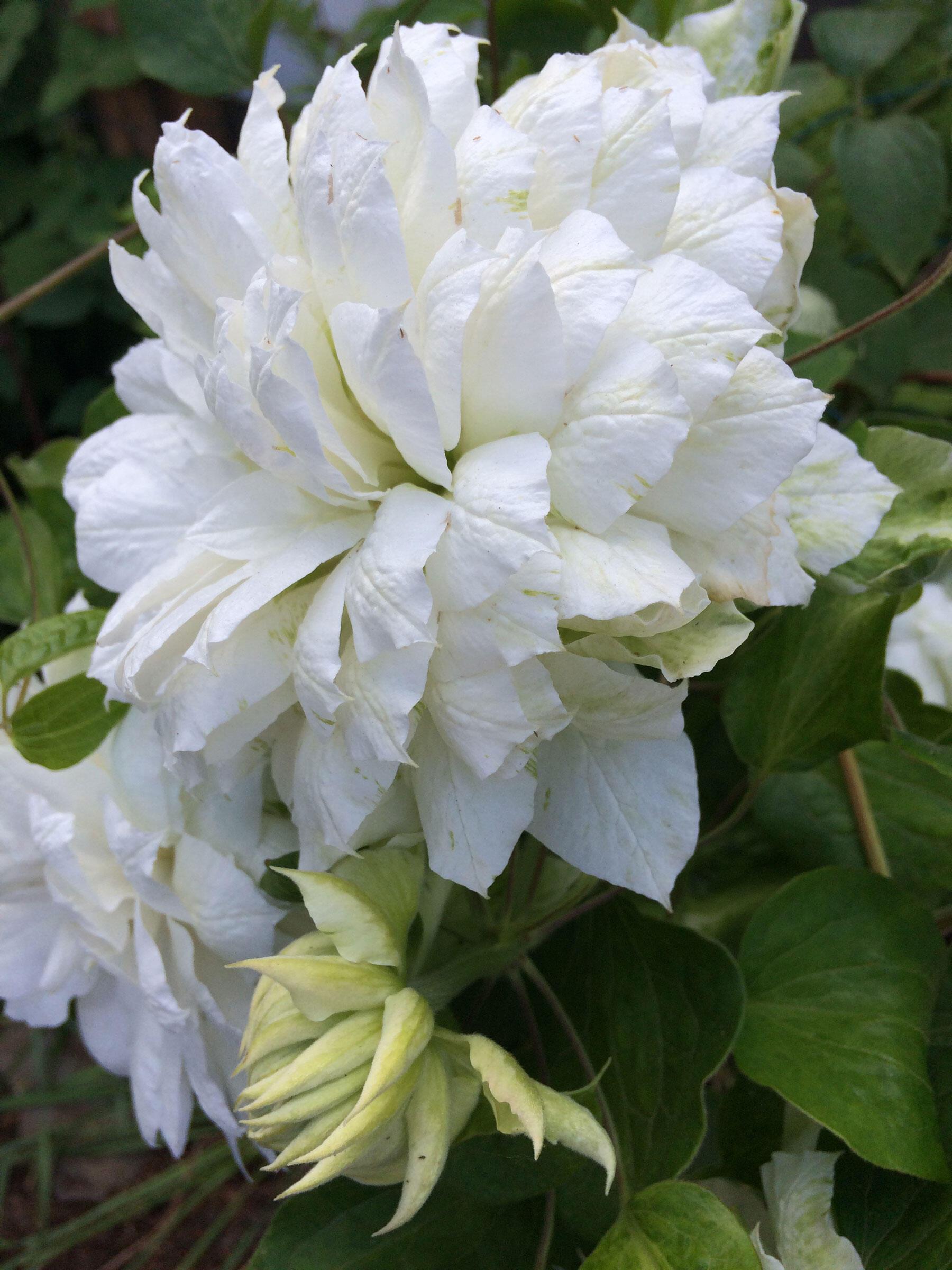
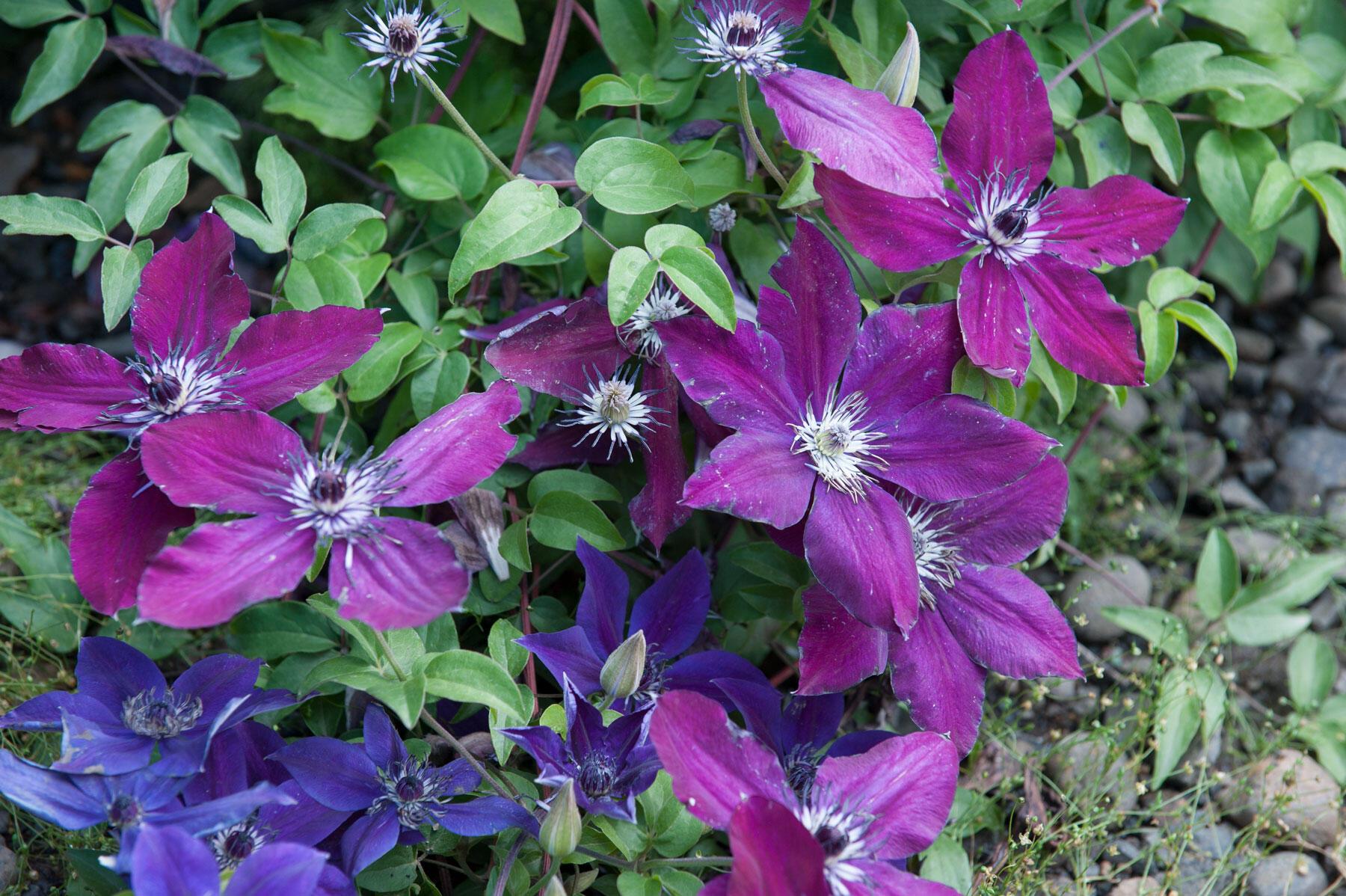
Clematis diversity is remarkable. Evergreen and deciduous types offer blooms in shades of purple, white, pink, yellow and sky blue. Flowers may be large and dramatic or small and fragrant; some vines bloom once per year, others twice.
- Deciduous clematis: Hardy in all Oregon climates.
- Evergreen clematis (e.g., Clematis armandii): Sensitive to cold; best in Western Oregon valleys and along the Oregon Coast.
With a good start and simple annual care, clematis vines can thrive for many years.
Previously titled Clematis climb into a special place in the garden