
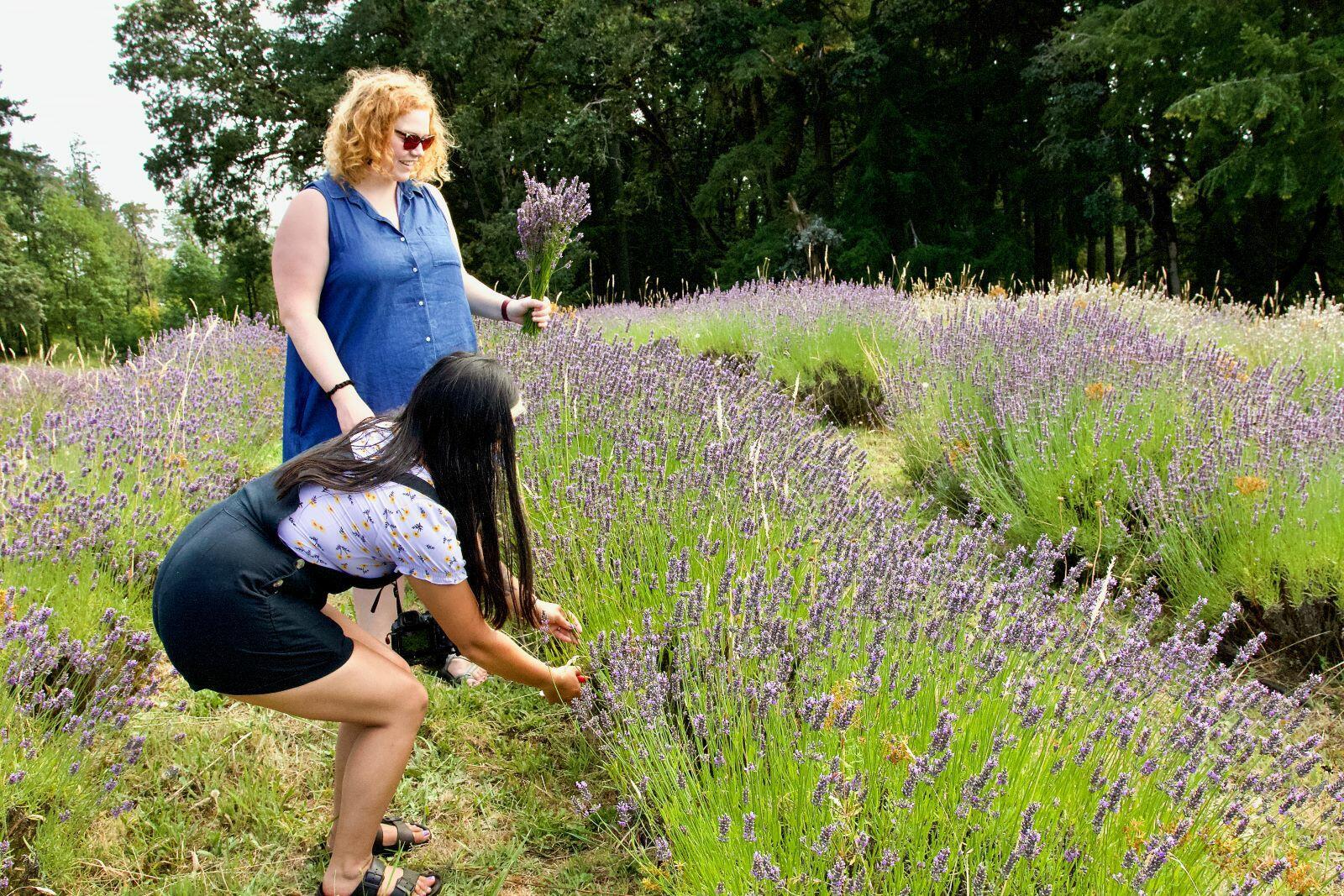
Opening a U-pick or cut on your farm can have many benefits, but also some challenges. This article will help you weigh the risk and rewards of having the visiting public onto your property for direct sales.
Benefits of U-pick or cut
There are benefits in incorporating U-pick into your farm business. Some of these may fit your goals more than others.
Engage directly with customers
Building a relationship with customers and your community can lead to sales and, hopefully, returning customers. Ultimately, it is about selling your farm’s products.
Reduce labor cost
As the cost of labor increases, farms are looking for alternatives to traditional harvesting. Having the public pick for you can save on those labor costs.
Price for consumers
Selling direct to the consumer allows you to charge retail prices for your farm product rather than selling it in wholesale markets or growing on contract.
Minimize transportation expense
Selling at your farm can cut down on costs and time, compared to other venues like farmers markets. Rather than harvesting and packing up everything you would need to sell at a booth, everything remains on your property. Some farmers prefer the U-pick model specifically for this reason.
Educate the public
Like with any on-farm activity, having your customers on the farm creates the opportunity for them to become more educated about your crop, your practices, and agriculture in general. Allowing customers to harvest produce themselves creates a valuable learning experience for both children and adults.
Things to consider before adding U-pick or cut
While the benefits may sound great, there are some things to consider before inviting the public onto your farm.
U-pick is outright allowable farm use in Oregon as stated in ORS 215.203. These means that you do not need any conditional use permits through the county to have the public out to pick. This is limited to the crops grown onsite and does not cover additional activities like tours or festivals.
You may need to invest in additional infrastructure to have visitors on your farm. Below is a list of some things to consider, although not all of them will be relevant to every operation or crop.
General considerations
Containers, buckets, clippers and so on: tools customers can use to harvest the crop.
Driveway and parking areas: do they need to be created or improved?
Portable toilets
It is nice to be able to offer your customers a place to use the bathroom. Portable toilets can be rented for a weekend, seasonally or year-round and do not put additional strain on your septic system. Whether you offer them or not, make sure this is communicated on your advertising platforms.
Signage
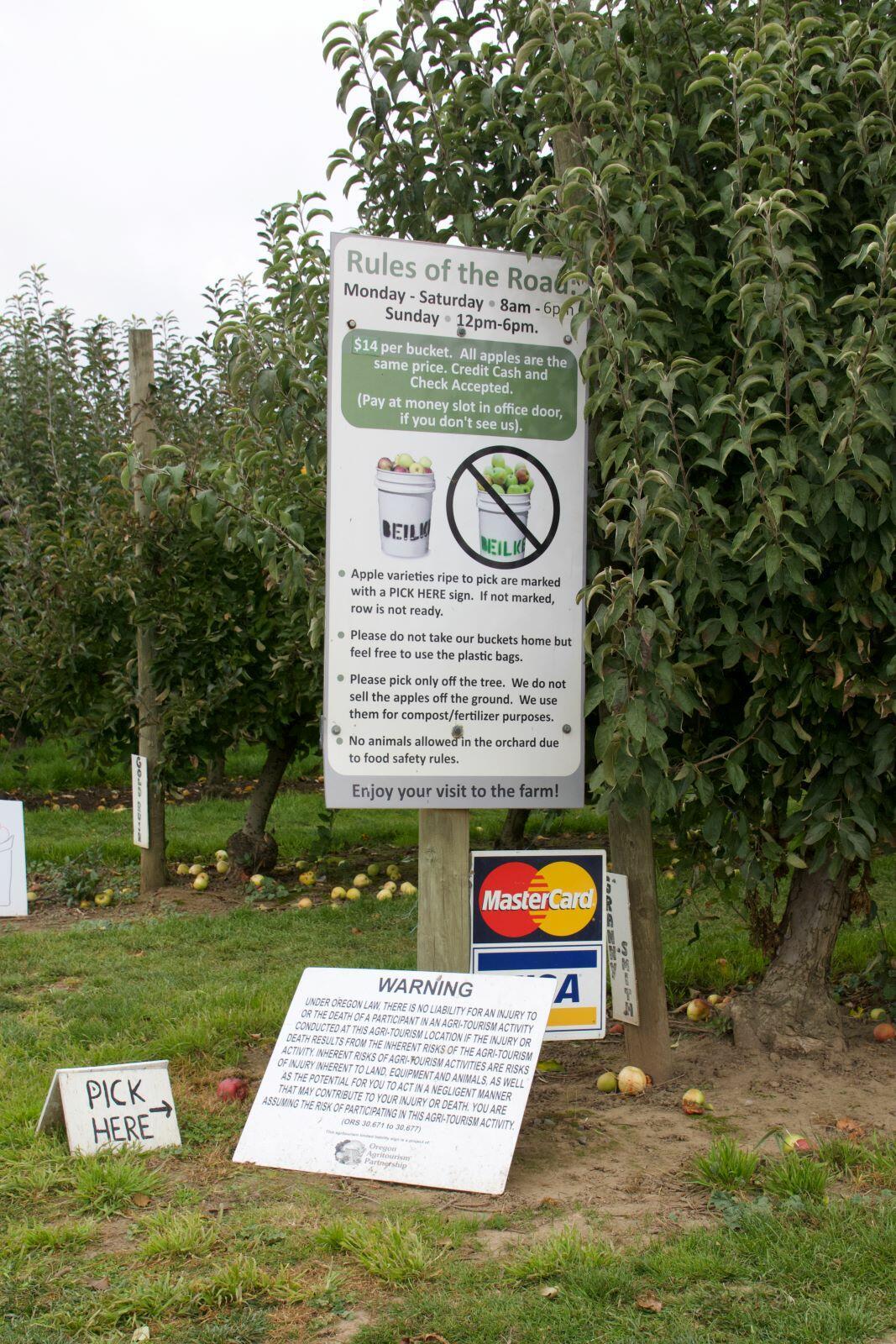
Clearly posted communication is both a customer service and safety asset. A sign at the public entrance to your farm is highly recommended, both for advertising purposes and to make sure the visitors enter the right place. Directional and parking signs can keep visitors where you want them and make them feel secure in their actions. Price and picking instructions can be communicated by signage. “Don’t pick here” or “Do not enter” signs can help keep visitors in certain areas of the farm, away from dangerous or private areas. Signs can be made by hand at lower cost, or printed professionally. With any sign, ensure clarity, visibility, and effective communication. For accessibility, use pictures or graphics in addition to text when you can.
Crop loss
Not every visitor will know how to pick or be respectful of your product. There may be some damage or theft that occurs. You will have to consider whether this is acceptable to you. Decide what your policies are and clearly communicate them. For example, are customers allowed to sample fruit while picking? If there is a certain way you wish the customer to harvest the crop, clearly communicate that as well through signs or verbally. For example, you or one of your staff members can give a quick demonstration on how to pick blueberries and how to tell which ones are ripe. Doing this can help mitigate some of the crop loss or damage.
Privacy loss
With any on-farm activity, there will be an inherent loss of privacy. This is one of the major things to consider when you are opening your farm. As a public-facing business, people will know your location. Visitors will show up after hours, stay after closing, and wander to areas you may not want them. You might even find them peeking in your house windows at some point. While these situations aren’t normal, it is something you and your family must be alright with. There are steps you can take to reduce these incidents, like signs or physical barriers, but they do not work in every case.

Units of sale
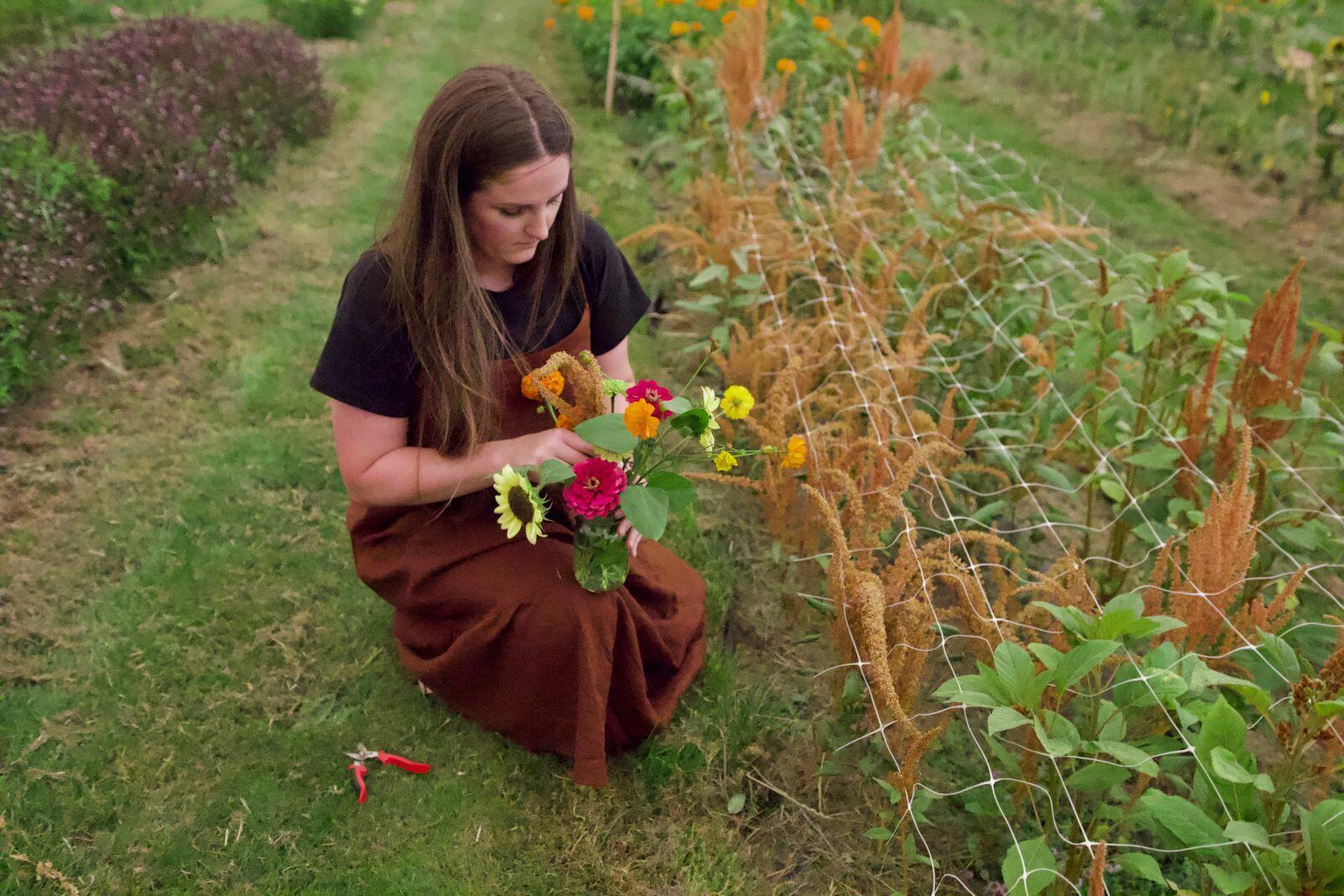
You also want to consider how you will sell your product. Will you be doing it by stem? Bunch? Container? Weight? For more information, see How to sell produce: by count, volume, or weight? If you are going to sell by weight, there are some additional guidelines you will need to follow including using a scale certified by the Oregon Department of Agriculture.
Managing risk
Having the appropriate insurance for a U-pick business is one of the most important tools for managing risk. Your general farm policy or liability umbrella policy may not cover allowing the visiting public onto your property. It is important you contact your insurance provider to see what your options are. If they do not offer a policy to cover these activities, find a provider that does. See Interview questions for deciding on an insurance agent for more information.
The safety of your visitors must be a top priority. There is a good chance that a portion of your customers have never been on a farm before and therefore lack knowledge about farming operations. Doing your part to keep them safe can go a long way toward reducing risk. Here are some safety topics to consider:
Hazards
Minimize hazards as much as possible. This means removing anything that could be a tripping hazard or sharp items such as scrap metal from public areas. Mark or rope off potentially dangerous areas such as large holes in the ground.
Ladders
Ladders can be a major hazard for U-pick operations. Guests can fall from them and some insurance providers won’t cover you if ladders are available for public use. Decide if this is a risk you are willing to take and whether it is something insurance will cover you for. If not, consider planting dwarf trees and keep them pruned so they can be picked mostly from the ground. You can always pick the higher-up fruit yourself with ladders during closed hours. Just make sure that if you have a no-ladder policy, all ladders are put away, out of reach of the public, to prevent unauthorized use.
Machinery
Be aware of your machinery. Keep tractors and other farm vehicles out of reach of your visitors. Make sure you are extra cautious when operating them in publicly accessible areas. Block off or cover open moving parts to machines, like gears or belts.
Livestock
Some operations are diversified and may have livestock onsite. Keep unsafe or sick animals out of the public’s reach. It may be necessary to move them to another location when you are open for business. Animals can be a great attraction for guests but require their own set of safety guidelines.
Paths
Keep walking paths clear and well-marked to guide guests to designated areas. Even though this is a working farm, try and keep walking areas as smooth as possible. Fix or fill in any holes as they appear. As it was stated earlier, the public may not be used to walking on rural lands and all the gopher holes that come with it.
Invite friends, offsite family members, or fellow farmers to walk around your property and share their observations. You see your operation day after day and sometimes you may not notice a potential hazard. Having a fresh set of eyes view the property will help you notice these things. Take note of what they point out, both the concerns and the positives.
On-farm safety checklists are available from the National Children’s Center for Rural and Agricultural Health and Safety to help you evaluate your own farm for visitors.
Oregon is one of several states that have passed an agritourism limited liability law. These laws afford farms and ranches some protection legally from incidents that are inherently related to farming and working lands. This law does not protect you from negligence nor does it take the place of insurance. For more information, see Oregon agritourism limited liability signs.
Other items to consider for guest safety and risk management:
Handwashing stations
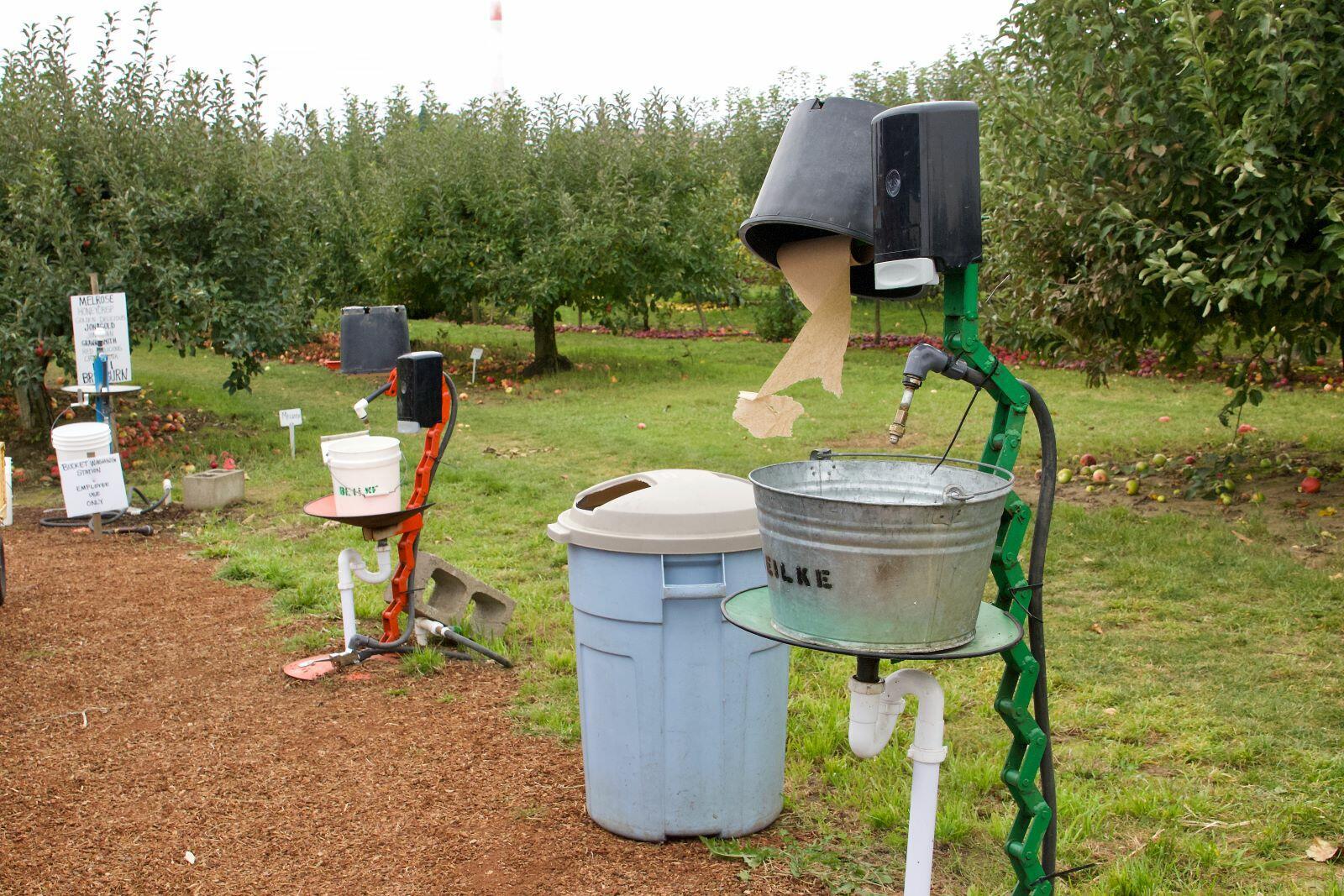
Having the ability for guests to sanitize their hands is important, especially if you have toilets onsite. You can rent portable handwashing stations with the portable toilets or make your own system. If neither of these is an option for you, think about providing hand sanitizer for your customers’ use.
First aid kits
Have first aid supplies on hand for guests. For crops that attract bees, it is also recommended to have bee sting kits easily accessible in case a customer is stung.
Accessibility
While working farms cannot provide the same level of accessibility as some businesses can, it is always good to look at your operation through this lens. Having a parking space or two near the picking area for those with mobility issues is recommended. If you are renting portable toilets, consider renting an ADA-compliant one.
Rest areas
If the temperatures are hot, consider putting up temporary shade areas for visitors to rest in. Add seating, even as simple as a folding chair or two, near the checkout area or along the path so visitors can sit if necessary.
Communication
Communicate risks and accommodations to the public through your website and advertising, so visitors know what to expect. For example, if it is a long walk from the parking area to the picking area, make sure that it is communicated ahead of time.
Additional staff and revenue considerations
Because you are adding another enterprise to your business, budgeting for the U-pick portion is something that requires planning. While this type of agritourism can be relatively low cost and requires fewer inputs compared to other activities, there may still be additional expenses. Ask yourself, “What are my goals of this U-pick?” Is it to generate more income? Is it to market your farm product and build customer connections? Likely, it is a mix of both.
Another important consideration is the staffing of the U-pick area. Who will oversee this area? Will it be staffed or unstaffed? If staffed, will that be by you or another family member, or will you need to hire additional personnel? If you are thinking of using a self-service model, determine how to communicate the checkout process and how customers will pay. Be aware that with no one there in person to oversee the area, there is the potential for theft. You will have to decide which options work best for your operation.
Marketing
Marketing your farm and spreading the word that you’re open for U-pick or U-cut is essential. There are many different marketing options to choose from and understanding where your customers are will help you determine where to give your focus. However, word of mouth remains one of the most powerful marketing tools. People are visiting and supporting businesses that family, friends or community members recommend. Ensuring that your current customers have a positive experience will significantly contribute to attracting new ones. Here are some other marketing ideas to consider:
Website
Owning and controlling your own digital presence is crucial. While social media can be a good tool, platforms may change or move behind a paywall. However, your website is something you fully own and control, allowing you to update as needed. There are many website options, ranging from free versions to paid WordPress sites. Choosing the best fit for your farm, available time and budget is a decision you'll need to make.
Google Business Profile
Google remains one of the primary ways customers discover businesses. Claiming and regularly updating your business profile is an effective way to improve your visibility on Google. This free and time-efficient tool lets potential customers see what you offer, where you're located, your hours (including temporary changes), reviews, product images, promotions and more. Need to claim your Google Business Profile? Read this guide.
Social media
Social media continues to be a strong way to connect with customers. It’s useful for sharing updates like “strawberries are two weeks behind” or “we are closing due to hot weather.” It also gives your followers a personal and inside look at you and your operation. Different platforms typically have users of different age demographics. Facebook users tend to be older than Instagram users on average. You’ll need to decide how much time and effort you or a staff member want to dedicate to social media — for some, it’s a major focus, while others use it minimally.
E-newsletters
Newsletters are a great way to keep customers informed. Those who subscribe tend to be your most engaged customers, making them worth the effort. Having a list is great for sending out updates and staying connected with customers. For more information, see Online marketing for agritourism businesses: Newsletters.
Print, radio and TV
Traditional media is still relevant! Advertising in local newspapers and posting flyers at local businesses is still a good way to let the community know you are open for U-pick. Depending on your budget and your customers' media habits, radio ads might also be a viable option.
Directories
There are different types of directories, including food and farm trails — and there is a good chance one covers your area. Directories can be digital or hard copy. See if there is an organization in your area that publishes one and consider getting listed.
Connecting with tourism
When you are ready for visitors, make sure to connect with your local tourism organization. This could be a Destination Management Organization (DMO) or a chamber of commerce. See what is in your area and reach out. Typically, tourism organizations are excited to work with and promote local farms and products.
About the authors


