Este contenido ha sido traducido automáticamente. El servicio de Extensión de Oregon State University (OSU) no garantiza la exactitud del texto traducido. Consulte la versión original en inglés para confirmar la información.
P: Over the last decade or so, we have noticed a change in crow behavior, at least in our neighborhood. When a crow was gleaning by the wayside on our local streets, they used to fly away as a car neared. Then, they ...
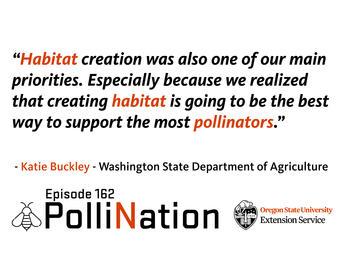
Dr. Buckley is the Pollinator Health Coordinator for the Washington State Department of Agriculture. She was the chair for Washington state’s Pollinator Health Task Force and leads WSDA's Pollinator Program. She coordinates on ...
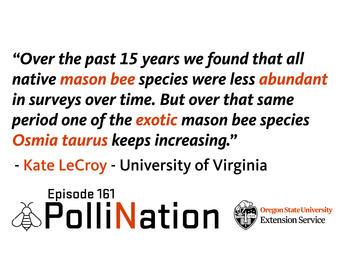
Kate LeCroy is a PhD Candidate at the University of Virginia studying mason bees (genus Osmia) with T'ai Roulston. Over the last three years, Kate has partnered closely with 200+ citizen science program participants to monitor ...
P: I have a big fig tree in my backyard. I have been removing all the fallen leaves this time of the year, as I was told that any dead leaves could give rise to increase in insects and plant diseases. I wonder, is ...
Farmers and ranchers new to pasture management in the Pacific Northwest can learn the basics of establishing and maintaining a productive pasture for their livestock.
Melissa Fery, David Hannaway, David Chaney, Maud Powell, Garry Stephenson |
Feb 2025 |
OSU Extension Catalog
Whether you’re growing hay for market or providing forage for livestock, a healthy pasture maintains soil health, produces high yields, excludes weeds and has a positive impact on the environment.
Clint Nichols, Gordon B. Jones |
Jan 2025 |
OSU Extension Catalog
El chinche apestoso marrón marmolado (Halyomorpha halys) es un insecto invasor y una amenaza muy grave para la agricultura de Oregon. Se alimenta de más de 100 plantas incluyendo plantas agrícolas y ornamentales...
Chris Hedstrom, Nik Wiman, Vaughn Walton, Peter Shearer, Silvia I. Rondon, Jana Lee |
Dec 2020 |
OSU Extension CatalogPeer reviewed (Gray level)