CORVALLIS, Ore. – A new, first-of-its-kind economic analysis finds that the annual economic impact of agritourism in Oregon’s Willamette Valley is nearly $1 billion.
“By researching agritourism’s economic effects on Oregon farms and our communities, this study explores how agritourism can diversify farming businesses."
The Oregon State University Extension Service and the OSU College of Agricultural Sciences produced An initial economic impact estimate of agritourism in Oregon’s Willamette Valley, which quantifies the economic effects of agritourism on the region’s farms and communities.
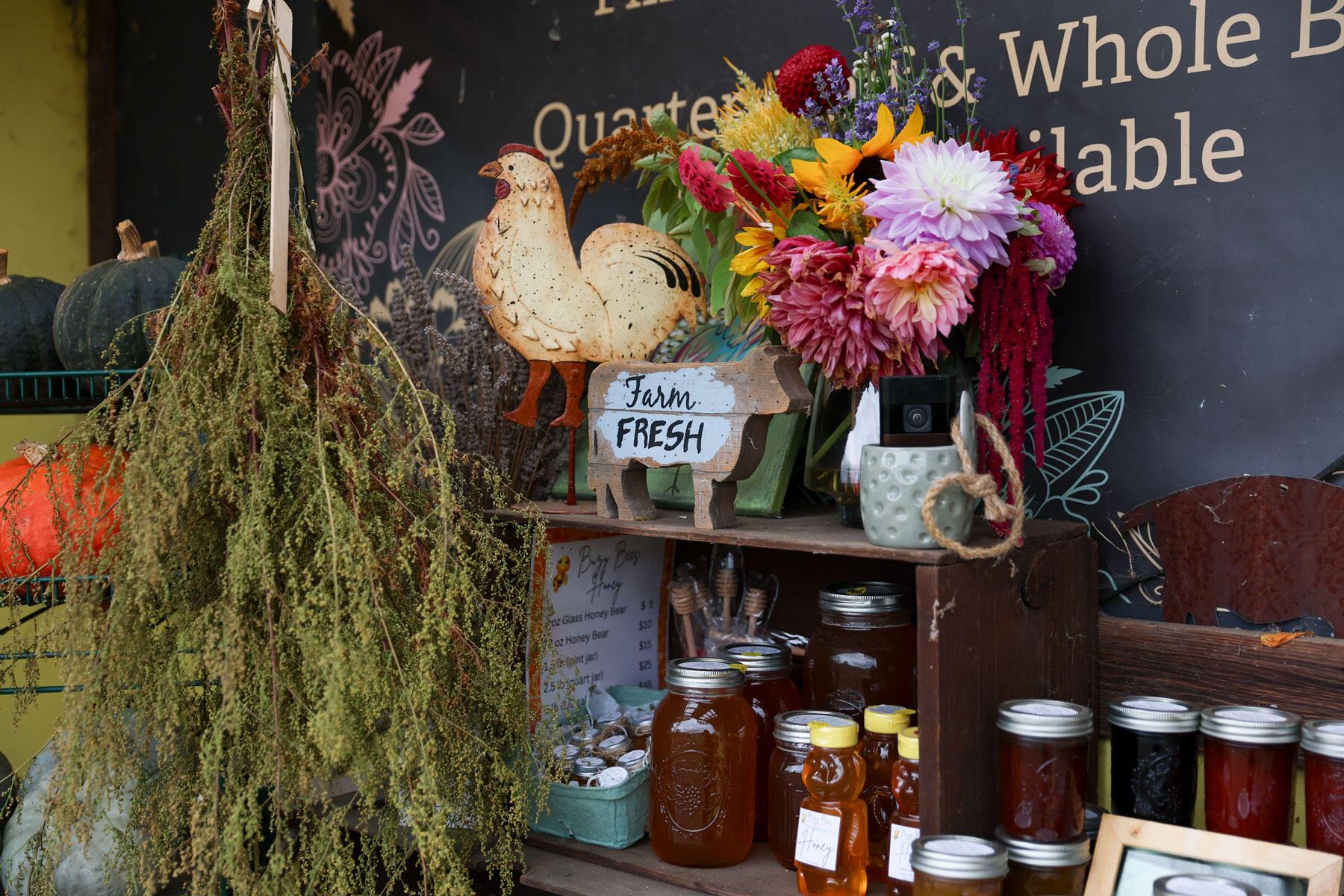
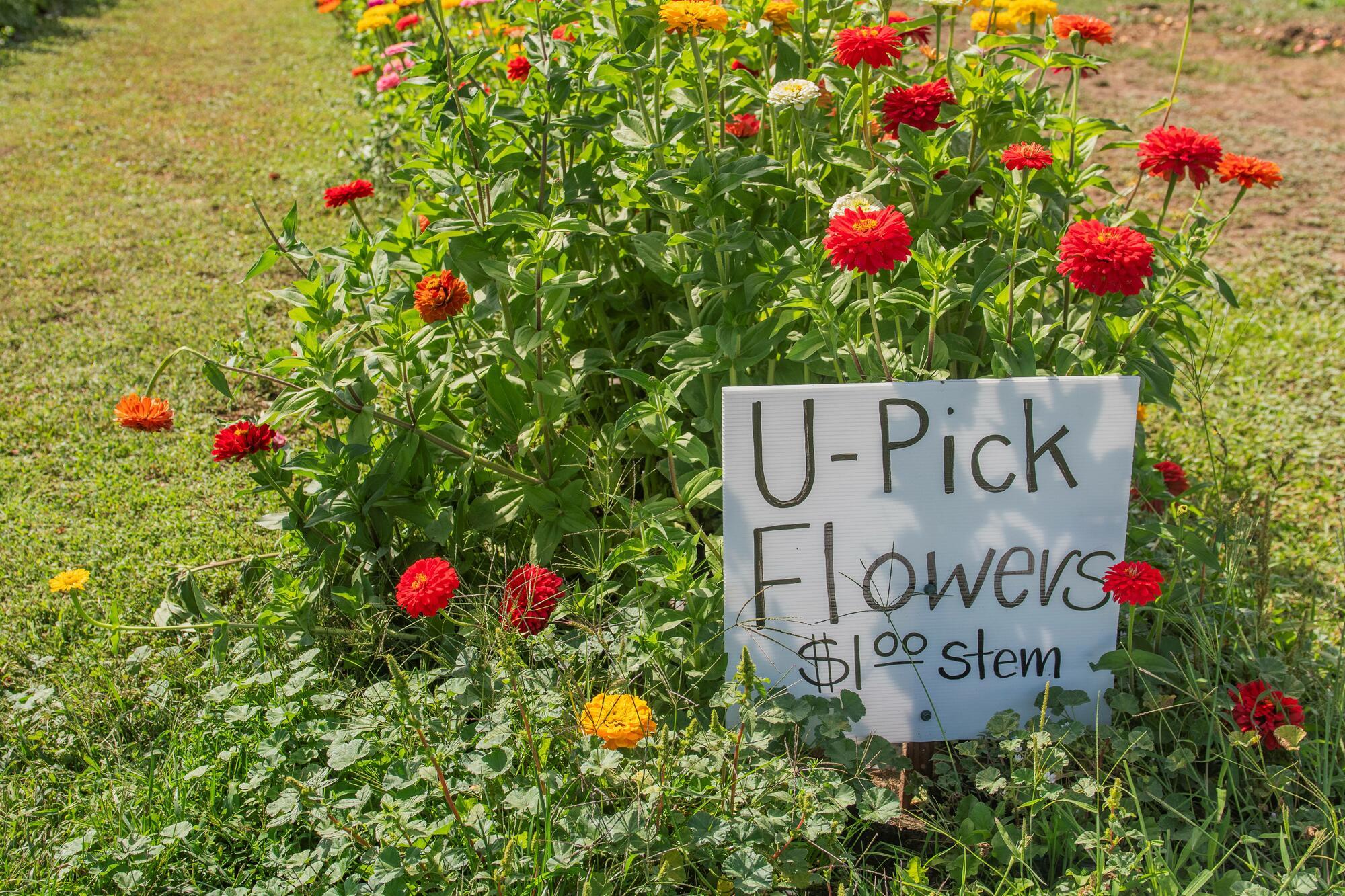
In agritourism, producers combine farming with aspects of tourism. Activities include farm-direct sales, education, entertainment, outdoor recreation and hospitality.
When the report’s co-authors totaled the economic effects of agritourism sales — spending by both daytime and overnight visitors — direct sales annually exceed $985 million. Value-added sales — sales minus outside supply or production costs — exceed $572 million.
“By researching agritourism’s economic effects on Oregon farms and our communities, this study explores how agritourism can diversify farming businesses,” the co-authors wrote. “Our goal is not to promote agritourism as an industry or suggest that any particular farm should adopt any specific agritourism practices. Rather, we aim to provide economic and other information that may shape and inform both current and future policy debates around agritourism.”
The study found that approximately 22% of the 18,679 farms in the region might be engaged in agritourism. It also found that agritourism supports approximately 9,000 on-farm jobs (full- and part-time) and contributes to approximately 2,000 jobs in rural and urban communities in the region.
Annual visitation was estimated between 3.7 million and 13.7 million people.
Where and how agritourism shows up
Findings are based on 162 farmer survey responses in 2023, U.S. Department of Agriculture Census of Agriculture data from 2017 and an economic modeling software program. The farms are in nine counties — Benton, Clackamas, Lane, Linn, Marion, Multnomah, Polk, Washington and Yamhill — and are mostly small to mid-sized by acreage.
According to the study, agritourism in the Willamette Valley is diverse, ranging from farm stands and u-pick to on-farm lodging and school visits. Based on survey responses, farmers offering agritourism might earn 50% of their gross revenues and 50% of their net revenues or profits from agritourism.
Survey participants overwhelmingly indicated that agritourism was important to their financial viability and to helping people learn the importance of farming.
The study’s co-authors are Bruce Sorte, professor emeritus in the Department of Applied Economics in the College of Agricultural Sciences; Audrey Comerford, Extension agritourism coordinator for Marion, Polk and Yamhill counties; and Melissa Fery, associate professor of practice in the OSU Extension Small Farms Program in Benton, Lane and Linn counties.
Previously titled New OSU study values annual economic impact of Willamette Valley agritourism at nearly $1 billion