CORVALLIS, Ore. — Cows that have experienced wolf attacks display physical signs associated with post-traumatic stress disorder (PTSD), according to a new study by Oregon State University.
“Wolf attacks create bad memories in the herd and cause a stress response known to result in decreased pregnancy rates, lighter calves and a greater likelihood of getting sick."
PTSD is a psychological condition that can develop after someone experiences a shocking, frightening or dangerous event. This is the first study to reveal PTSD-related biomarkers in cattle.
The findings were published in the Journal of Animal Science.
“Wolf attacks create bad memories in the herd and cause a stress response known to result in decreased pregnancy rates, lighter calves and a greater likelihood of getting sick,” said Reinaldo Cooke, animal scientist in Oregon State University’s College of Agricultural Sciences and lead author of the study.
Since gray wolves were reintroduced to Yellowstone National Park in the mid-1990s, they have dispersed throughout the West and into livestock grazing areas. Oregon’s wolf population has grown steadily since wolves migrated to northeast Oregon. The state visually documented 112 wolves by the end of 2016. Wolves west of U.S. 395, U.S. 95 and Oregon Route 78 are protected under the U.S. Endangered Species Act.
Ranchers’ reports backed by biological evidence
Oregon State researchers had previously heard reports from ranchers that cows exposed to wolves often ate less, were more aggressive and became ill more easily. In this study, researchers at the Eastern Oregon Agricultural Research Center in Burns exposed cows to a simulated wolf encounter and analyzed their blood and brain tissue for expression of genes linked to stress-related psychological conditions, including PTSD.
This research builds on a 2014 study led by Cooke that found cows exposed to wolves showed more fearful behavior, even when they had not been directly attacked. The new study confirmed the researchers’ hypothesis: certain biomarkers in the cows’ blood and brain cells matched those associated with PTSD in humans and other mammals. Similar research has been conducted in rodents exposed to potential predators.
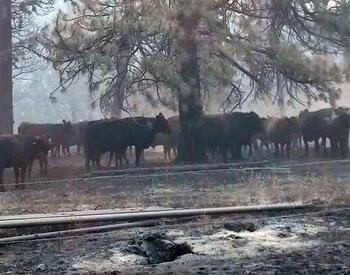
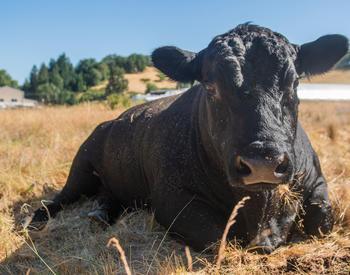
In the 2016 simulation, 20 Angus crossbred cows were exposed to a staged wolf encounter. Half were raised at the research center and had never encountered wolves. The other half were from a commercial herd in Idaho that had previously experienced wolf attacks on rangeland, although none had been directly attacked or injured.
The cows were kept in separate pens for 20 minutes, each scented with wolf urine and accompanied by pre-recorded wolf howls played through speakers. Outside the pens, three trained dogs — two German shepherds and one border collie–Alaskan malamute mix — walked nearby.
“The cows unfamiliar with wolves showed no signs of agitation and actually approached the dogs,” Cooke said. “They also didn’t show any biological signs of PTSD, according to the biomarkers we evaluated.”
Stress impacts herd health and ranching economics
Multiple studies by Cooke and other researchers have shown a link between stress in cattle and poor production outcomes, including lower pregnancy rates, reduced weight gain and higher disease risk. These traits can create significant financial challenges for ranchers.
The study’s authors emphasize the need for further research into strategies that allow for both predator conservation and livestock production to coexist successfully.
The study was funded by the Oregon Beef Council.
Previously titled Cows witnessing wolf attacks suffer PTSD-like symptoms, new research shows