Content by Dan Leavell


Oregon State University Extension Service

Fire FAQs — Who owns Oregon's forests, and how does that matter when it comes to fire?

© 2019 Oregon State University. Extension work is a cooperative program of Oregon State University, the U.S. Department of Agriculture, and Oregon counties. Oregon State University Extension Service offers educational programs, activities, and materials without discrimination on the basis of race, color, national origin, religion, sex, gender identity (including gender expression), sexual orientation, disability, age, marital status, familial/parental status, income derived from a public assistance program, political beliefs, genetic information, veteran’s status, reprisal or retaliation for prior civil rights activity. (Not all prohibited bases apply to all programs.)
Accessibility: This publication will be made available in an accessible alternative format upon request. Please contact [email protected] or 541-737-3311.
Oregon State University Extension Service
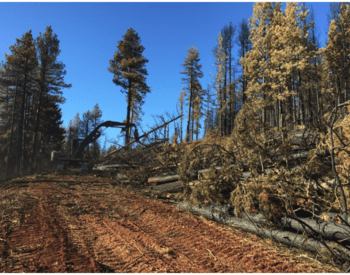
Fire FAQs—What is forest fuel, and what are fuel treatments?

© 2019 Oregon State University. Extension work is a cooperative program of Oregon State University, the U.S. Department of Agriculture, and Oregon counties. Oregon State University Extension Service offers educational programs, activities, and materials without discrimination on the basis of race, color, national origin, religion, sex, gender identity (including gender expression), sexual orientation, disability, age, marital status, familial/parental status, income derived from a public assistance program, political beliefs, genetic information, veteran’s status, reprisal or retaliation for prior civil rights activity. (Not all prohibited bases apply to all programs.)
Accessibility: This publication will be made available in an accessible alternative format upon request. Please contact [email protected] or 541-737-3311.
Oregon State University Extension Service
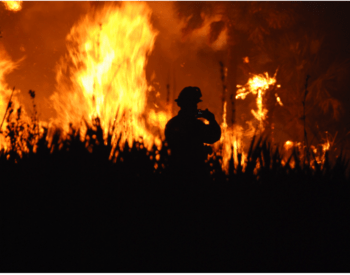
Fire FAQs—What is fire severity?

© 2018 Oregon State University. Extension work is a cooperative program of Oregon State University, the U.S. Department of Agriculture, and Oregon counties. Oregon State University Extension Service offers educational programs, activities, and materials without discrimination on the basis of race, color, national origin, religion, sex, gender identity (including gender expression), sexual orientation, disability, age, marital status, familial/parental status, income derived from a public assistance program, political beliefs, genetic information, veteran’s status, reprisal or retaliation for prior civil rights activity. (Not all prohibited bases apply to all programs.)
Accessibility: This publication will be made available in an accessible alternative format upon request. Please contact [email protected] or 541-737-3311.
A PNW Extension Publication

Planning and Implementing Cross-boundary, Landscape-scale Restoration and Wildfire Risk Reduction Projects
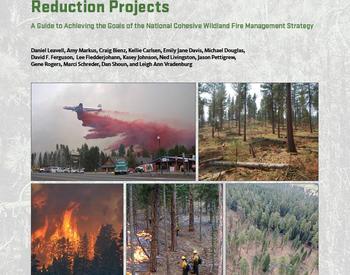
Readers can download the entire 117-page curriculum as a single PDF or access individual sections. The single-PDF version of the publication includes hyperlinks to all references and resources, and includes an interactive table of contents for easy navigation to specific sections.
© 2018 Published and distributed in furtherance of the Acts of Congress of May 8 and June 30, 1914, by the Oregon State University Extension Service, Washington State University Extension, University of Idaho Extension and the U.S. Department of Agriculture cooperating. The three participating Extension services offer educational programs, activities and materials without discrimination on the basis of race, color, national origin, religion, sex, gender identity (including gender expression), sexual orientation, disability, age, marital status, familial/ parental status, income derived from a public assistance program, political beliefs, genetic information, veteran’s status, reprisal or retaliation for prior civil rights activity. (Not all prohibited bases apply to all programs.)
Accessibility: This publication will be made available in an accessible alternative format upon request. Please contact [email protected] or 541-737-3311.