
Overview
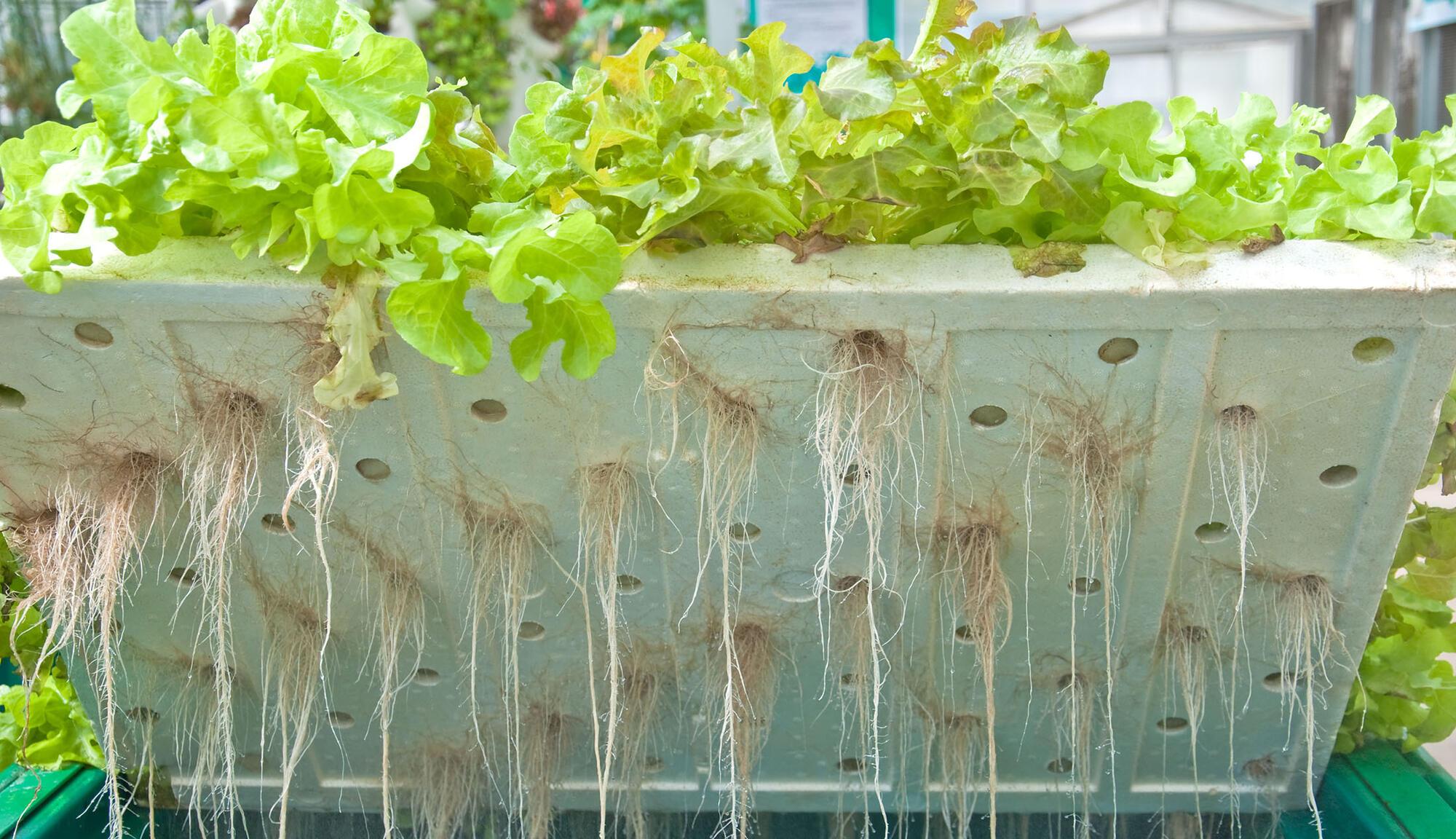
Deep water culture is an effective hydroponic system where plants grow with their roots submerged in a nutrient-rich water solution. By adding air pumps and air stones to ensure the water stays well-oxygenated, the DWC method builds on earlier, simpler hydroponic systems, such as those that grow plants in nutrient-rich water bottles. The plants are supported by a floating platform or net pots, allowing their roots to reach directly into a solution containing the nutrients they need. DWC is known for accelerating plant growth, making it a popular choice for quickly and efficiently growing leafy greens and herbs.
Regular monitoring and maintenance are essential to keep the system running smoothly, but the rewards are fast-growing, healthy plants.
The following tips about DWC hydroponics can help guide you in your efforts to grow without soil:

System overview
- Approachability for growers: DWC is an accessible hydroponic method that’s easy to understand and implement, making it ideal for both home growers, researchers and small greenhouse production systems.
- Water volume management: DWC systems use large volumes of water, which should be supported on the ground to handle the weight. While there's no strict limit to reservoir size, dividing it into multiple tanks can help manage potential leaks and localize any issues.
- Water surface coverage and gap minimization: To reduce evaporation and algae growth, cover the water surface with opaque materials and ensure the growing area matches the size of the floating rafts. Properly size reservoirs and rafts to minimize gaps, as algae thrive in wet, light-exposed environments with available nutrients.
- Thermal regulation: The large water volume in DWC systems acts as a thermal buffer, stabilizing water temperature fluctuations caused by day-night cycles or weather changes.
- Solution mixing: Ensure thorough mixing of the nutrient solution using strong inlet pumps or additional pumps within the reservoir to keep the solution well-homogenized.
- Aeration requirements: Given the minimal water movement and low air exchange, DWC systems require effective aeration. This can be achieved through air pumps and air stones or by using ozone injection systems.
Construction and setup
- Leveling reservoirs: Ensure that the bottom of production reservoirs is level (within one inch) to promote even water distribution and prevent uneven growth.
- Easy drainage: Install a bulkhead fitting and valve at the bottom of the DWC reservoir for convenient drainage of the nutrient solution.
- Harvest care: During harvest, be cautious to avoid nutrient solution dripping from plant roots onto other plants. The solution could potentially harm those still growing.
Plant management
- Hydroponic plant varieties: Select plant varieties that are well-suited to hydroponic systems to maximize growth efficiency and yield.
- Local plants: Choosing plant varieties suited to the local climate can help reduce energy costs for heating or cooling the system.
- Ventilation for density: Higher planting densities require robust ventilation to enhance nutrient uptake and reduce the risk of disease and fungal infections on plant leaves.
- Pest management: Regularly check for pests and diseases specific to hydroponic systems and implement appropriate measures to ensure healthy plant growth.
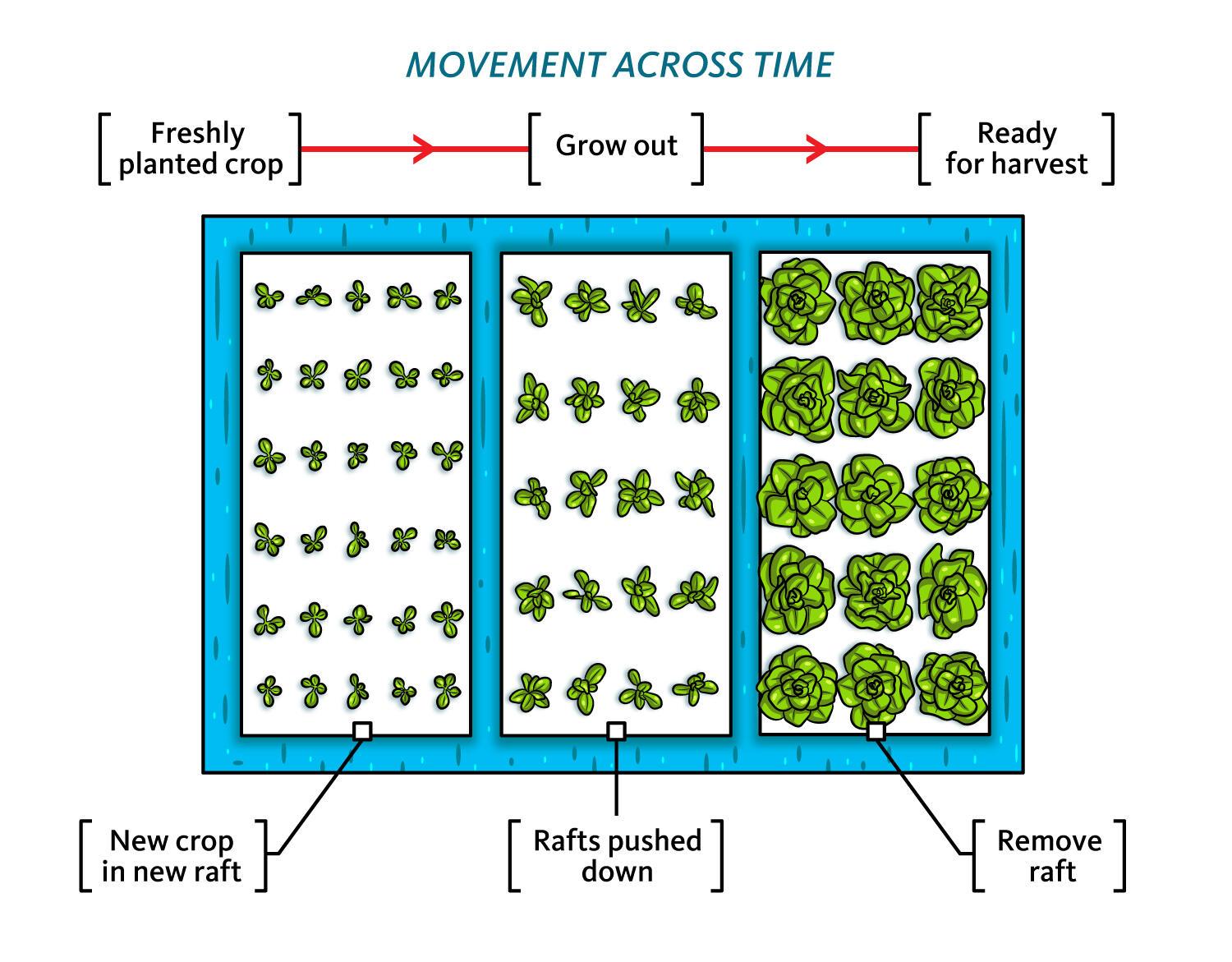
- Conveyor belt production: Position plants to start at one end of the reservoir and move them to the other end to allow for a ‘conveyor belt’ style of crop production. This setup can be adjusted based on the size and design of the system, provided you can access both ends for planting and harvesting.
- Regular maintenance: Emphasize the importance of regular checks on pH levels, nutrient concentrations and aeration equipment to maintain optimal conditions.
Common crops
- Lettuce: Quick-growing.
- Spinach: Thrives in nutrient-rich solutions and cool conditions.
- Kale: Robust and adaptable to hydroponic environments.
- Herbs: Basil, cilantro, mint and parsley are popular choices.


Related publications


