People from around the world visit Oregon to experience its natural beauty — yet many residents lack deeper ecological knowledge, like how animal, plant and insect interactions shape the state’s environments.
Certified naturalists contribute to public ecological education, support conservation efforts and strengthen public understanding of Oregon’s biodiversity.
Many community organizations and agencies lack the staff or budget to hire ecologists or manage consistent volunteer programs. That’s where Oregon State University Extension Service’s Oregon Naturalist program steps in. It trains and certifies volunteers to support community partners, helping them deliver natural history education, restoration, science and outreach.
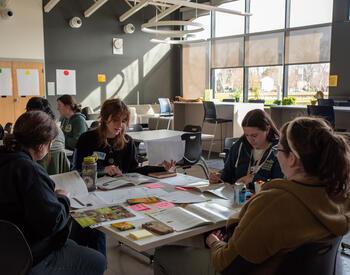
Trainees complete a two-step curriculum: first, an online statewide natural history course; second, a regionally specific, in-person field experience. Certification requires 40 hours of volunteer service, followed by 40 hours of service and eight hours of continuing education each year. Volunteer roles span community science, land stewardship, education and administrative support.
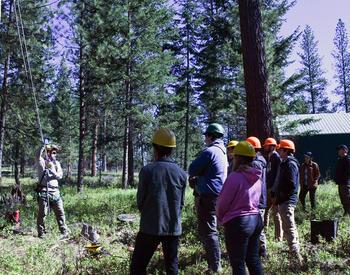
Many participants start with little experience. Statewide coordinator Jason O’Brien and Extension colleagues created a volunteer corps that connects trainees with partners such as the Oregon Department of Fish and Wildlife, High Desert Museum, Salem Audubon, Hood River Watershed Group and many land trust groups. Volunteers gain confidence through hands-on projects like riparian planting or teaching about beaver adaptations.
In 2022, the program piloted its first Mid‑Willamette Valley chapter, shifting toward a volunteer-led structure. Chapters support networking, leadership development and peer teaching — including hosting field course sessions for new trainees.
As of January 2024, participants reported 92,000 volunteer hours working with over 200 organizations, reaching more than 1.1 million Oregonians.
To date, 261 individuals have earned the Certified Oregon Naturalist designation. In 2022 alone, volunteers reported 7,416 service hours across 134 community partner organizations.
Certified naturalists contribute to public ecological education, support conservation efforts and strengthen public understanding of Oregon’s biodiversity. Their service enhances community capacity to care for natural resources and fosters a lasting connection between people and place.