Ocean acidification is a change in ocean chemistry caused by increasing levels of carbon dioxide in the atmosphere. As oceans absorb more carbon dioxide, less carbonate is available — a key ingredient marine organisms need to build shells.
This can result in fewer and smaller shellfish and has serious implications for marine ecosystems and the people who depend on them for food and income. One example is the near collapse of the West Coast oyster industry between 2007 and 2009.
While more than 90 educational resources about ocean acidification have been published since 2008, few focus on potential solutions. Many emphasize coral reef loss or shell dissolution, overlooking how students and communities can take action.
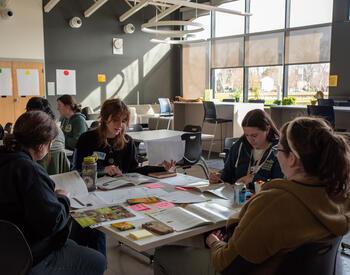
To fill that gap, Oregon Sea Grant Extension education staff partnered with Oregon State University graduate student Brian Erickson to co-create a solution-focused curriculum for high school students. The goal: to help students understand ocean acidification and explore ways to reduce its impact.
After interviewing researchers, reviewing materials, and testing lessons with teachers and more than 300 students, the team published a 140-page, five-lesson curriculum. The materials explain how ocean acidification affects shellfish and other marine organisms, use real scientific data, and include hands-on activities.
The curriculum also addresses common misconceptions and encourages student action.
It has been shared with more than 200 educators at regional and national conferences and downloaded over 200 times. It was also featured in The Science Teacher, the journal of the National Science Teaching Association.
By helping students understand both the science and the solutions, Oregon Sea Grant’s curriculum is building the next generation of ocean stewards.