
Birds
Birds
What is a bird?
Birds are animals with feathers, wings and beaks. Most can fly, but not all! They lay eggs and are warm-blooded, which means they can keep their body temperature steady. Birds are found all over the world, from city parks to mountain tops.
Oregon is one of the top 10 states in the U.S. for bird species diversity! This diversity is due to Oregon's many ecoregions and relatively mild winter weather, which make it an important wintering ground for migratory birds, especially waterfowl.
Learn more about birds
Wildlife viewing – birds (Oregon Department of Fish and Wildlife)
All About Birds (Cornell University)
- Anna's hummingbird
- Brown pelican
- Great blue heron
- Great gray owl
- Greater sage-grouse
- Peregrine falcon
- Pileated woodpecker
- Sandhill crane
- Trumpeter swan
- Turkey vulture
- Western bluebird
- Western meadowlark
Anna's hummingbird, Calypte anna
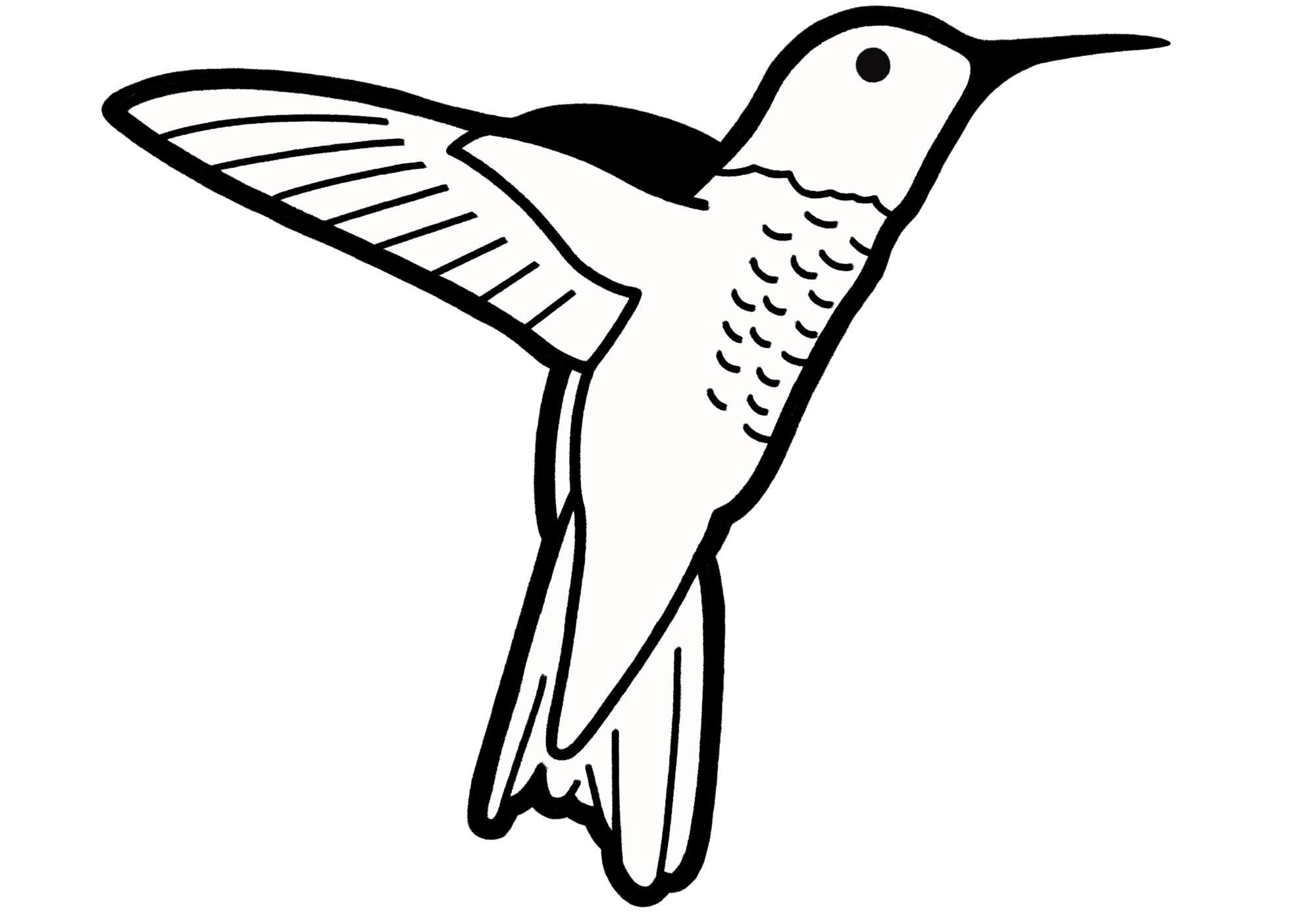
Anna’s hummingbirds stick around Oregon all year if they find nectar feeders or winter-blooming flowers. Their wings beat up to 80 times per second in a figure-eight motion allowing them to fly as fast as 30 miles per hour in all directions! They have long tongues to sip nectar and are important pollinators. They build their nests with soft plants and spider webs, which makes them hard to spot. The biggest hummer in Oregon, they're still only about 4 inches long and weigh about as much as a nickel. The iridescent reddish-pink throat feathers of the males make them easy to recognize. Females and immature males are less colorful: metallic green above and grayish below with a sprinkling of reddish-pink spotting on the throat.
Learn more about the Anna's hummingbird!
All About Birds, including sounds (Cornell University)
Brown pelican, Pelecanus occidentalis
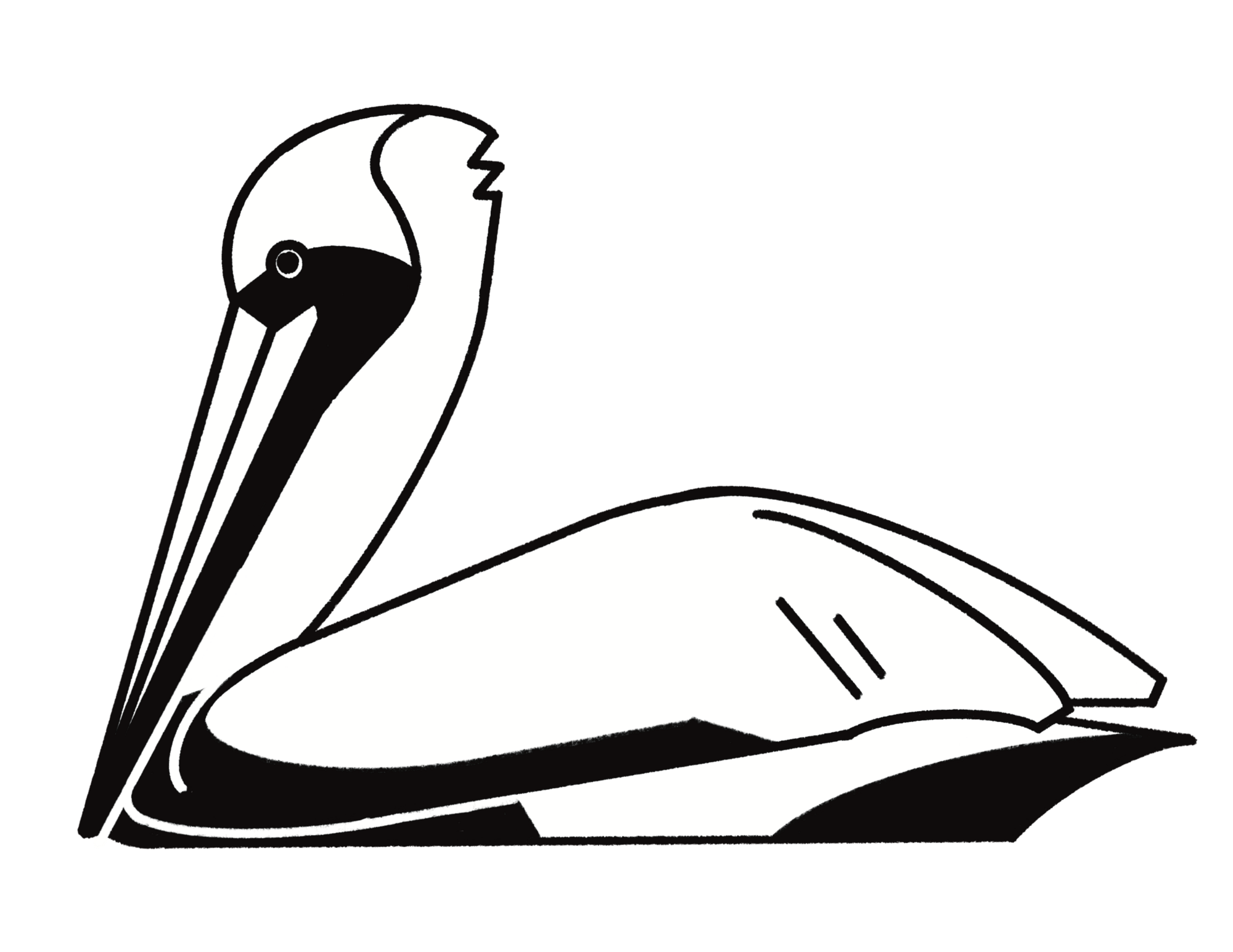
Brown pelicans are amazing divers, and this takes practice. Older birds are better at catching fish. Plunging into the ocean, they scoop up fish in their big throat pouch — which can hold up to three gallons of water! In the 1950s, a pesticide called DDT caused birds to lay eggs with thin shells that often broke before hatching. Thanks to better environmental laws, brown pelicans have made a big comeback. They’re an important indicator of the overall health of our coastal marine ecosystems and a great example of how people can help protect wildlife.
Learn more about the brown pelican!
All About Birds, including sounds (Cornell University)
Great blue heron, Ardea herodias
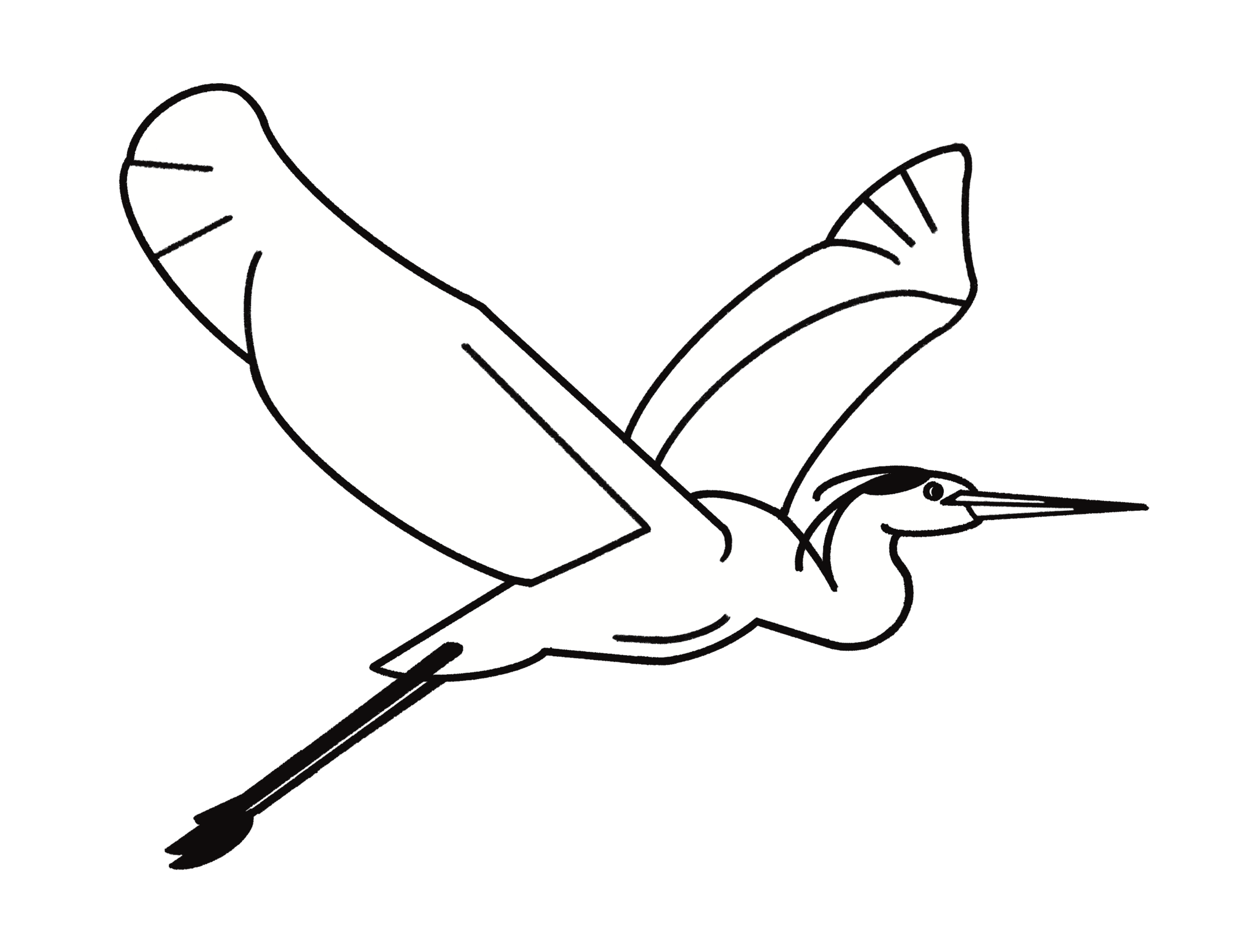
The largest heron in North America, these gentle giants stand perfectly still while watching for fish, gophers or other prey. Look for their gray body and white crown, cheeks and throat. Even though they’re tall, they only weigh about 5‒6 pounds because their bones are hollow! Did you know they have special neck bones that allow them to strike prey at “lightning fast” speeds?
Learn more about the great blue heron!
All About Birds, including sounds (Cornell University)
Great gray owl, Strix nebulosa
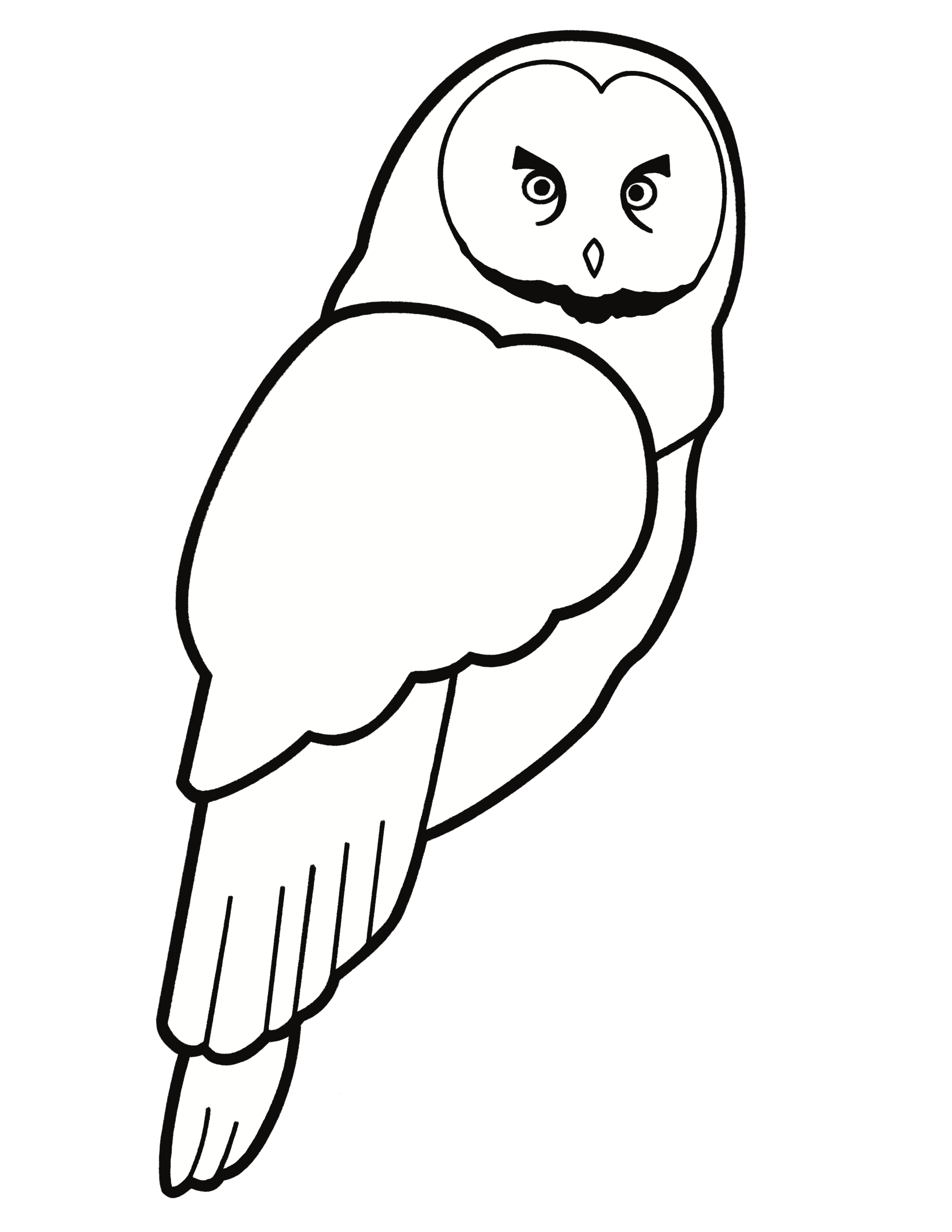
Even as the longest owl in the U.S. — up to 32 inches from head to tail — they only weigh about 2.5 pounds! They have super hearing: Uneven ear openings and a big, round face act like a sound radar, helping it find prey — even under snow! Special wing feathers let them fly without making a sound. To spot one, look for its bright yellow eyes. Great gray owls need old-growth forests for nesting and open grassy clearings for hunting. When forests disappear, so do these amazing owls — habitat loss is a threat to their survival.
Learn more about the great gray owl!
All About Birds, including sounds (Cornell University)
(Watch) Earl, the great gray owl (SMJ Falconry)
How does an owl fly so silently? (BBC Earth)
Greater sage-grouse, Centrocercus urophasianus
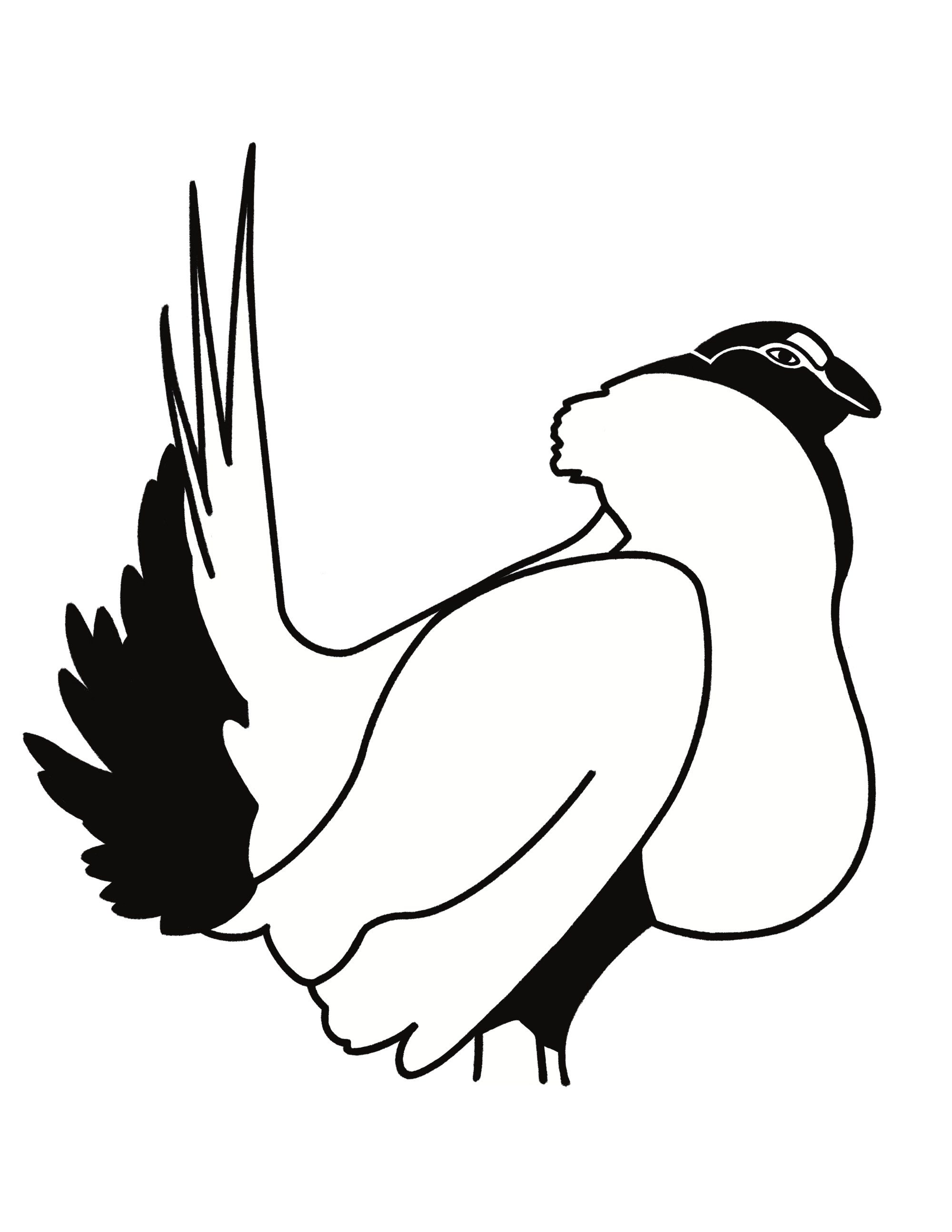
These birds can’t live without sagebrush — it’s their food and their home. Their numbers have dropped 60% in the last 60 years because they’re losing habitat. Male sage-grouse put on an epic show to impress the ladies. They puff up golden chest sacs, raise spiky tail feathers and flash bright yellow “eyebrows.” Then come the sound effects — whistles and pop-pop noises as they move their wings to release their air sacs.
Learn more about the greater sage-grouse!
All About Birds, including sounds (Cornell University)
(Watch) Sage-grouse mating dance
Sage-grouse mating dance (Oregon Field Guide)
(Watch) Sage-grouse tagging (OSU Extension Service)
Learn about OSU’s sagebrush habitat team (Oregon State University)
A writer and videographer tag along with an OSU doctoral student for a night of sage-grouse field research (Oregon State University)
What’s on the menu? Grouse groceries in areas with cheatgrass (OSU Extension)
Sage-grouse studies find mixed results from hunting restrictions in west (Oregon State University)
Game bird hunting (Oregon Department of Fish and Wildlife)
Peregrine falcon, Falco peregrinus
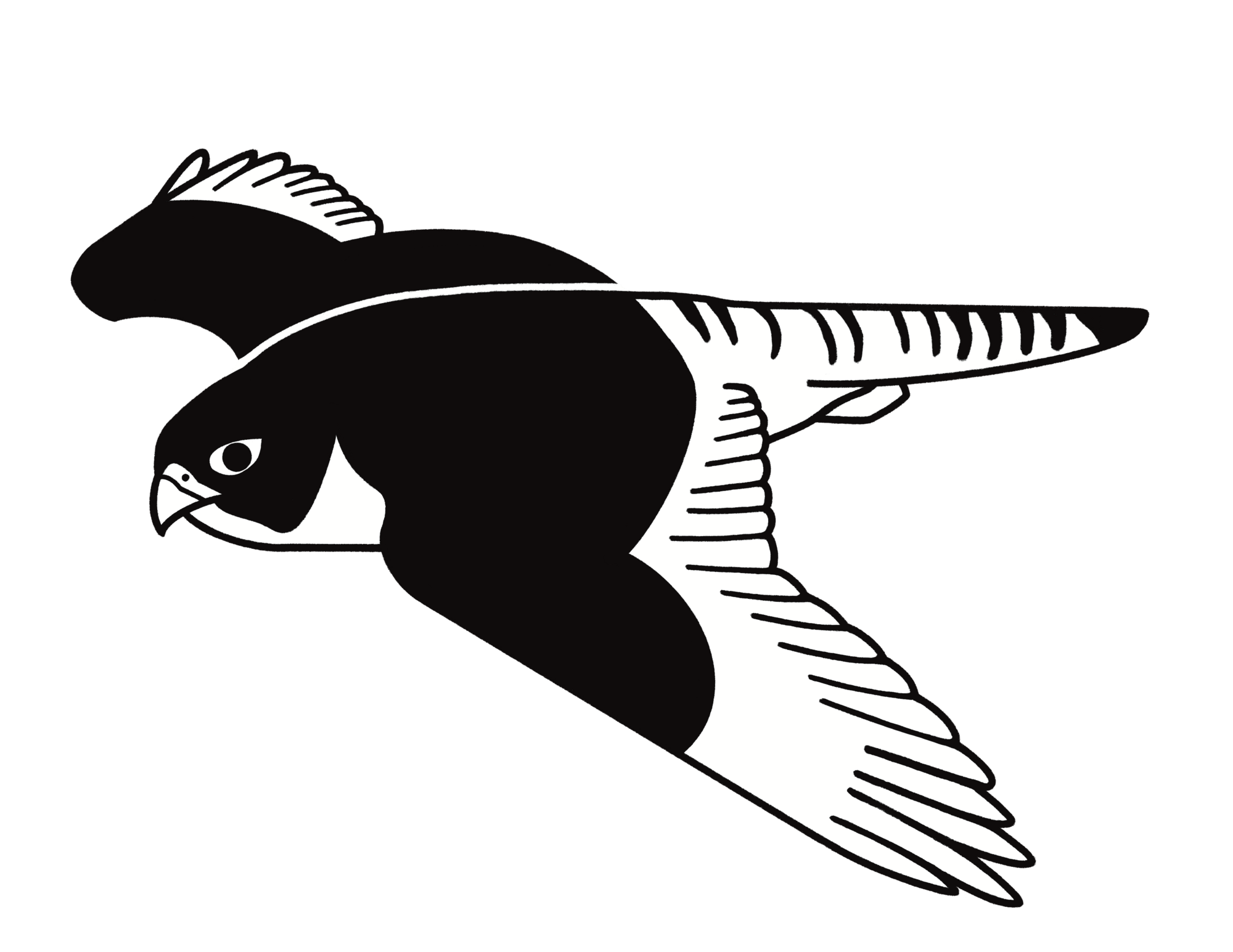
The peregrine falcon is Oregon’s state raptor. As the fastest animal on the planet, they’re built for speed. They can dive up to 240 miles per hour to catch prey — mainly other birds — in midair! A special bony bump in its nose helps control airflow so its lungs don’t burst at those high speeds. Peregrines nest on cliffs or tall buildings and live all across Oregon and most of the world. They mate for life and can live almost 20 years. As with most raptors, females are bigger than males and reach about 16 inches long with a wingspan of over 3 feet. As an apex predator, they play an important role in maintaining a balanced ecosystem.
Learn more about the peregrine falcon!
All About Birds, including sounds (Cornell University)
(Watch) Skydiving peregrine falcon (National Geographic)
(Watch) Meet Geoff: The world’s fastest animal (SMJ Falconry)
Pileated woodpecker, Dryocodpus pileatus
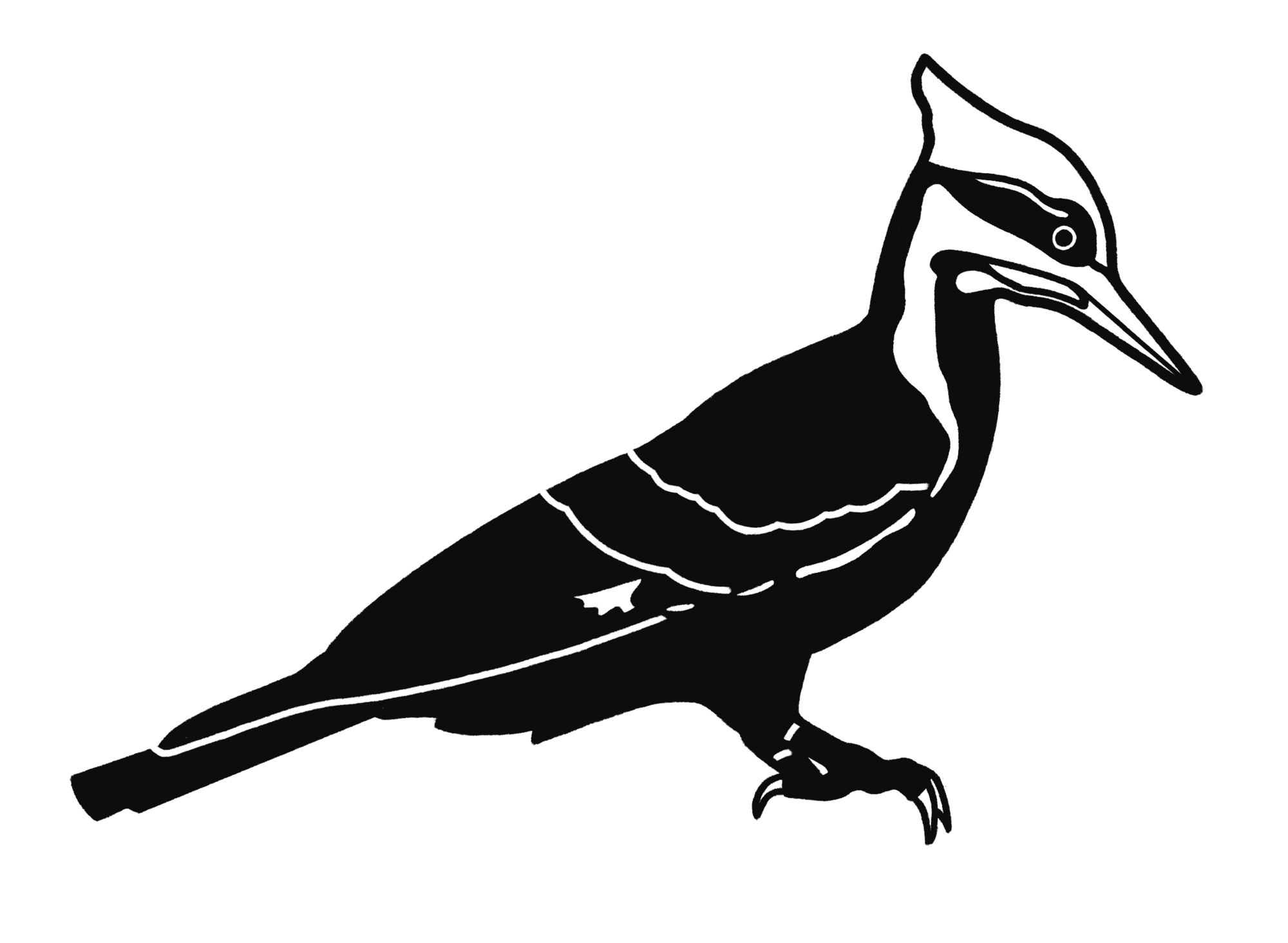
These are the largest woodpeckers in North America! Their red crest and bold white stripes against their black feathers make them easy to identify. They need large trees and snags for nesting, roosting and finding food — primarily insects like ants — with their long, barbed, sticky tongues. Their powerful beaks also carve out nesting holes that other forest animals use later on. That makes them important helpers in the forest ecosystem!
Learn more about the pileated woodpecker!
All About Birds, including sounds (Cornell University)
Sandhill crane, Antigone canadensis
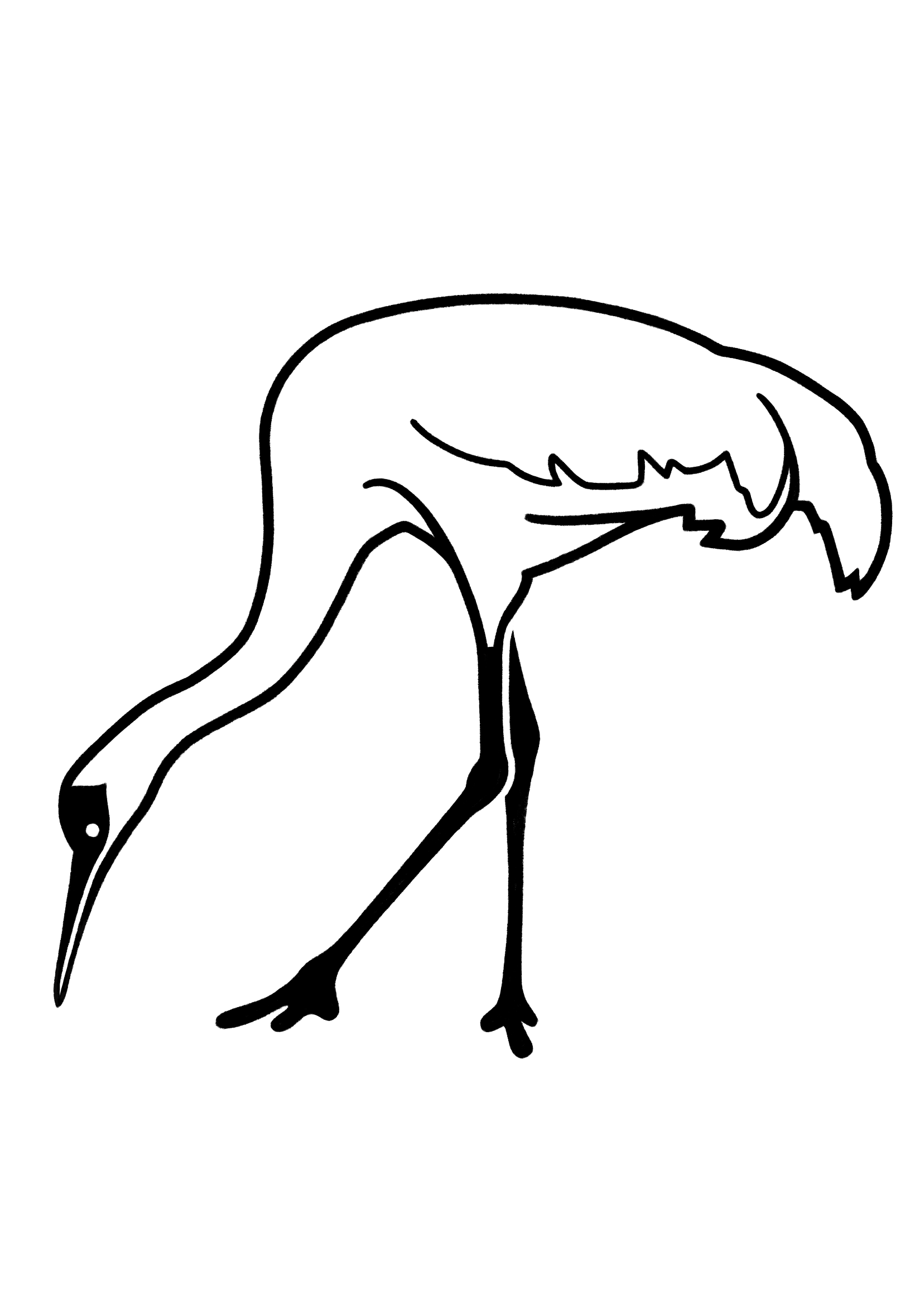
The Sandhill crane is Oregon’s tallest bird — nearly five feet tall with a wingspan over six feet. They live for several decades, mate for life and care for their young throughout their first year of life. These graceful birds have gray bodies, red crowns and white cheek patches. They live in marshy-meadows and wetlands where they can nest and forage for seeds and insects. In Oregon, they breed mostly in the southeast and central parts of the state, especially at Malheur National Wildlife Refuge.
Learn more about the sandhill crane!
All About Birds, including sounds (Cornell University)
Trumpeter swan, Cygnus buccinator
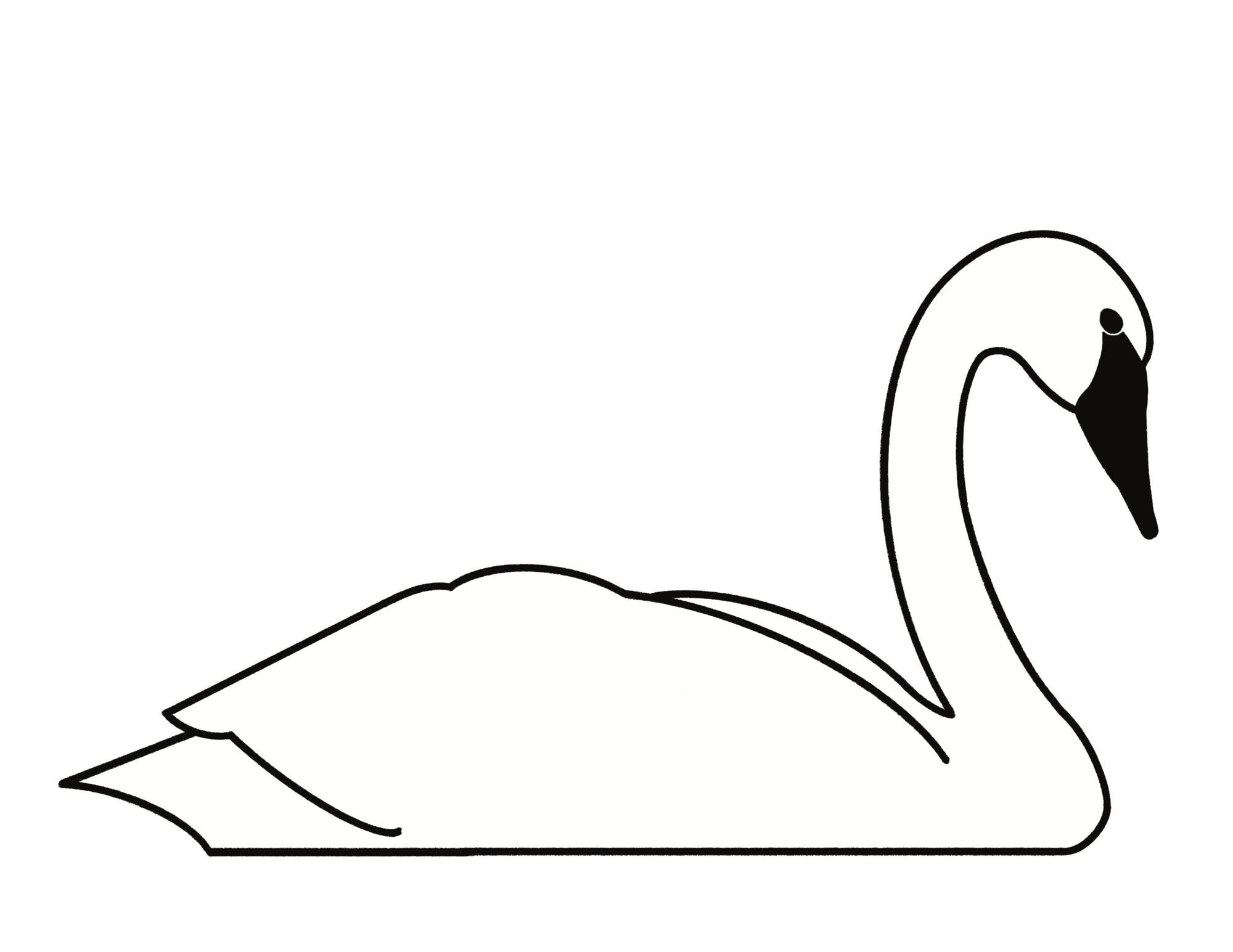
The Trumpeter swan is the largest water bird in North America — and likely the world! They have a wingspan of up to eight feet and weigh more than 25 pounds. Due to their size, they need a 100-yard "runway" of open water to take off! Trumpeter swans usually stay with one mate for life. These swans were once hunted nearly to extinction for their feathers, meat and skin. While populations have rebounded nationally due to conservation efforts, they remain vulnerable to habitat loss in Oregon.
Learn more about the trumpeter swan!
All About Birds, including sounds (Cornell University)
(Watch) Swan takeoff (Public Broadcasting Service)
Turkey vulture, Cathartes aura
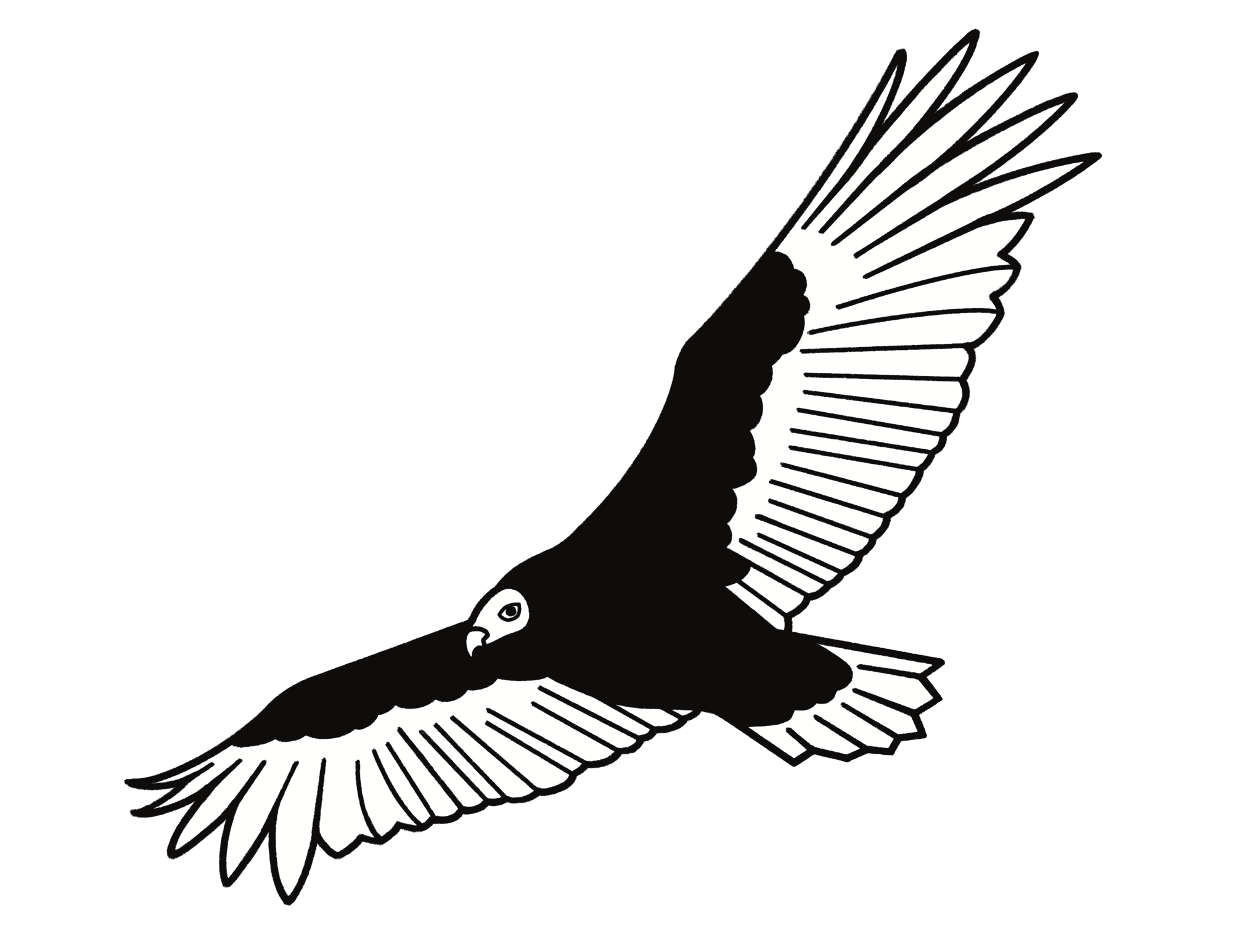
These birds are nature’s clean-up crew! They play important roles in the ecosystem, including preventing the spread of disease. Turkey vultures are easy to spot riding air thermals (a warm upward-moving current of air) with their dark feathers, pale beak and bald red head. Their extremely strong sense of smell helps them find dead animals to eat. If threatened, they may vomit a substance that stings the eyes and face of predators. Did you know they migrate? They head south for the winter and arrive back in Oregon in the spring.
Learn more about the turkey vulture!
All About Birds, including sounds (Cornell University)
Western bluebird, Sialia mexicana
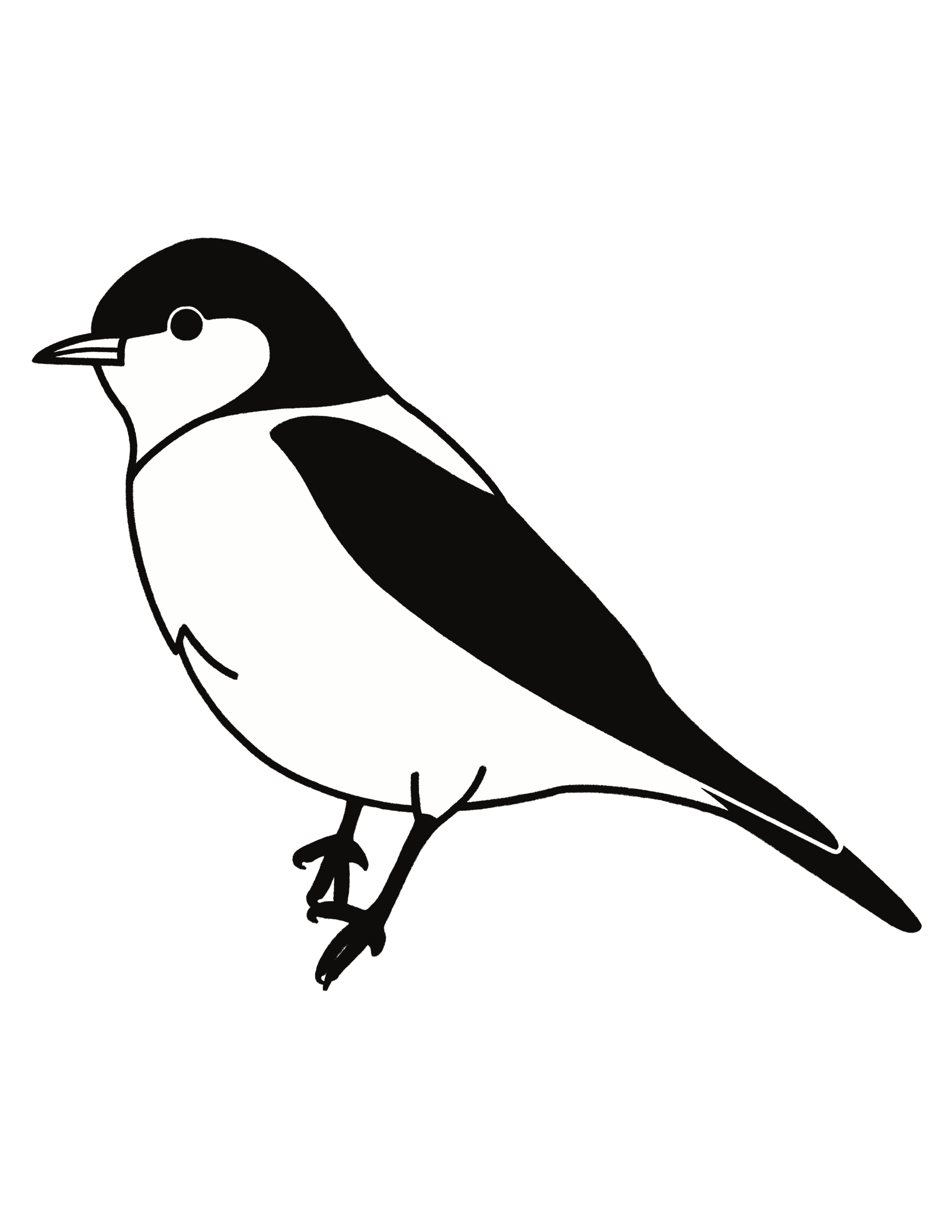
Can you imagine eating bugs and berries and living in a cozy tree hole made by another bird? That’s life for the Western bluebird! These birds need plenty of insects nearby to stay happy and healthy. Spot the males with their bright deep blue feathers with a splash of rusty orange on their chest. The females have softer colors — pale blue and gray. In winter, bluebirds hang out in flocks and snack on mistletoe berries. Western bluebirds were once hard to find, but their numbers are bouncing back thanks to people putting up nesting boxes. Want to help? Build a bluebird box and give these beauties a home!
Learn more about the Western bluebird!
All About Birds, including sounds (Cornell University)
Western bluebird – Why they need our help (OSU Extension)
Build a nesting box for bluebirds (Cornell Lab)
Western meadowlark, Sturnella neglecta
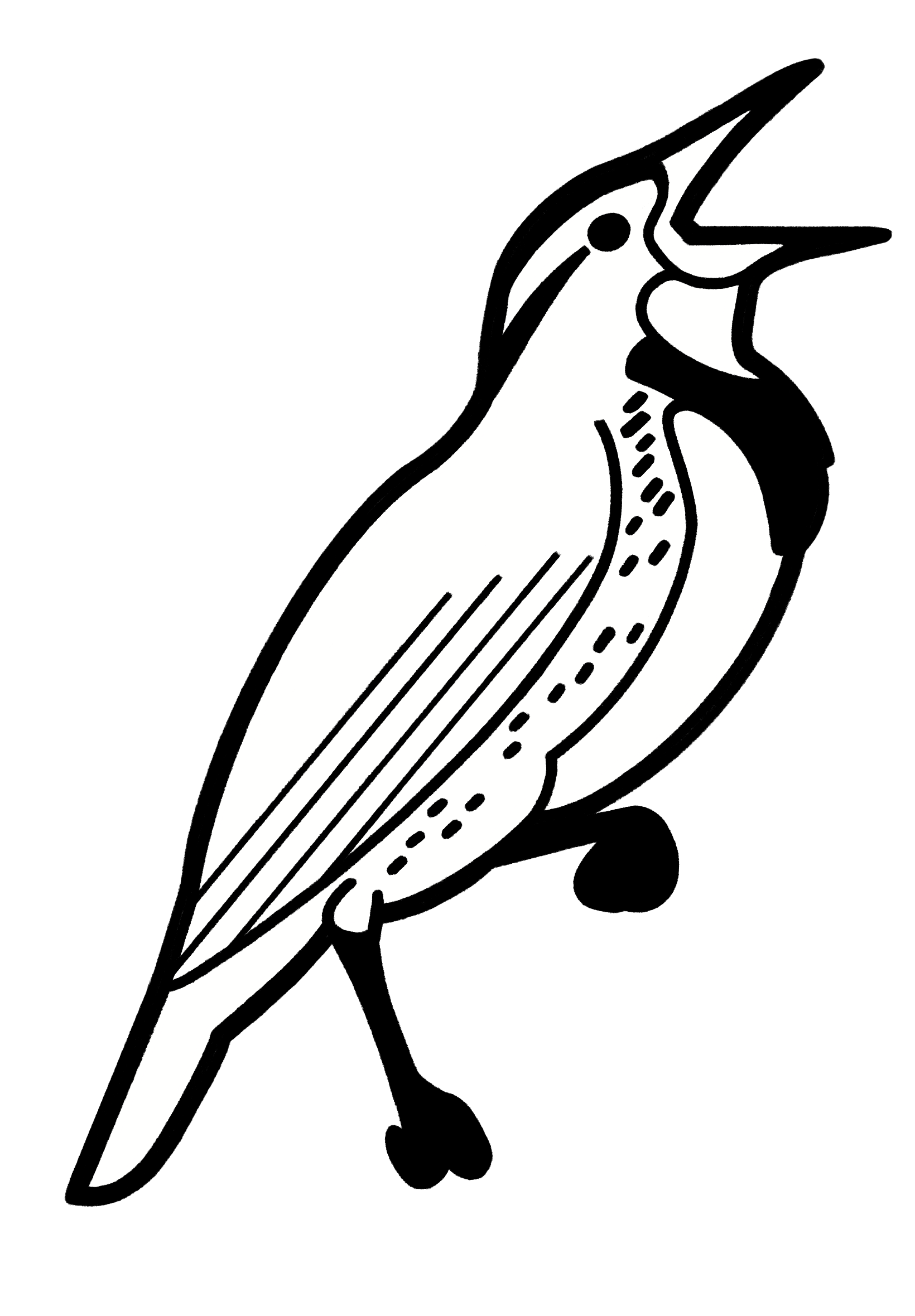
The western meadowlark is Oregon’s state songbird and is known for its bright yellow chest with a bold black “V.” They prefer native grasslands and prairies to nest and find food. Meadowlarks build their nests on the ground, so they’re at risk from predators like raccoons and pets — and even from mowing and other human activity. While they’re doing well in Eastern Oregon, they’re a conservation concern in Oregon’s Willamette Valley where much of their habitat has been transformed by humans. Their lovely song is described as flute-like.
Learn more about the Western meadowlark!
All About Birds, including sounds (Cornell University)
Will Your State Bird Disappear? (Earth Island)