
Invertebrates
Invertebrates
What is an invertebrate?
It’s an animal without a backbone, or any bones at all! Invertebrates include bugs, jellyfish, spiders, snails, worms and many more. They make up more than 90% of all animal species on Earth!
Learn more about invertebrates
- Columbia clubtail dragonfly
- Fender’s blue butterfly
- Giant Pacific octopus
- Goldenrod crab spider
- Oregon swallowtail butterfly
- Pacific banana slug
- Sunflower sea star
- Ponderous borer beetle
Columbia clubtail dragonfly, Gomphurus lynnae
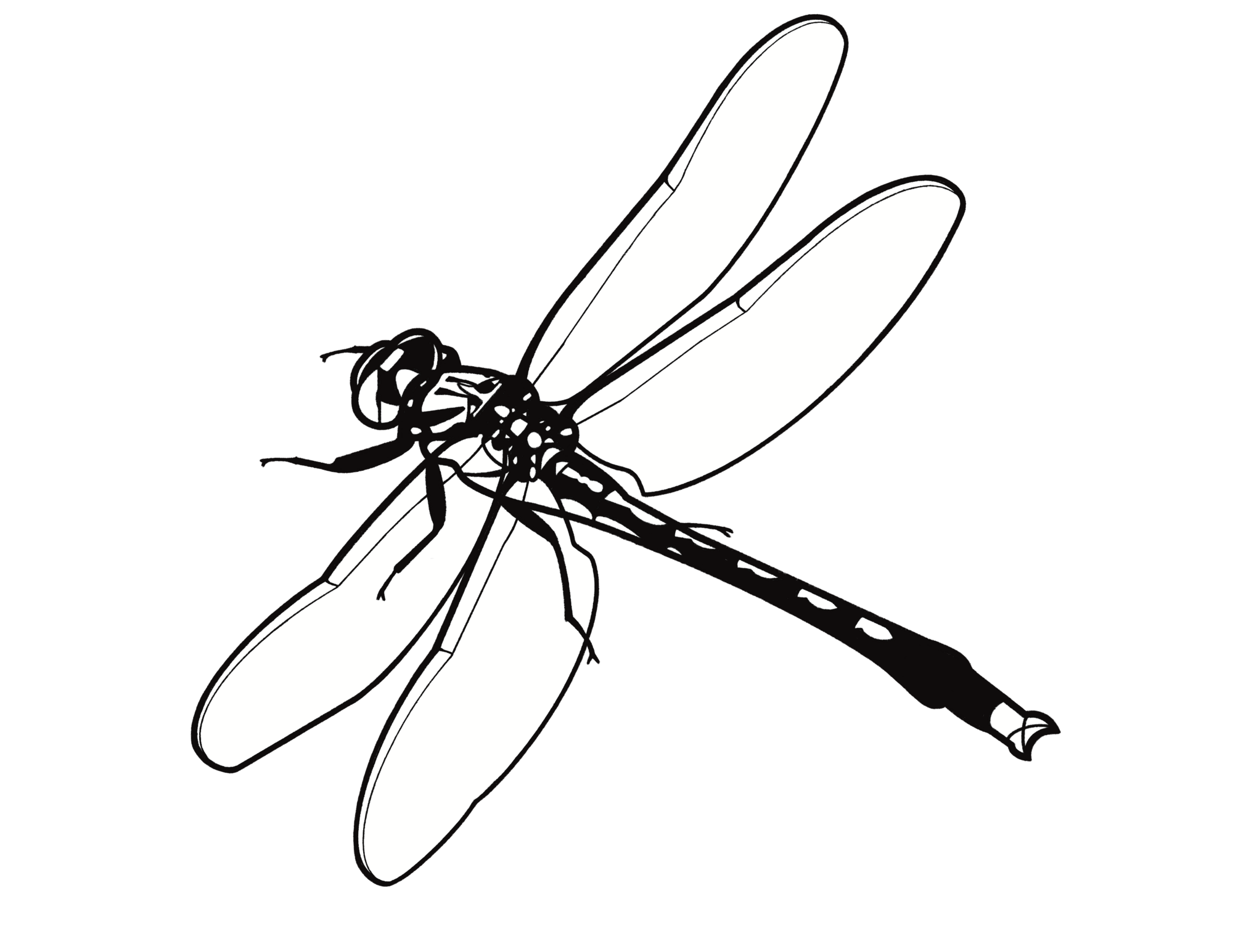
Dragonflies are some of the oldest insects in the world. More than 80 species live in Oregon, but the clubtail is one of the rarest. You can spot them by their thick, club-shaped tail, blue eyes and yellow markings. Young ones live as larvae in the water, which is where they spend most of their lives. Adult clubtails catch prey like butterflies and moths while flying through the air. They live in only a few places in Oregon along three slow-moving rivers that wind through Oregon’s high desert. Their survival is threatened by loss of habitat, poor water quality and invasive species.
Learn more about the Columbia clubtail dragonfly!
Species spotlight (Oregon Natural Desert Association)
Deep dive (NatureServe Explorer)
Fender’s blue butterfly, Icaricia icariodes fender
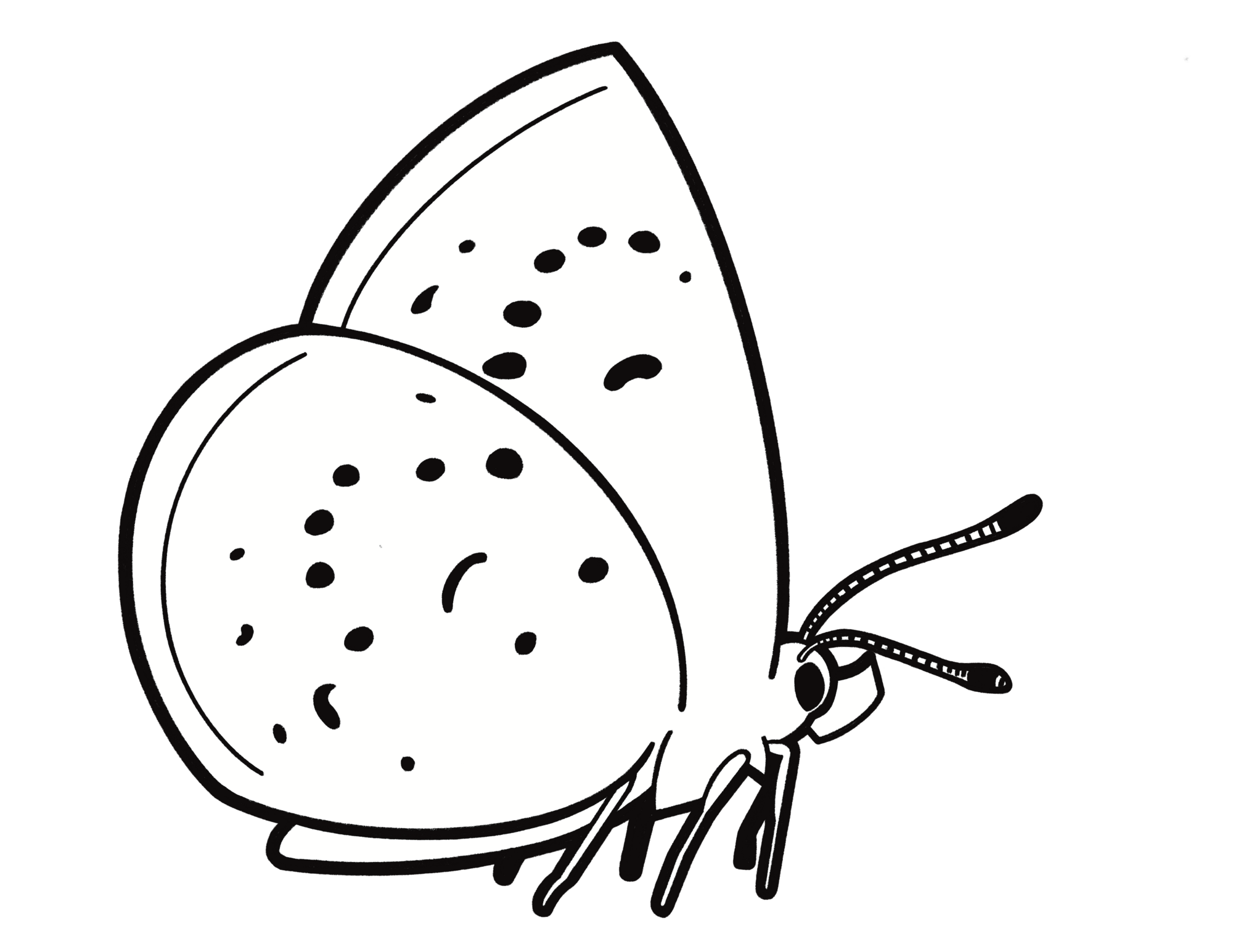
Once thought to be extinct — and rediscovered in 1989 — this small butterfly is only found in a few places in Oregon’s Willamette Valley. With a few exceptions, the prairies where they thrive are now farmland and urban development. Invasive plants are displacing their host plant — a specific species of lupine — and primary food sources. Their wingspan is only about one inch. The upper side of the wings of males are iridescent sky blue; females are rusty brown. The undersides for both are light-colored with black outlines and spotting.
Learn more about the Fender’s blue butterfly!
The Fairy of the Prairie: Fender’s Blue Butterfly is Fluttering Back from the Brink of Extinction (U.S. Fish and Wildlife Service)
Species spotlight (Greater Good)
Giant Pacific octopus, Enteroctopus dofleini
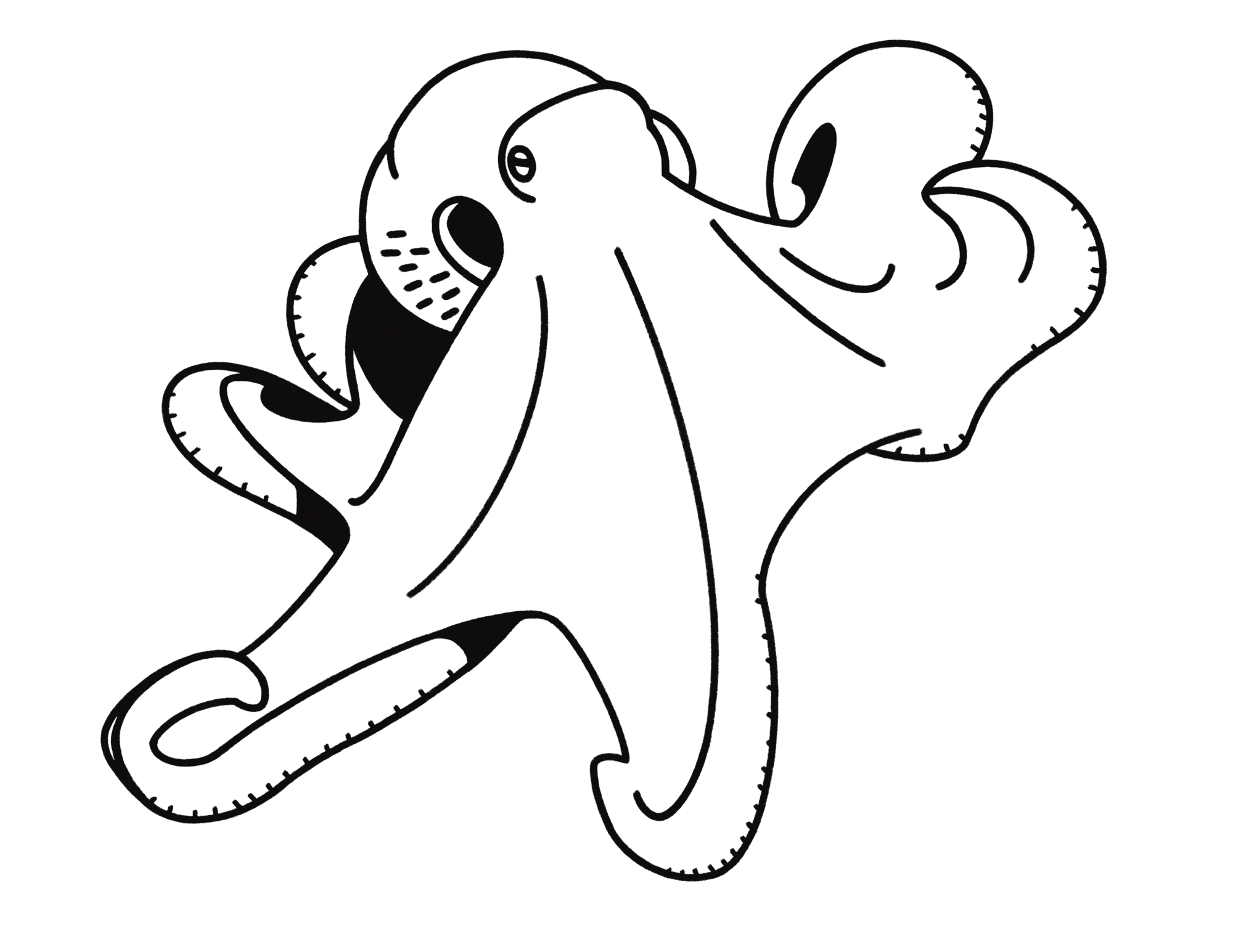
Meet the largest octopus in the world! It has a short lifespan — only 3‒5 years. Considered the world’s most intelligent invertebrate, they have three hearts, nine brains, blue blood, a beaklike mouth and arms that stretch over 14 feet. And they use venom while preying upon things like Dungeness crab! Remarkable problem-solvers, they can change their color and texture to blend with surroundings. Each arm sucker moves independently and helps octopuses smell, taste and explore the world around them. Yes, they do shoot black ink to confuse predators! You’ll find them in a wide range of ocean depths — from shallow waters to water more than a mile deep.
Learn more about the Giant Pacific octopus!
Species spotlight (Monterey Bay Aquarium, includes videos) and
(Watch) Behind the scenes octopus exhibit (Monterey Bay Aquarium)
Visit the OSU Hatfield Marine Science Center, Newport, Oregon
Goldenrod crab spider, Misumena vatia
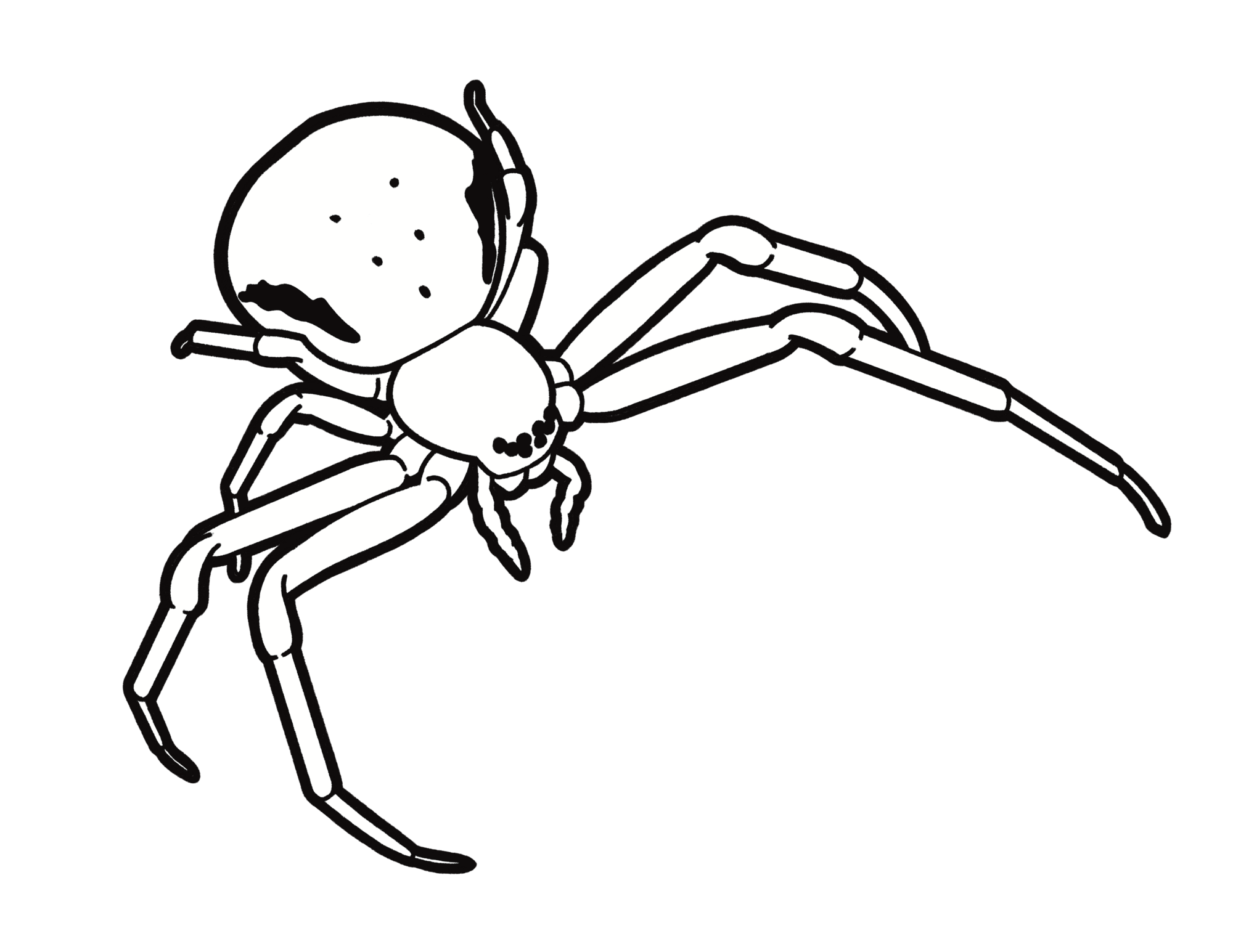
These crablike spiders can change color from white to yellow to blend in with their surroundings. The process takes several days, but it is a necessary disguise to prey on the insects that visit flowers. When an insect lands, the spider quickly grabs it with its long front legs and uses its fangs to inject a neurotoxin to stun it (the toxin is harmless to humans). This helps the spider catch its meal without a chase or a web!
Learn more about the Goldenrod crab spider!
Species spotlight (Northern Woodlands)
(Watch) The spiders in your yard
Oregon swallowtail butterfly, Papilio oregonius

These bright yellow and black butterflies have been Oregon’s official state insect since 1979. They can be mistaken for the paler Western tiger swallowtail butterfly, which has a broader range. With a wingspan of up to four inches, they’re easy to spot fluttering around Eastern Oregon. Look for the yellow and black abdomen. They lay their eggs on plants like dragon wormwood or wild tarragon, which their caterpillars need to survive. Adult butterflies feed on nectar from wildflowers and blooming shrubs.
Learn more about the Oregon swallowtail butterfly!
Species spotlight (Oregon Conservation Strategy)
Pacific banana slug, Ariolimax columbianus
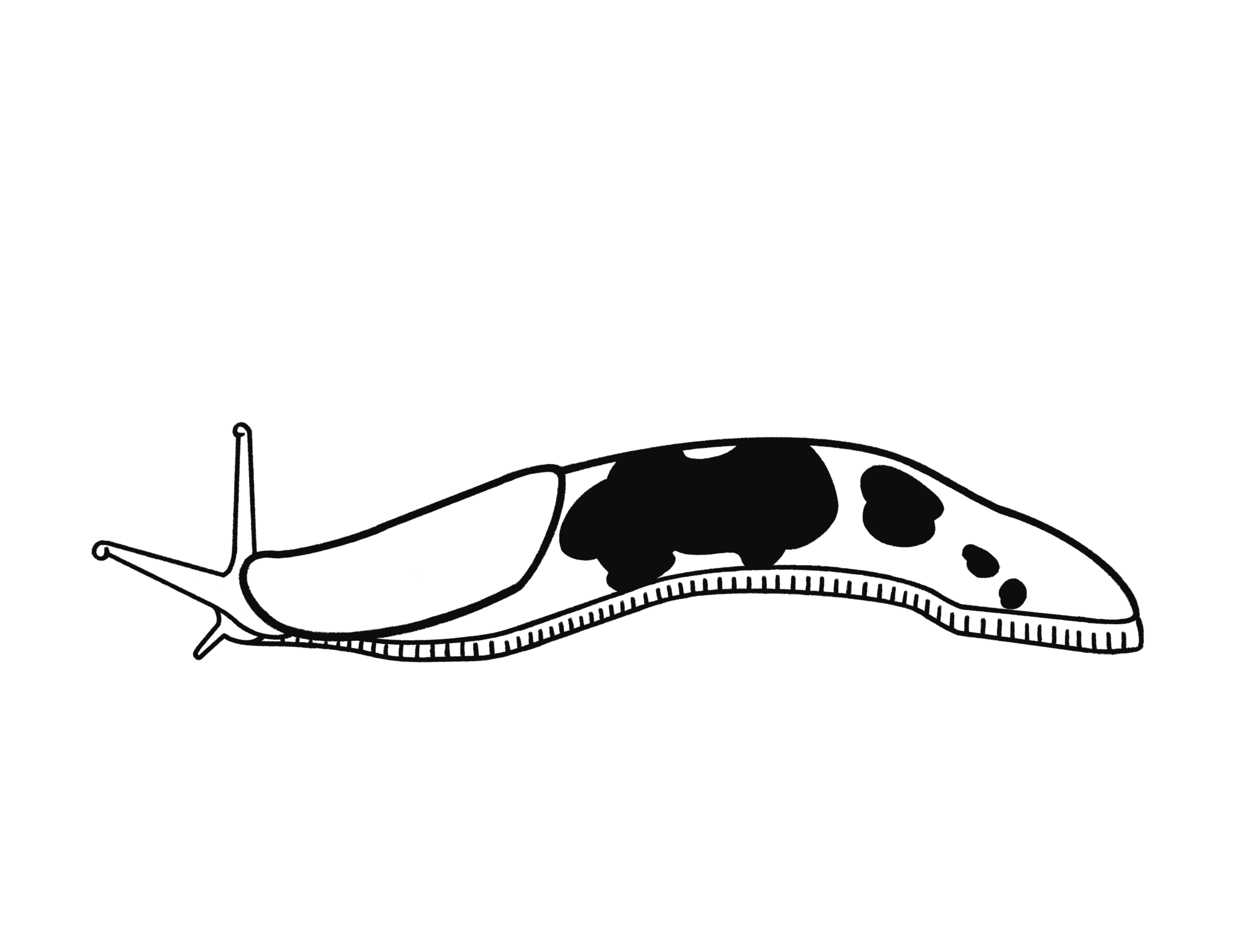
Although they’re known for their bright yellow color, often with dark spots, these slimy creatures can also be green, reddish-brown, gray or even white! They are the second-largest land slugs in the world and live up to seven years. Producing slime helps them glide along the forest floor, keeps their skin moist and works as a defense that numbs a predator’s mouth. They help decompose plants and animal matter and return nutrients back to the soil. They smell and feel with their two sets of tentacles, which also sense light and movement. Slow-moving, they only travel about 6.5 inches per minute!
Learn more about the Pacific banana slug!
Species spotlight (Hoyt Arboretum)
(Watch) Banana slug (@neilfisher)
Sunflower sea star, Pycnopodia helianthoides
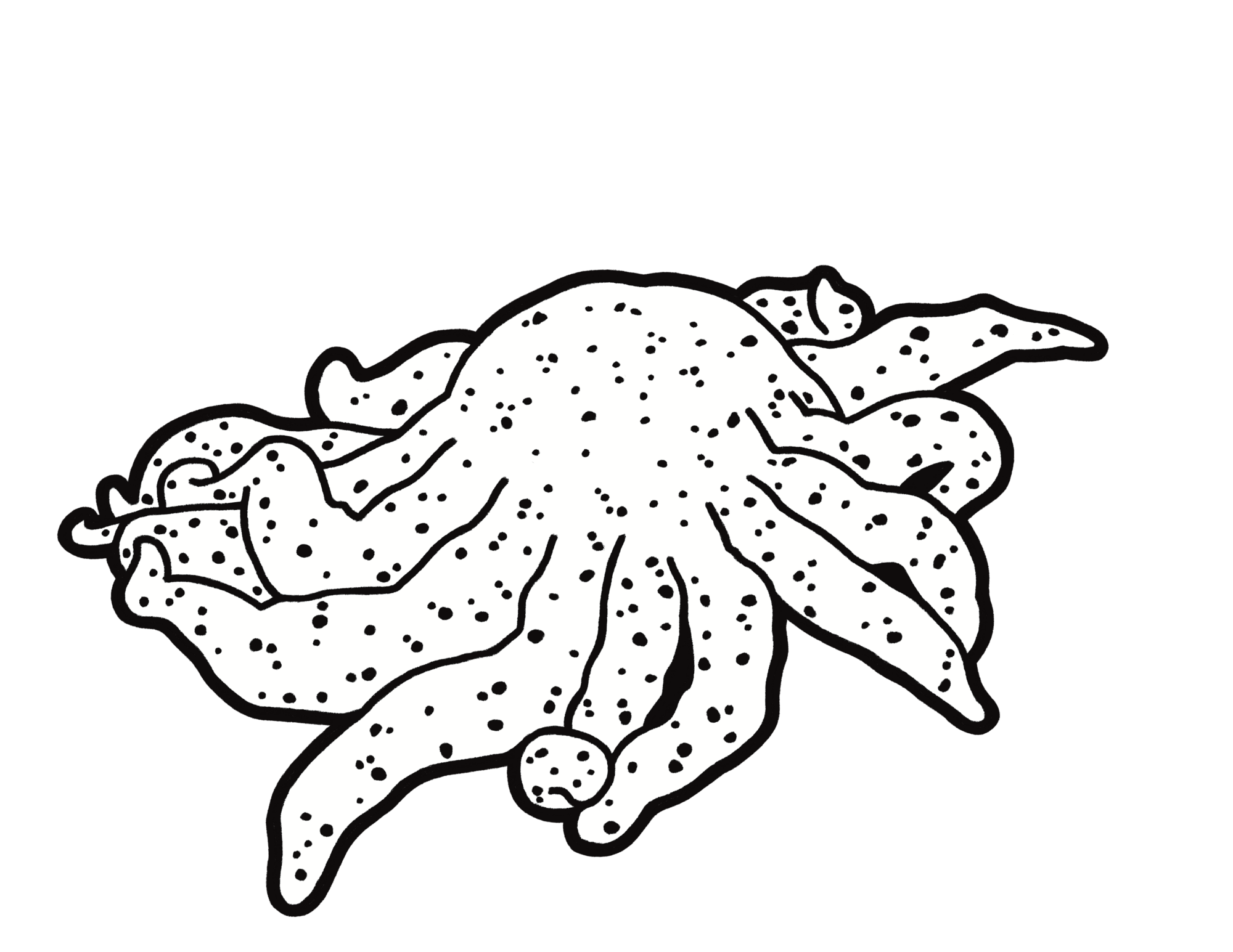
Think all sea stars have five arms? Think again! The sunflower sea star can have up to 24 arms — and if they lose one, it can grow back. They come in bright colors like purple, orange and yellow. They’re the fastest sea stars in the world — and the largest at up to 3 feet across! They are key players in keeping Oregon’s coast healthy, preying on purple sea urchins, which can destroy essential kelp forests if populations are left unchecked. It’s unlikely you’ll see them in tide pools though — they live deeper underwater. If you spot a sea star with five arms in a tide pool, that’s probably their cousin, the ochre sea star. Between 2013 and 2017, a disease called Sea Star Wasting Syndrome wiped out huge numbers of sea stars but they’re starting to make a comeback!
Learn more about the Sunflower sea star!
Species spotlight (National Aquarium)
(Watch) Pacific Northwest scientists strive to save the sunflower sea star (Oregon Public Broadcasting)
Sea stars show signs of recovery (OSU news story)
Sunflower sea star facts (Seadoc Society)
2025: The year of the sea star (and the Pacific Northwest scientists trying to save them (Oregon Public Broadcasting)
Ponderous borer beetle, Trichocnemis spiculatus
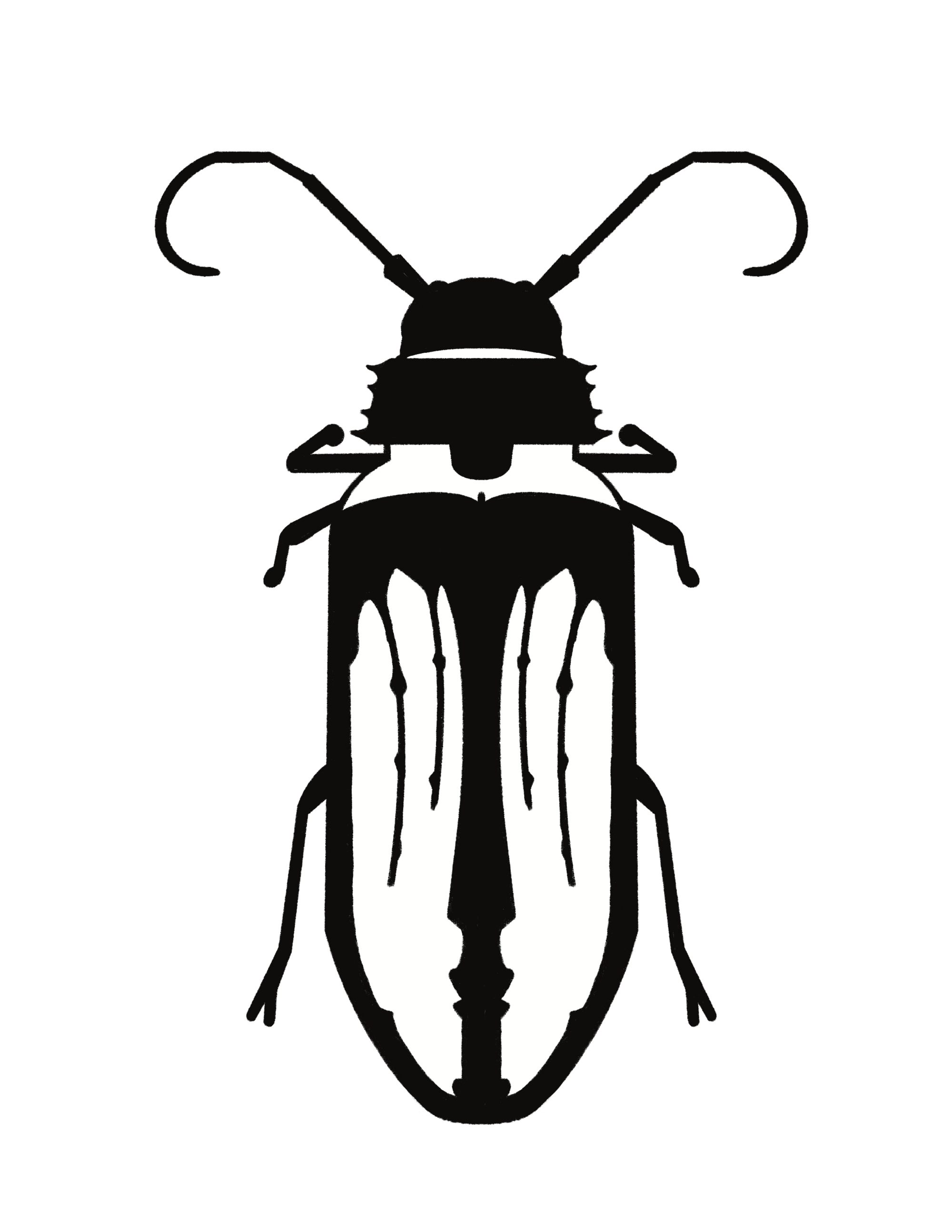
Unlike some beetles that damage live trees, these beetles only feed on dead or dying conifers (like pine trees). Adults can grow over 2 inches long, making them the largest beetle in Oregon! Their larvae live in the wood of the tree until they’re fully grown. These elusive beetles have strong jaws and can deliver a painful bite if handled roughly.
Learn more about the ponderous borer beetle!
Species spotlight (What’s That Bug)
Woodboring beetles (Oregon Department of Forestry)