CORVALLIS, Ore. — Oregon State University’s Division of Extension and Engagement and HazAdapt report strong results from the first summer of their statewide preparedness partnership, which began in May.
“OSU Extension has played a key role in helping people across Oregon take real steps toward resilience.”
What started as an effort to expand access to critical safety information is now driving measurable engagement with hazard guidance across Oregon.
HazAdapt, founded in 2019 by Oregon State graduate students, offers a free mobile and web app with customizable guidance for more than 50 hazards. The app works offline and is available in seven languages. In May, Oregon State University Extension Service made its earthquake, wildfire and tsunami resources directly accessible in the app.
“This is a great way to highlight and significantly expand our reach to a much wider audience across the state — and beyond,” said Marina Denny, associate vice provost for engagement. “It allows us to meet people where they are, especially during moments when timely, actionable information is critical.”
Summer 2025 impact
According to HazAdapt’s Summer 2025 Impact Report, OSU Extension helped lead a concentrated preparedness effort from June 1 through Aug. 31. County Extension offices used their community connections to share trusted information and to coordinate with local safety partners.
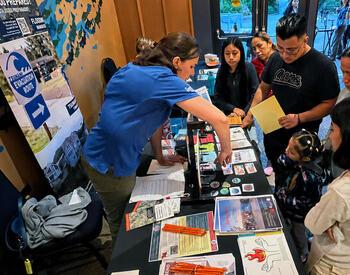
In July, HazAdapt sent customized engagement kits to county offices. Each kit included sample flyers, outreach cards, stickers and tabling materials designed for fairs, farmers markets and other public events. Within a week of delivery, HazAdapt usage increased in several counties where county teams began posting and tabling with the materials.
A tsunami threat on July 29–30 prompted one of the largest single spikes in summer activity. The report notes engagement in at least four coastal counties and spillover interest in non-coastal counties during those two days.
In the days before and after the alert, more people accessed Oregon State’s local earthquake preparedness content than tsunami materials, an indicator that earthquake readiness remained a parallel priority.
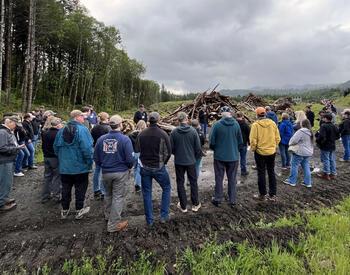
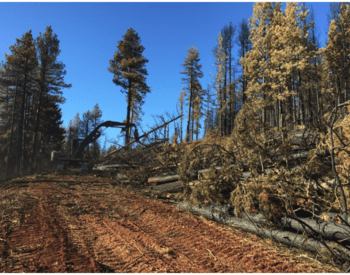
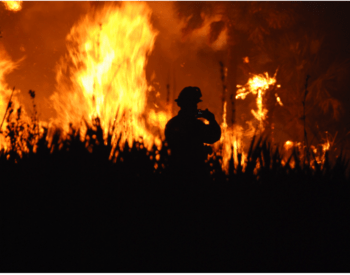
As wildfires spread across Oregon through late summer, wildfire resilience information became the most consistently viewed local safety content statewide. The tsunami alert highlighted the platform’s value for time-sensitive events, while the wildfire pattern showed sustained use for ongoing preparedness.
Outreach and events
OSU Extension collaborated with HazAdapt at OMSI at Night: Survival Guide in Portland on Aug. 27. The event drew more than 1,000 attendees and produced the month’s highest Hazard Guide views in HazAdapt. Of the three focal hazards for the partnership, earthquake content was the most viewed at the event.
More residents completed HazAdapt “Prep Checks” over the summer, with Aug. 19 marking the highest activity day. Responses showed a shift toward more intermediate preparedness across categories. The report describes this as a broader and more representative snapshot of readiness rather than a drop in capability.
Growing partnerships
The Impact Report notes that Extension activity encouraged action from Benton County Emergency Management, Corvallis Emergency Management, Albany Emergency Management, Benton County Public Health and the Corvallis School District, among other local entities. These organizations used HazAdapt as part of their outreach, reinforcing the statewide “Let’s Make Preparedness Easier” campaign.
Ginny Katz, HazAdapt founder and chief executive officer, said in May that the partnership would focus on three main hazards — earthquake, tsunami and wildfire — and help people take meaningful action. The summer results reflect those priorities in both acute and sustained engagement.
Momentum for hazard readiness
Overall, people engaged with trusted safety guidance across 31 hazards 624 times during the summer. Thousands more downloaded or shared the HazAdapt app, extending the reach of preparedness materials.
The Impact Report emphasizes that this is an early snapshot. Wildfire season continues, the Great ShakeOut earthquake drill is scheduled for Oct. 16, and winter weather is ahead.
OSU Extension and HazAdapt expect continued use of hazard guidance and preparedness tools through the fall and winter.
“It’s obvious that OSU Extension has a strong commitment to community and I’m so proud to be part of that and the passion to innovate,” Katz said. “OSU Extension has played a key role in helping people across Oregon take real steps toward resilience.”
Previously titled OSU Extension–HazAdapt partnership expands access to critical safety information