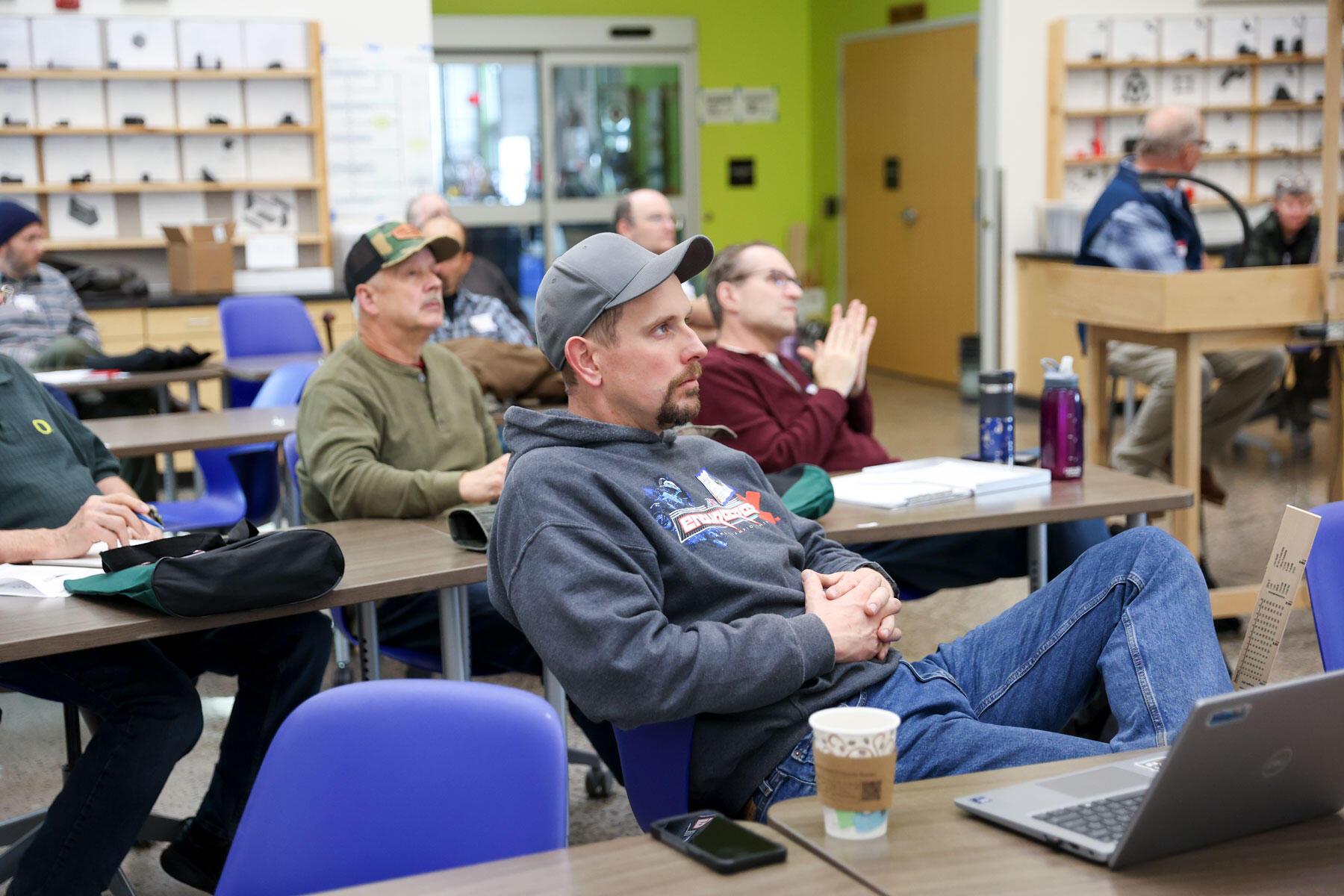
EUGENE, Ore. — As a first-time attendee, Jordan May wasn’t sure what to expect when he arrived at Tree School Lane.
“I came in with an open mind and to learn,” said May, who owns a small woodland property in Springfield.
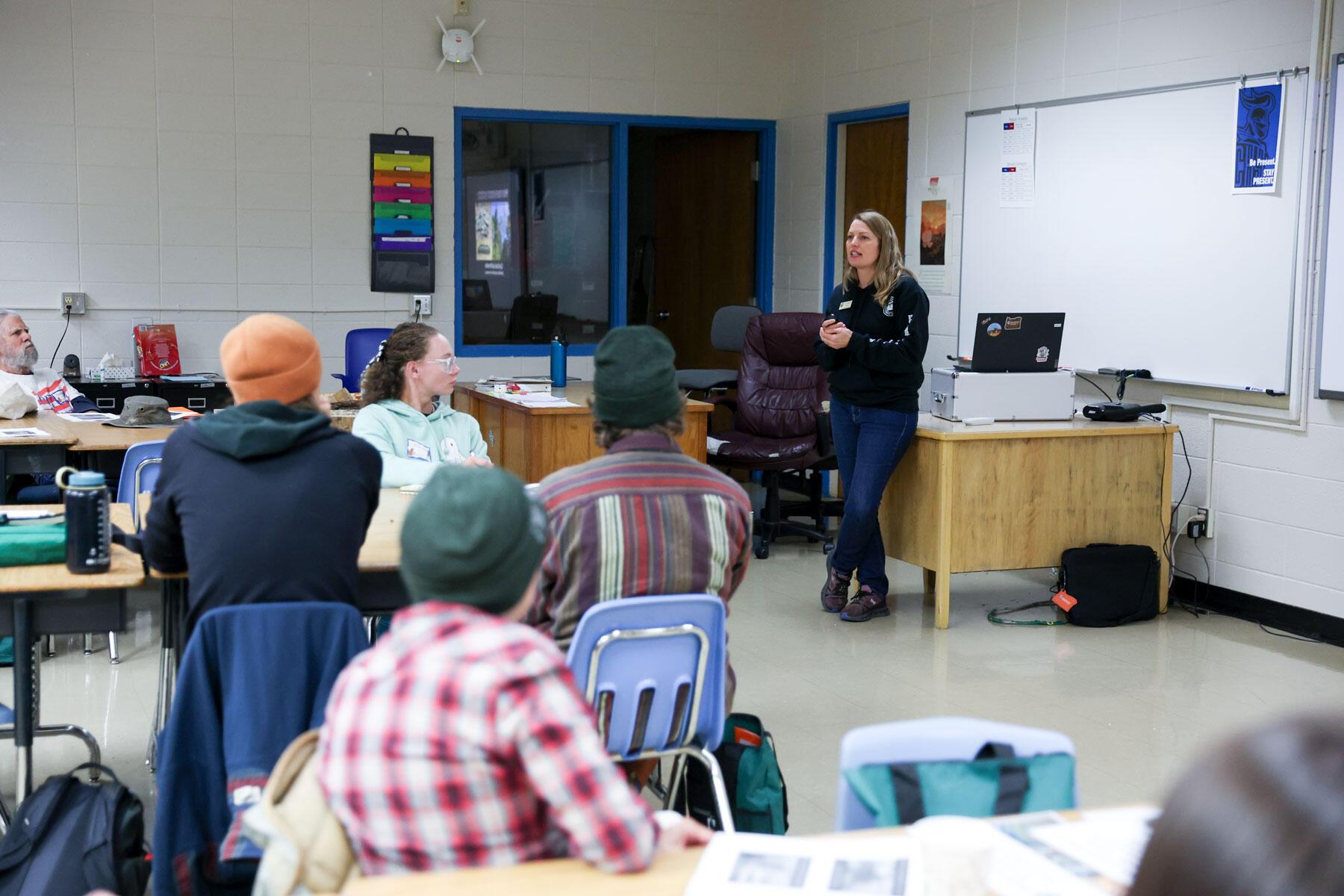
Tree School Lane, organized by Oregon State University’s Forestry and Natural Resources Extension Program, featured 32 classes designed to support the successful management of Oregon’s woodlands and to complement year-long natural resources education programs offered by Extension and its collaborators.
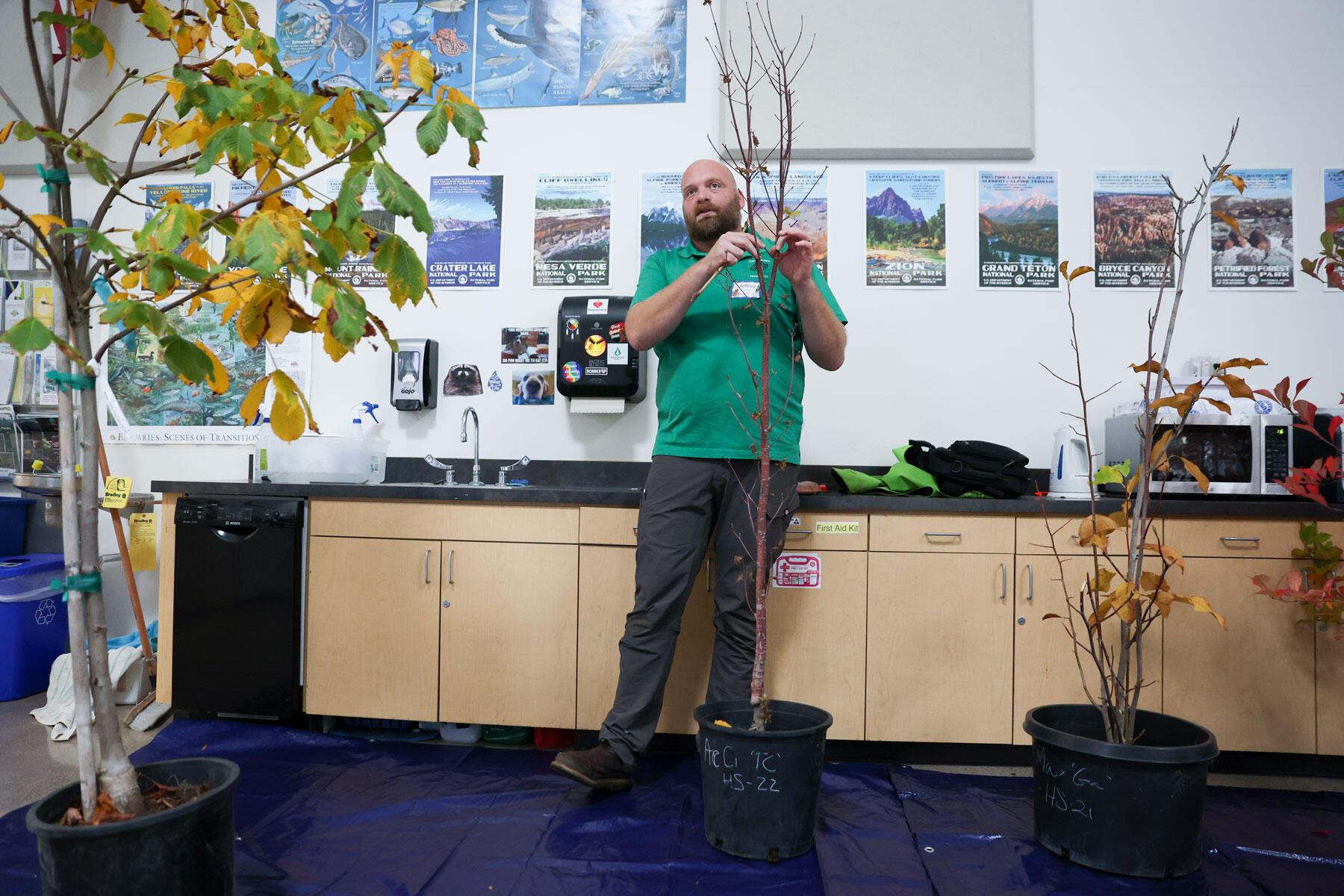
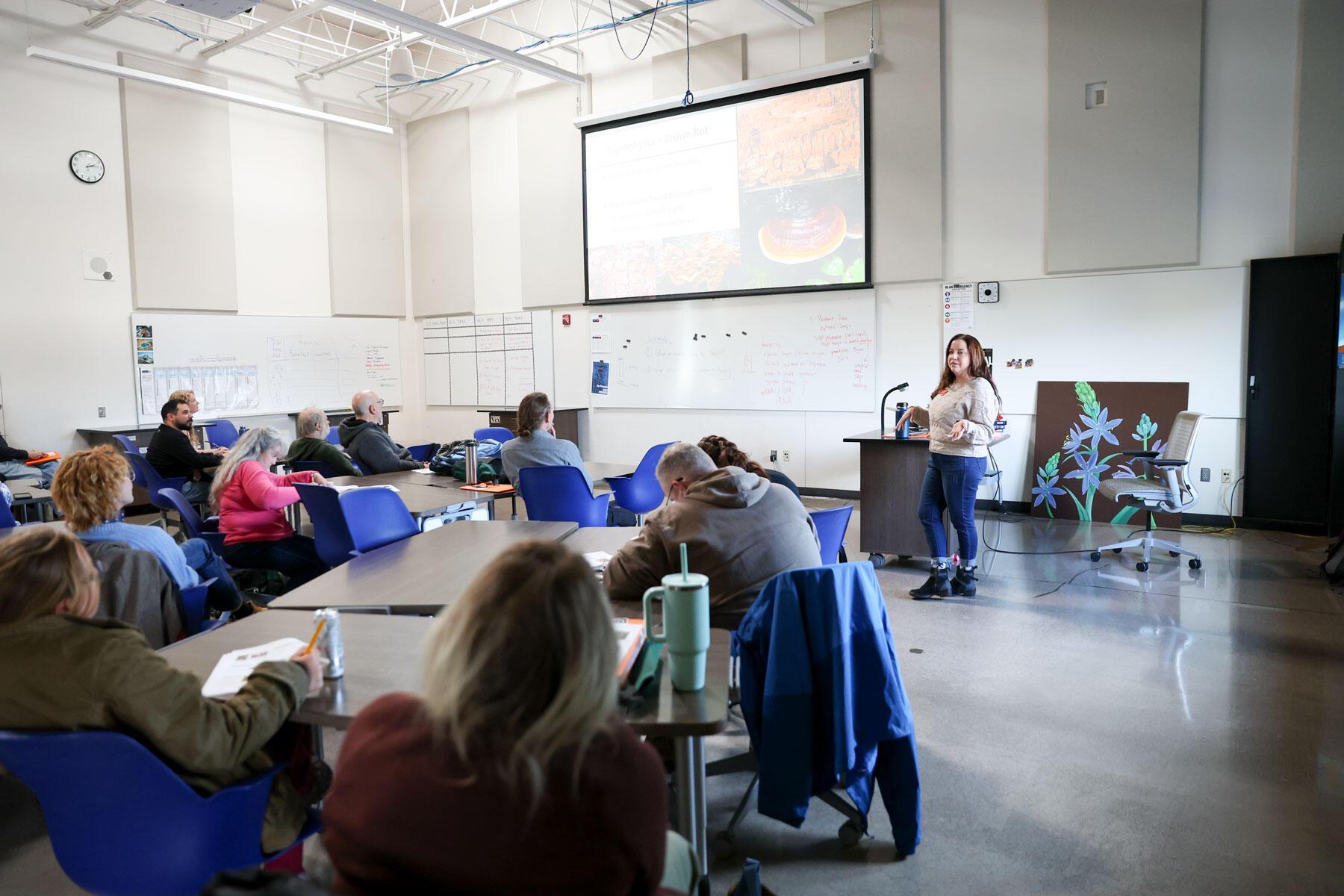
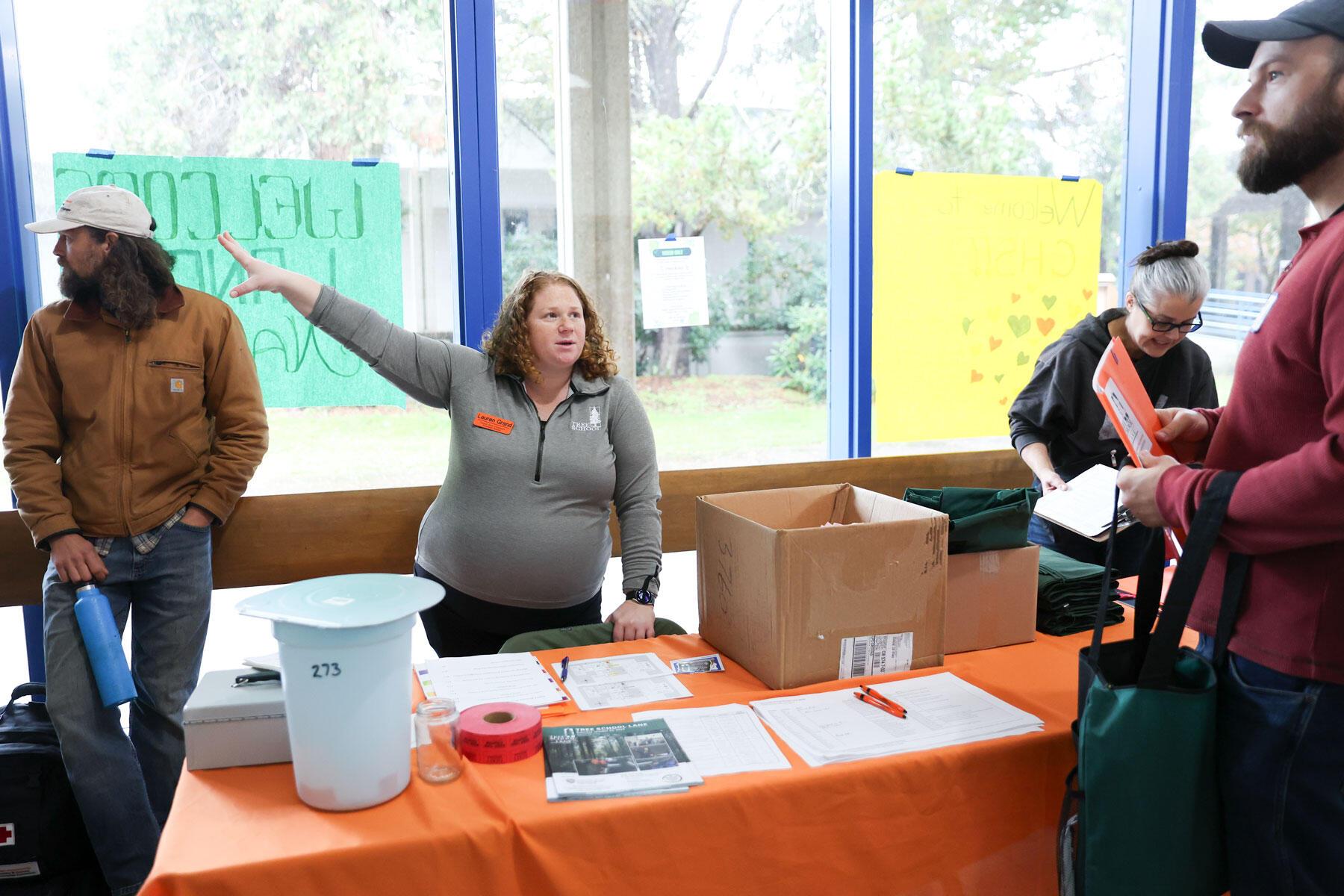
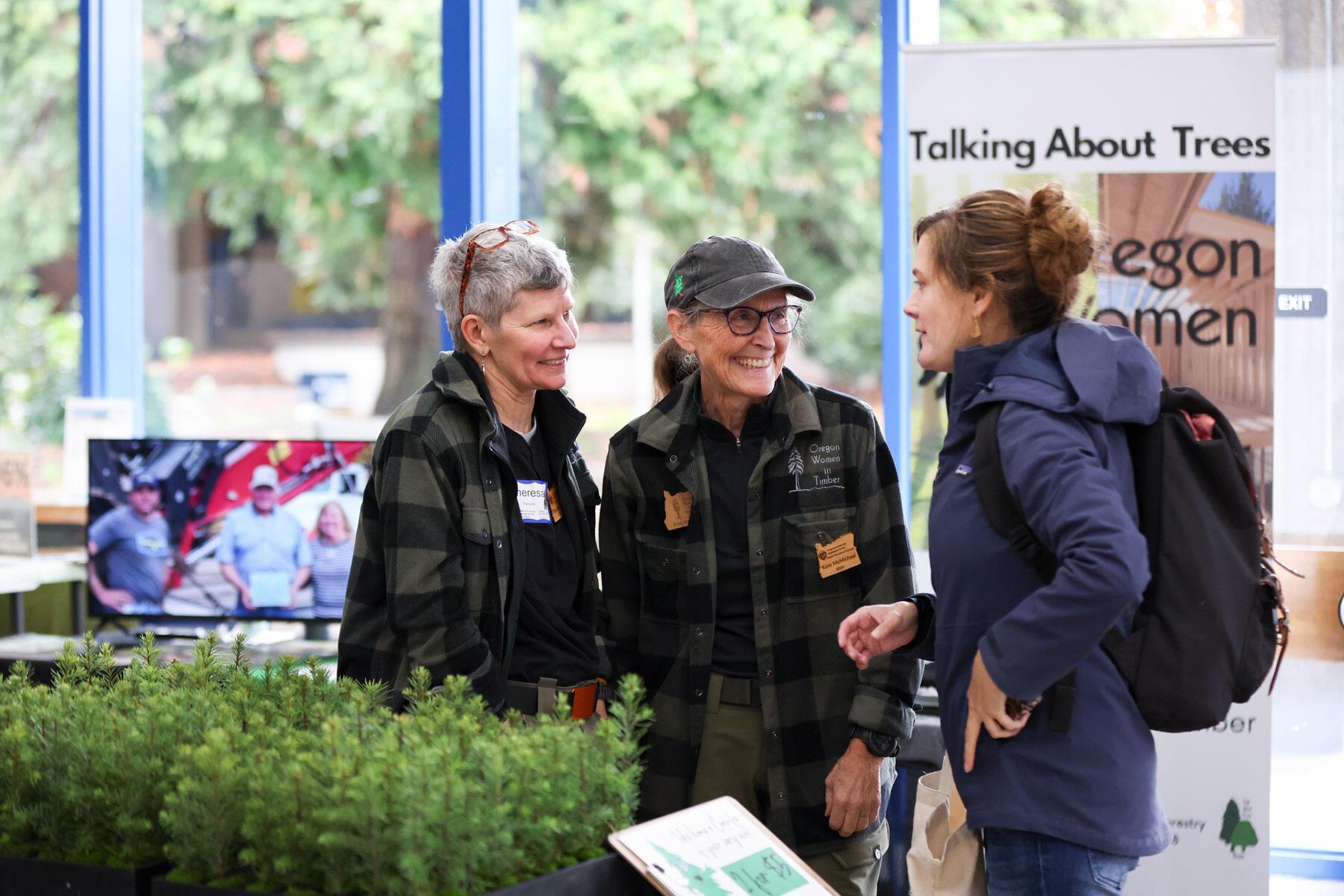
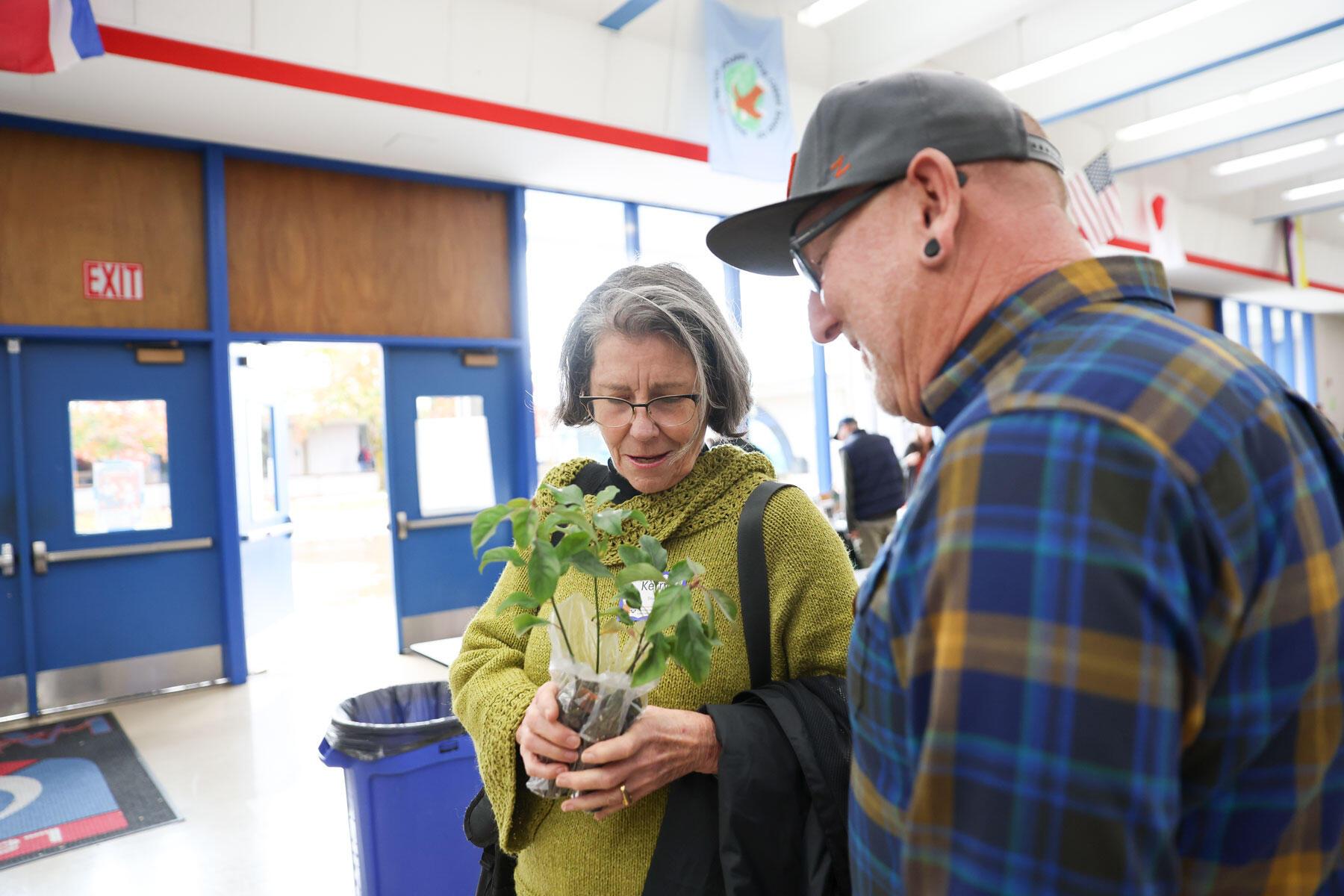
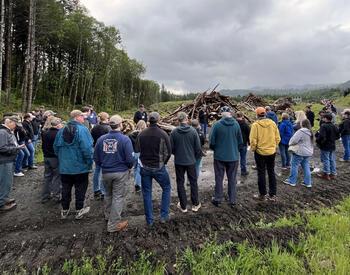
The event, held Oct. 25 at Churchill High School, brought woodland owners, forestry professionals and community members together for expert-led classes on forest management, reforestation, wildfire preparedness and tree care.
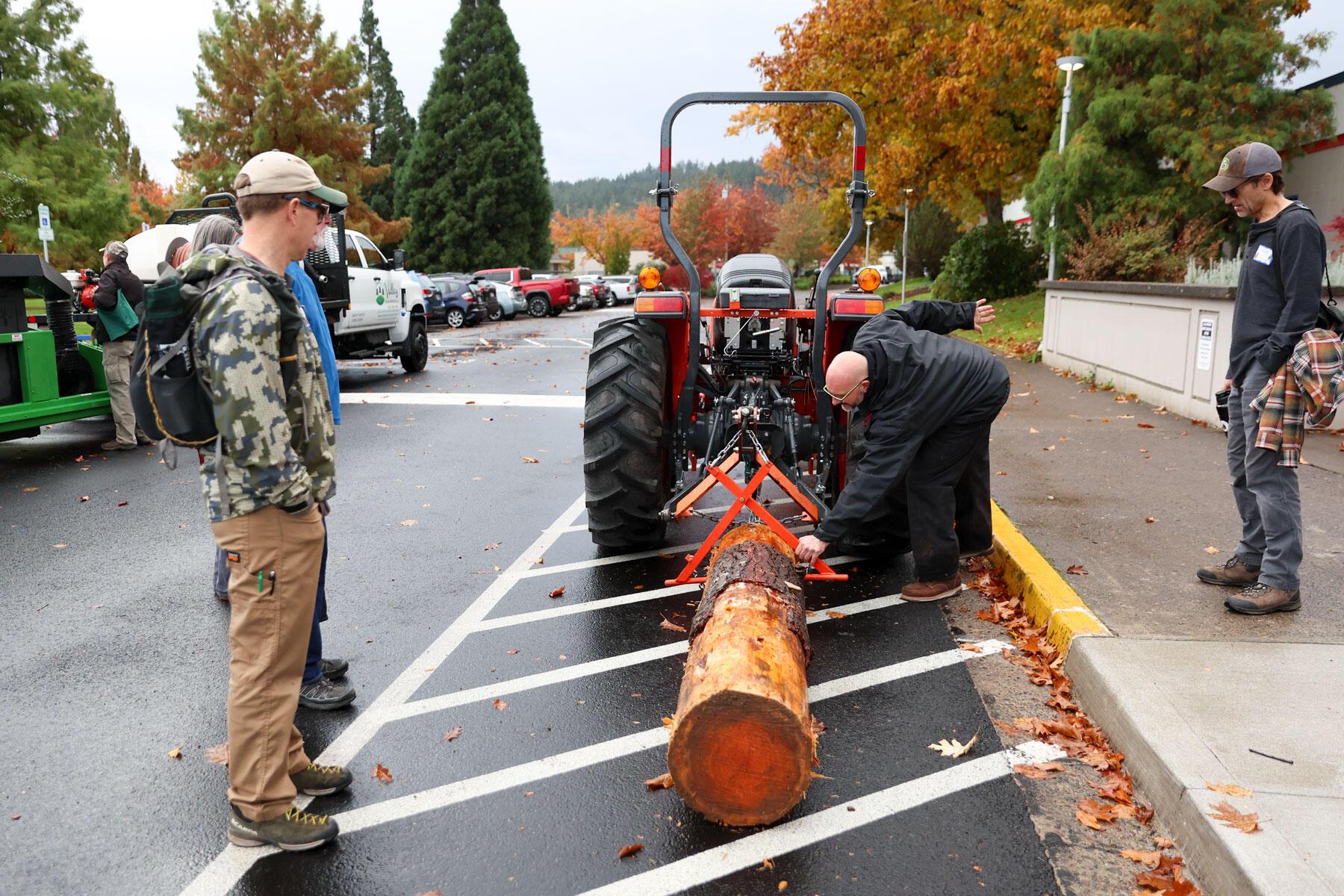
During the lunch break, May said he had learned quite a bit from a morning class on reforestation and was looking forward to a small-scale logging class in the afternoon.
Both classes drew his interest after the tops of several of his Douglas-fir trees broke off during the ice storm that blanketed the Willamette Valley in January 2024. The trees were later salvaged.
“The class on reforestation was good because it gave me confidence in some of the stuff that I did do, and it confirmed that I was on the right path,” he said.
A statewide forestry learning network
With dozens of sessions and opportunities to connect with fellow landowners, forest professionals and tree enthusiasts, Tree School Lane provided practical knowledge and networking for both seasoned woodland owners and those new to forestry.
The last Tree School Lane was held in Pleasant Hill in 2018. The in-person event planned for 2020 was canceled due to the COVID-19 pandemic, making the 2025 program the return of an in-person Tree School Lane after a seven-year hiatus.
The events are especially valuable for private woodland owners seeking practical land-management guidance; forestry and arboriculture professionals updating their skills; educators, students and community volunteers expanding forest literacy; and natural-resource enthusiasts learning from experts and peers.
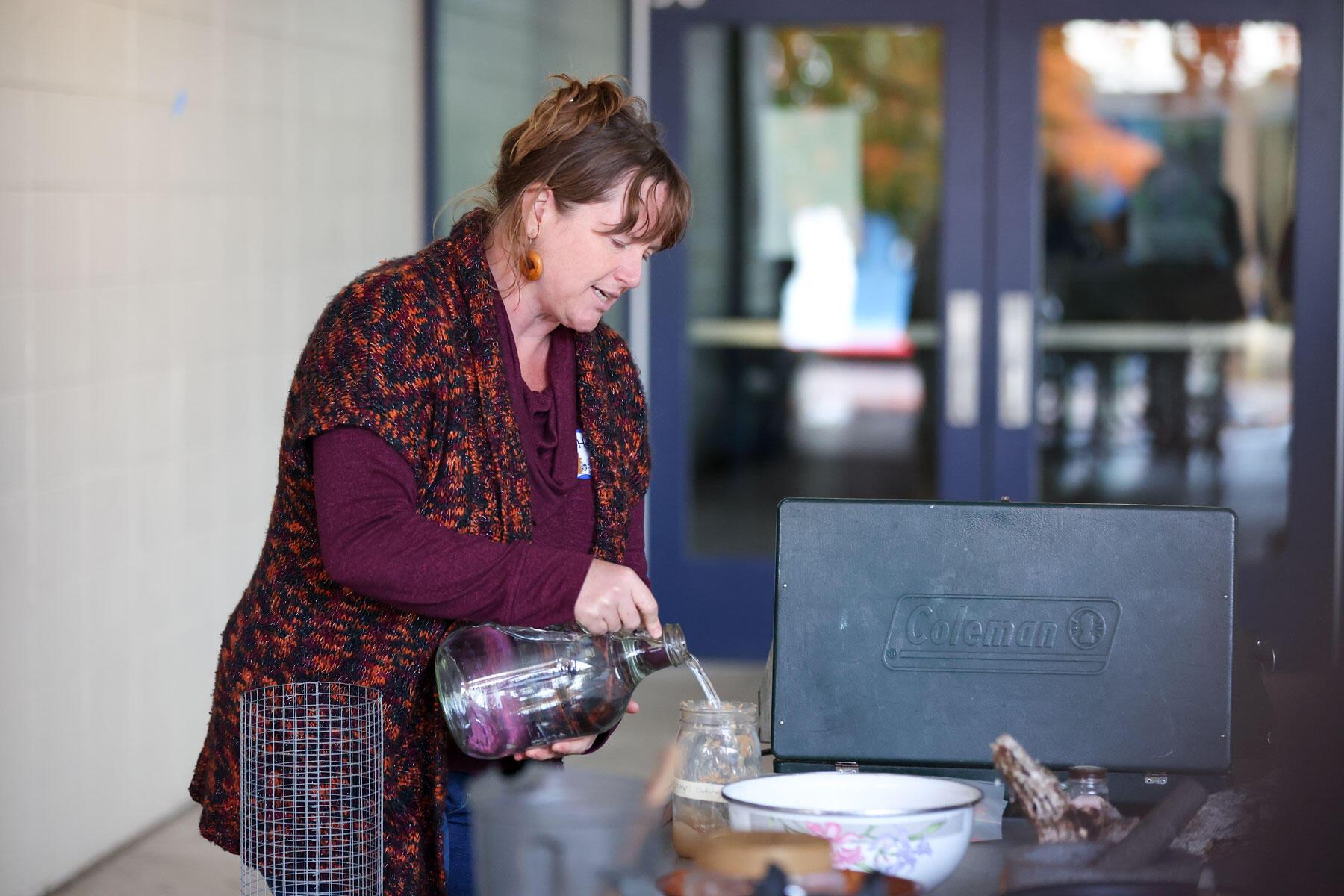
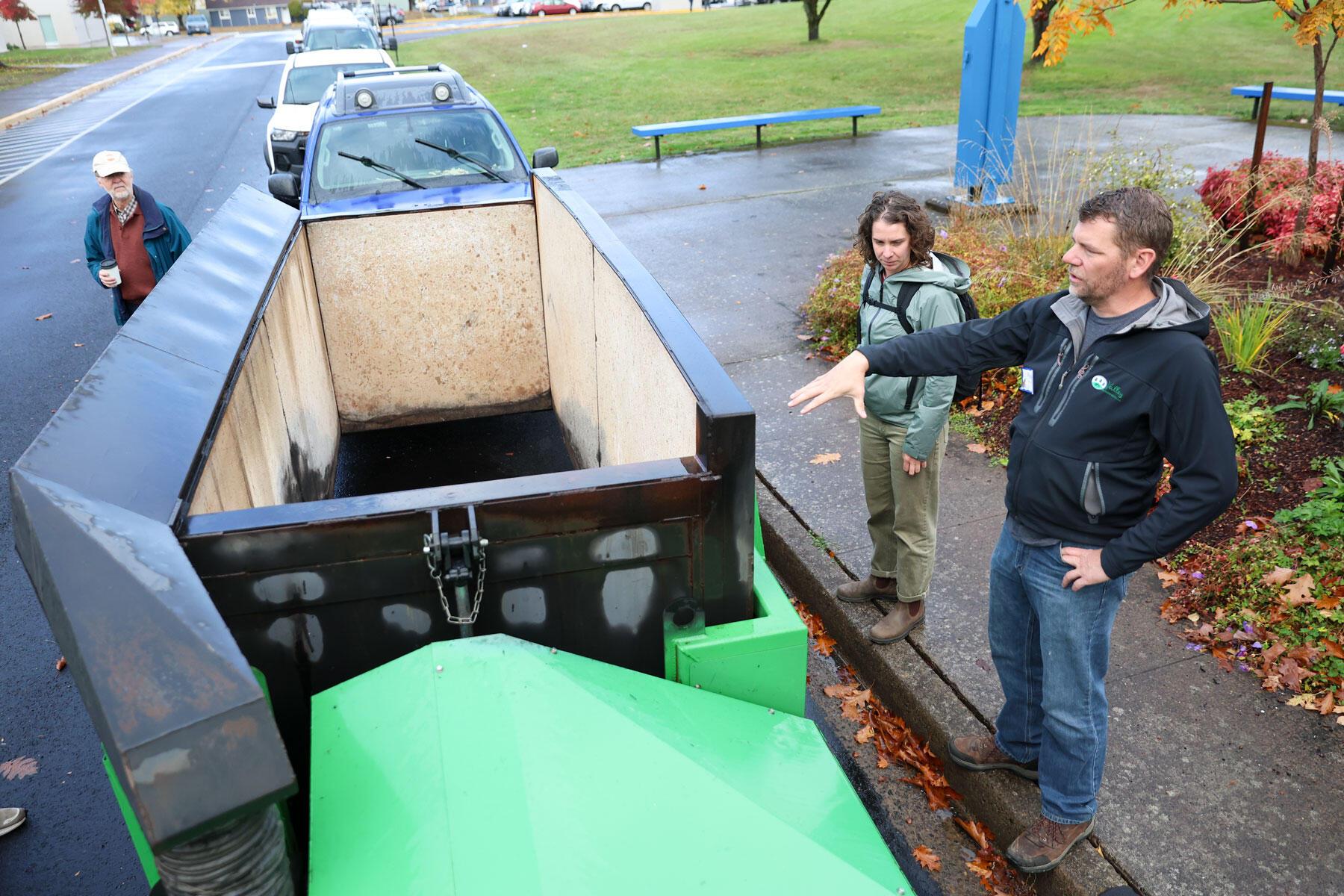
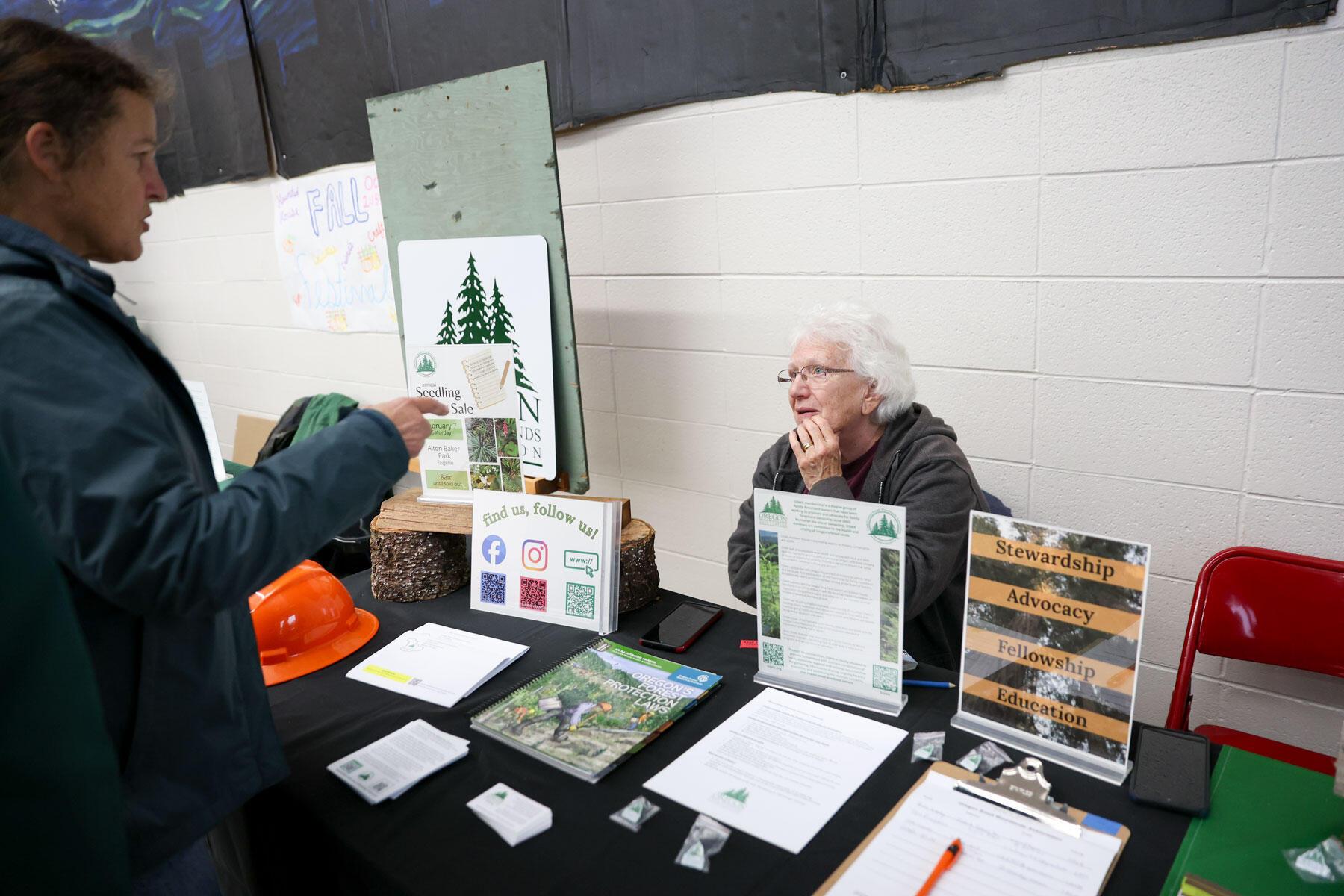
Tree School Lane is part of OSU Extension’s statewide Tree School program — day-long forestry education “mini-colleges” offered in regions across Oregon. The events combine classroom workshops, field sessions, demonstrations and exhibits.
Classes are taught by OSU Extension foresters, natural-resource professionals and experienced landowners. They typically cover topics such as forest ecology, wildfire preparedness, pruning, logging safety, wildlife habitat, stewardship practices and wood markets.
The program is designed for family forestland owners, professional foresters, loggers, arborists, teachers, natural-resource volunteers and others interested in forests and trees.
This year’s Tree School Lane drew 259 participants, including 192 first-time attendees, underscoring the strong interest in accessible, practical forestry education in the region.
From storm damage to new skills
May said the event introduced him to OSU Extension resources he wishes he had known about before the storm.
“I wasn’t really aware of Extension when it happened,” he said. “I wish I would have been.”
After the storm-damaged trees were logged, May and his family began restoring the property.
“We had it clear cut, then we did prescribed burns and slash piles, and my family and I replanted trees,” he said.
May also attended a pruning class.
“I don’t have any experience pruning,” he said. “We have a bunch of fruit trees on the property that need some pruning. It didn’t cover fruit trees that much, but it was still a good course. I learned how to prune trees and not damage them.”
Learning side by side
Attendees Ryan and Vicki Fowler of Elmira, who own just under 44 acres of woodland property, attended classes separately to maximize their learning.
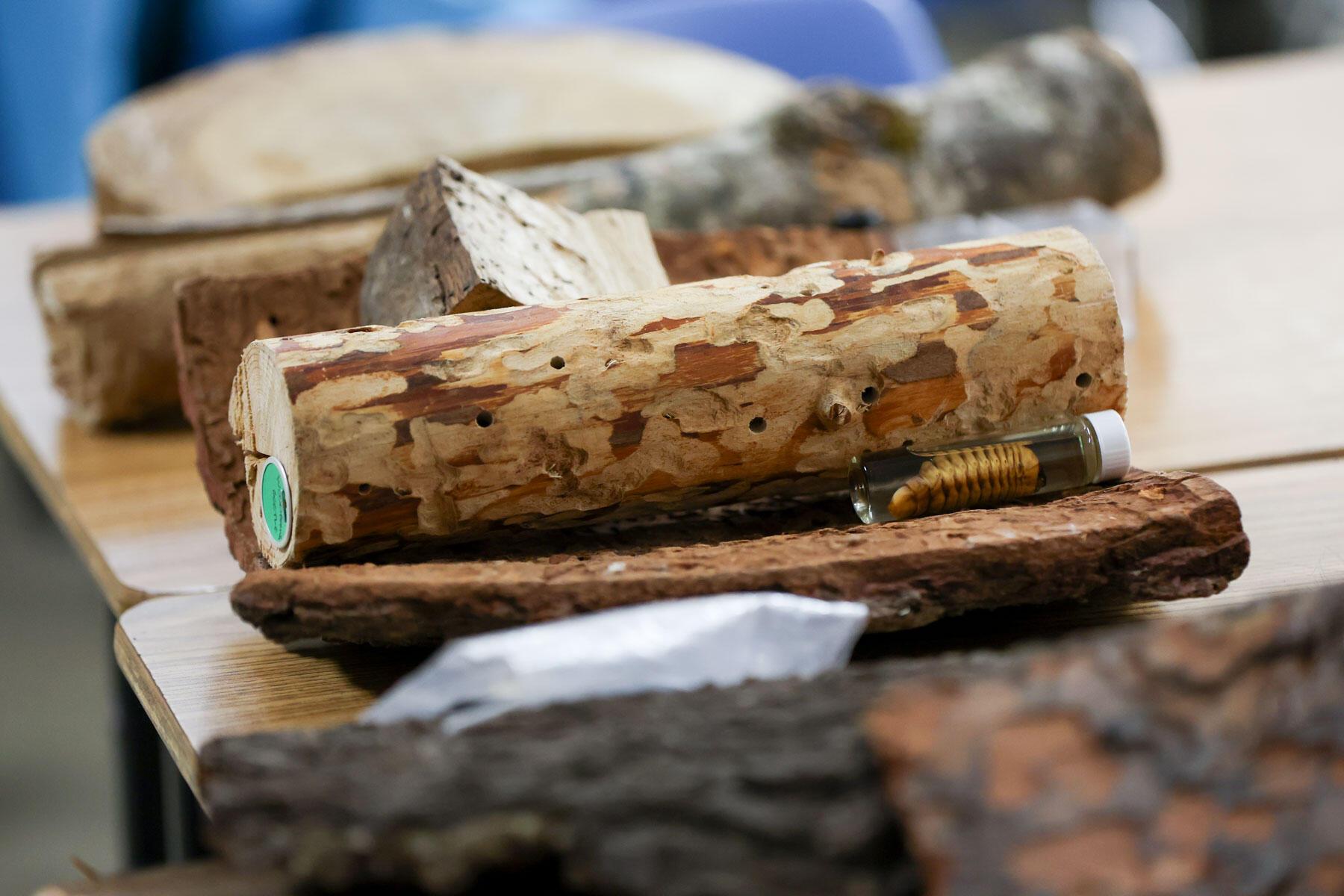
Vicki Fowler took classes on tree pruning and tree pathogens. Ryan Fowler focused on fire policy and forest management planning.
“I learned that there’s a lot of resources for forest management planning,” Ryan Fowler said.
Forest management plans are a critical tool for many woodland owners, especially those pursuing certification programs, grants or clearer communication with family and business partners. According to OSU Extension, “a forest management plan describes your property, what you want to do with it, and how and when to carry out your plans for it.”
At Tree School Lane, 63 participants reported already having a forest management plan, and 23 people enrolled in the morning session “Introduction to forest management planning.”
The class outlined the benefits of developing a plan, the key information it should include, and the resources available to support landowners, including Oregon’s Forest Management Planning System — a suite of tools endorsed by major natural resource agencies and forest certification programs, including the Oregon Tree Farm System.
The session was designed for landowners who do not yet have a plan and want practical guidance for shaping the future of their forestland.
Tree Schools across Oregon
In addition to Tree School Lane, OSU Extension offers regional Tree Schools across the state.
Tree School Clackamas, the original Tree School, is held each March at Clackamas Community College in Oregon City and attracts hundreds of participants for dozens of classes on forest management and natural-resource topics. Registration opens on Feb. 3 for this year’s event, scheduled for March 21.
Tree School Field Day, held each fall at Hopkins Demonstration Forest near Oregon City, offers a field-focused experience that complements the classroom Tree School format with hands-on outdoor learning.
Tree School Umpqua serves the Douglas County region. It will be held in the fall of 2026 at a date that will be announced.
Tree School East, held each summer Baker City in odd-numbered years, serves Eastern Oregon and includes classes on forest restoration, forest health, wildlife habitat, soils, fire ecology, taxes and geology.