If you’ve ever driven along Highway 101 in Oregon during the summer, you’ve probably seen dozens of flower stands that can seem indistinguishable from each other. While plopping some flowers in a vase along the road outside your front door might seem like a no-brainer, it may not be worth your time at all if you can’t differentiate yourself from the competition enough to gain traction among consumers. A marketing strategy — how, what and when to market — may be overwhelming at first but is key to setting your farm apart and improving sales.
Fall is a great time to start thinking about next year’s marketing strategy, since you should only be planting crops in quantities that you’re confident you can sell. Consider these tips when starting to develop or modify your marketing strategy and visit each tip’s featured resource for more in-depth information.
Build a strong, visible brand identity
While there are many small, diversified farms across the Oregon Coast, each one has something that makes them or their products special. Incorporating your farm story and what makes your farm special into your branding will help make your farm memorable. Your farm should have a logo and a consistent visual identity so customers can recognize your products from a mile away.
Do-it-yourself graphic design applications like Canva are becoming increasingly easy to use, or you may want to hire a graphic designer. A small investment in stickers and business cards with your logo and contact information that accompany products sold off-farm can go a long way toward helping new customers learn about your farm.
Featured resource: “Farm Branding: Selling Your Products Through Story” by Daniel Prial, NCAT ATTRA, 2021
Understand your market
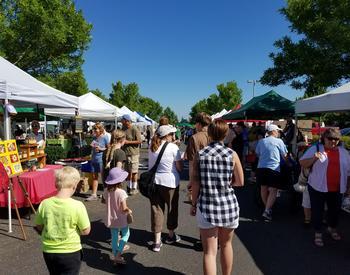
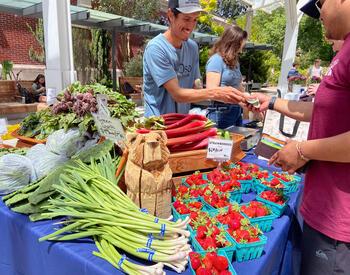
Planting what you want to grow, only to discover come harvest time that it’s not what your customers want to buy, can be a tough lesson to learn when you’re first getting started. If you’re selling direct-to-consumer, make sure to identify your customer base and understand their preferences and buying behaviors.
Will you focus on selling to locals or Oregon Coast tourists? Maybe you don’t enjoy the constant customer interactions that come with marketing direct-to-consumer, and you’d prefer to sell to restaurants or wholesale markets to free up more time for farming. The marketing avenues you pursue will influence how you price, package and label your products, so make sure to select the channels that work best with the lifestyle you want.
Featured resource: “Guide to Marketing Channel Assessment: How to Sell Through Wholesale and Direct Marketing Channels” by Matthew LeRoux, Cornell University Small Farms, 2010
Utilize digital marketing
An estimated 72% of U.S. adults use at least one social media platform, so take advantage of these opportunities to reach potential buyers. Even if you’re busy farming and don’t have time to develop targeted social media content, simply using an Instagram story or Facebook post to let followers know when your farmstand is open can be a great first step. Creating a simple website that describes who you are, what you produce and where to purchase your products to help potential buyers find you, especially if you’re trying to transition from farmers markets to larger wholesale or institutional channels.
If selling products directly through your website, search engine optimization can be used to make sure your site pops up easily with a quick Google search. If you have a farm stand on-site or offer any agritourism activities, you’ll also want to make sure consumers can find your farm on Google Maps by creating a Google Business Profile. If you find yourself constantly battling with the computer, you may want to consider outsourcing this type of work to other farm employees or a third-party.
Featured resource: Digital Marketing for Small Farms by Open Food Network, 2022
Leverage local resources
Farm and food directories, such as the Central Coast Food Trail and North Coast Food Trail, are a great way to promote your farmstand or agritourism opportunities to visitors. Both food trails update their listings every other year, with the next round of updates occurring in January 2025. If you’d like to get your farm listed in the directory, you’ll need to meet certain criteria, such as at least 50% of your product displayed for your sale originating on your own farm for the Central Coast Food Trail or at least 75% of the defining ingredient sold originating from the North Coast.
Keep in mind that branding and marketing your farm can be much more costly, time-consuming and overwhelming than one might expect, so you may want to reach out to your local Small Business Development Center or a private consultant for some professional assistance. Connecting with other farmers in the area can also be a great way to share success stories and learn from each other’s mistakes.
Featured resource: OSU Extension’s Business Marketing resources
By taking a more strategic approach to marketing your farm products, you can differentiate yourself from your competition and connect better with your customers. This will require flexibility as you receive customer feedback over time, and you’ll likely need to pursue a variety of marketing channels to make your farm business profitable. For deeper learning on this topic, check out the ‘Sell it’ section of our Growing Farms Online course or the corresponding chapter of “Whole Farm Management: From Start-up to Sustainability,” edited by Gary Stephenson.
Trade-name products and services are mentioned as illustrations only. This does not mean that the Oregon State University Extension Service either endorses these products and services or intends to discriminate against products and services not mentioned.