
November 19
6:30 to 8:00 p.m.
Via Zoom (no registration is necessary)
We are excited to share the impact of OSU Extension programming and introduce you to the dedicated individuals working in your communities.
Stories will be shared in quick succession during seven Ted Talk-like keynotes.
Lake County Kids Run Virtually
Lake County
In March 2020, COVID-19 stopped the world in its tracks, but it didn’t stop Lake County youth from escaping to the outdoors. Running provided a way to keep kids active, reduce their stress and anxiety levels and motivate them to stay involved in 4-H.
The Lake County Kids Run Virtually program provided an incentive for kids to spend time with their family on a run or walk. Kids recorded their age-appropriate distance and tracked their progress virtually. Data suggests that frequent exercise can improve a person’s mood and decrease anxiety in both youth and adults. Twenty youth participated in this program and many of them continue to stay active through running and walking.
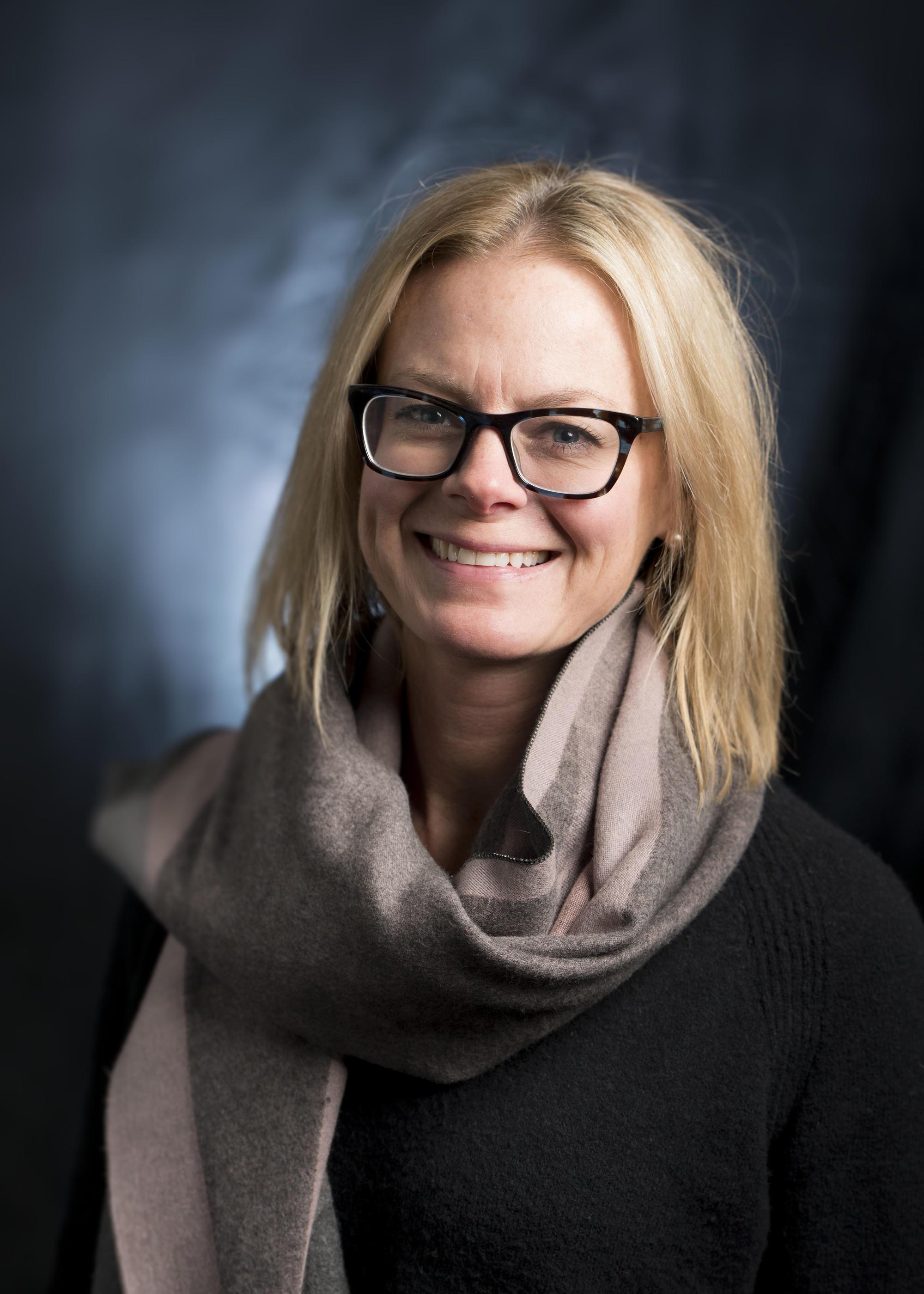
Melissa Maxwell graduated from Oregon State University with a Masters of Arts in health education and a minor in Spanish. After growing up in the Portland area, Melissa has lived in Lakeview, Oregon, for 20 years. In June of 2019, she became the educational program assistant at the OSU Extension office in Lake County. Melissa has a diverse teaching background in English, Spanish, health and ballet, as well as coaching many sports. Currently she is teaching robotics in the Lake County elementary schools and is a Spanish adjunct professor for Oregon Tech University.
Melissa is a volunteer in many different areas including as a Lake County Library Board director and the Warner Canyon National Ski Patrol. With her Spanish language background, Melissa has lived and traveled in many Spanish speaking countries throughout the world. Her most recent accomplishment was building a home for Habitat for Humanity in Guatemala. Outside of work, Melissa finds joy spending time with her family, followed by trail running, downhill skiing and anything that involves outdoor recreation. One of Melissa’s greatest satisfaction has been inspiring her former students to graduate, further their education and later to return and contribute to the community they grew up in. Two goals she would like to accomplish in the future are summiting Mt. Hood and leading a group of youth to volunteer abroad. Melissa’s passion is to inspire creativity, community service and a healthy lifestyle.
Towards Fire Adapted Communities in Southwest Oregon
Southern Region
Concerns about fire in southern Oregon have been mounting for many years; residents and local authorities understand that it is not a matter of “if”, but of “when” the next wildfire will occur. In response to these concerns, Oregon State University’s new Extension Fire Program was created to support communities striving to adapt to the challenges of living in fire-prone environments. Acting on the needs and priorities of local communities, the Fire Program works to build partnerships, assist policymakers and regulators, and engage landowners to build a future where fire need no longer be the enemy. Join Chris Adlam, fire specialist for southern Oregon, to hear about how the Fire Program is helping communities take concrete steps towards living with fire.
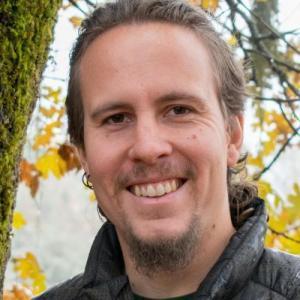
Chris Adlam serves as Oregon State University Extension fire specialist for southern Oregon. While new to this position, he looks forward to partnering with community leaders, agencies, landowners and tribes to support the region’s efforts in adapting to a future with more fire. Chris received his PhD in Ecology from the University of California, Davis, where his work focused on supporting tribal initiatives for revitalizing traditional burning practices. Burning with Prescribed Burn Associations in California gave Chris a taste of the transformative power of putting fire into the skillful hands of tribes, ranchers, and trained rural residents. He believes in the Extension motto “Helping People Help Themselves” and looks forward to working with the Fire Program to build capacity and support for prescribed fire and forest restoration across private and public lands. In his free time, he enjoys birding, whittling, outdoor adventures, and raising pigs.
The Outdoor School Experience
Southern Region
Many of us remember our outdoor school name and have our wood cookie from when we attended Outdoor School in the 5th or 6th grade. Why? Because the experience was so memorable and, in some cases, life changing. OSU Extension Service was asked by the Oregon Legislature to administer Outdoor School statewide. Amy will introduce the OSU Extension Outdoor School team and how it partners with schools, districts, teachers and outdoor educators to provide a unique, inclusive and immersive learning experience for Oregon’s 5th and 6th graders in the world’s greatest classroom. Together, we guide and support equitable, culturally responsive and interdisciplinary Outdoor School programs for Oregon’s youth.
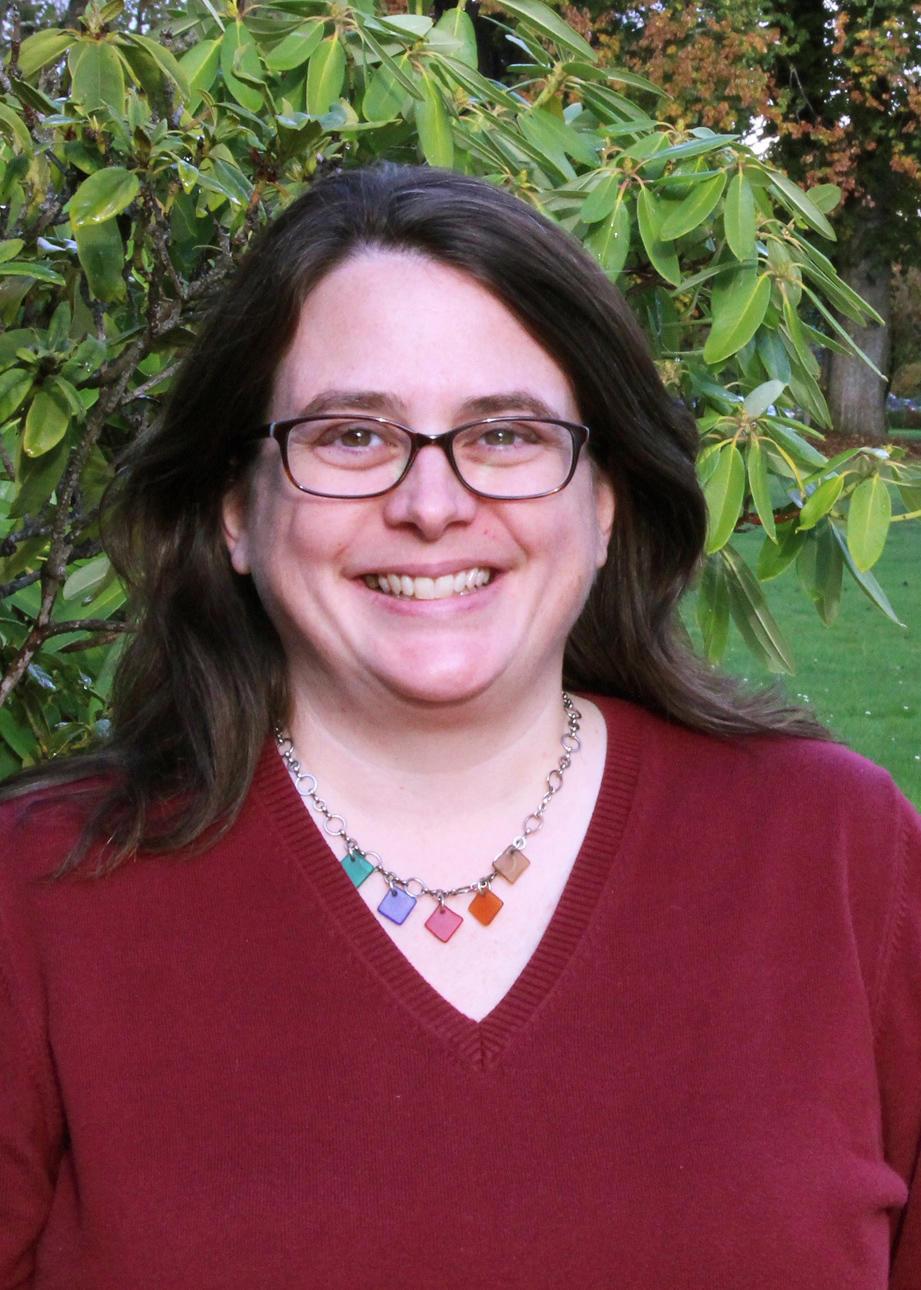
Amy Hoffman is honored to serve as the OSU Extension Service-Outdoor School Regional Coordinator for southern Oregon. She partners with districts, educators, and outdoor school providers in seven counties (Coos, Curry, Douglas, Josephine, Jackson, Klamath, and Lake) to ensure an inclusive, fun, and safe outdoor school experience for all of our youth. Amy earned a Bachelor’s of Science in Natural Resources and a Master’s of Science in Science Education. Amy has fifteen years of experience in environmental education leading hands-on, experiential place-based programming designed for K-20 learners, educators, and the general community. She has led student-driven service-learning projects, worked closely with teachers and school districts, and developed curriculum. Amy is passionate about connecting learners to our great outdoors through inquiry and action in their local communities. In her free time, Amy enjoys being outdoors, learning to play piano and viola, and spending time with her husband, their two dogs, and bunny.
From Educators to Community Liaisons – Our Role in the Face of Adversity
Southern Region
As educators, our roles in the communities we serve expand beyond delivering educational programming. OSU Extension faculty serve as community advocates and liaisons in the face of adversity Join Monse Alegria in today’s presentation about the importance of a community-based approach when developing programming in rural areas and the role of OSU Extension and partners in connecting communities to resources during COVID-19 and the Almeda and Obenchain fires in Southern Oregon.
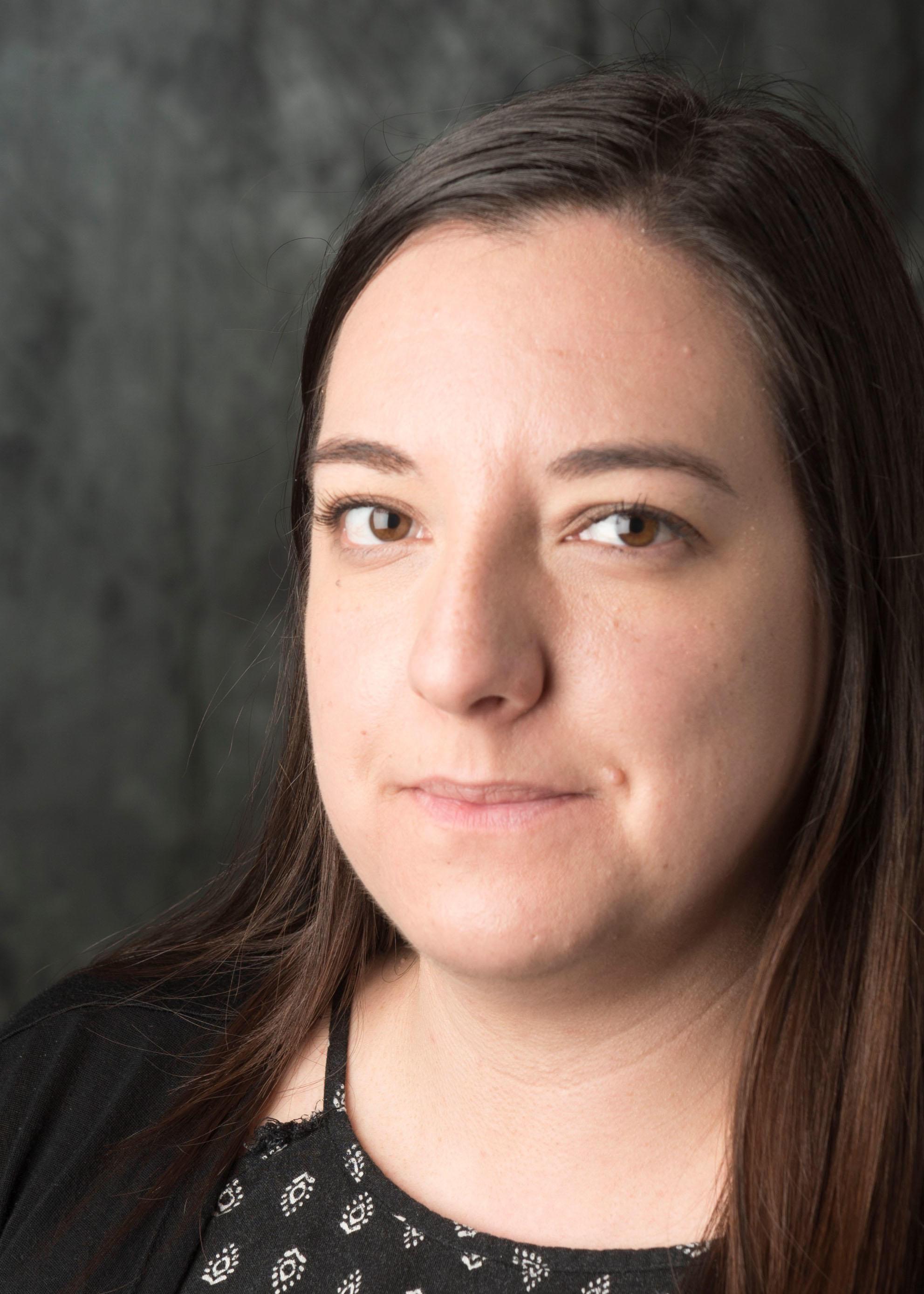
Monserrat Alegria is the OSU Open Campus Juntos coordinator in OSU Extension’s Southern region. Monse shares a position with Southern Oregon University (SOU). Her work with OSU Juntos and SOU Latino Programs enables her to provide culturally relevant educational programming for Latinx youth and families in the Rogue Valley.
Virtual Extension for the New, Hot Crop: the Southern Oregon Hemp Growers Forum
Jackson and Josephine Counties
With hemp rocketing to the #1 crop by acreage in Jackson and Josephine counties in 2019 and questions coming from every direction, it was clear that OSU Extension needed to provide targeted outreach to hemp growers in our region. For the 2020 season, the Southern Oregon Hemp Growers Forum was created to provide producers with high-quality information on hemp production and related regulations. Less than a month before the first forum in April, COVID-19 restrictions put the kibosh on the planned in-person format—so Zoom it was. With monthly sessions from April to November, we’ve hosted presenters discussing everything from seed selection to irrigation management and water quality protection to pre-harvest testing. More than 200 individuals have registered for the forums with most from Southern Oregon but also a few from as far away as Texas, British Columbia, and Ecuador, and many more have watched the recordings after-the-fact. Feedback has been overwhelmingly positive, and we are looking forward to another season of the Growers Forum in 2021.
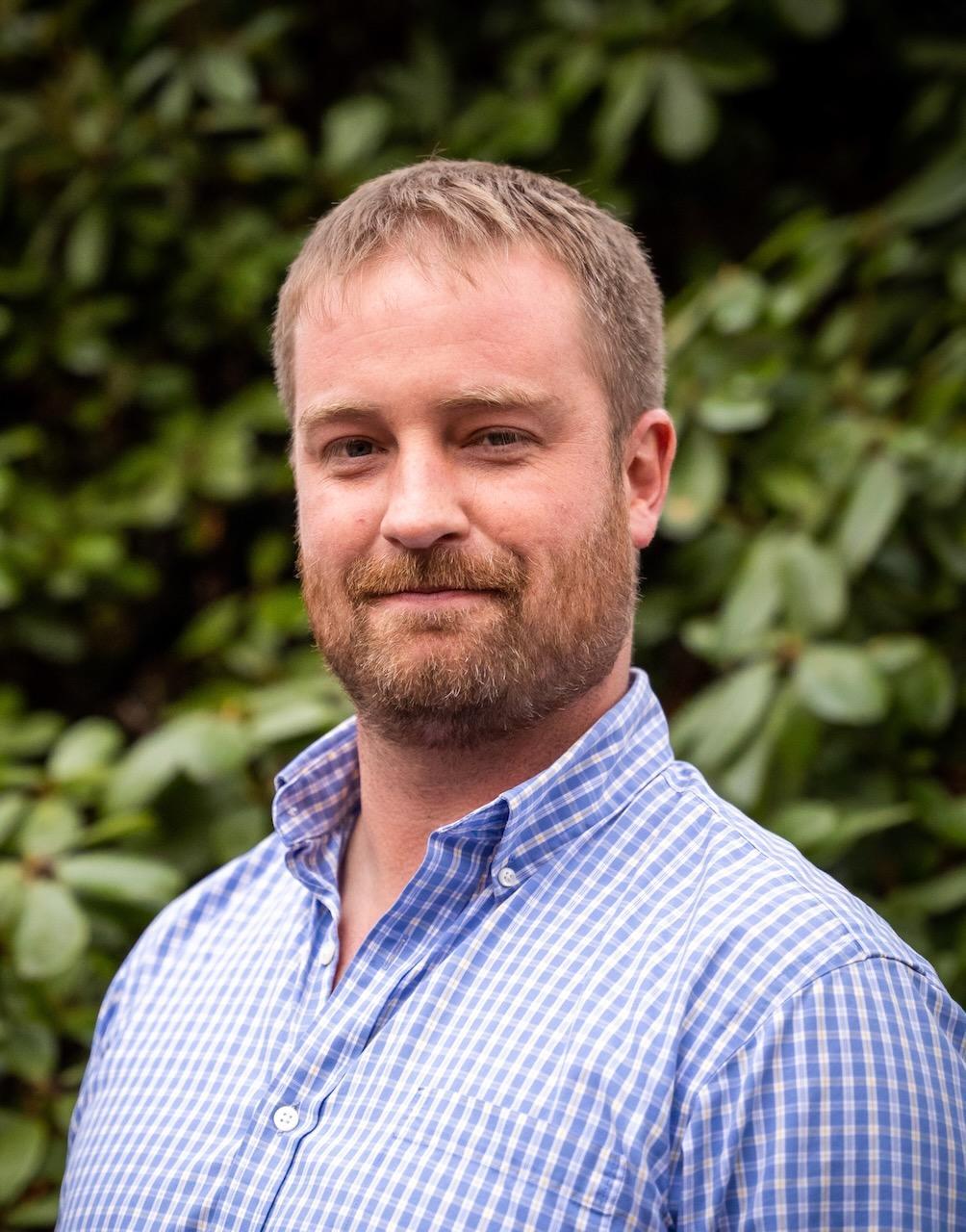
Gordon Jones is extension agriculture faculty at the OSU Southern Oregon Research and Extension Center in Central Point. He holds a B.S. in Environmental Studies and Sustainable Agriculture from Warren Wilson College and an M.S. and Ph.D. in Crop and Soil Environmental Sciences from Virginia Tech. Gordon conducts research, teaches extension classes, and provides technical assistance around pasture, hay, and hemp management, soil fertility, cover crops, and pesticide stewardship in Jackson and Josephine counties. When he’s not working, you’ll find Gordon cooking, taking photographs, hiking, and/or dreaming about a time when it will be safe to travel again.
The Grow it Oregon Challenge
Douglas County
The goal of SNAP-Ed (Supplement Nutrition Assistance Program Education, a program of the U.S. Department of Agriculture) is to engage participants in ways that inspires them to learn and empower them to make healthy nutrition decisions. This is our focus at every SNAP-Ed educational event and as we engage in partnerships and coalitions. COVID restrictions have shifted how we approach our work, but the goal remains fundamental.
The Grow It Oregon Challenge is a great example of how we shifted during the pandemic to engage our audience through social media. We had 3,500 individuals sign up through newsletters, gardening videos, and Facebook. During the Grow it Oregon Challenge campaign, packets of seeds were mailed to participants to help them learn how to grow their own produce and increase availability of fresh foods in their home. The Challenge was supported throughout the growing season with numerous resources, such as Facebook Live Questions & Answer sessions, videos, the Food Hero website and newsletters.
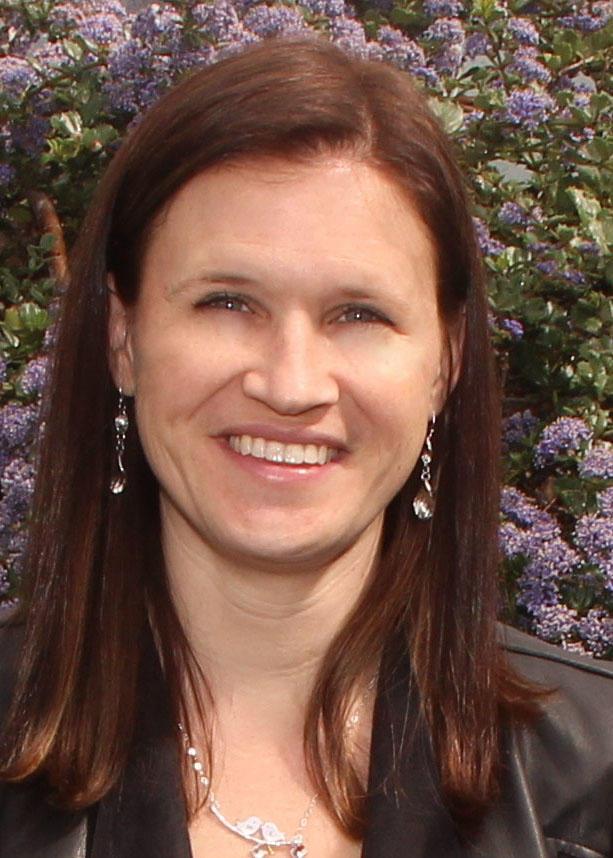
Mandy Hatfield attended Oregon State University where she received a Bachelor of Science in nutrition, food management and business administration.
She co-chairs the Blue Zones Umpqua Schools committee and is a member of the Food Policy committee. She has long-standing partnerships with Mercy Foundation and Feeding Umpqua, previously known as the UCAN Food Bank. Mandy’s partnership with Mercy Foundation provides funding for three SNAP-Ed Education Program Assistants, who are able to increase nutrition and physical activity programming for youth in Douglas County.
Mandy is married with two daughters who now attend Glide School District, continuing a family tradition that dates back to her grandparents. Her family spends lots of time together enjoying the North Umpqua River, which runs through the Glide area.
Cultivating Connections – Farm to School programs in southern Oregon
Klamath and Josephine Counties
Farm to School programs increase children’s access to and knowledge of fresh, local foods, and the producers that grow the food. Experiential, hands-on activities like growing, tasting and cooking food and visiting local farms are the hallmark of Farm to School education. In 2020, OSU Extension Service received over $1 million in grants from the Oregon Department of Education for 15 Farm to School programs statewide. Two of the top awards went to Josephine and Klamath County Extension programs.
Just as programs were ready to launch this spring, the COVID pandemic closed schools completely. Extension educators in Josephine and Klamath Counties pivoted to provide comprehensive garden and nutrition education through online learning platforms.
Impacts and lessons learned from navigating an ever-changing educational delivery system include:
- Leveraging established partnerships and communication tools
- Maintaining principles of education regardless of the medium
- Providing hands-on activities despite virtual delivery
- Reaching new and unexpected audiences
- Engaging parents and children together in a virtual environment
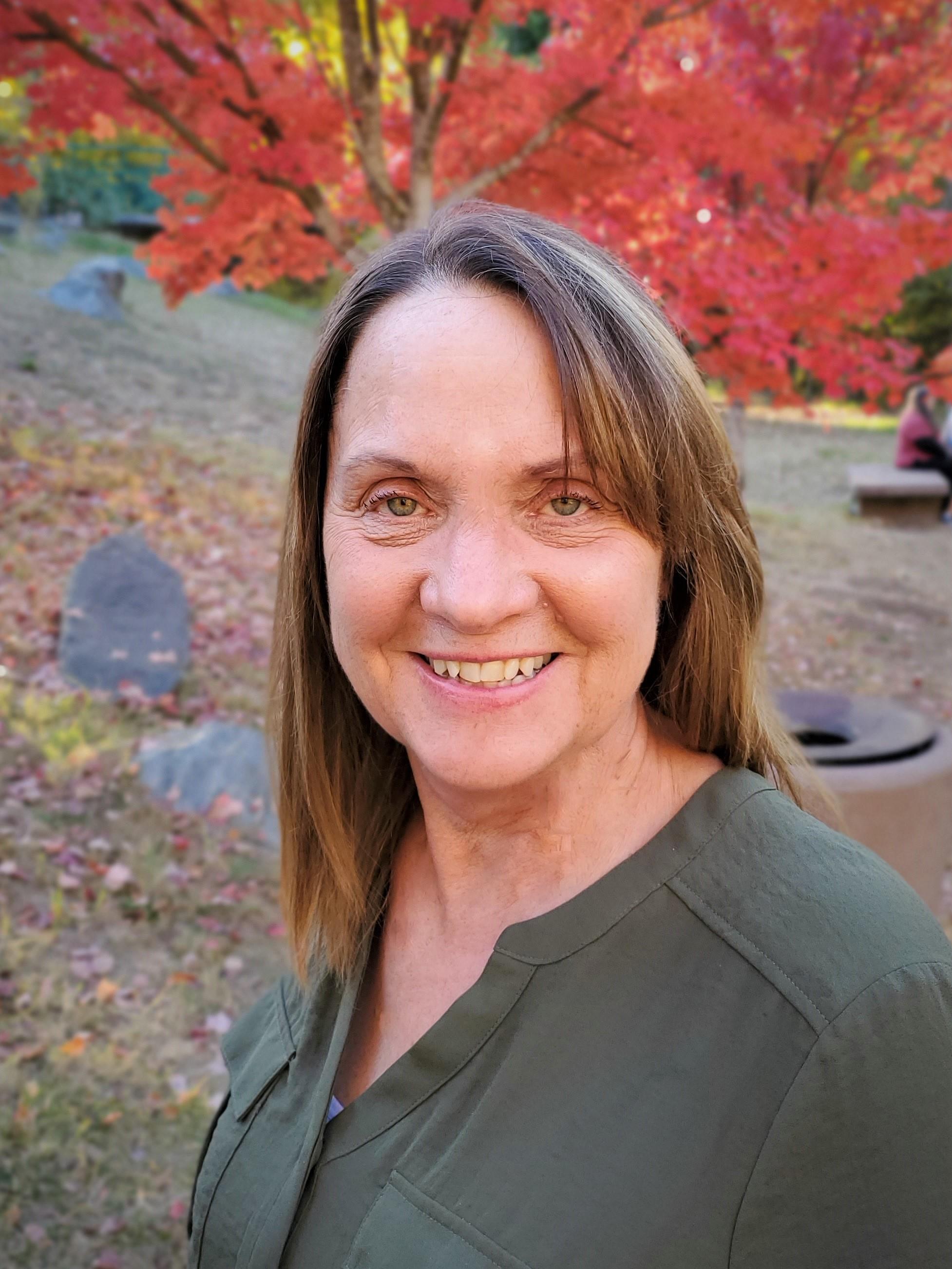
Cheryl Kirk is a registered dietitian and senior instructor for Family and Community Health Extension in Jackson and Josephine counties. She has over 30 years’ experience in community and clinical nutrition education in Oregon. Cheryl leads a team of five nutrition education staff who provide community-based nutrition education, physical activity and food resource management to youth, parents and older adults. Current projects include; Farm to School and Cafeteria Program, collaborating to develop a Food Hero campaign for older adults, and navigating community engagement with program partners in the online environment. Extension work feeds her passion for “connecting the dots” to bring people, programs and resources together to improve individual and community health. Cheryl’s points of pride are her two daughters: Talor, an elementary teacher in Eugene, and Claire who is currently an OSU student. Her favorite recreational activities are hiking, swimming in lakes and rivers, snorkeling in tropical water and cross-country skiing. Cheryl is looking forward to traveling again soon!