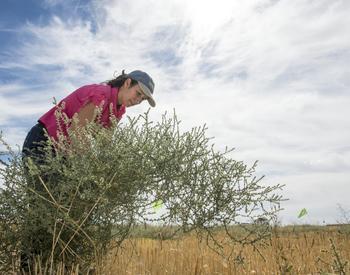
CORVALLIS, Ore. — After three years of research on working farms in Lincoln, Tillamook and Clatsop counties, Oregon State University researchers and partners now have clearer answers about which forage plants grow best in the pasture conditions of the central and north Oregon Coast.
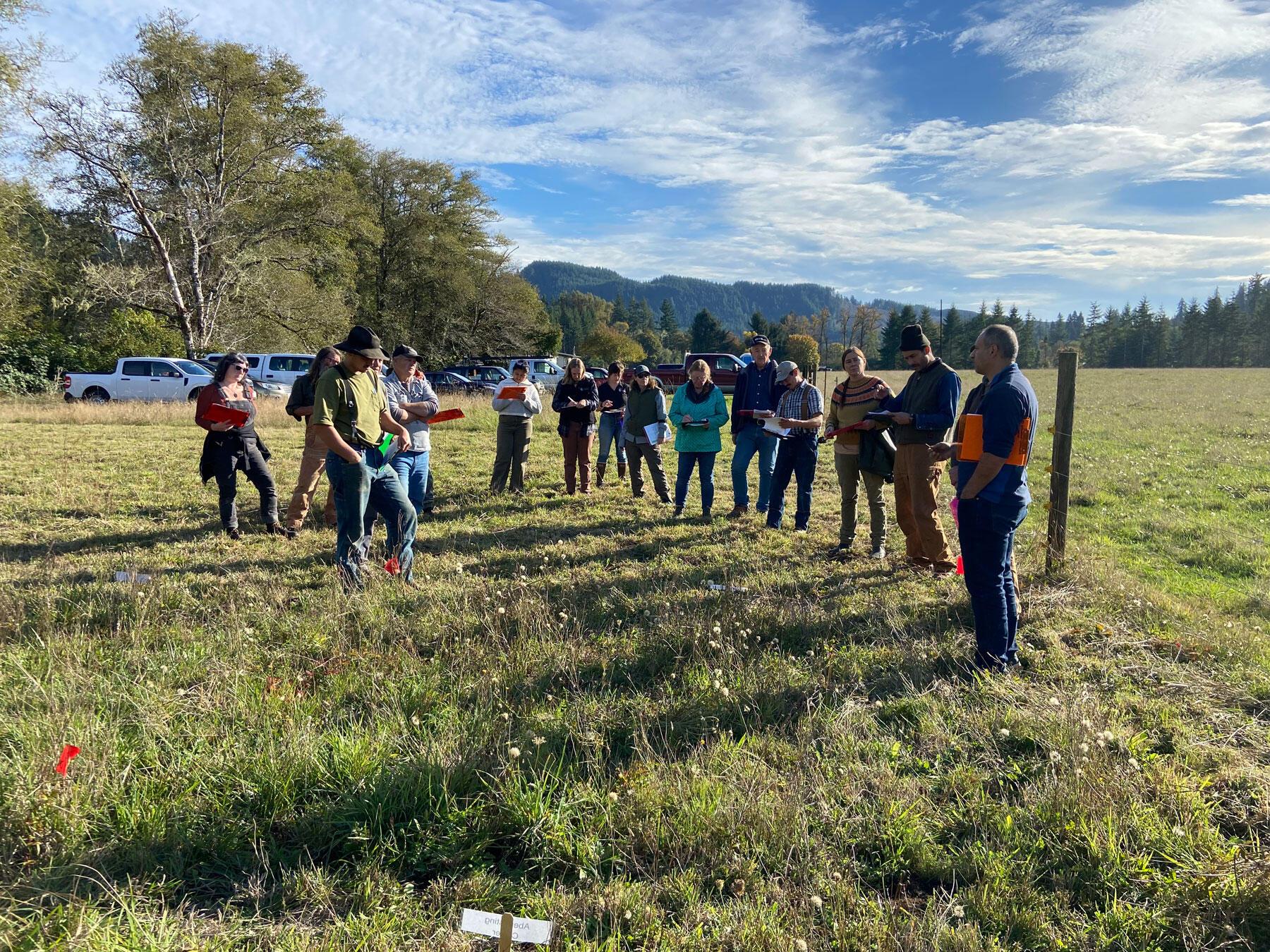
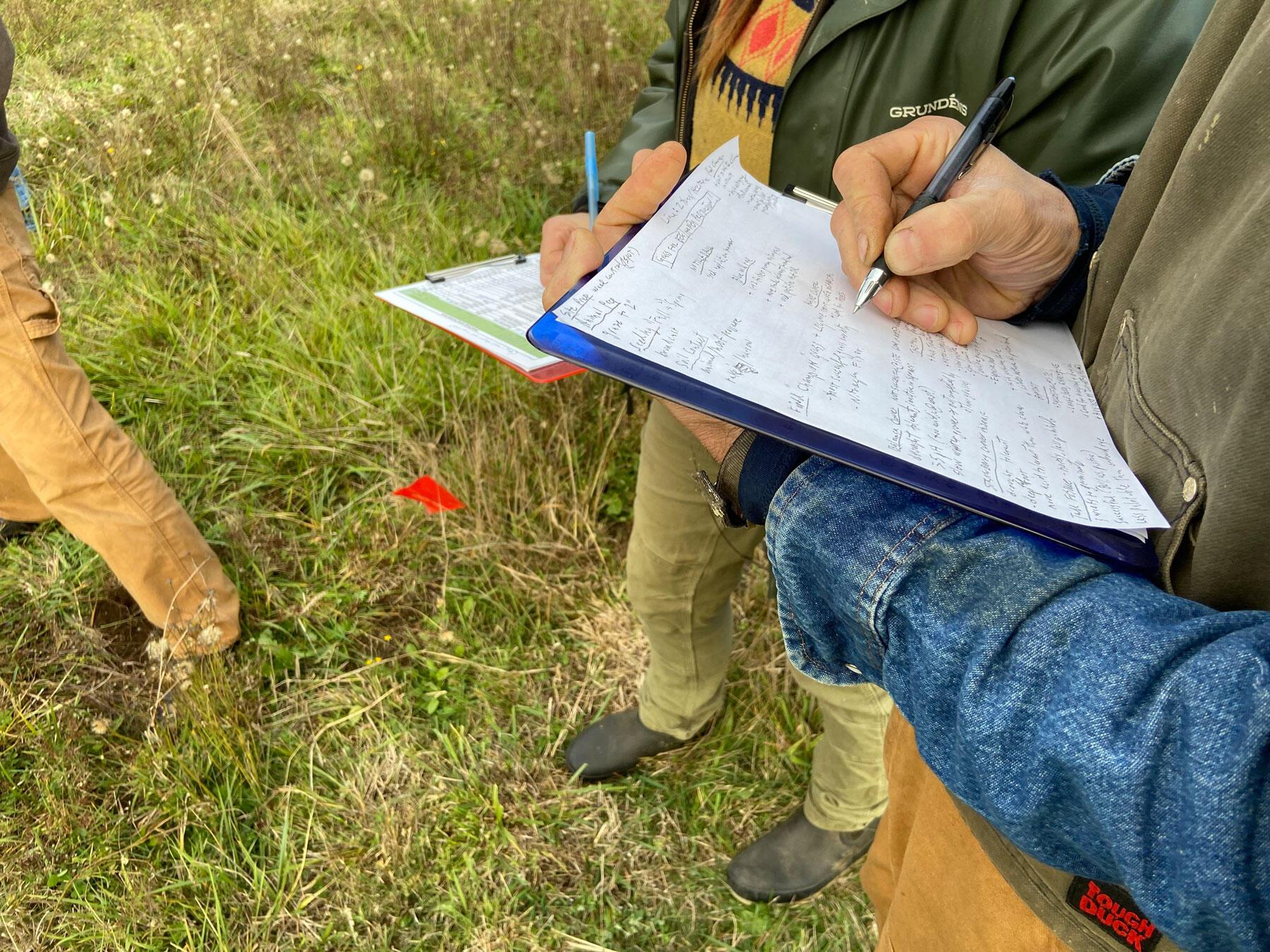
The findings were shared in October during a series of Coastal Forage Variety Field Days hosted by OSU Extension Service small farms programs in the three counties.
The project is a collaboration among OSU Extension, the Natural Resources Conservation Service (NRCS) and coastal farmers. The goal is to identify pasture species that perform well in the coast’s mild climate, frequent rainfall and acidic soils, and to improve methods for renovating pastures through overseeding.
“We didn’t have a great sense of pasture species that grow really well in our coastal environment,” said Evie Smith, small farms and community horticulture Extension agent for Lincoln County. “So, we gathered a group of farmer collaborators and resource providers like NRCS to put together a list of 24 varieties of species that we wanted to try out.”
The research, which was discussed in a webinar in addition to the in-person field days, provides practical value for farmers, according to Smith, by offering clearer guidance on which pasture plants are most likely to succeed in coastal conditions, helping them improve forage quality, extend the grazing season and make better use of their land.
The Natural Resources Conservation Service is an agency within the U.S. Department of Agriculture that works with farmers and landowners to conserve soil, water and other natural resources through technical assistance and conservation programs.
On-farm testing across three counties
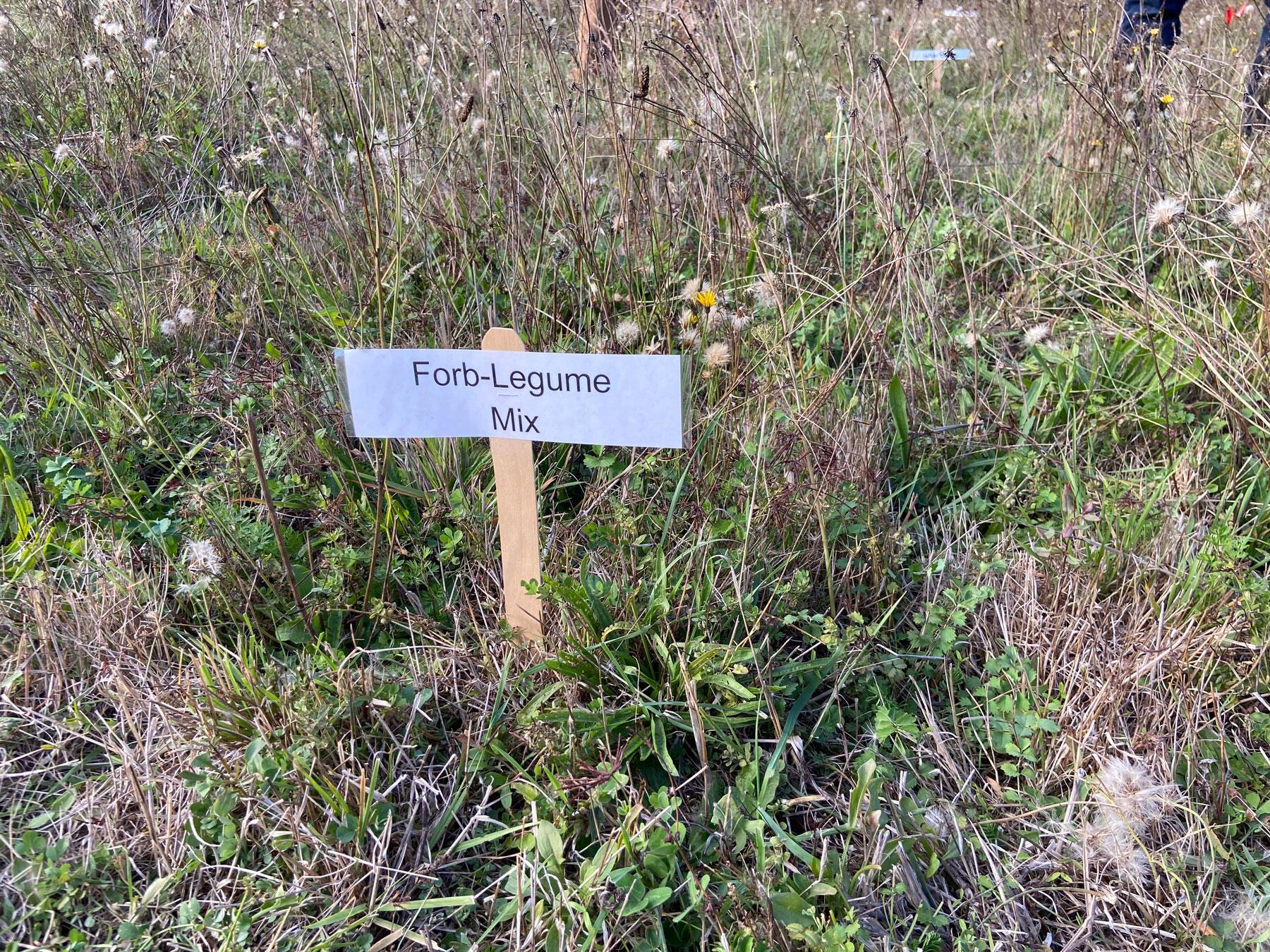
Researchers first planted trial plots on five farms in the three counties, using 10-by-12-foot plots. Over time, the project was refined to three main sites.
The team selected plant varieties to match three major coastal climate aspects: mild temperatures, heavy rainfall that can cause waterlogging, and naturally acidic soils.
“We get between 70 and 100 inches of rain annually in portions of our coastal counties,” Smith said. “We wanted to try some species that would do OK, or even well, in those kinds of conditions.”
The trial included plants from three main pasture functional groups: grasses, legumes and forbs, which are non-leguminous broadleaf plants.
What the trial showed
Several plants stood out for how well they established and held up over time.
Among the forbs, salad burnet and forage plantain performed especially well. Salad burnet grew successfully at all sites. It established in both spring and fall plantings and continued growing even under heavy grazing.
Forage plantain also established and persisted at the trial sites. It grows upright, produces more plant material, regrows well after grazing and is highly palatable to livestock. Researchers also observed that forage plantain has moderate drought tolerance and may help reduce nitrogen loss from pastures.
Chicory showed limited germination in the trial, likely because fall is not an ideal time to plant it. Some plants did establish, and where present continued growing into the summer in unirrigated pastures.
Among grasses, tall fescue proved to be one of the most reliable species. It performed well in both high- and low-rainfall conditions and stayed green later in the season than many other perennial grasses, though it is often less palatable than some alternatives.
The trial also included novel endophyte tall fescue, which is bred to avoid livestock health problems linked to harmful endophytes (fungi) found in some tall fescue plants. While harmful endophytes are not known to be widespread on the coast, the variety was included to evaluate future options. It established at the Lincoln and Clatsop sites but did not establish at the Tillamook site.
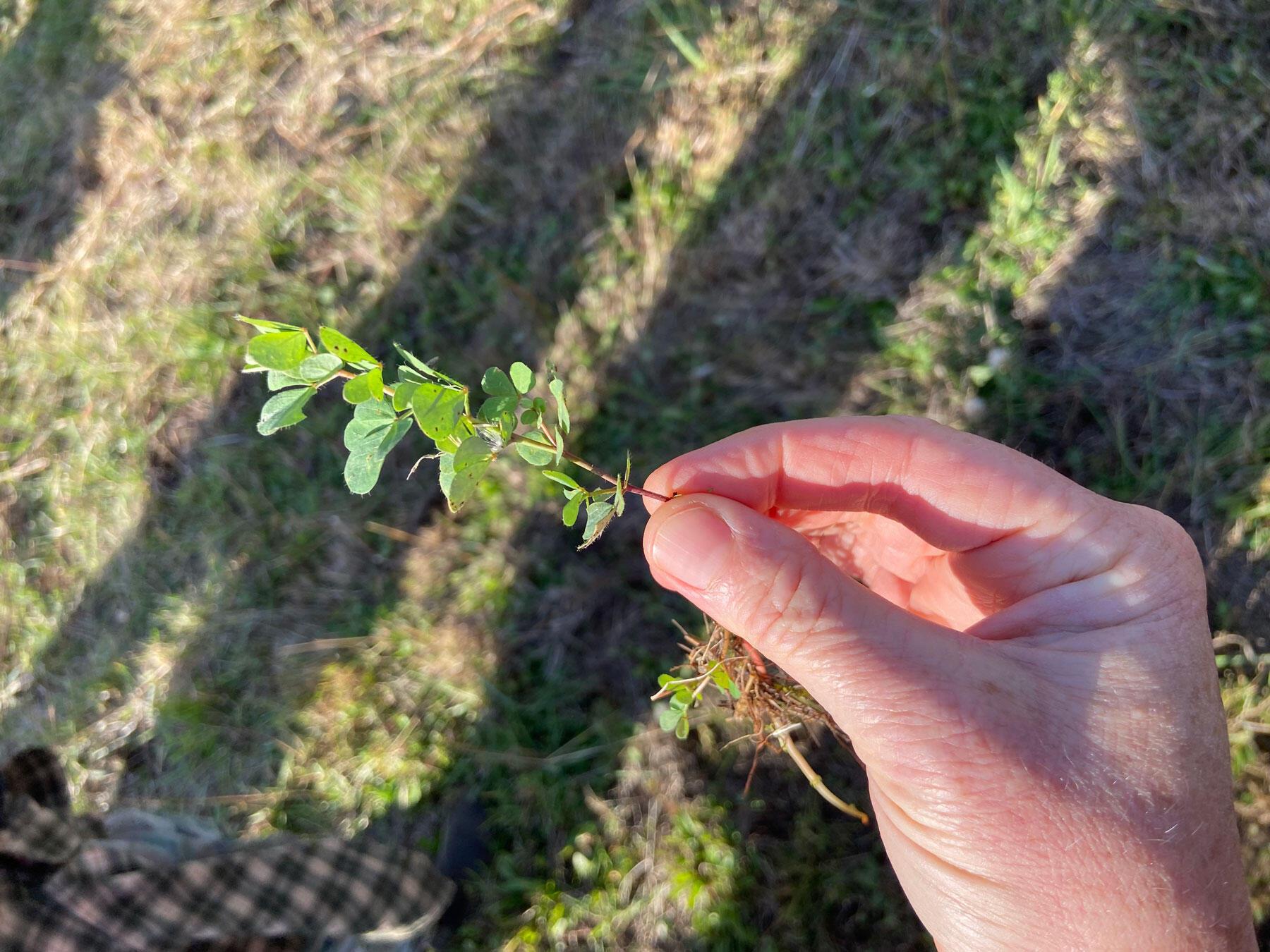
Among legumes, big trefoil and birdsfoot trefoil showed promise. Both fix nitrogen, provide high-protein forage, are highly digestible and contain compounds that help reduce internal parasites in livestock. They establish slowly, which can make overseeding difficult, but once established they extend the grazing season.
The trial also tested sweet blue lupine, which grew well in highly acidic soils and produced a large amount of forage early in the season. After being mowed to simulate grazing, however, the lupine did not regrow under coastal conditions. The variety used does not contain the compounds found in some lupines that can harm livestock reproduction.
White clover, a common pasture species on the coast, showed lower production in the trial, possibly due to how the sites were prepared. Researchers noted that white clover remains widely used because of its high protein, good digestibility and ability to tolerate wet soils.
Turning research into pasture decisions
The study also highlighted the importance of good preparation prior to pasture renovation. Researchers found that controlling weeds, lowering existing pasture height before planting, ensuring good seed-to-soil contact and timing planting with seasonal rainfall were key to successful overseeding.
At the field days, producers viewed the trial plots, discussed results with researchers and Extension educators, and learned how the findings could apply to their own farms.
In addition to producers, the findings benefit the broader public by supporting a more stable local food system, healthier soils and waterways, and long-term agricultural sustainability along the Oregon Coast.