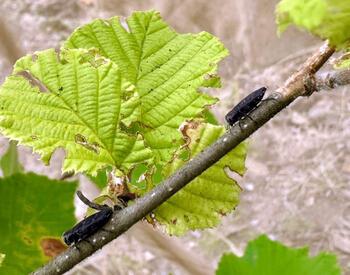
Alfalfa weevil (Hypera postica) is one of the most economically important insect pest of alfalfa in the Western U.S., reducing yield and quality of the first cutting in many alfalfa fields in many years. Recently, resistance has been observed to pyrethroid insecticides (Warrior II, Mustang Maxx, etc.), a commonly used class of insecticide for controlling alfalfa weevils. Since 2016, pyrethroid resistance has been documented in alfalfa weevil populations in Arizona, California, Montana, Wyoming, Washington, and in Umatilla county, Oregon in 2021 and Crook and Deschutes counties, Oregon in 2024.
The increased incidence of pyrethroid resistance requires renewed attention to integrated pest management principles and significant efforts in integrated resistance management to prevent further resistance from developing in the remaining insecticide modes of action.
This page contains resources to help alfalfa growers and pest managers understand insecticide resistance and effectively manage resistant alfalfa weevil populations in hay crops.


Use pesticides safely!
- Wear protective clothing and safety devices as recommended on the label. Bathe or shower after each use.
- Read the pesticide label—even if you’ve used the pesticide before. Follow closely the instructions on the label (and any other directions you have).
- Be cautious when you apply pesticides. Know your legal responsibility as a pesticide applicator. You may be liable for injury or damage resulting from pesticide use.
Trade-name products and services are mentioned as illustrations only. This does not mean that the Oregon State University Extension Service either endorses these products and services or intends to discriminate against products and services not mentioned.