
Four species of Centaurea are commonly found in Central and Eastern Oregon, including spotted knapweed (Centaurea maculosa), diffuse knapweed (Centaurea diffusa), Russian knapweed (Centaurea repens) and yellow starthistle (Centaurea solstitialis). These four species are a serious problem throughout Oregon and the Pacific Northwest. Stands of knapweed can choke out natural vegetation by competing for water and nutrients.
Knapweeds’ ability to spread rapidly by seed and roots on disturbed soil makes control difficult. Seeds can be carried and spread by wind, water, foot traffic, wildlife, and livestock, and in hay feed. Once a seed “bank” is established in the soil, it can take several years to eradicate a knapweed species from a site.
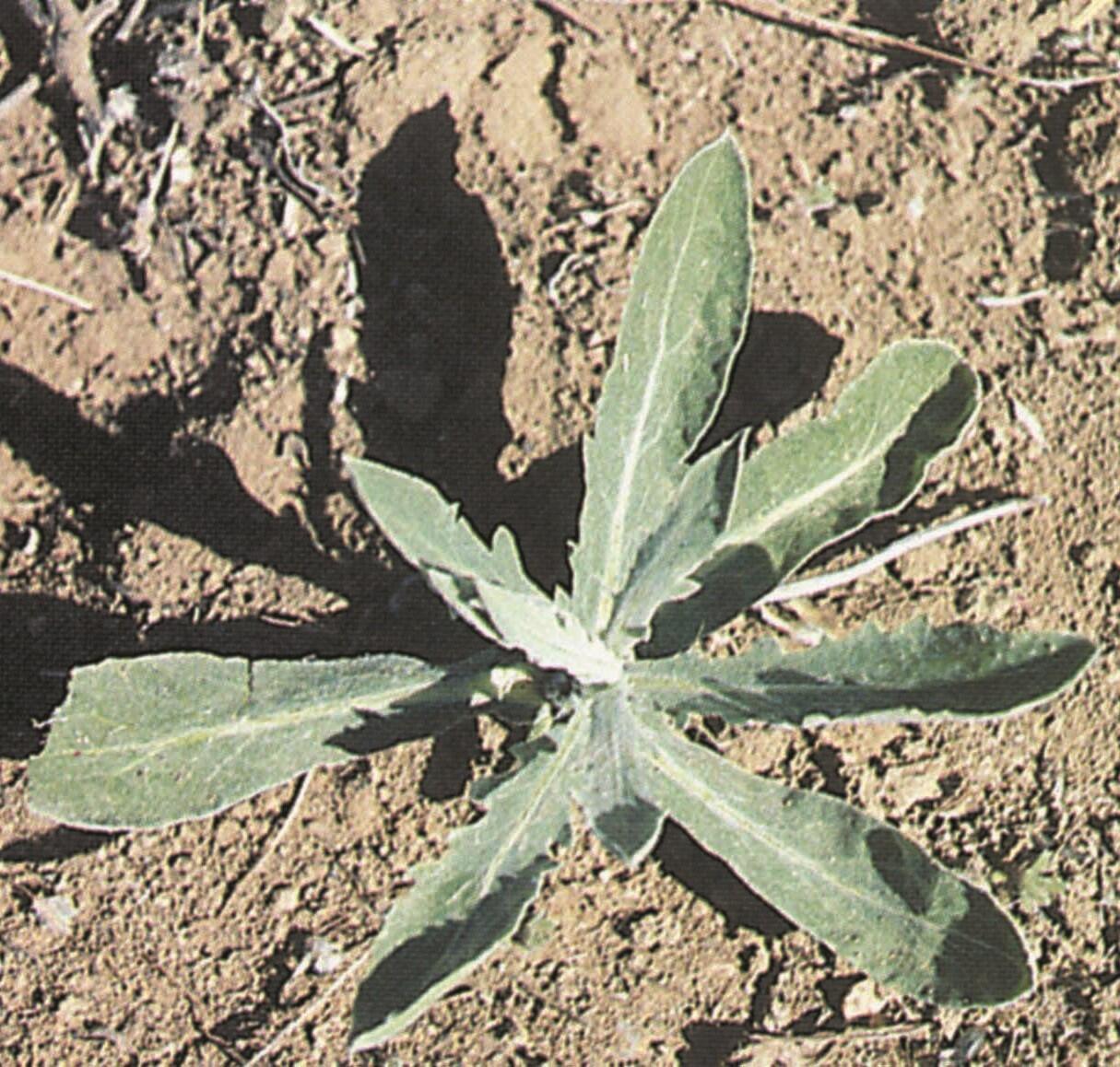
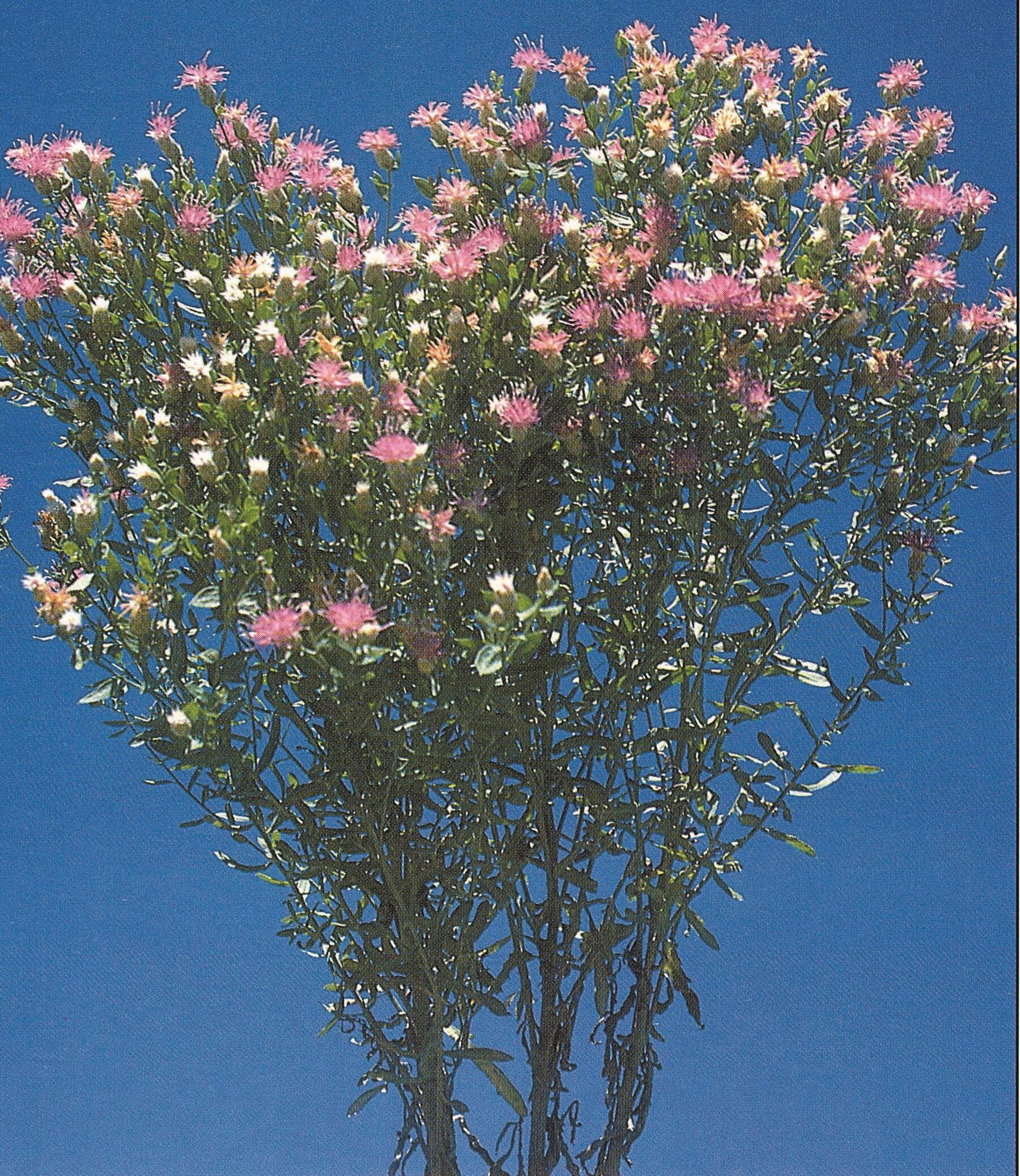
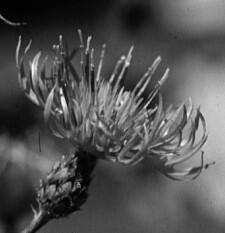
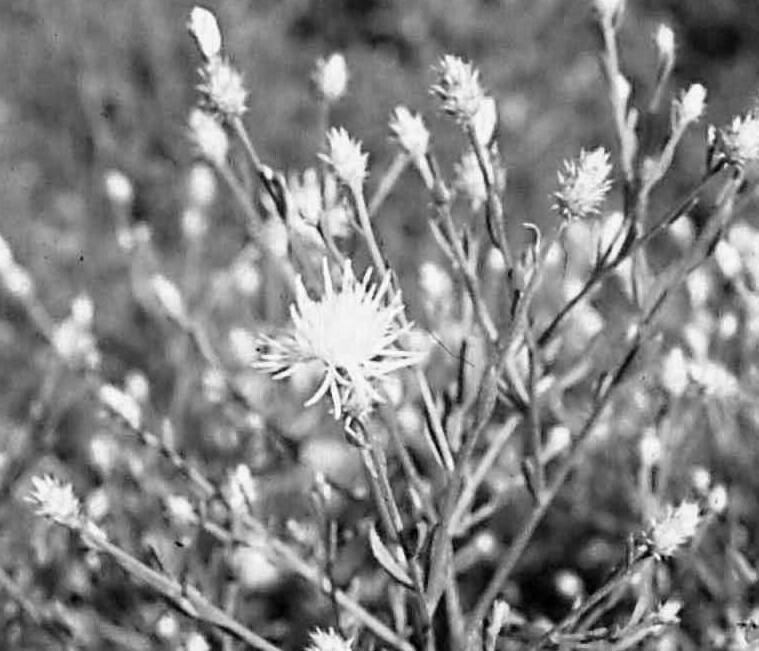
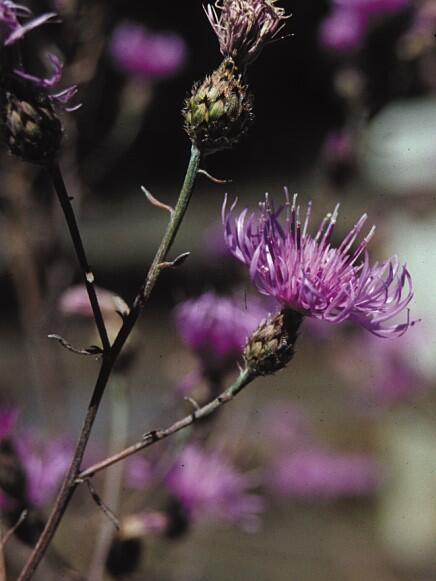
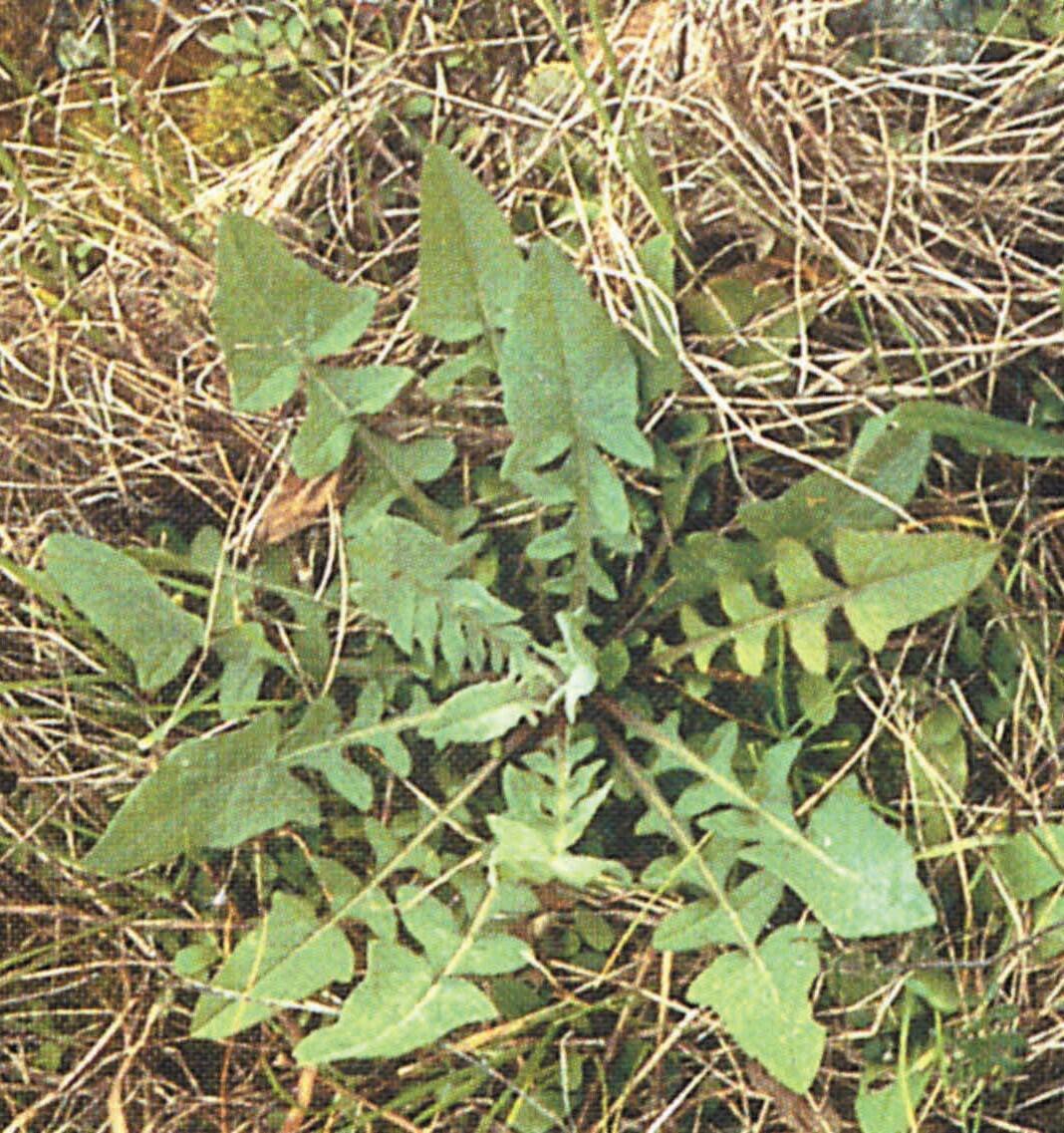
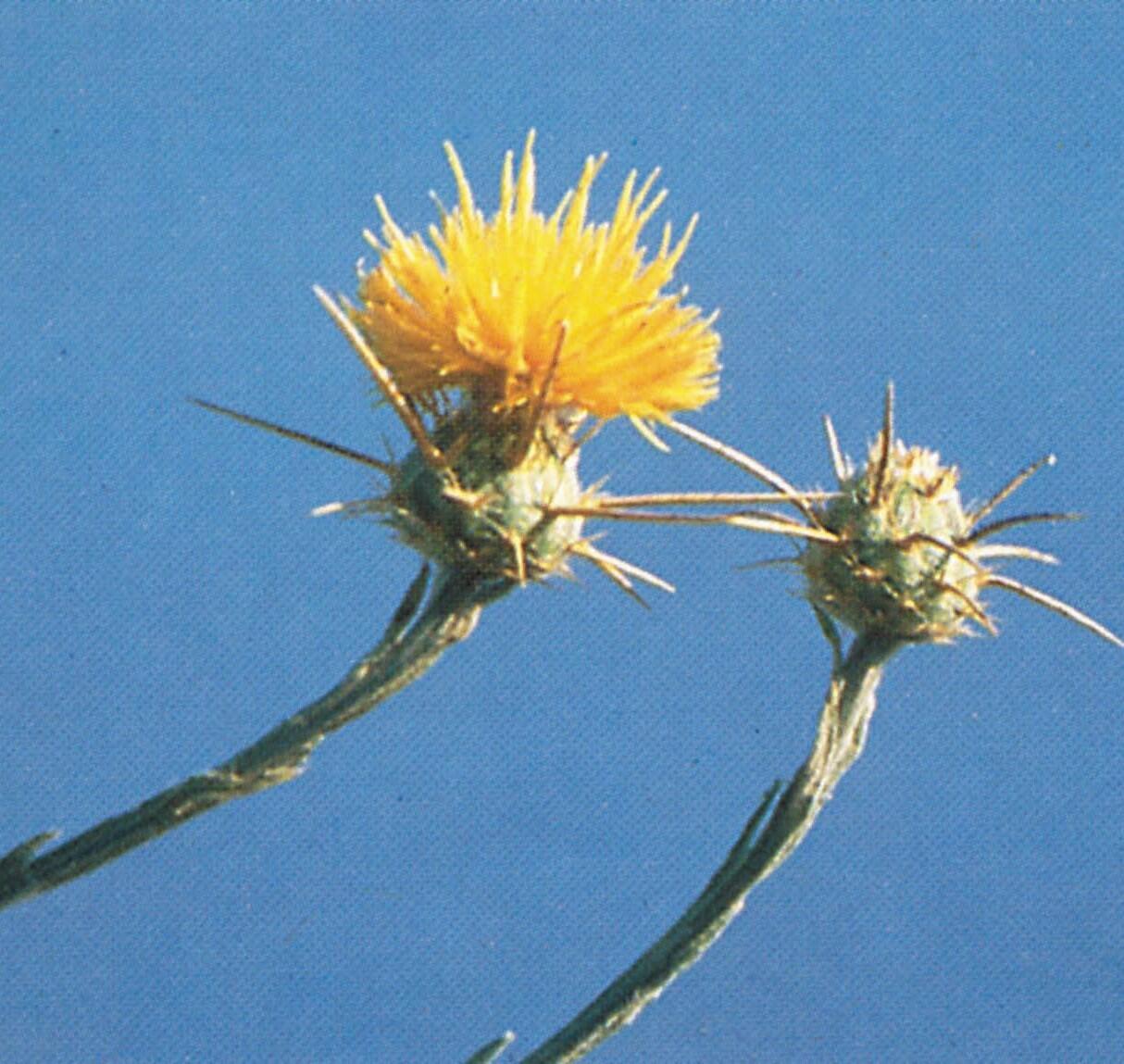
Knapweeds bloom white, pink, purple or yellow from June through October. See below for descriptions of these weeds. Figures 1–9 show the four species in their rosette and mature stages. Control methods are discussed below.


Potential hazards
Knapweed species are considered noxious weeds. Their abundance threatens to exclude native and desirable plants and to cause economic and ecological losses. Knapweed species can be toxic to the skin for some individuals, so be sure to wear gloves when pulling them. Prolonged consumption of Russian knapweed and yellow starthistle by horses can lead to the development of “chewing disease,” a nervous system disorder that can result in death.
Management
Timing is important for effective control. Unfortunately, most people do not recognize a knapweed species until it is flowering. By that time, hand removal and chemical control are less effective than they are against younger plants.
Practicing a combination of mechanical, cultural, chemical and biological control is by far the most effective way to manage these species. The key to control is a sustained, continuous effort.
Mechanical control
If you have large areas of spotted knapweed, diffuse knapweed or yellow starthistle, you can initiate control by burning, mowing or pulling by hand.
Prescribed or controlled burning can be a very successful way to control noxious weeds. Fire quickly destroys all aboveground parts of knapweed plants. In some cases, heat from the fire may stimulate rapid seed germination, resulting in quick emergence of a great number of weeds. By speeding up the germination process, the seed bank is reduced more quickly and you can manage these weeds sooner rather than later.
For spotted and diffuse knapweed, burning is effective anytime during the growing season. For yellow starthistle, burning is most successful at the very early flowering stage. Burning is not as effective against Russian knapweed, which spreads by roots.
Spotted knapweed, diffuse knapweed and yellow starthistle can be mowed repeatedly depending on the time of year and plant growth stage. Mowing is effective until the plant reaches the flowering stage; after the plant flowers, mowing will spread new seeds. Mowing is not as effective against Russian knapweed.
All four species can be pulled by hand anytime throughout the year. Be sure to wear gloves.
All of these weeds can be left on the ground once pulled or mowed, as long as they are not flowering and have not gone to seed. If the plant is flowering or setting seed, remove the flower or seed head. Place it in a plastic bag and dispose of it in your garbage.
Moderate grazing by livestock (except horses) is effective for suppression of yellow starthistle, spotted knapweed and diffuse knapweed in pastures.
Cultural control
Once you have cleared an area of knapweed, consider how you want to use the land and how to prevent reinfestation. Planting and managing competitive grasses and wildflowers is one of the best ways to prevent new weeds from establishing. Native or perennial grasses are a good choice in most areas.
Be sure to consider your planting site, soil and amount of available irrigation when selecting plants. The following grasses are well-adapted to the high desert environment.
- For an area with 9 to 15 inches of annual precipitation, you could use several of the wheatgrasses, including crested (Agropyron desertorum), bluebunch (Agropyron spicatum), Sherman big (Poa ampla ‘Sherman’), western (Pascopyrum smithii), thickspike (Elymus lanceolatus), Siberian (Agropyron sibiricum), intermediate (Agropyron intermedium), and streambank (Elymus lanceolatus ‘Sodar’). Indian ricegrass (Oryzopsis hymenoides), sheep fescue (Festuca ovina), Idaho fescue (Festuca idahoensis), and Canada wildrye (Elymus canadensis) also can be used in these locations.
- Grasses that could be used in areas with greater annual precipitation (15 to 20 inches) include bromes (Bromus spp.), orchardgrass (Dactylus glomerata), Idaho fescue (Festuca idahoensis), tall fescue (Festuca arundinacea), and meadow foxtail (Alopecurus pratensis).
Chemical control
Several herbicides are effective against diffuse knapweed, Russian knapweed, spotted knapweed, and yellow starthistle. Current herbicide options are listed in the annual edition of the Pacific Northwest Weed Management Handbook. Be sure to read the label and follow all instructions when using a herbicide!
Successful weed treatment with herbicides depends upon timing and appropriate chemical use. Herbicide effectiveness varies depending on the growth stage of the weed. For example, some knapweed species are more susceptible to certain herbicides as young plants in the rosette stage (Figures 1, 3, 5 and 7) than they are in the flowering stage. The herbicide label will indicate directions for use and the best time to apply the product to the targeted weed.
Consider whether to use a selective or a nonselective herbicide based on the location of the knapweed species. (Selective herbicides target only specific kinds of weeds, whereas nonselective herbicides target a broad range of weeds with few exclusions.) Special consideration should be given to herbicide use in a pasture; some selective herbicides will target a knapweed species without killing desirable grasses.
Do not add chemically treated plants to your compost pile.
Biological control
Several biological control agents such as weevils and flies are being introduced for knapweed management. In drier parts of Oregon and Washington, Larinus minutus (lesser knapweed flower weevil) is effective in reducing the production of new diffuse and spotted knapweed seeds by attacking the flowers. This insect is providing excellent control in these areas. Other insects, such as the hairy weevil (Eustenopus villosus), provide effective control of yellow starthistle.
These biological control methods still are being evaluated. They seem to be showing success; however, the result is slow control, not immediate eradication. A list of biological control agents for knapweed is available in the current edition of the Pacific Northwest Weed Management Handbook.
Identification of knapweeds
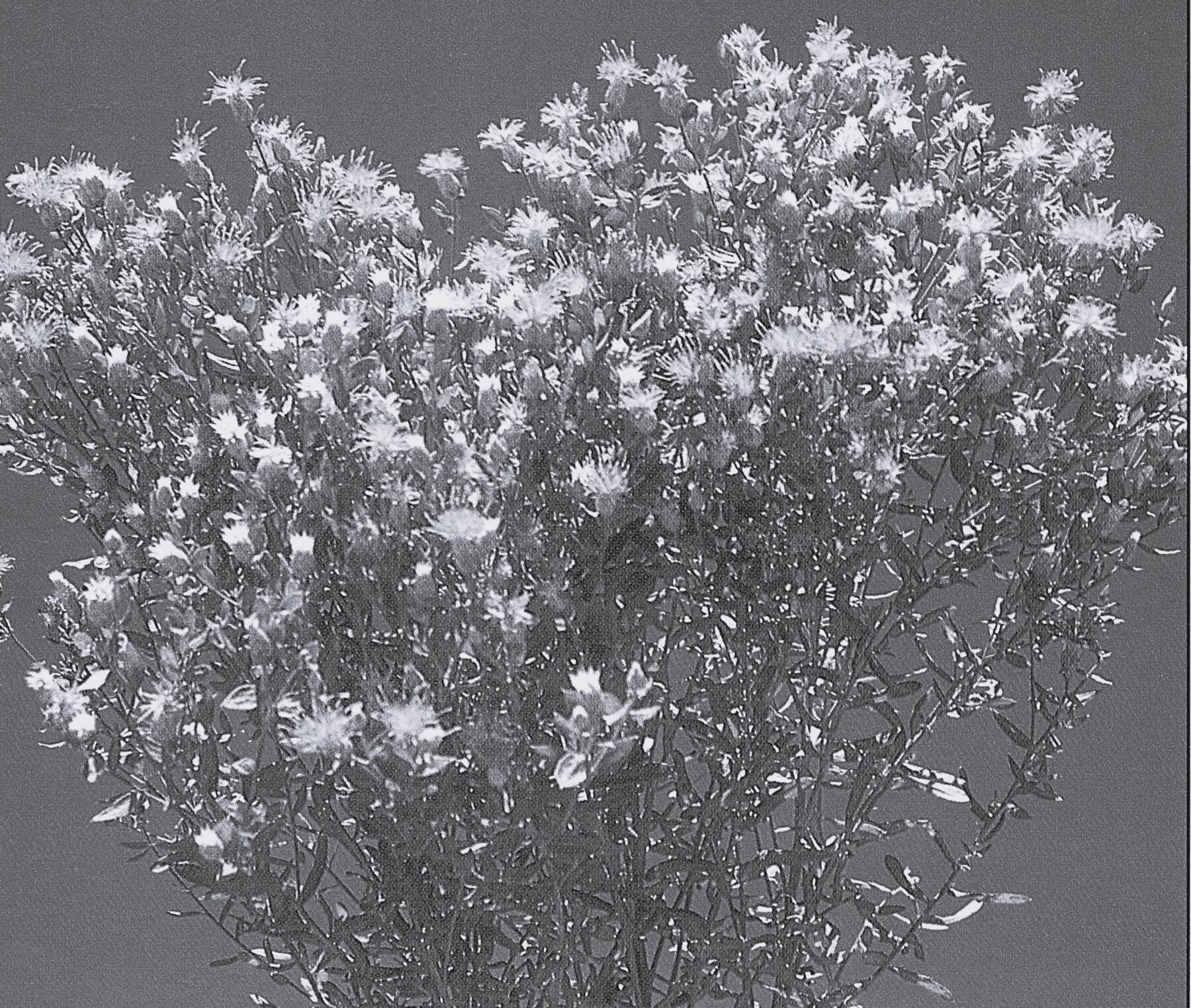
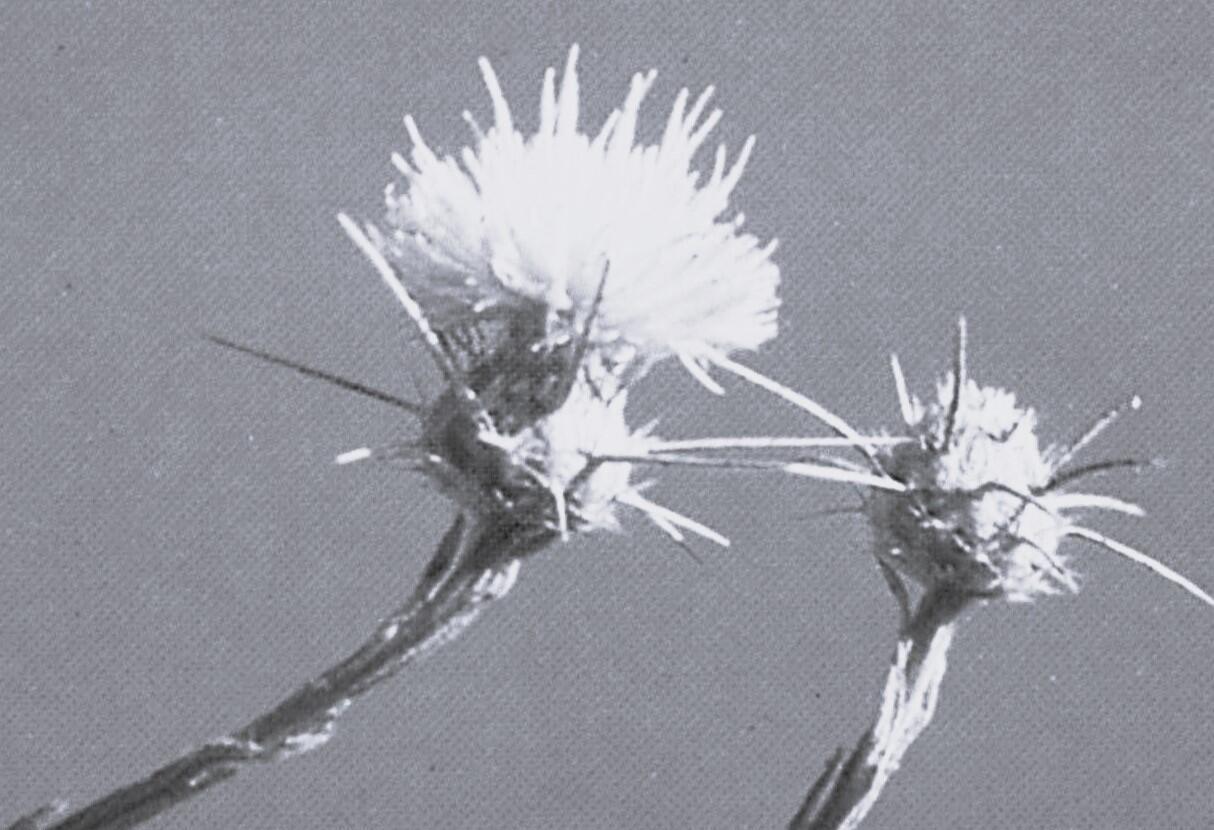
|
Spotted knapweed Centaurea maculosa |
Diffuse knapweed Centaurea diffusa |
Russian knapweed Centaurea repens |
Yellow starthistle Centaurea solstitialis |
|
|---|---|---|---|---|
|
Growth habit |
1–3 feet tall. Biennial or shortlived perennial. A rosette forms the first year, followed by flowering stalks the second year | 1–2 feet tall. Upright branching annual or short-lived perennial (biennial). Smaller in size than spotted knapweed. | 1.5–3 feet tall. Creeping, clump-forming perennial that spreads by both seed and rhizome. | 1–3 feet tall. Winter annual that forms a rosette in the beginning of the season, followed by upright, rigid, branching stems. |
|
Leaves |
Medium green color with a silvery-gray cast. On young plants, the leaves are deeply lobed, becoming more narrow and elliptical on mature plants. | Silvery-green. Lower leaves are divided; upper leaves are narrow and elliptical in shape. | Silvery-green. Lower leaves are long and usually lobed; upper leaves are smaller and toothed or entire. | Grayish-green. Basal leaves are deeply lobed. Upper leaves are smaller and pointed. |
|
Root system |
Stout taproot. | Elongated taproot. | Dark brown to black, horizontal. | Taproot. |
|
Flower |
Solitary purple, pink or sometimes white ray flowers about 1–1.5 inches across. A key feature is the flower bract, which has dark, fringed tips (Figure 6). | White, rose or purple. Bracts are covered with distinct “comblike” spines (Figure 4). | Pink to purple. Bracts are somewhat pearly and papery, similar to parchment paper (Figure 2). | Single, terminal, bright yellow bracts are covered with spines that can be up to 0.75 inch long (Figure 8). |
|
Culture |
Tolerates both dry and moist areas, sunny or shady conditions. This plant will occupy roadsides, pastures or hills. More common than diffuse or Russian knapweed in central Oregon. | Establishes in dry, sunny locations on roadsides, waste areas and pastures. | Tolerates both dry and moist environments, sunny and shady locations. Usually establishes in pastures. | Adapts to both dry and moist environments, most soil types, and a sunny or shady environment. Establishes in pastures, along roadsides and in waste areas. |

For more information
French, K., L.C. Burrill and T.V. Butler. 1999. Problem Thistles of Oregon, EC 1288.
Larson, L., R. Sheley, M. McInnis, and G. Kiemnec. 1995. Yellow Starthistle Ecology and Management on PNW Rangelands, EM 8580.
Whitson, T.D., L.C.Burrill, S.A. Dewey, D.W. Cudney, B.E. Nelson, R.D. Lee and R. Parker. 1992. Weeds of the West.
Pacific Northwest Weed Management Handbook (revised annually).
Many OSU Extension Service publications may be viewed or downloaded from the Web. Visit the online publications and videos catalog.

About the author

