
Reduce your water use by up to 75% by planning your landscape and selecting the right plants.
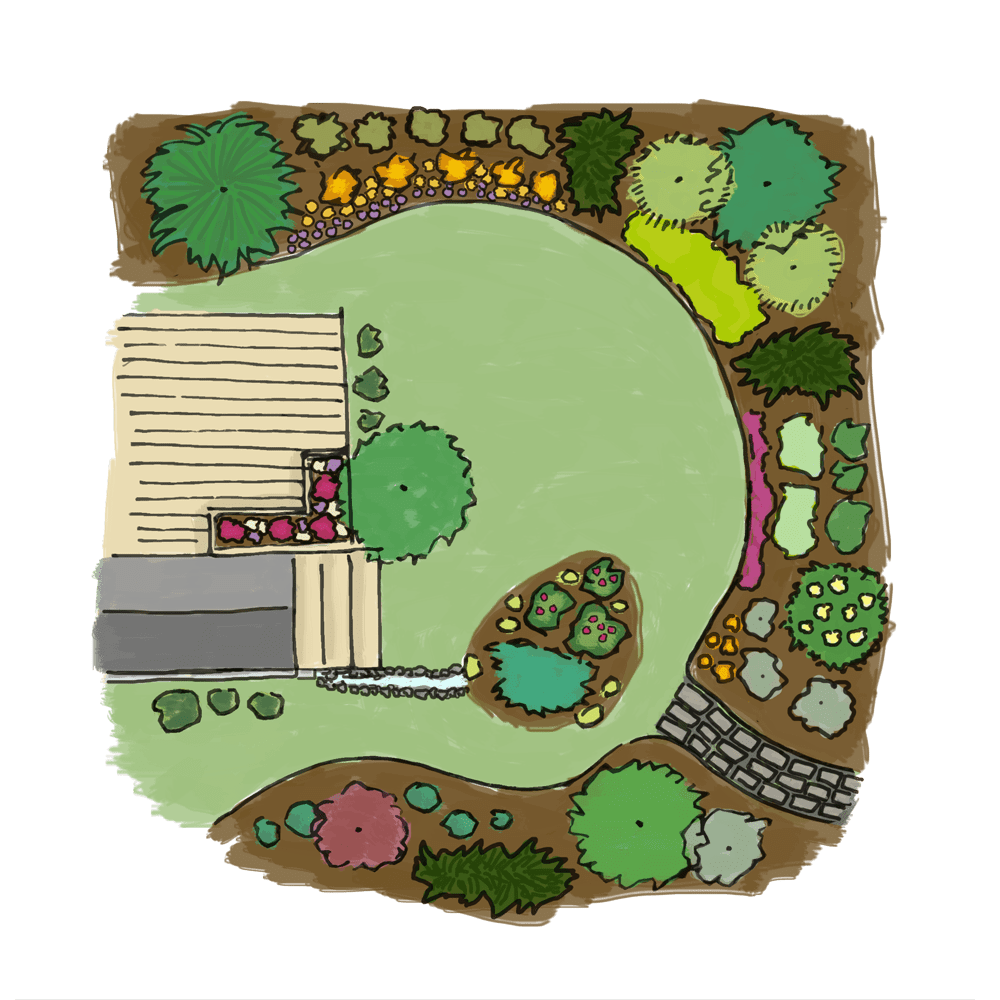
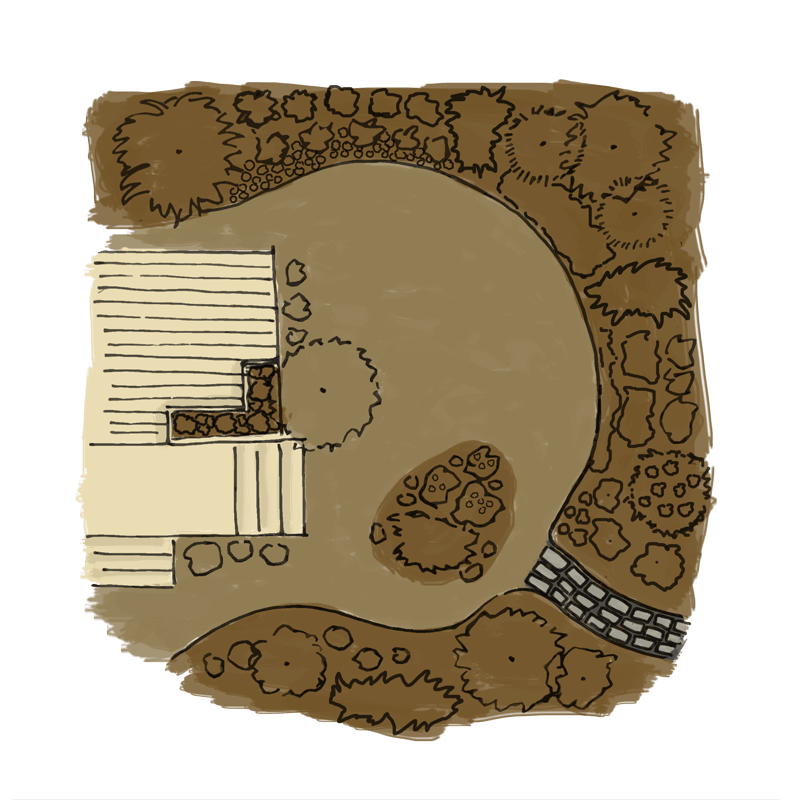
Start with a landscape plan
Whether you draw the plan or hire a pro, make sure your landscape is water efficient.
Improve your soil
Add compost to soil and increase the nutrients, absorption and water storage. A soil test will tell you which nutrients you need.
For tree, shrub and flower beds, till 2–4 inches of organic matter into the area.
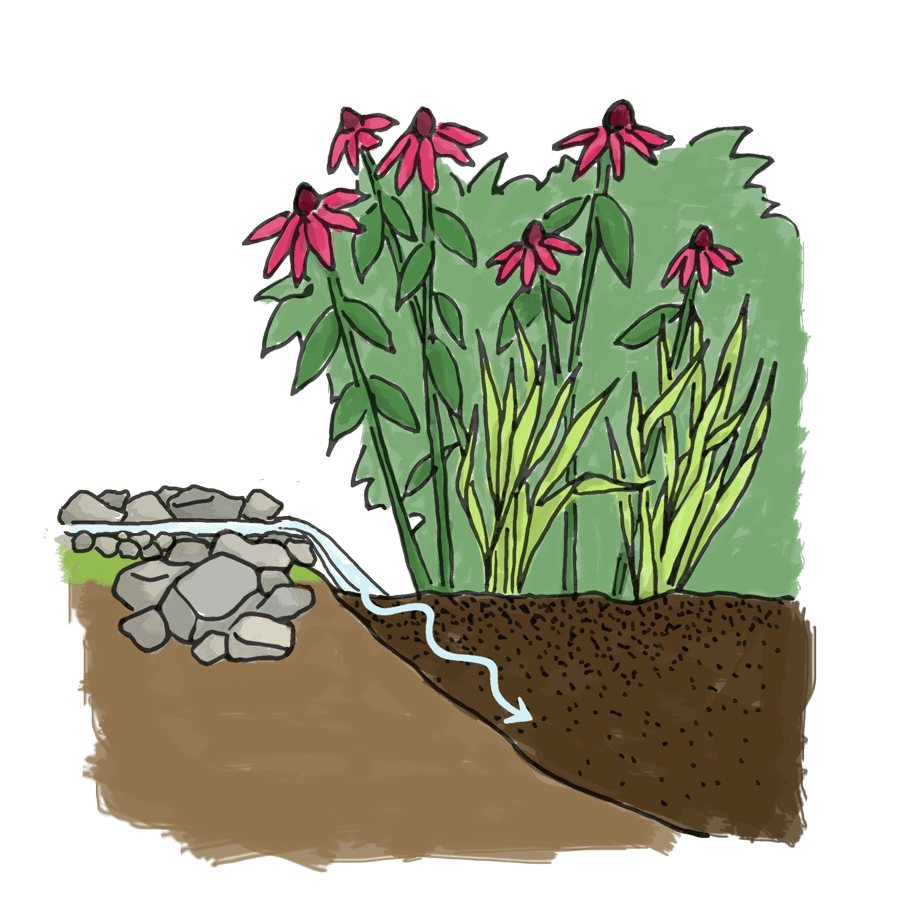
For lawns, till to 8 inches and add amendments to sterile, sandy soil. Avoid steep grades leading down to the road or sidewalk.
Select the right plants
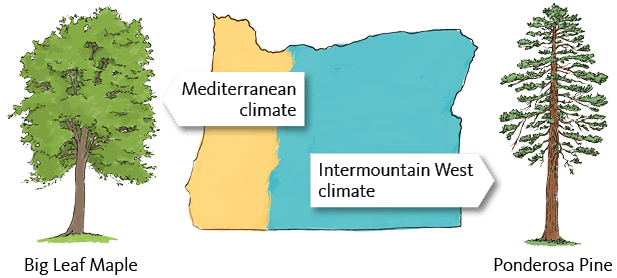
Choose trees, shrubs, groundcovers and perennials adapted to your soil and climate. Plants native to Mediterranean climates are best for western Oregon. In eastern and central Oregon, choose plants native to the Intermountain West.
Most turfgrass has similar water needs. A mix of clover, yarrow, English daisy and grass requires less irrigation.
Off to a good start
Choose healthy plants and give them supplemental water and attention the first three years.
About the authors

Related publications

