CORVALLIS, Ore. — Fall is a time to enjoy the harvest of summer, but don’t hang up your trowel just yet. September through November is the best time to plant garlic.
Garlic roots develop in the fall and winter. By early spring, they can support the rapid leaf growth needed to form large bulbs, said Chip Bubl, a retied horticulturist with Oregon State University Extension Service.
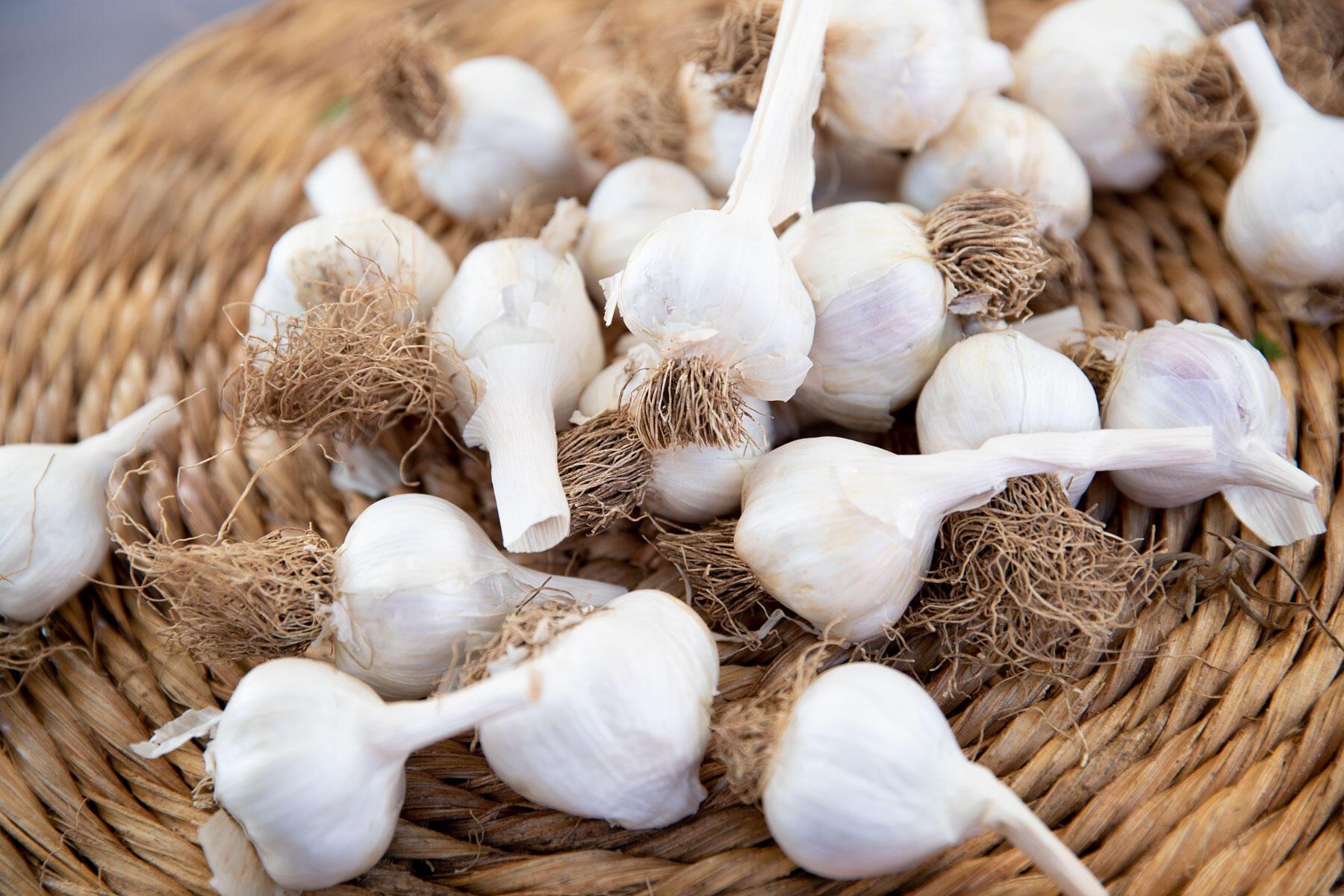
Some gardeners like to grow top-setting garlic, also called hardneck. Common hardneck varieties include ‘Korean,’ ‘Dujanski,’ ‘Siberian,’ ‘Music,’ ‘Chesnock Red,’ ‘German Red’ and ‘Spanish Roja.’ These types produce tiny bulblets at the end of a tall flowering stalk, in addition to the underground bulb of cloves.
Softneck garlic rarely produces floral stems and tends to form larger bulbs because energy isn’t diverted to top-set bulblets. Softneck varieties include ‘Silverskin,’ ‘Inchelium Red,’ ‘California Early’ and ‘California Late.’
Some gardeners say hardneck garlic has a richer, more pungent flavor than softneck, but not everyone agrees, Bubl said. Both can be harvested in early spring like green onions and sautéed as a side dish, or allowed to mature until mid-July when they form cloves.
Another option is elephant garlic. Though it produces large, mild-tasting cloves, it is actually a type of leek. Elephant garlic bulbs usually contain fewer cloves than true garlic.
Tips for growing garlic
- Add lime to the soil if you haven’t done so recently. Before planting, work a couple tablespoons of 5-10-10 fertilizer, bone meal or fish meal several inches below where the garlic base will rest.
- Select large, healthy cloves free of disease. Larger cloves produce larger bulbs the following summer.
- Plant garlic in full sun in well-drained soil. Sandy clay loam is best. In heavier soil, use raised beds 2 to 3 feet wide and at least 10 to 12 inches tall.
- Plant cloves root side down, 2 inches deep and 2 to 4 inches apart in rows 10 to 14 inches apart. Space elephant garlic cloves about 6 inches apart.
- Lightly mulch to improve soil structure and reduce weeds. A single 10-foot row should yield about 5 pounds of bulbs.
Fertilizing and care
- Fertilize in early spring with blood meal, pelleted chicken manure or a synthetic source of nitrogen.
- Just before bulbs begin to swell in early May, fertilize lightly again.
- Weed regularly; garlic does not tolerate competition.
- Water only if soils are very sandy, or if May and June are especially dry. Irrigate to a depth of 2 feet every 8 to 10 days, then taper off watering in mid-June.
- Garlic is rarely damaged by insects.
Harvesting garlic
- For hardneck varieties, remove floral stems in May or early June to increase bulb size. Small stems can be eaten like asparagus, though they become fibrous as they mature.
- Don’t wait for leaves to die back to check maturity. Sometimes bulbs are ready while leaves are still green. Start checking in late June by pulling one plant and cutting it crosswise.
- Harvest when the head is divided into plump cloves and the outer skin is thick, dry and papery. If left too long, bulbs may split, exposing cloves and reducing storage life.
Curing and storing
- Dig and dry mature bulbs in a shady, warm, well-ventilated place for several days. Then remove tops and roots and brush off dirt. To braid garlic, harvest earlier when leaves are still green and supple.
- Avoid bruising, as damaged bulbs do not store well. Keep garlic in a dark, dry, well-ventilated place. Protect from high humidity and freezing. Do not refrigerate, since moisture and cool temperatures trigger sprouting.
- Properly stored garlic should last until the next harvest the following summer.
- Consult OSU Extension's Preserving garlic.
Previously titled Get your garlic on: A primer on planting, growing and harvesting