CORVALLIS, Ore. — While spring is a popular season for planting, fall also offers an excellent window for gardeners to establish trees, shrubs and perennials. From mid-September through mid-November, Oregon soils remain warm enough for strong root development, and autumn rains reduce the need for supplemental watering.
Before planting, it’s important to prepare the soil. Start by removing annual weeds and addressing perennial weeds such as bindweed and quackgrass. Dig out weeds by the roots. If the soil is dry, water beforehand to make removal easier.
Before planting, it’s important to prepare the soil. Start by removing annual weeds and addressing perennial weeds such as bindweed and quackgrass. Dig out weeds by the roots. If the soil is dry, water beforehand to make removal easier.
For persistent perennial weeds, consider using an herbicide in September when plants are still visible and transporting sugars to their roots. If avoiding herbicides, remove as much of the root system as possible.
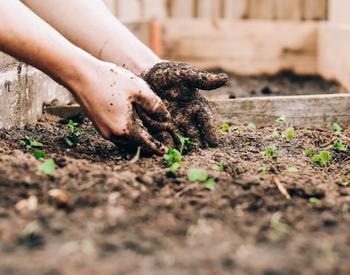
Next, add compost to improve soil structure. For compacted soil, dig in 3–4 inches of compost to a depth of 6–8 inches by hand, or mix in up to 8 inches of compost to 2 feet deep with an excavator.
For more information, see the OSU Extension guide How to use compost in gardens and landscapes. Before digging, call 811 to locate underground utilities. For in-ground irrigation systems, identify pipe locations before working.
Choosing and planting
Although nurseries may offer fewer plant varieties in fall than spring, there are still many options. Inspect root systems carefully; rootbound plants should be teased apart or scored so roots can grow into the surrounding soil.
When planting woody plants, account for their mature size and space them accordingly. Temporary fast-growing plants may be added to fill gaps until shrubs reach full growth. Research each plant’s sun and soil requirements to ensure proper placement.
Water thoroughly after planting. If the soil is extremely dry, pre-water before adding compost or planting. Container plants can be soaked in a 5-gallon bucket of water until bubbling stops to ensure roots are saturated.
Mulching and maintenance
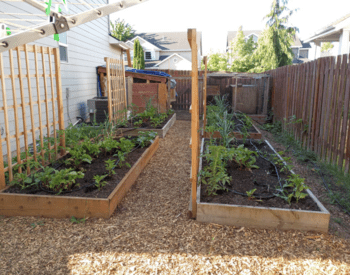
After planting, water once a week until consistent rainfall begins. During extended dry periods, add water as needed. Apply mulch to conserve moisture and reduce weeds. Wood chips are preferred over bark dust for long-term soil health.
Keep mulch about 6 inches away from woody stems to prevent disease and rot. Place flags to mark herbaceous perennials that die back in winter. Store plant tags separately to avoid girdling stems as they grow. Zinc labels, loosely attached, can be used for long-term identification. Consider making a garden map to track plant locations.
Caring for new plants
In spring, focus on weed control and allow woody plants to leaf out before pruning. In early summer, water regularly—even for drought-tolerant or native plants—while root systems establish. Soaker hoses or drip irrigation systems are efficient long-term investments that conserve water.
Choosing native species or plants from Mediterranean climates, such as South Africa, Australia, South America and the Mediterranean Basin, can improve survival rates in the face of climate change. For recommendations, see the OSU Extension guide Gardening with Oregon native plants west of the Cascades.
Previously titled Give plants a head start by planting in fall