CORVALLIS, Ore. — Cooking and gardening have taken the country by storm, and easy-to-grow herbs act as a bridge between the two — adding flavor to food and confidence to gardening skills.
“It’s more cost effective to grow herbs for yourself. You can get multiple meals out of a single plant for much less cost than purchasing them.”
Growing herbs indoors gives everyone an opportunity to spice up their homegrown meals, said Brooke Edmunds, horticulturist for Oregon State University Extension Service.
“People are entertaining themselves by trying out new recipes and finding things to learn to cook,” Edmunds said. “We’re being creative, and herbs can help a lot with that.”
There are other reasons to grow herbs, including the simple joy of cultivating your own plants and knowing where your food comes from. And, of course, there’s the price tag.
“It’s more cost effective to grow herbs for yourself,” Edmunds said. “The precut herbs in plastic clamshells get expensive. And you can get multiple meals out of a single plant for much less cost than purchasing them.”
Start with the herbs you already love
If you’re not sure what to grow, think about the foods you enjoy. Love salsa? Grow cilantro. Want to make pesto? Try basil. Tarragon highlights chicken salad. Chives are a natural with baked potatoes. Fresh herbs perk up a salad and add flavor to homemade dressings.
Pick just a few herbs to start — not too many. “It’s best to start small so you don’t get overwhelmed,” Edmunds said.
Not all herbs thrive indoors
Most herbs grow well indoors if sited correctly and well maintained. However, some are best left outdoors. Larger plants such as mint, dill, lemon balm and fennel can outgrow indoor spaces quickly.
Except for chives, cilantro and basil, starting herbs from seed can be slow. Edmunds recommends purchasing plant starts instead, which allows for planting throughout the season.
Tips for containers and placement
Place herbs in a bright window — a south-facing one is usually ideal. Rotate the containers a quarter turn when the plants begin to stretch toward the sun.
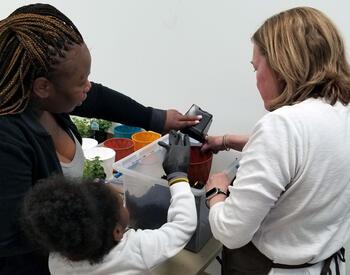
Use packaged potting soil, which is lightweight and drains well. Avoid topsoil or planting mix, which can be too heavy. Edmunds suggests using 10-inch pots to give roots enough space.
“It depends on the plant,” she said. “Some will want more room, like rosemary. You can get away with a smaller pot if you’re planning to repot eventually or if you’re growing short-lived annual herbs like cilantro and basil. None of the herbs have to be forever plants. It’s okay to harvest and start over.”
Watering and feeding basics
Water as needed. Stick your finger in the soil up to your second knuckle — if it comes out dry, it’s time to water. Let the water run through and drain completely. Don’t let the pot sit in standing water.
Feed herbs every six months with a water-soluble fertilizer, using half the amount recommended on the label.
Don’t be shy about harvesting
“Don’t be afraid to harvest your herbs,” Edmunds said. “That’s what they’re for. But be prepared — they won’t always look like groomed houseplants as you snip off pieces here and there.”
Previously titled From pot to table, easy indoor herbs spice up cooking