REDMOND, Ore. — It started in 1994 when the Central Oregon Master Gardener Association organized a self-guided tour of home gardens in Bend to provide education and inspiration.
“There’s absolutely a following; some people have been on this tour every year."
As the annual High Desert Garden Tour grew in popularity over the following years, so did its staying power. The tour has been held nearly every year except 2020 and 2021, when many events were canceled due to the COVID-19 pandemic.
Now hosted by the Oregon State University Extension Service, the tour reached a milestone this year: No. 30.
“It’s pretty exciting that there’s still a high level of interest,” said Amy Jo Detweiler, community horticulturist for OSU Extension in Central Oregon.
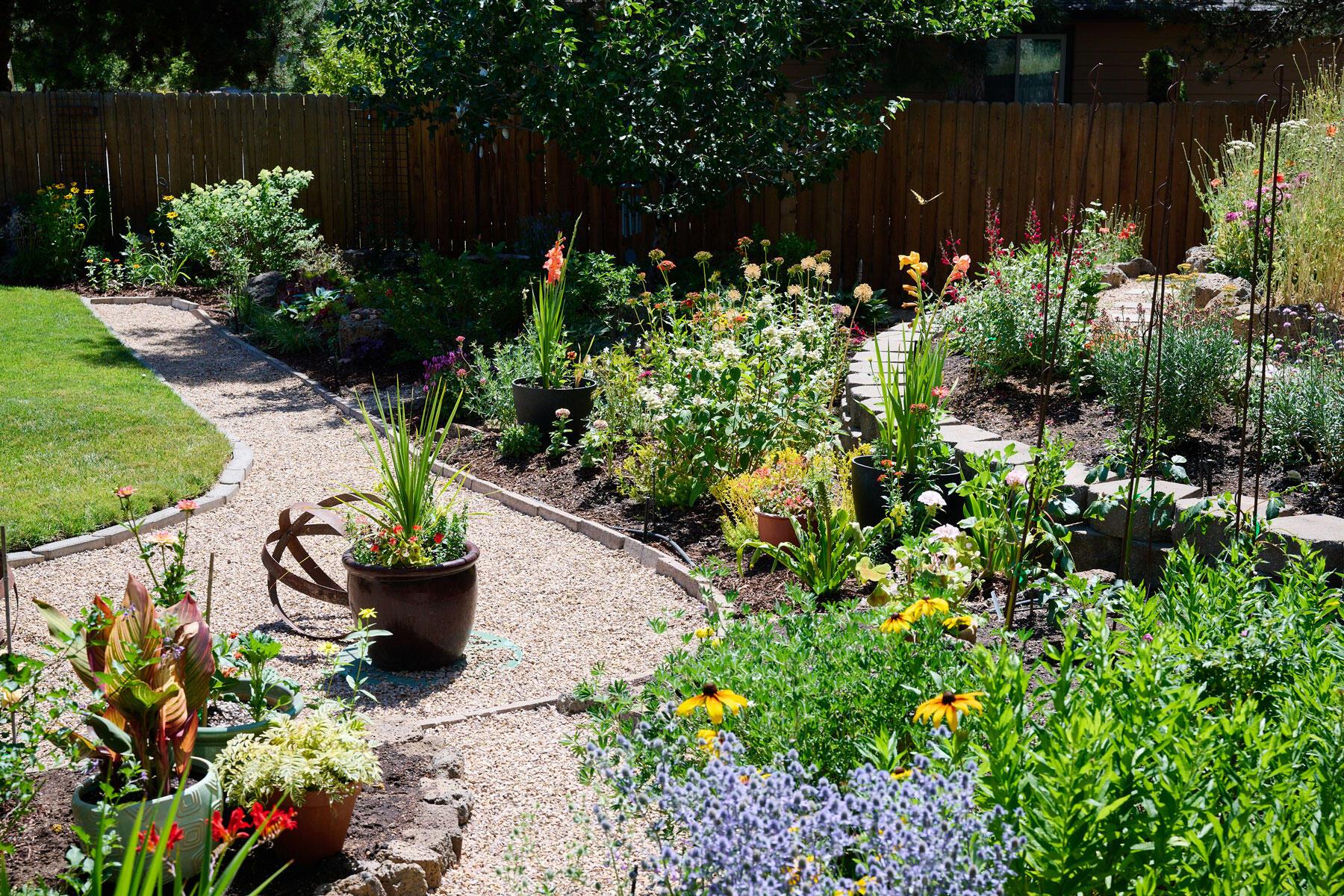
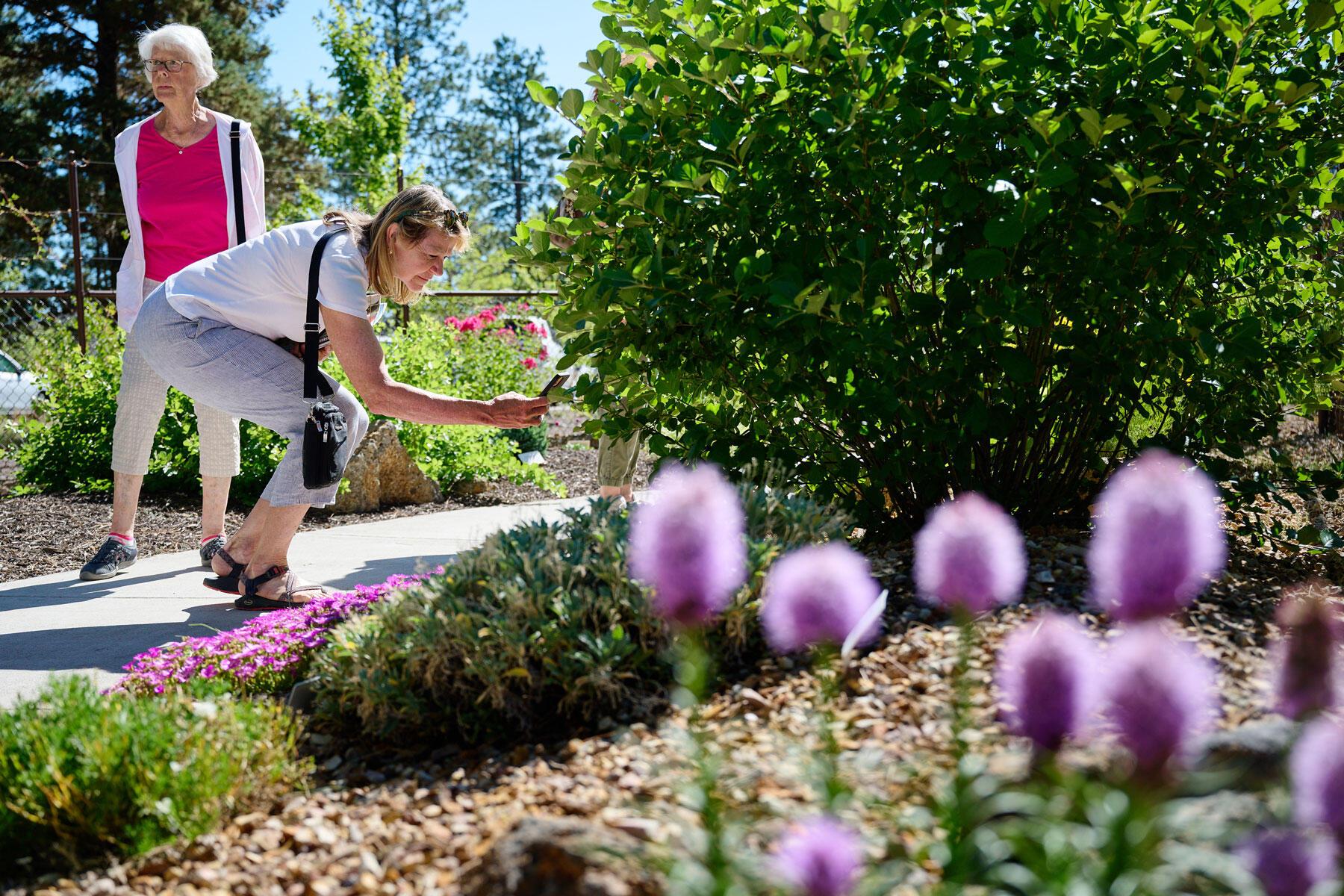
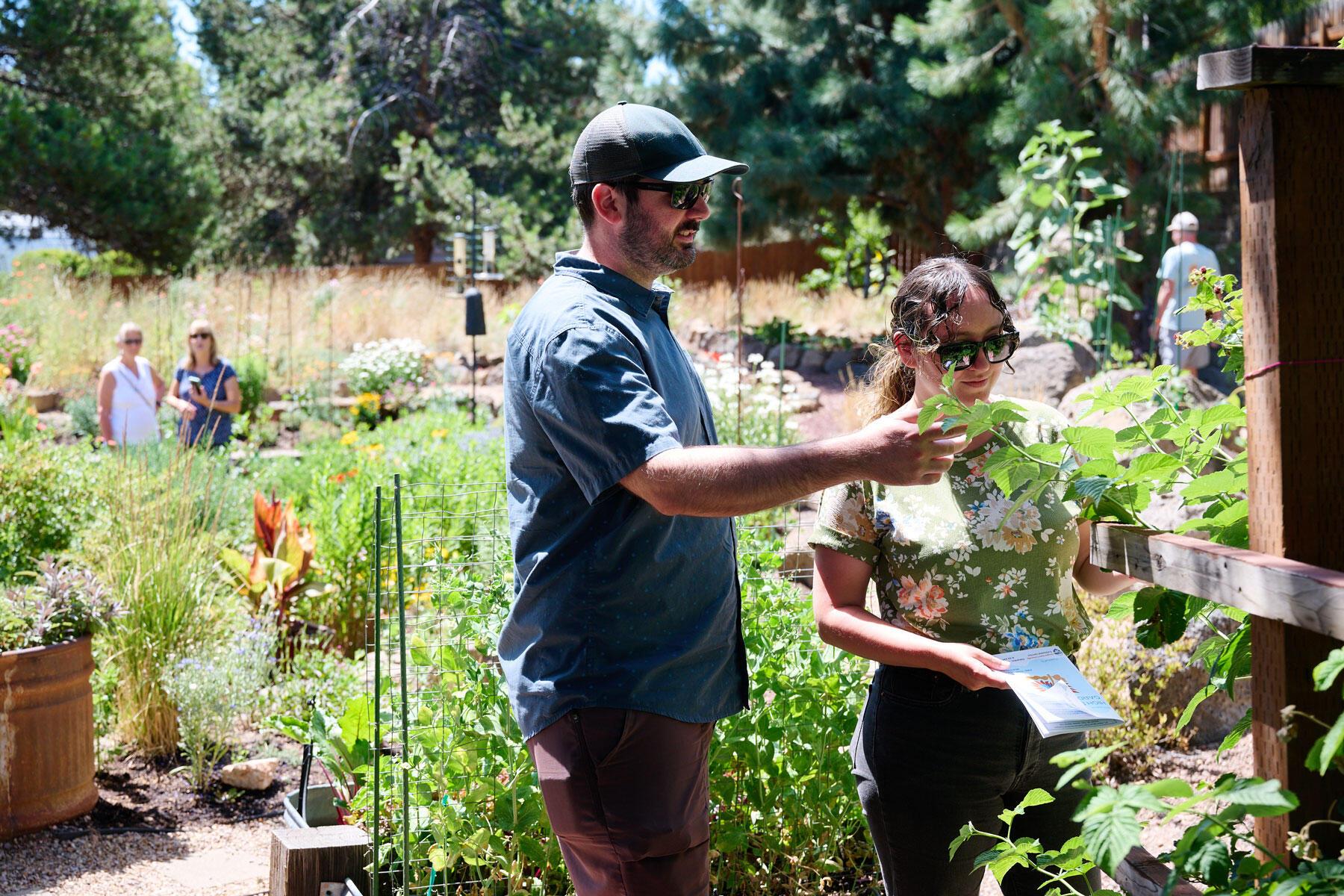
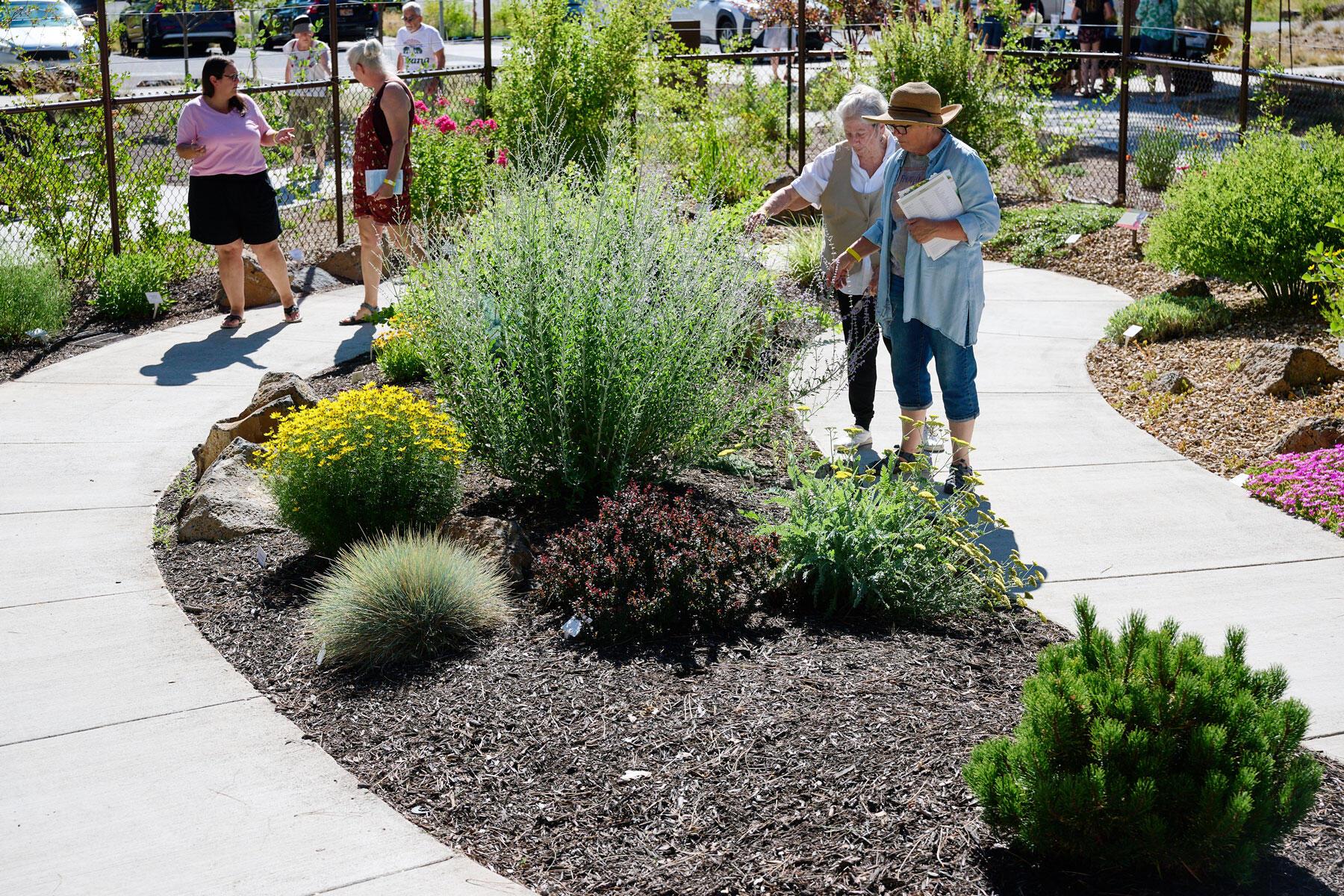
The tour route changes each year, with gardening enthusiasts typically visiting six private gardens. This year’s tour was held in Bend on July 19.
Supporting horticulture education
Proceeds from the tour support Detweiler’s horticulture education program in Deschutes, Crook and Jefferson counties.
The tour generally features gardens in Deschutes County for two consecutive years, followed by gardens in Crook or Jefferson counties every third year. It was held in Powell Butte in 2024. The 2023 tour in Bend drew an estimated 700 to 800 attendees.
Gardening in a high desert climate
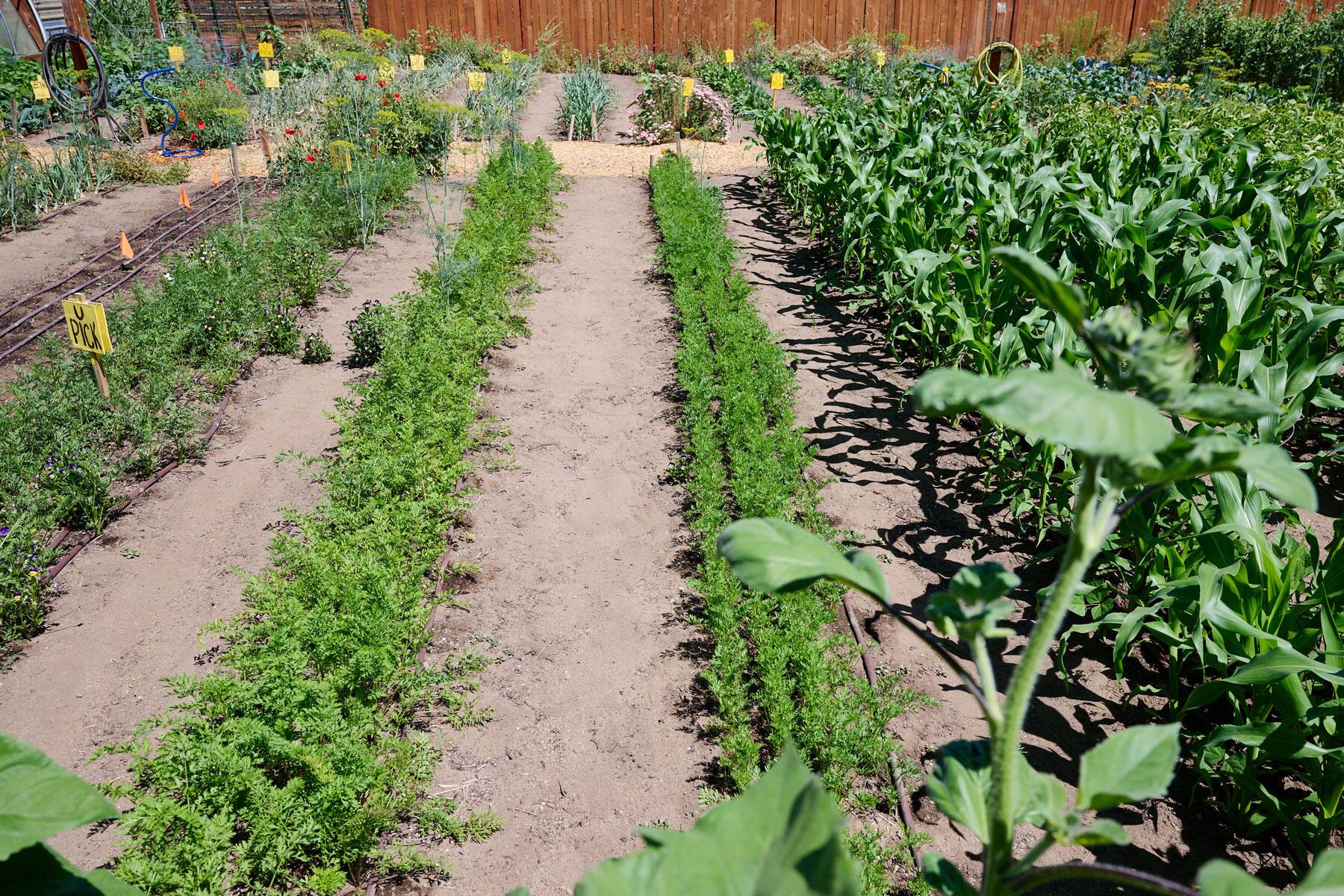
Gardeners in fast-growing Central Oregon face a short growing season, limited precipitation, frost that can occur any time of year and challenging soils, making both ornamental and food gardening difficult.
When Detweiler joined OSU Extension in 1999, she noticed many home gardeners were limiting their plant choices because of these conditions.
“There was a limited palette,” Detweiler said. “My goal was to show people the diversity of gardens and techniques.”
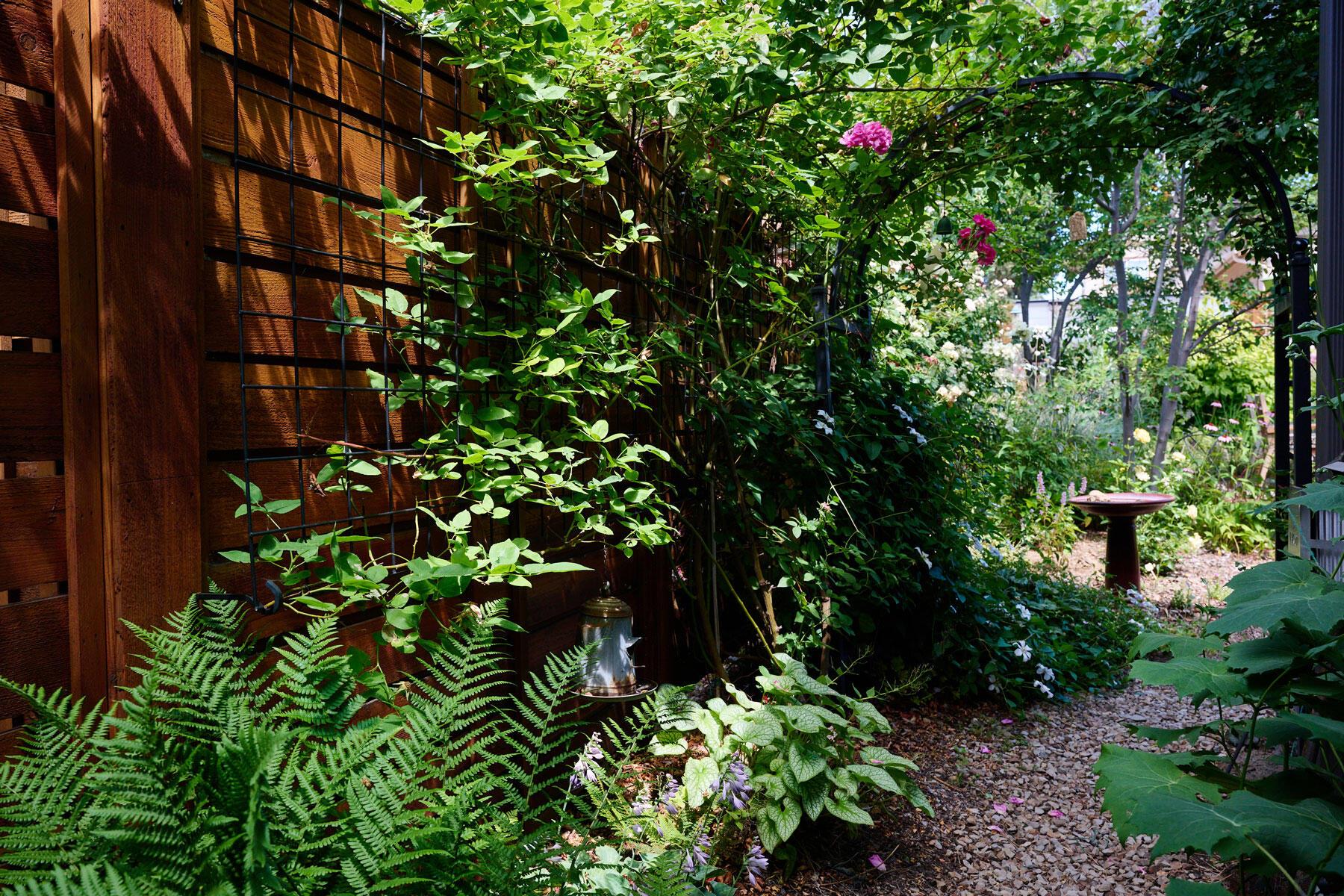
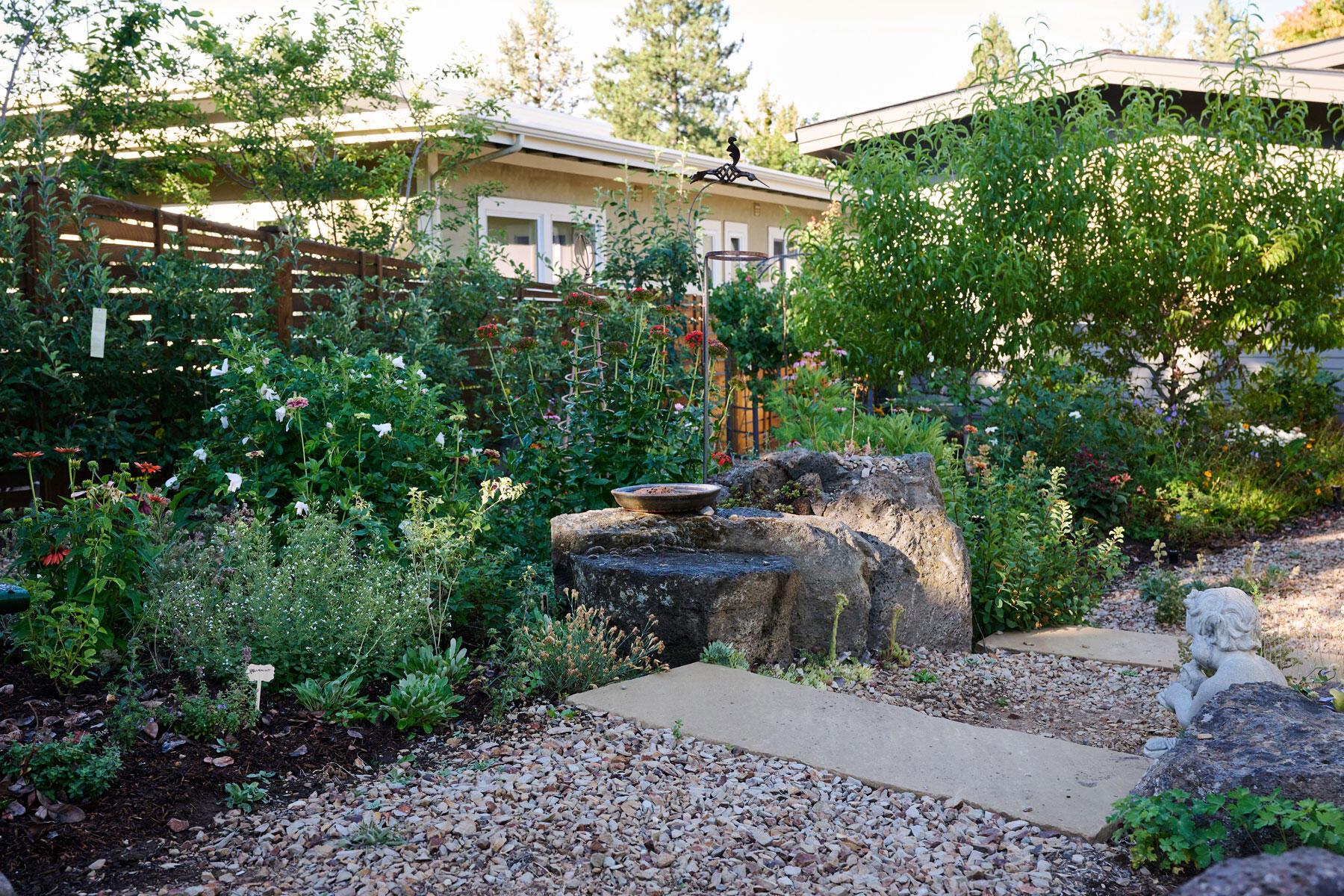
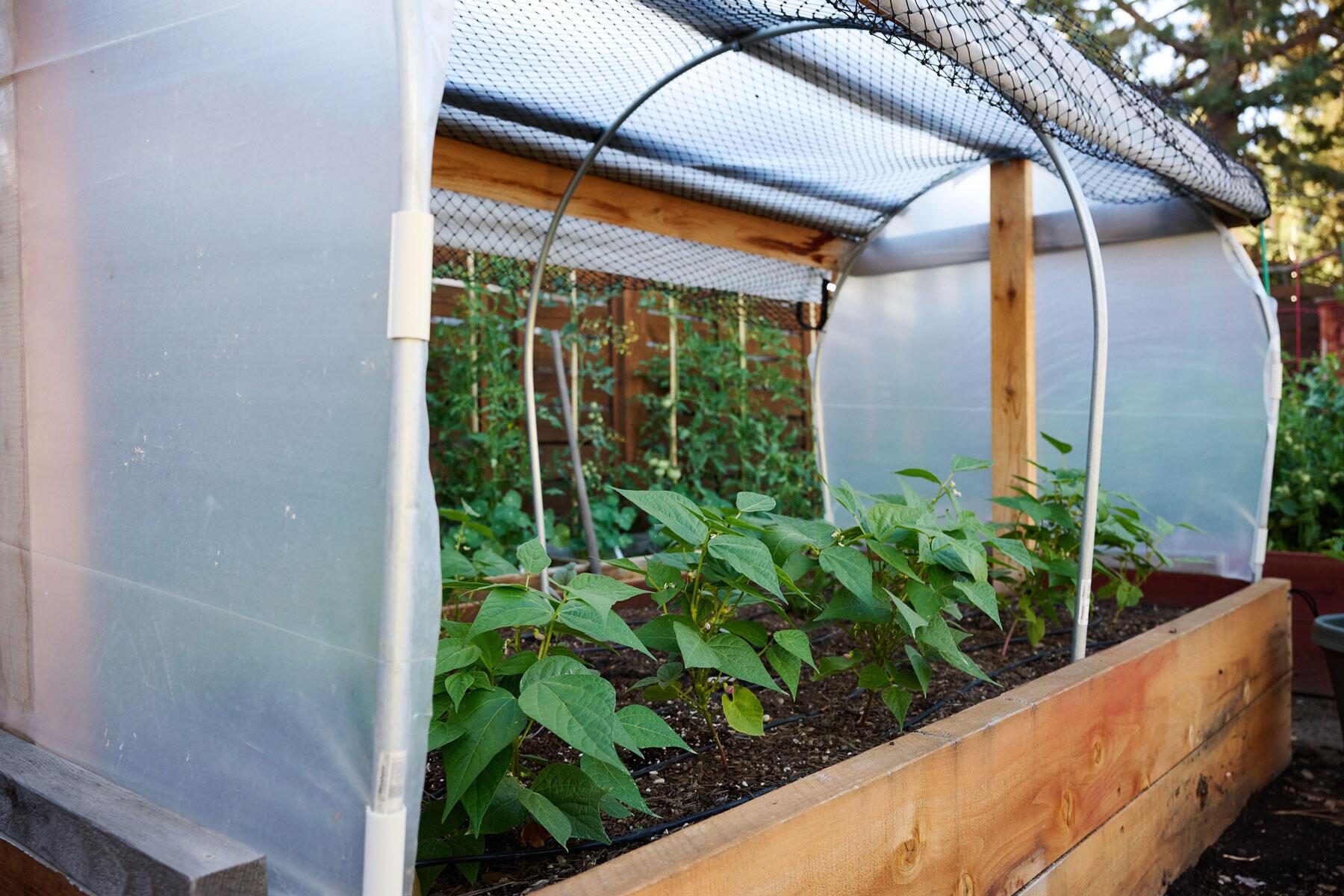
She said tour sites highlight practices such as season extension, cold-weather gardening, ecological balance, conservation and plant diversity, using both native plants and noninvasive, non-native plants.
“People are inspired by the tour sites and by the homeowners who care for these gardens,” she said.
Helping newcomers adapt
Over the past two decades, Bend has grown rapidly as an outdoor recreation destination. Its population doubled from about 52,000 in 2000 to approximately 104,600 by 2023. The Bend metropolitan area — including Crook, Deschutes and Jefferson counties — grew to roughly 260,900 residents by 2023.
The tour is especially helpful for gardeners who have relocated from more moderate climates and may be unfamiliar with the challenges of a rain-shadow environment.
“The number of newcomers who aren’t experienced in gardening in the high desert is always something we think about,” Detweiler said. “People look at hardiness zone rankings and buy plants that won’t work here.”
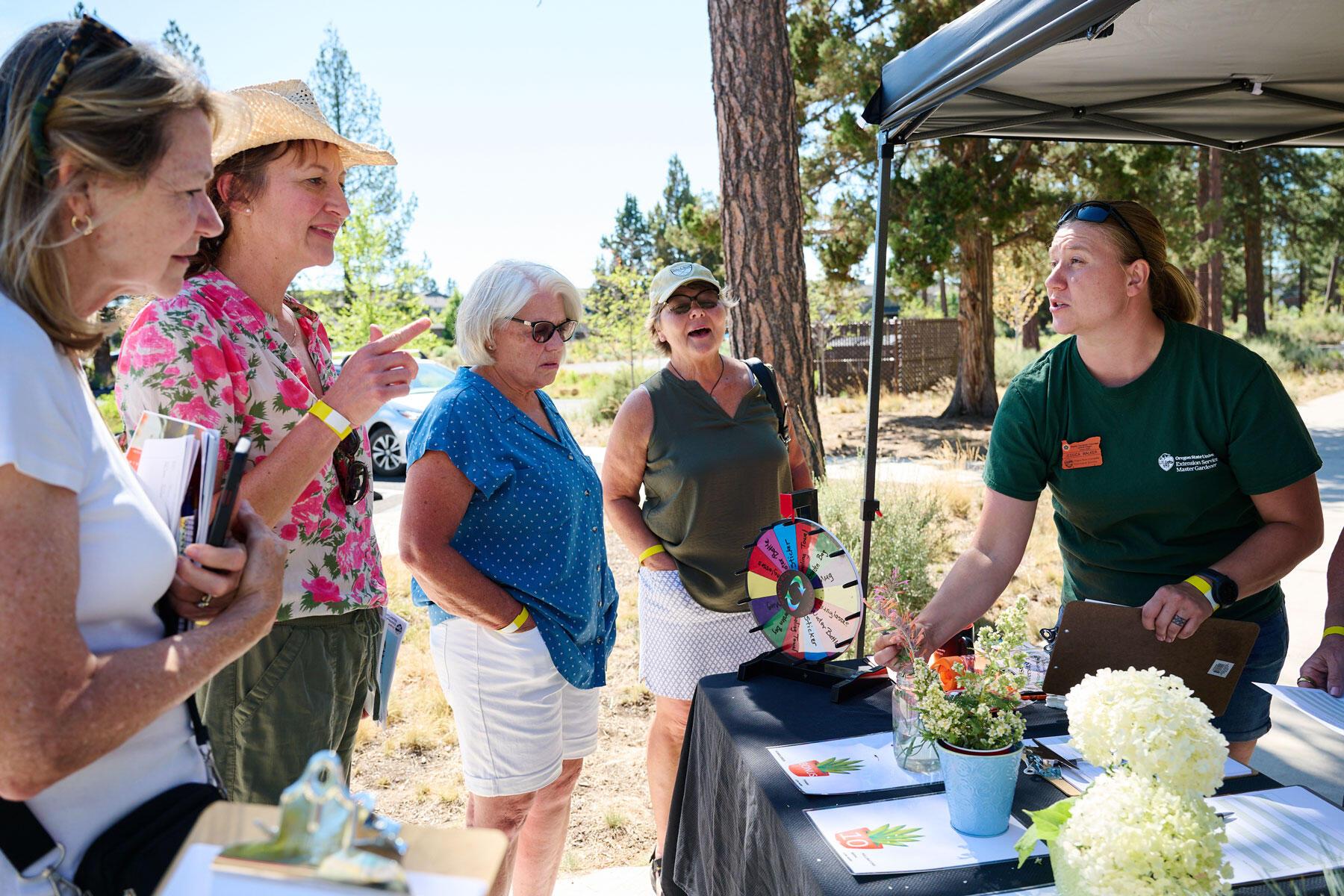
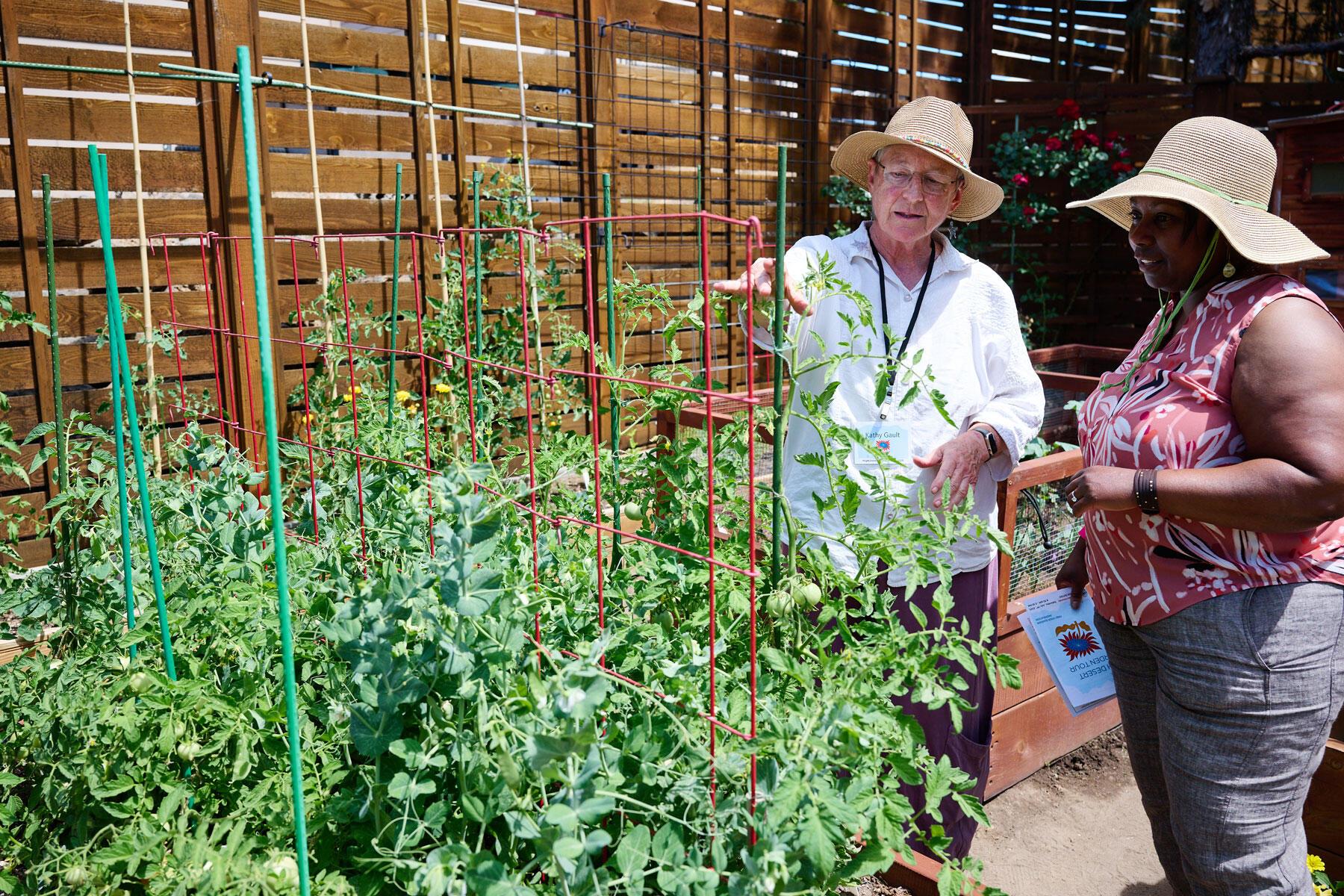
At least one Master Gardener volunteer is stationed at each stop to share guidance on plant selection, conservation, water-wise gardening — also known as xeriscaping — and vegetable and fruit growing.
A loyal following
Planning for the tour takes about a year, with Detweiler typically beginning site visits each August. On the day of the event, she rotates among locations and often sees familiar faces.
“There’s absolutely a following; some people have been on this tour every year,” she said.