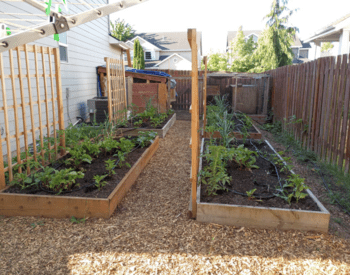
CORVALLIS, Ore. — Gardeners often overlook soil pH, but it can affect plant health just as much as disease, insect pressure, drought or poor drainage.
Maintaining the right pH range is essential for certain plants, including vegetables, blueberries and rhododendrons, which are particularly sensitive to soil chemistry.
Maintaining the right pH range is essential for certain plants, including vegetables, blueberries and rhododendrons.
Soil pH measures the acidity or alkalinity of soil on a scale from 0 to 14, with 7 being neutral. Values below 7 are acidic (or "sour"), and values above 7 are alkaline (or "sweet"). The availability of key nutrients — including nitrogen, phosphorus and potassium — is influenced by pH. If the pH is too high or too low, plants struggle to absorb the nutrients they need, even if fertilizers are applied.
Soil pH is affected by the underlying mineral content of the soil and by climate. In Western Oregon, rainfall leaches minerals and tends to make soil more acidic. In contrast, soils in Eastern Oregon are typically more alkaline.
On the west side of the Cascade Range, pH levels above 7.0 are rare, so gardeners often focus on acidifying soil for acid-loving plants like rhododendrons and blueberries. In Eastern Oregon, however, gardeners may need to acidify soil for any pH-sensitive plant.
Plant preferences for soil pH vary. Most garden plants perform best in slightly acidic to neutral soils. For example:
- Blueberries, azaleas and rhododendrons: pH 4.5 to 5.5
- Lawns: pH 5.5 to 6
- Roses: pH 6.5 to 7
- Vegetables: pH 6 to 7
If the soil pH is out of range for a plant’s needs, adding fertilizer won’t help.
How to know and adjust your soil pH
Before planting pH-sensitive crops, test your soil. Collect samples from areas where you plan to grow those plants. For help, refer to the Extension publication A Guide to Taking Soil Samples for Farms and Gardens.
To find a lab and ensure useful results, see Get Actionable Results from a Soil, Plant or Environmental Testing Lab. Ask whether the lab provides interpretations based on the types of plants you plan to grow. If the test results do not include interpretation, consult this guide or talk with an OSU Extension Master Gardener at your local Extension office.
One of the most common mistakes gardeners make with blueberries is not adjusting the soil pH before planting. Getting the pH into the correct range from the start is critical.
For established trees and shrubs, apply small amounts of the appropriate material (such as sulfur or lime) along the drip line or in a band along a row. For details on lowering pH, including a chart of plant-specific pH needs, see the Extension publication Acidifying Soil for Blueberries and Ornamental Plants in the Yard and Garden: West of the Cascade Mountain Range in Oregon and Washington.
For new vegetable gardens, apply lime (to raise pH) or sulfur (to lower it) in the fall, allowing time for the soil chemistry to adjust. Always follow soil test recommendations. Without a test, use the instructions on the product packaging.
In existing gardens, monitor plant health and crop yields. If your vegetables aren’t thriving, imbalanced soil pH may be a contributing factor. A soil test can help you decide whether adjustment is needed.
Change pH gradually over time. For vegetable gardens, two smaller lime applications a year apart are better than one large dose. Soil pH reactions can take a year or more, so test your soil annually — ideally at the same time each year, since pH varies seasonally.
More Extension resources on soil and pH:
- Soil: The dirty secrets of a living landscape
- Living on the Land: Managing Soil pH
- Improving Garden Soils with Organic Matter
Previously titled Keeping pH in the right range is essential