Many Portland-area residents face barriers to fresh, affordable produce, including rising grocery costs, limited garden space and lack of experience growing food in the Pacific Northwest.
Seed to Supper helps residents grow food, reduce household costs and build lifelong skills while strengthening social connection in communities facing economic and food access barriers.
For immigrants, refugees, seniors, low-income families and people living with disabilities, those barriers can be compounded by language differences, social isolation and limited access to culturally relevant gardening education.
Seed to Supper, a free beginner gardening course, helps meet that need by teaching practical, research-based food gardening skills for people growing on limited budgets and in varied spaces.
Oregon State University Extension Service delivers Seed to Supper through the OSU Extension Master Gardener Program. The course was co-created by Oregon Food Bank and OSU Extension and is now administered by OSU Extension, with a continued focus on people most likely to experience food insecurity.
In 2025, Master Gardener volunteers delivered Seed to Supper across Clackamas, Multnomah and Washington counties, partnering with low-income housing communities, senior residences, a free medical clinic and nonprofit community garden networks serving immigrant and refugee gardeners.
In Multnomah County, ongoing and planned partners include Westmoreland Union Manor in southeast Portland, Outgrowing Hunger community gardens in east and northeast Portland, Unite Oregon, VetRest Bybee Lakes Hope Center Victory Garden, Sabin Community Development Corporation, Northwest Regional Re-entry Center and City of Gresham Parks.
Master Gardener volunteers taught low-cost skills including garden planning, soil preparation, planting seeds and starts, efficient watering, budget-friendly fertilizing, pest management, harvesting, seed saving and composting. Classes were offered with translation support when possible, including Spanish and Swahili, with additional requests for Russian.
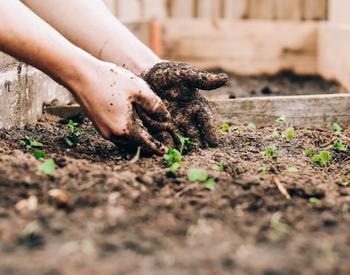
Volunteers also hosted planting days, container gardening workshops, site visits and garden revitalization projects. At some sites, they helped install drip irrigation, add compost and soil amendments, identify toxic weeds and bring neglected garden beds back into production.
Skills, confidence and connection
Seed to Supper participants reported reduced grocery costs, improved access to fresh produce and greater confidence growing herbs, vegetables and culturally important crops.
At one Washington County housing site, the program helped revive 13 overgrown beds into productive garden plots. At Borland Free Clinic in Tualatin in Clackamas County, participants received containers, potting soil and vegetable starts to support food production in small spaces.
Also in Clackamas County, the Master Gardener Program, along with delivering Seed to Supper to the Hillside Manor affordable housing community, is partnering in 2026 with the Oregon City Pioneer Adult Community Center and Clackamas Community College’s Community Garden to offer Seed to Supper. Plans are underway to expand delivery in 2027 to the Blossom housing community, which opened adjacent to Hillside Manor.
In Multnomah County, monthly onsite classes continue at community gardens including Nadaka Nature Park and Parkrose Neighborhood Community Garden.
Participants also reported benefits beyond food production, including time outdoors, gentle physical activity, shared learning and stronger relationships with neighbors and between parents and children. Partner sites described reduced social isolation and stronger community ties.
“This class was more than just learning about plants,” one participant said. “It was about learning to care — with love — for what grows slowly but strongly.”
Demand continues to grow. Every 2025 partner site requested the program again, and Multnomah County partners are already requesting programming for 2027.
The work builds on broader metro-area Master Gardener Program outreach. In 2025, 463 Master Gardener volunteers in Clackamas, Multnomah and Washington counties reached 54,528 people, answered 26,283 gardening questions and contributed 28,187 volunteer hours valued at more than $1 million.
The program also donated 9,967 pounds of produce from five gardens.
Public value
Seed to Supper helps residents grow food, reduce household costs and build lifelong skills while strengthening social connection in communities facing economic and food access barriers.
By pairing research-based gardening education with trusted local partnerships, OSU Extension helps communities improve food security, support health and wellness, and make better use of shared garden spaces across the Portland metro region.