If you’ve ever tried to keep a garden looking nice while cats are around, you probably know it’s not always easy. Whether it’s stray cats from the neighborhood, feral cats passing through or even your own pets, their natural habits can sometimes cause headaches for gardeners. Cats love to dig, explore and sometimes use garden beds as their personal litter boxes, which can ruin your hard work. While cats can be great companions, balancing their presence with keeping your garden in top shape can be challenging.
Why cats are problematic in the garden
Plant and garden damage
Cats don’t mean any harm, but their usual habits can really disturb a garden. When they need to relieve themselves, they look for soft, loose dirt, so freshly planted garden beds are a favorite spot for them to dig. That digging can disturb recently planted seeds or uproot small plants before they have a chance to grow.
Sometimes, when the ground is damp in the morning, cats will lie down on tall plants like onions or gladioli. This can bend or flatten the plants and if they do it a lot, it can ruin a whole patch. It’s not just digging, either. Cats might walk or play in your garden, which can accidentally crush small plants or break stems. They might even chew on some leaves or stems, but usually not enough to cause a big problem. Still, their paws and claws can damage delicate plants just by walking or playing around them.
Health and safety concerns
Cat waste poses significant health risks in garden settings. Unlike cow or chicken manure, cat waste can carry germs and parasites that can make people sick, like toxoplasmosis and ringworm. This is particularly concerning in vegetable gardens where food crops may come into contact with contaminated soil.
Cat urine is especially problematic, acting as an effective herbicide due to its high acidity and toxic compounds. The ammonia in cat urine can burn plant roots and alter soil pH balance, making it difficult for plants to absorb nutrients properly. The pheromones in cat urine also attract other cats to mark the same territory, increasing the problem.
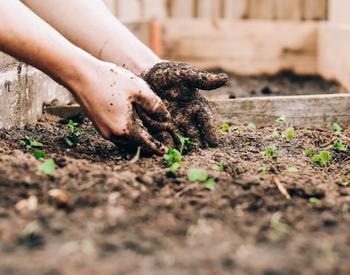
If cats are known to use your garden area, gloves are strongly recommended when gardening. Practice good hygiene by washing hands thoroughly afterward.
Ecosystem impact
Outdoor cats are responsible for billions of bird deaths each year, which can reduce their number in your area. Cat predation is contributing to real-time species extinctions, creating permanent changes to global biodiversity.
When birds see or sense cats nearby, they may become stressed, which can make it harder for them to raise chicks or even cause them to leave the area.
While bird baths and feeders can make your garden a great place for wildlife, they can also attract cats, which may hunt the birds you want to protect. This predation disrupts natural food chains and can lead to local ecosystem imbalances.
How to deter cats from your garden safely and humanely
Physical barriers
Physical barriers remain the most reliable and long-term solution for preventing cats from entering and damaging garden areas. Below are several methods to deter cats while maintaining garden health and aesthetics.
Netting above the soil
One simple trick is to put up black bird netting just above the soil, typically 1 to 2 inches (about 2.5 to 5 centimeters) above the soil surface. This creates a slightly unstable surface that cats dislike walking on, making it an effective ground-level barrier. The netting should be close enough to the soil that it feels wobbly under a cat’s paws but still allows plants to grow through and gardeners to tend the area easily.
To use it:
- Lay the netting flat and secure it slightly above the soil with stakes or landscape staples before planting seeds or setting out seedlings.
- As plants sprout and mature, gently guide their stems and leaves through the netting’s openings, which can be moved aside without harming young shoots.
This setup allows plants to develop normally, as the netting does not block sunlight, water or routine garden maintenance, while also providing ongoing protection from digging and trampling by cats. This technique is effective for a variety of vegetables, flowers and small shrubs.
Ground-level barriers
Creating an uncomfortable surface at ground level discourages digging and trampling:
- Chicken wire: When laid flat and secured with landscape staples, chicken wire permits plants to grow through while preventing cats from digging into the soil.
- Plastic carpet runners: Placing these spike-side up and covering them lightly with soil creates a texture that is unpleasant for cats to walk on.
- Other textures: Materials such as pinecones, large river rocks, crushed eggshells or wooden stakes spaced approximately eight inches apart can also deter cats by making the soil surface inhospitable. Hazelnut shells offer another effective physical barrier option, particularly relevant for Oregon gardeners where these shells are readily available as a byproduct of the state's large hazelnut industry. The sharp, jagged edges of crushed hazelnut shells create an uncomfortable walking surface that naturally deters cats from entering garden beds.
Fencing
Fences are a great way to keep cats from your garden. Many specialty systems designed for cat-proofing use netting or mesh mounted on angled extension arms (often tilting inward toward the area being protected) so that when a cat attempts to climb over the top, the inverted overhang makes the climb much harder. Spring-loaded arms may even trigger a falling sensation that deters further climbing. While most of these systems are marketed to keep cats inside a yard, the same principle may also reduce the likelihood of cats jumping into a garden. However, you should assess factors like the fence height, adjacent surfaces, tree limbs or other routes a cat might use to bypass the barrier.
All these methods work by taking advantage of a cat’s natural dislike for unstable or uncomfortable surfaces and by blocking their usual paths.
Natural scent deterrents
Cats have extremely sensitive noses—about 40 times more sensitive than humans, which makes scent-based deterrents quite effective in the garden. One common method is to put citrus peels from oranges, lemons or limes around garden beds, since most cats dislike the smell of citrus. The major constituent in citrus peels is Limonene, which is registered as a cat repellent by the U.S. Environmental Protection Agency. These peels need to be replaced regularly because their scent fades over time.
Most cats dislike the smell of citrus. One method to deter cats is to put citrus peels from oranges, lemons or limes around garden beds.
However, it’s important to know that using citrus peels may also attract unwanted pests like slugs, rodents or raccoons, especially if the peels are left sitting on top of the soil as they break down. If you decide to use citrus peels to deter cats, check your garden regularly for signs of other pests and avoid leaving large amounts of peels out for long periods.
Essential oil sprays are another good option. Mix one-part essential oil (like eucalyptus, lavender, citronella, peppermint or lemongrass) with three parts water in a spray bottle. Spray it on mulch or around the edges of your garden. These scents last longer than fresh peels, but you’ll still need to reapply after rain or watering.
Store-bought repellents
While there’s no solid scientific proof that repellents consistently work, some people find them helpful. These products can be costly and usually need frequent reapplication. The active ingredients vary but often include oils, such as cinnamon, clove, thyme or garlic, as well as putrescent egg solids, dried blood and similar ingredients. If you decide to try one, be sure to carefully read the label and follow the directions for safe use. Since these repellents rely on strong scents that cats dislike, you’ll likely need to reapply them regularly.
Motion-activated deterrents
Motion-activated sprinklers are a smart and humane way to keep cats out of your garden. These devices have sensors that spot movement and then spray a quick burst of water. There are some popular brands available that can sense cats from up to 40 feet away and cover a wide area.
When a cat walks by, the sudden spray of water surprises it, making the cat want to stay away without hurting the animal. Over time, cats remember this and learn not to come back. These systems use very little water, only about two cups each time they go off. You can also set them to work only during certain hours, like at night or early morning when cats are most active.
Ultrasonic devices
Ultrasonic deterrents work by sending out a high-pitched sound that cats can hear, but people cannot. Some cats are more bothered by this sound than others, but good models can work well if placed where cats usually enter your yard. These devices work best when plugged into an outlet, as batteries may not last as long. Both options are safe, don’t harm the animals and can help keep your garden cat-free. When choosing an ultrasonic device, look for models with objective efficacy data from scientific studies or independent trials. Avoid products that lack proven effectiveness, as many have not been properly tested or failed to show results in rigorous trials.
What to do if a cat gets in your garden
Immediate damage assessment
If you notice cats have caused damage in your garden, it’s important to act quickly to prevent bigger problems.
First, remove any cat waste right away. Always wear gloves and use proper disposal methods. Never compost cat feces or use it as fertilizer, because it can carry harmful germs and parasites. Instead, put the waste in a biodegradable bag and throw it in your regular trash.
Next, check your plants for damage. If leaves are torn or shredded, those parts won’t heal, but most plants can grow new leaves. Trim off only about one-third of the damaged leaves at a time so the plant still has plenty of leaf area for photosynthesis. If a plant is badly damaged, use clean pruning shears to cut leaves back to their base or trim them into a natural shape.
Soil remediation
If you find cat urine in your garden, quick action can help protect your plants and stop cats from coming back.
Flush the area
Right away, pour lots of water over the spot to wash away the urine and reduce the smell. If it’s a potted plant, take it outside and use a garden hose to water the soil until the water runs clear from the bottom. Let the soil dry out before you go back to your normal watering routine.
Check and fix soil pH
Cat urine is very acidic and may change your soil’s chemistry. If the area has a strong, persistent odor or you know it’s been contaminated multiple times, test the soil’s pH.
Cat urine is very acidic and may change your soil’s chemistry.
Most garden plants grow best when the soil pH is between 6.0 and 7.0. If soil pH drops below 5.0 after contamination, it can be too acidic for healthy plant growth. In this case, you can safely raise the pH by mixing in agricultural lime, which is much safer and easier to handle than hydrated lime.
Some plants such as blueberries, azaleas and rhododendrons naturally prefer more acidic soil and can thrive in pH ranges lower than those suitable for most vegetables or ornamental plants. For these acid-loving species, a slightly more acidic soil (generally pH 4.5–5.5) is ideal, so you should test the specific pH range preferred by your plants before making any adjustments.
You usually do not need to remove your garden soil. Only consider replacing soil if, after flushing and pH correction, the spot remains extremely acidic, has a strong lingering odor or plants still won’t grow there. This situation is more likely in small pots and containers than in regular garden beds. For most garden soils, flushing well and using agricultural lime to restore the appropriate pH is usually enough to allow plants to recover.
Plant recovery strategies
When your plants have been damaged by cats, a little extra care can help them bounce back.
- Give plants time to heal: Right after damage, don’t add fertilizer—stressed plants can’t use nutrients well. Instead, make sure they get enough water and sunlight. If you have potted plants, move them to a safer, more sheltered spot while they recover.
- Watch for problems: Damaged plants are more likely to get diseases or attract pests. Keep an eye out for signs of fungus or bugs. Remove any dead or damaged leaves right away to help prevent problems from spreading.
- Replace if needed: Some plants, especially small ones that have been chewed down to almost nothing, might not survive. If a plant doesn’t recover, it’s okay to replace it. On the bright side, many plants that grow from bulbs or roots can often come back with a bit of patience and care.
Prevention for future incidents
When you spot cat damage in your garden, it’s important to act quickly. Right after cleaning up, install deterrents like motion-activated sprinklers, scent repellents or physical barriers in the affected area. Cats are creatures of habit, so stopping them early helps prevent them from making your garden their regular spot.
Look at what might be drawing cats in. Fresh mulch newly turned soil or open water can make your garden extra appealing. Cover bare soil with mulch, straw or rocks to make it less inviting. Block easy entry points and keep water sources out of reach if possible.
The most effective way to keep cats out of your garden and discourage them from returning is to use a combination of strategies.