
Flatheaded wood borers are significant pests of nursery stock and fruit and nut trees in the Pacific Northwest. These beetles belong to the genus Chrysobothris in the family Buprestidae. Members of the Buprestidae family are known as jewel beetles or metallic wood-boring beetles because of their iridescent metallic coloring.
The Burpresid family includes over 100 species in North America, including other important forest and agricultural pests such as the invasive emerald ash borer (Agrilus planipennis), which is now impacting ash trees in Oregon, and rose stem girdler (Agrilus cuprescens), which affects raspberry and blackberry. Bronze birch borer (Agrilus anxius) is a native species to the United States, but is invasive in Oregon, where it is incredibly destructive on birches (Betula spp.) in landscape plantings.
The native buprestids — flatheaded appletree borer (Chrysobothris femorata) and Pacific flatheaded borer (Chrysobothris mali) — are important economic pests that damage a wide range of commercially grown deciduous trees and shrubs. A third species, the flatheaded cedar borer (Chrysobothris nixa), targets cedar and juniper nursery trees.
Flatheaded borers damage trees by girdling trunks and branches, leading to reduced vigor and, in severe cases, tree mortality. While management costs, loss of trees and yield loss from damage are expensive problems for orchardists, nursery producers are burdened with having to ship undamaged and uninfested trees.
Flatheaded appletree borer (FAB) is more prevalent in the eastern, central, and southeastern United States, while the Pacific flatheaded borer (PFB) and flatheaded cedar borer (FCB) are restricted to areas west of the Rocky Mountains. PFB is typically more of an economic issue in orchards and nurseries compared to the FAB. The FCB sometimes causes major losses of arborvitae and other nursery crops in Oregon.
This publication focuses on FAB and PFB, providing information on their life cycle, host preferences, scouting techniques and pest management strategies to help commercial growers effectively manage these pests. In general, the life cycle, damage and management of FCB are thought to be similar to those of FAB and PFB.
Life cycle and biology
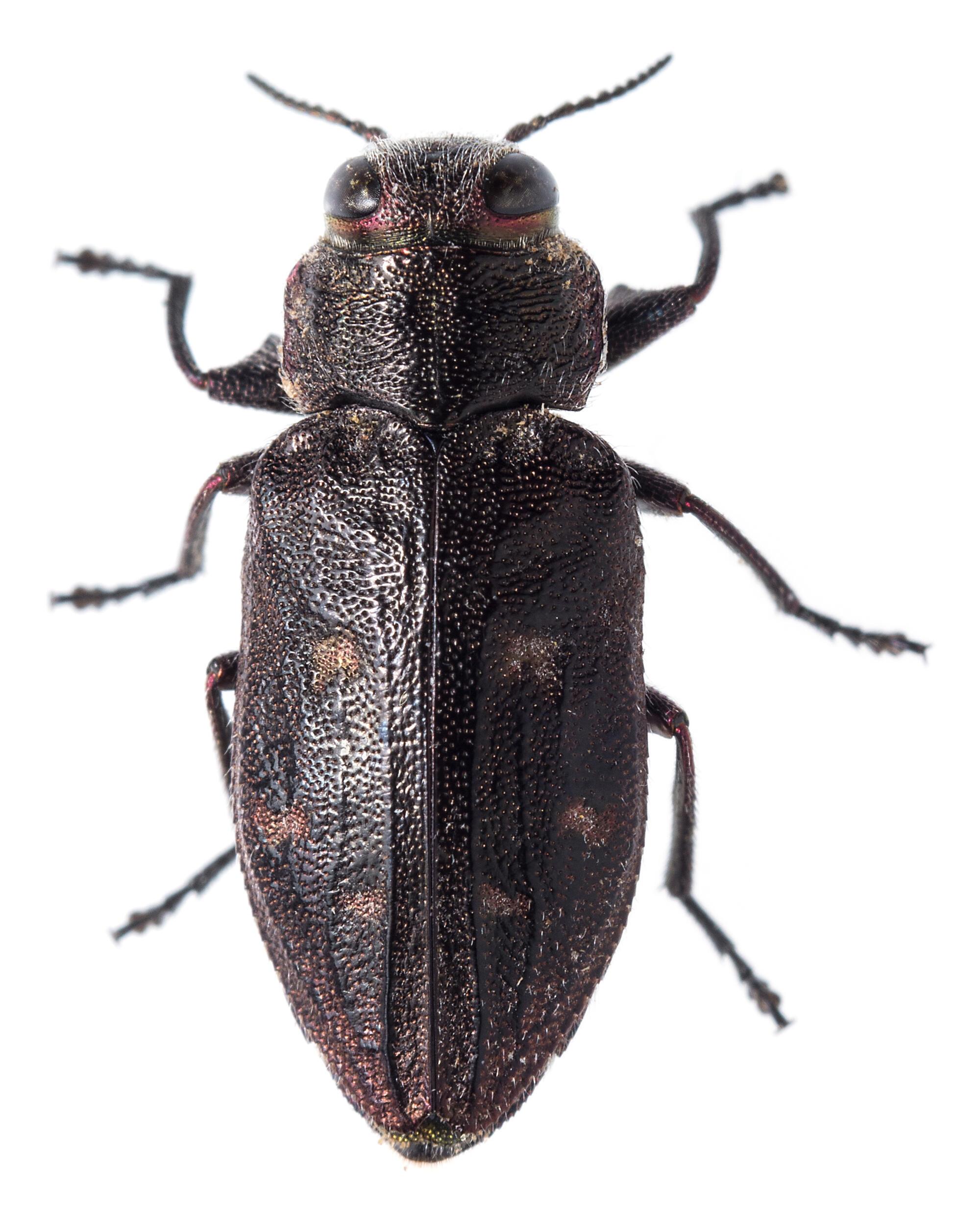
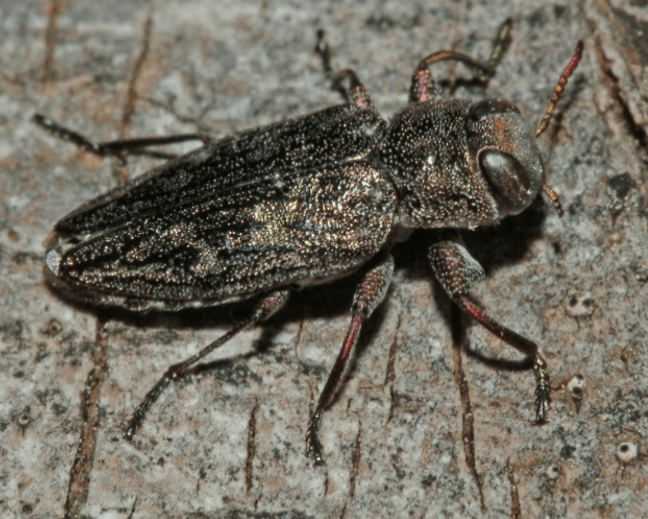
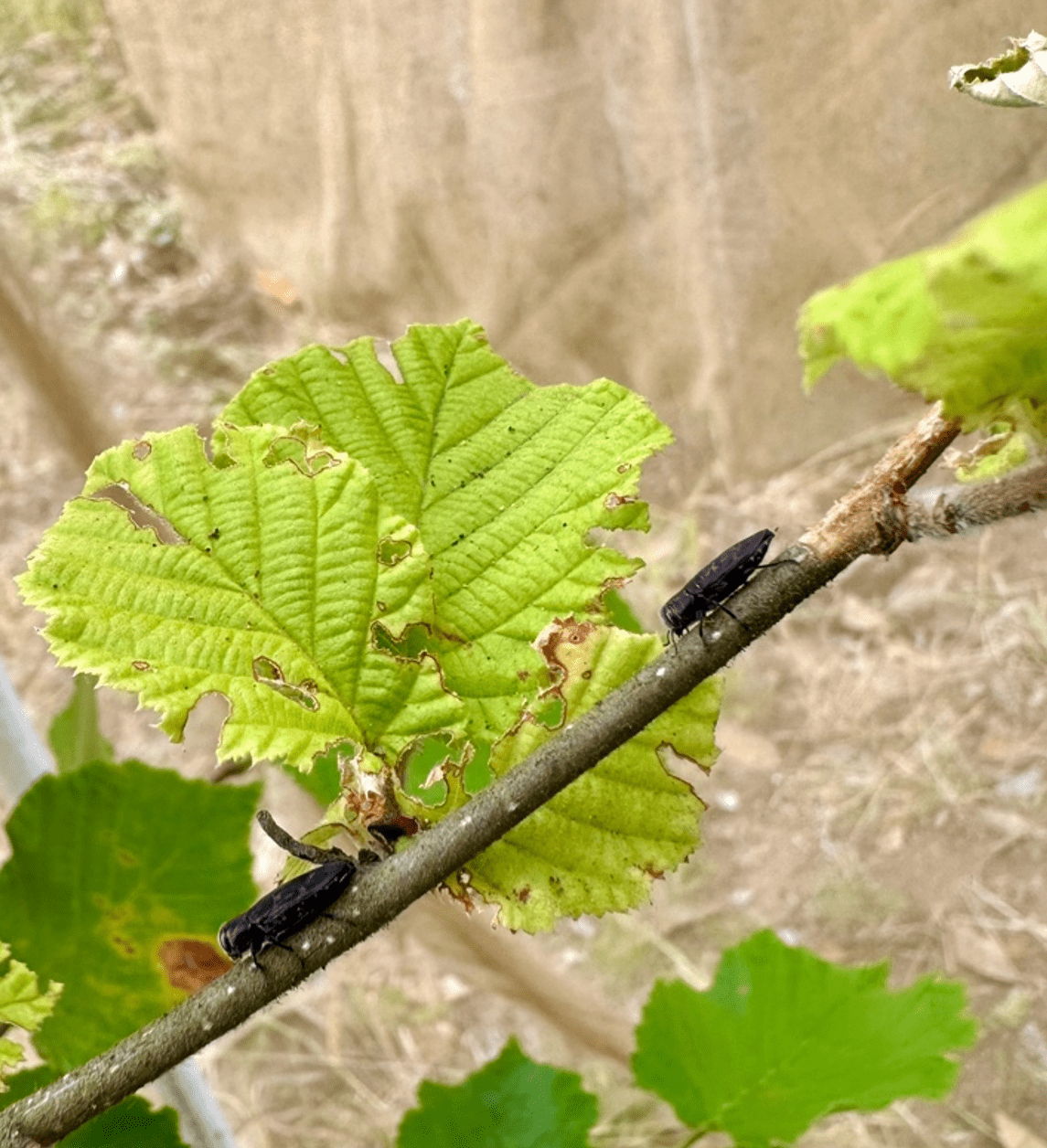
Flatheaded borers typically have one generation per year, although some larvae may require up to three years to develop in the host plant before emerging as adults. Adults are dull bronze with metallic copper-colored spots on their wing covers. The FAB is the larger species with an average body length of 0.43 inches compared to 0.33 for PFB. Size alone cannot distinguish between species because there is considerable overlap in the range of sizes. In both species, female insects tend to be larger than than males. These highly active, sun-loving insects buzz while flying and can quickly conceal themselves or take flight when disturbed. In Western Oregon, adult borers begin emerging in late May, continuing through August, with peak emergence in June and July. Adults fly for approximately three to five weeks. The adult beetles can feed on tender bark and leaf margins, and feeding can increase their survival.
Flatheaded borers mate and females begin laying eggs soon after emergence, selecting cracks in the bark, damaged areas caused by sunburn or sunscald, or natural crevices such as those at leaf nodes or stem bases. They strongly prefer sun-exposed sites on weakened or stressed trees. The eggs are yellow, disklike, and wrinkled, and are typically laid singly. Eggs hatch two to three weeks after oviposition, meaning the first egg hatch may occur as early as June. Exact timing can vary depending on environmental conditions and adult emergence timing.
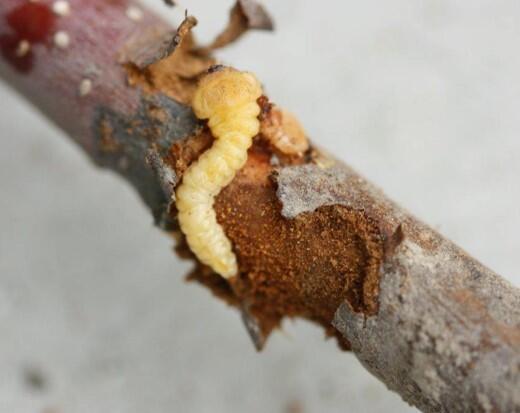
Once hatched, larvae bore directly into the tree through the bottom of the egg cuticle, feeding just beneath the bark in the cambium layer. Feeding creates irregular tunnels partially filled with powdery frass, a distinctive sign of infestation. The larvae are yellow to yellowish-white and legless. You can identify them by a broad, flat enlargement of the thorax just behind the head, which has large mandibles or jaws. Although it is not technically the head that is enlarged, the larvae’s general appearance gives flatheaded borers their name.
As temperatures cool in fall, larvae of the Pacific flatheaded borer migrate deeper into the tree’s heartwood to construct pupal chambers where they overwinter. Flatheaded appletree borers, however, may overwinter in either the sapwood or the heartwood, depending on environmental conditions. The overwintering larvae enter a prepupal stage and remain dormant until spring, when they rapidly pupate and emerge as adults, completing the cycle.
Research conducted from 2017 to 2019 by Nik Wiman at Oregon State University modeled the emergence timing of Pacific flatheaded borer adults. Results showed emergence consistently occurred between June 1 and July 28 each year, with 100% emergence completed by late June or late July (see Figure 1).

Identification
Distinguishing between flatheaded apple tree borer and Pacific flatheaded borer can be difficult in the field, as the two species are quite similar in appearance. For accurate species identification, you need a known sample for comparison. If you are unsure, send specimens to the Oregon State University Plant Clinic in Corvallis for expert identification. There is no charge for insect identification at the OSU Plant Clinic.
Adults
- Size:
- PFB: 6–12 millimeters (0.24–0.47 inches) in length, with females larger than males.
- FAB: 7–15 millimeters (0.29–0.58 inches) in length. Although size classes overlap, FAB is typically larger than PFB.
- Coloration:
- PFB: Dark brown to reddish copper, with reddish spots on the elytra (the hard, protective wing covers). The underside of the abdomen is shiny and metallic blue or turquoise.
- FAB: Greenish-bronze coloration on both the top and underside, with lighter zigzag patterns on the elytra.
Larvae
Both species have similar larval characteristics. Because of these similarities, larval identification is not a good way to distinguish between FAB and PFB. Instead, try to rear adults from infested wood if you need to identify the species. Characteristcs include:
- Yellow to white coloration. Mature larvae are roughly 19–32 millimeters (0.75–1.5 inches) in length.
- Enlarged, flattened thorax (middle body segment where the legs are attached).
- When disturbed, the larvae curl into a characteristic "hook" shape.
Eggs
Eggs of both species are yellow to white, disk-shaped and approximately 1 millimeter in diameter. They are often laid in bark crevices, though they are rarely seen in the field.
Host selection
Both flatheaded apple tree borer and Pacific flatheaded borer have a wide range of hosts, feeding on many deciduous trees, shrubs and fruit trees in natural, urban, orchard and nursery settings. Common hosts for FAB include maple, oak, sycamore, tulip poplar, willow, rose and cotoneaster. PFB targets similar species, preferring shrubs and trees like apple, pear, plum and cherry. In Oregon, these pests can impact several key horticultural crops, including hazelnuts, cherries, pears and deciduous trees commonly grown in nurseries, such as maple, rowan, cherry, plum and crabapple.
Flatheaded borers tend to cause the most damage to younger, stressed trees, though older trees in weakened conditions are also susceptible. Stressors such as drought, heavy pest infestations, transplanting, mechanical damage, sunburn and sunscald can make trees more vulnerable to attack.
PFB has a particular affinity for trees weakened by disease, such as fire blight, which is common in pear and apple orchards. The insect often attacks grafted trees at the graft union, which is also an area of the tree that is prone to sunburn. Establishment stress in new orchard plantings can lead to devastating attacks by PFB, resulting in a high percentage of trees needing to be replanted. Orchards planted with bare root trees earlier in the fall and winter tend to fare better than those that are planted closer to spring.
Scouting and damage
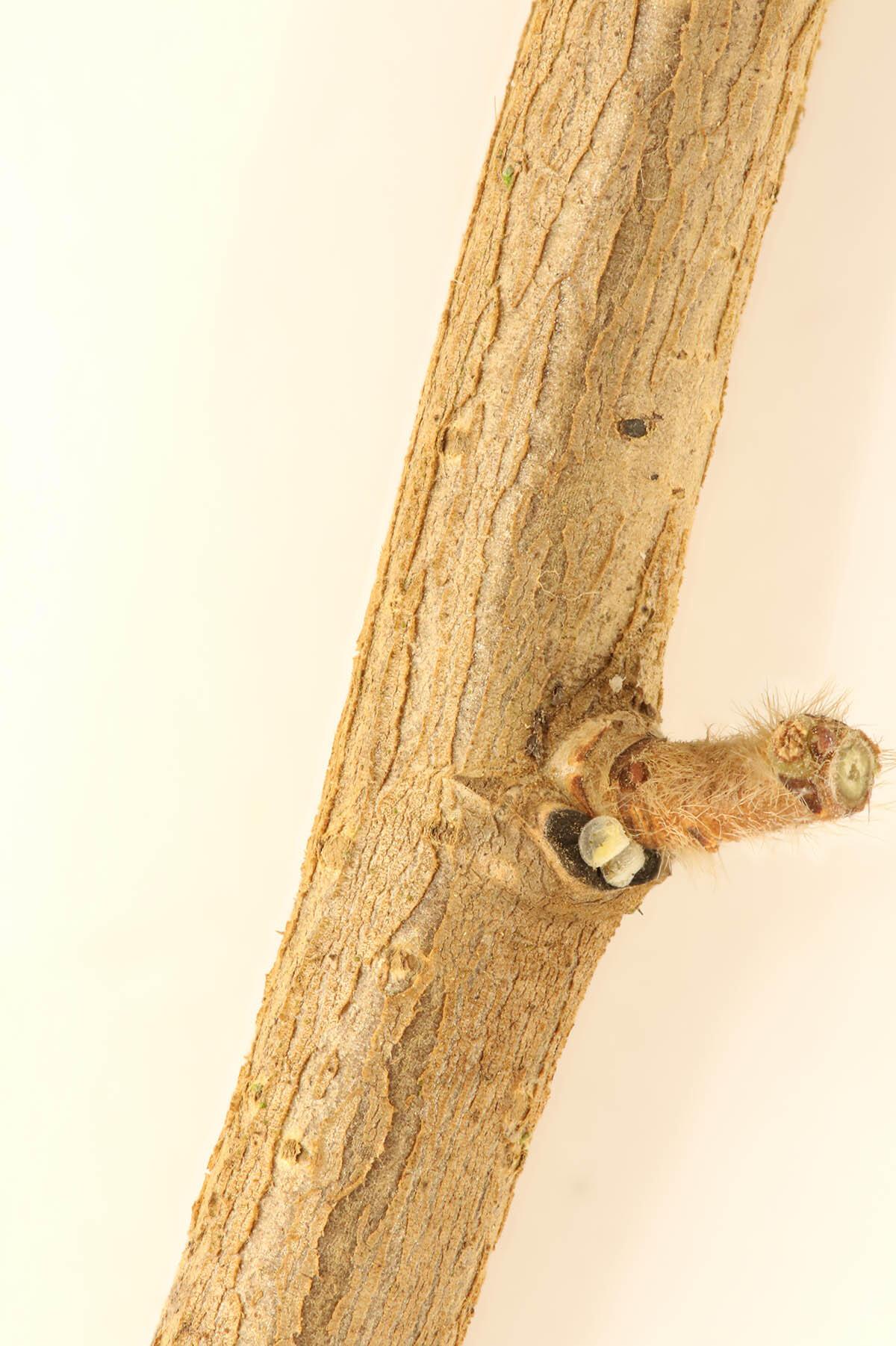
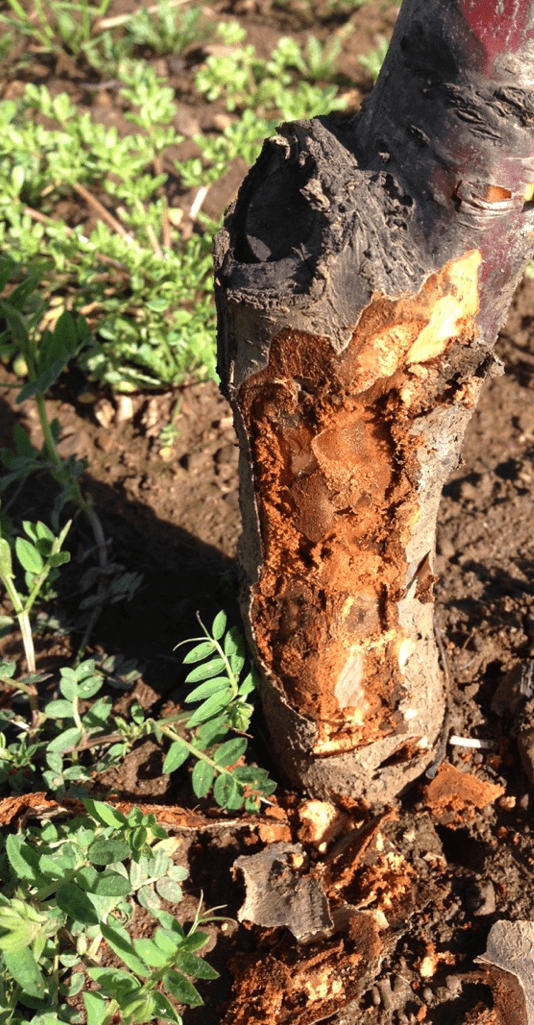
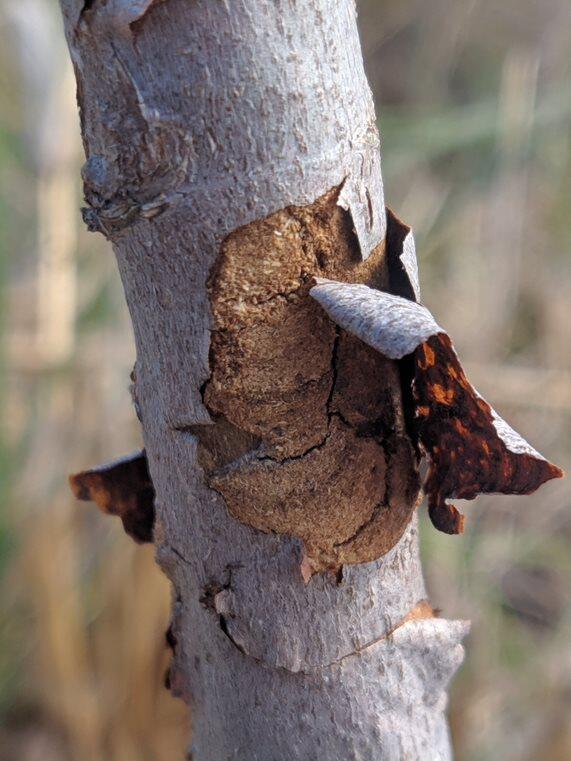
Both Pacific flatheaded borer and flatheaded apple tree borer larvae cause damage by tunneling under the bark of host trees to feed on the cambium. This results in irregular galleries that fill with fine, sawdust-like frass. While the larvae emit little frass outside the tree, depressions and cracks in the bark may make the frass visible. Occasionally, frass may even be seen on the ground at the base of the tree.
This feeding activity can weaken the tree's structure, leading to dieback, or in severe cases, the death of the entire tree. In smaller trees, the larvae can easily girdle the whole trunk circumference, leading to tree death.
Flatheaded borer damage is particularly concerning because trees that do not show immediate signs of stress from feeding may become more prone to breakage in future years, especially during high wind or heavy crop loads. This is due to the compromised structural integrity of the branches and trunk.
Older trees are less likely to die outright from larval feeding but may become weakened over time, contributing to their eventual decline. Below are some key indicators to look for when scouting for flatheaded borers, along with their timing in relation to the borer's life cycle.
Timing for scouting
- Spring (March to May): Last year’s damage becomes highly evident. Dissecting damaged wood may reveal larvae, prepupae and pupae as the end of this period approaches.
- Early to midsummer (June to July): Adult flatheaded borers emerge during this period. Larvae are actively feeding under the bark.
- Late summer to early fall (August to October): Larvae move into the heartwood to overwinter, making this a critical time for scouting for early signs of damage.
- Winter (November to February): Winter is a good time to scout and remove damaged trees during pruning or other activities. Replant damaged trees. Shredding or burning infested plant material will prevent the emergence of adult borers from infested wood.

Signs of infestation and damage
- Examine sunny sides of tree trunks during the summer, especially during June and July when adult borers are most active and feeding wounds are visible. D-shaped exit holes start to appear in early summer as adults begin emerging from wood and flying.
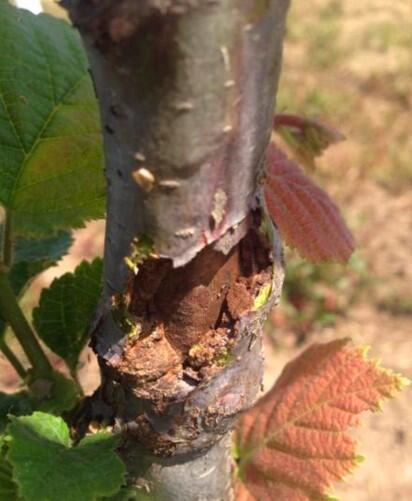
- Look for wilted or dead branches and external signs of invasion, including larval feeding wounds and sawdust-like frass, from midsummer onward, as larvae begin to cause significant damage. Use a blade to scrape bark where you suspect subsurface damage. Scraping affected trees will reveal frass-filled galleries.
- In hazelnuts, catkins may form but not distend in winter, or bud break may be delayed or affected by feeding damage. This is typically noticeable in early spring through late summer.
- Check the trunk for splitting, peeling or flaking bark, especially in late summer or fall, when the larvae may have already moved into the heartwood but left visible external damage.
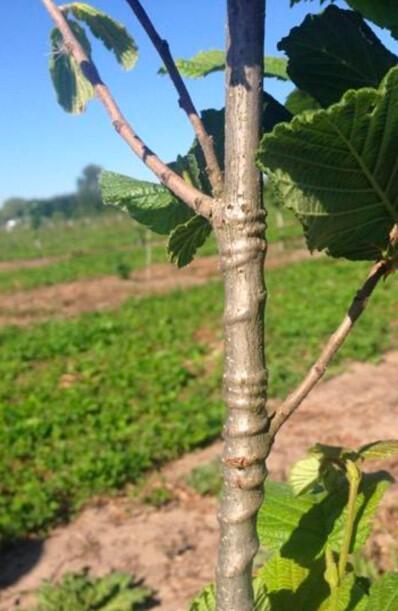
- Lumpy, water-soaked areas of the bark may be apparent near feeding damage. This can indicate active larval feeding. These areas are most noticeable in late summer when larvae are actively tunneling and trees are transpiring at a high rate.
- Examine sunken areas or wounds in the bark, where the cambium layer has been damaged, causing tissue death. These may be found in late summer or early fall, as the larvae are feeding just under the bark.
- Brown-colored sap may appear near oval or D-shaped exit holes or other fresh wounds under the bark, indicating adult emergence. This can occur from late spring to summer.
- Wounds may initially resemble rodent or mechanical damage, but galleries filled with frass or sawdust are a clear sign of flatheaded borer activity. Check these in late summer and early fall, when larvae may be nearing pupation.
When to act
- Early spring is the time for management activity, such as treating with systemic insecticides to ensure good uptake and protection during the flight period.
- Early spring is a good time for cultural controls, such as painting trunks and managing weeds.
- Late spring through summer (May to August): This is the best time to check for adult activity and initial feeding damage.
- Late summer to early fall (August to October): Critical time to assess the full extent of larval damage and prepare for management.
Control methods for flatheaded borers in Oregon
1. Mechanical control
White latex paint
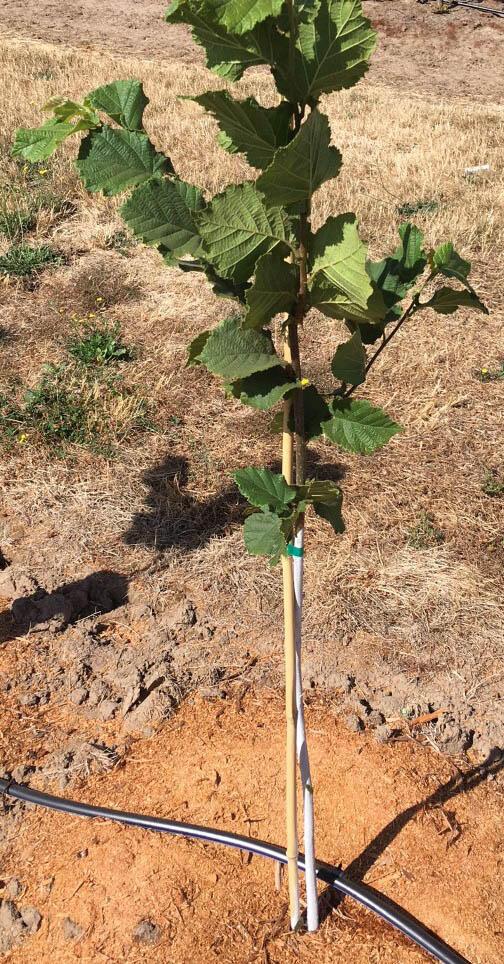
One common method to reduce borer attraction is the application of white latex paint to tree trunks. Apply paint up to 1 inch above the soil line; this helps prevent sunburn and scalding. This approach is especially valuable for young or newly planted trees in Oregon, where sunscald in winter and sunburn in summer can be problematic. Consider painting any bark newly exposed to direct sun, such as after thinning a tree canopy. These surfaces are highly susceptible to sunburn. Organic growers can use milk paint in place of white latex. Other sun protectants, such as kaolin clay, may help prevent sunburn on trunks. Use only water-based latex paint; oil-based or acrylic paints can harm the tree by preventing proper gas exchange in the bark.
Trunk wrapping
Another mechanical control option is wrapping the trunks of young trees, particularly those with thin, vulnerable bark. Wrapping helps protect trees from sunburn during hot summer months and scalding during the winter. This can be particularly useful in Oregon’s variable climate, where temperature fluctuations can cause significant damage to trees, especially in early years of establishment. Make sure the trunk wrap extends high enough on the trunk to adequately shade the trunk where the canopy may not. Flatheaded borers often attack the rim of the trunk protection, where there is enough sun exposure to cause a burn spot. Spots where the rim rubs on the tree, causing mechanical injury, are also vulnerable.
Tall grass, weeds and cover crops
Allowing tall plants to grow around the base of trees may provide some camouflage, potentially hiding trees from borer attack. However, this strategy needs to be managed carefully. While tall grass can reduce sun exposure and shield trees from heat stress, it makes trunk scouting difficult. Additionally, weeds and grass around trees may contribute to drought stress, which makes trees more attractive to flatheaded borers. Grass and weeds also compete with cultivated trees for nutrients and water.
Avoiding injury
Damage to the bark caused by equipment, herbicides, or sunburn can create perfect entry points for borers. Preventing such injuries is a key strategy for minimizing risk. Maintain proper pruning techniques and avoid mechanical damage to reduce the likelihood of attracting borers to already stressed trees.
2. Cultural control
Minimize establishment stress in new plantings
A key to preventing attacks in new plantings is to ensure that newly planted trees do not face unnecessary stressors as they establish. Field-plant trees early in the dormant season when fields have dried below field water-holding capacity. Late plantings are particularly susceptible to borer attack. Planting in soils that are too wet creates holes with impenetrable walls that trap water, making it difficult for new roots to escape and grow radially as they should. Plant trees to the soil line from the nursery and no deeper. Select trees with strongly developed root systems and do not plant poor stock. Break root balls on potted trees to achieve strong rooting by disrupting root directionality resulting from growing in the pots.
Water and nutrient management
Keeping trees healthy and vigorous is the first line of defense against flatheaded borers. Planting new trees too deep or too shallow can cause long-term stress. In Oregon, maintaining proper water and nutrient management is vital, especially during periods of drought stress or in soils prone to drying out. Providing adequate irrigation — without overwatering — helps ensure trees are strong enough to fend off pests. For established trees, water to a depth of about 2 feet every two to four weeks. Mulch trees to conserve soil moisture and reduce drought stress.
Pruning and removing infested wood
Timely and hygienic pruning is essential for preventing the spread of flatheaded borers. In Oregon, it’s important to prune out infested wood as soon as possible and either burn or remove it from the orchard or nursery. Infested wood left in place allows adult borers to emerge and contribute to the local population, potentially spreading the infestation to nearby healthy trees.
Host plant management
In Oregon's nursery settings, it is essential to control wild hosts of flatheaded borers. These include trees like hawthorn, wild apple and rowan. Removing these wild hosts near commercial plantings helps reduce the available refuges for the borer beetles, lowering the risk of infestation.
Species and cultivar selection
Choosing tree species and cultivars that are less susceptible to borer attacks can help reduce the impact of flatheaded borers. For example, some species may be more resistant to stress factors like drought or sunburn that make them more attractive to borers. Selecting cultivars with hardier bark and more resilient tissue can be an effective long-term strategy.
3. Chemical control
Chemical control of flatheaded borers is often necessary in high-value nurseries or orchards. However, chemical treatments should always be used with caution and in accordance with local guidelines, such as those provided in the Pacific Northwest Insect Management Handbook. For chemical treatments to be effective, they must be applied at the correct time, typically during the adult beetle emergence period. Treatments targeting larval feeding behavior may be necessary to prevent girdling and tree damage.
Systemic insecticides
These insecticides are absorbed by the tree and make it toxic to larvae attacking the tree and feeding beneath the bark. Systemic treatments can be effective but need to be applied early in the season to ensure enough active ingredient is taken up in time for the insecticide to be present during new attacks. Adequate soil moisture is necessary for an effective drench application.
Contact insecticides
These are applied directly to the bark and are intended to kill adult beetles as they land to lay eggs or to kill the eggs. Timing is critical for these treatments, as they must coincide with the beetles’ active flight period and beyond. Residual activity of residues breaks down over time, and you may need to reapply to maintain efficacy.
4. Biological control
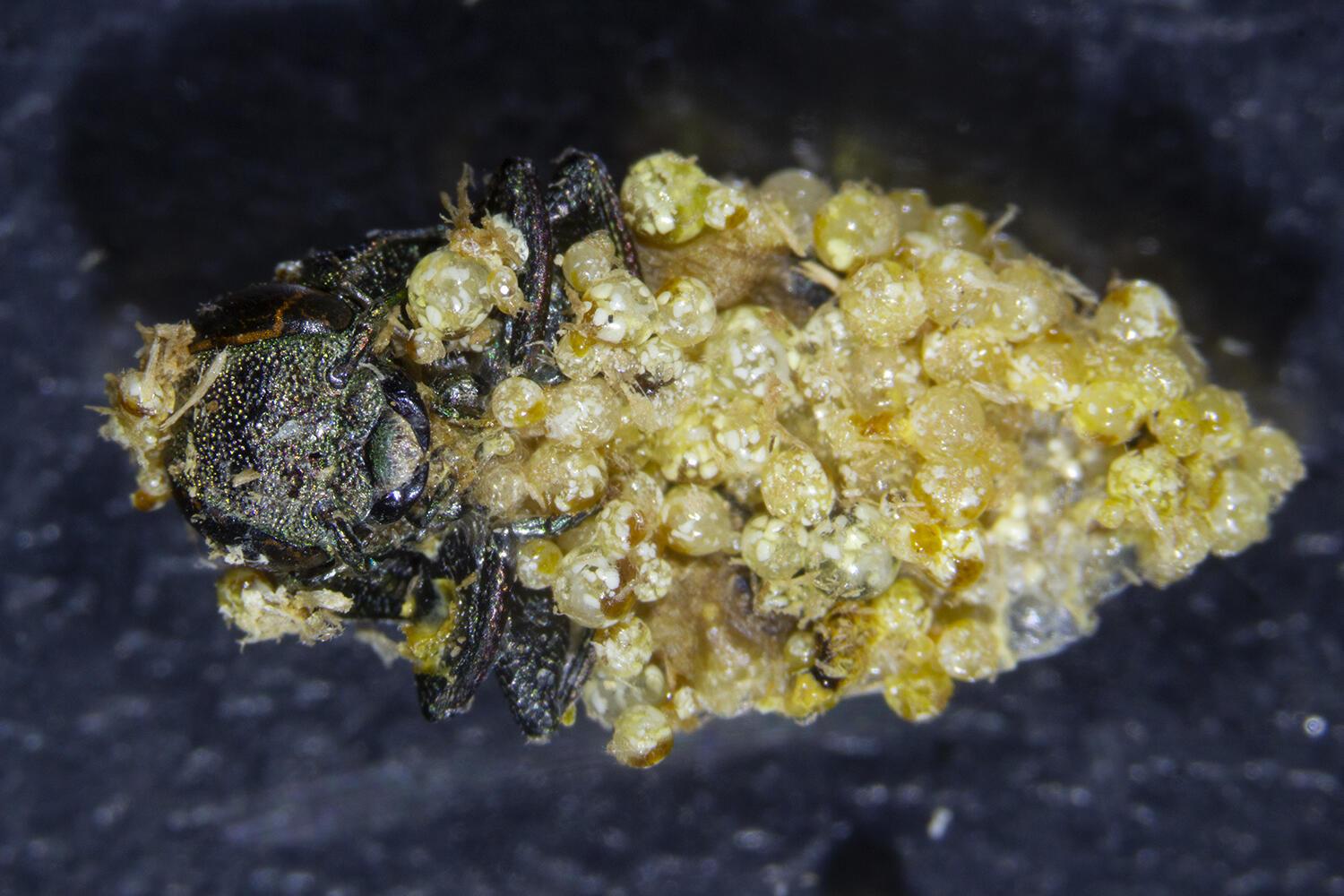
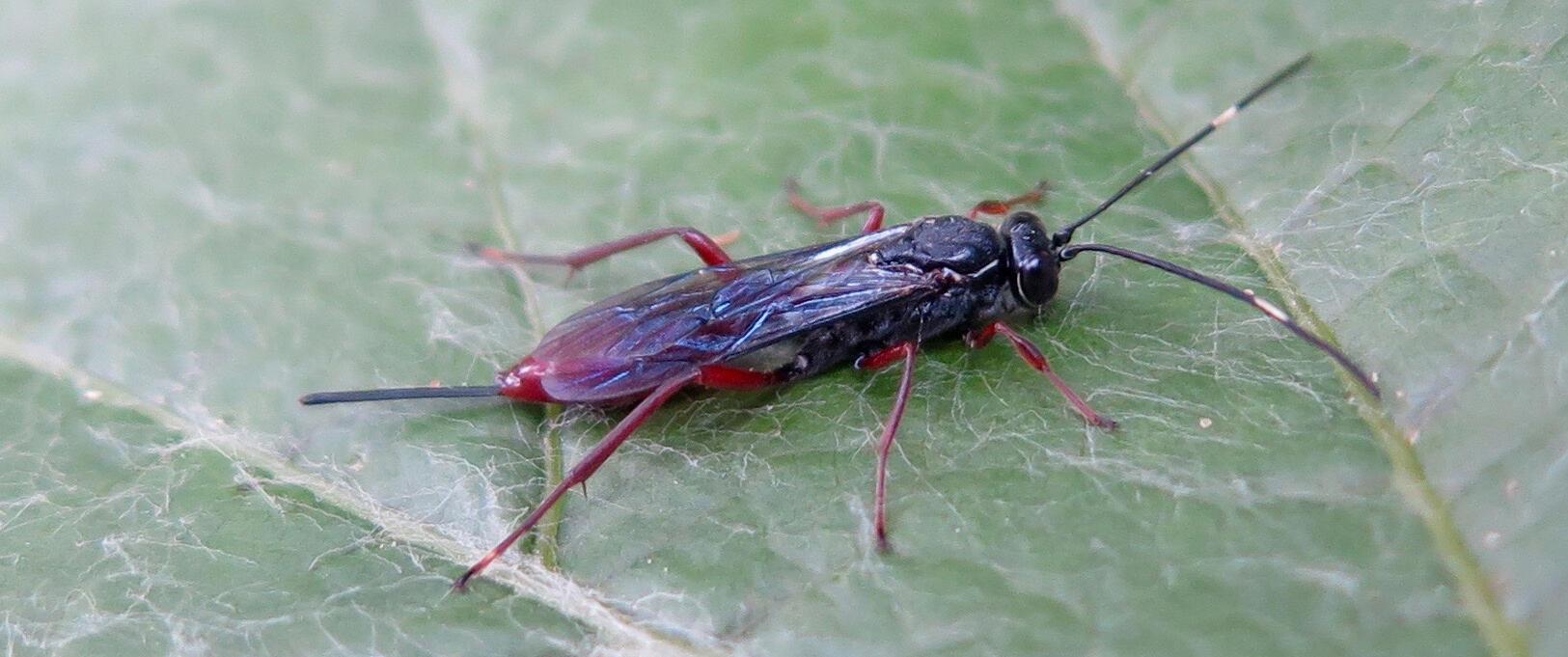
Biological control plays a minor role in flatheaded borer management, although it should not be discounted, as there is a complex of natural enemies. Any predator that attacks adult borers is highly beneficial because it can reduce mating success and help bring down pressure over time, reducing attacks on trees. Parasitic wasps are known to parasitize the larvae of flatheaded borers within the host plant by drilling their ovipositor through the wood and into the larvae to lay their eggs. These attacks are of limited benefit for the grower because the damage to the plant has already occurred by the time of attack. However, this does limit adult borer emergence. The effectiveness of these biological control agents in managing flatheaded borer pest populations has not been thoroughly explored.
Biological control for flatheaded borers occurs naturally, though little research has been done to quantify efficacy. Below are wasps that parasitize FAB and PFB.
Parasitoids of FAB
- Spathius floridanus
- Atanycolus charus
- Atanycolus femoratae
- Labena grallator
- Xorides neoclyti
- Phasgonophora sulcata
- Phasgonophora californica
- Trigonura elegans
- Metapelma spectabile
- Tetrastichus holbeini
- Horismenus caroliniensis
Parasitoids of PFB
- Atanycolus malii
- Cryptoheleostrizus alamedensis
- Euchrysia hyalinipennis
- Phasgonophora californica
- Tetrastichus holbeini
Harvest mites (Pediculoides ventricosus) attack the larvae in the galleries; however, they may also parasitize humans much the way chiggers do attacking around the ankles and legs, causing an itchy rash that may last several days to a week.
Wood-boring birds and carpenter ants will feed on the eggs, larvae and pupae that are under the bark and in galleries. Wood-boring birds, however, are generally not considered desirable in nurseries.
Key differences between PFB and FAB
Although Pacific flatheaded borer and flatheaded apple tree borer share many similarities in their life cycle and behavior, these key differences that can help with identification and management in the field:
- Size and shape: FAB is generally larger than PFB. Additionally, PFB adults have a more pronounced, flattened head compared to the narrower and more subtle head of FAB adults.
- Coloration: FAB adults typically exhibit a dull metallic color, often bronze or copper, while PFB adults tend to be a more striking metallic green or blue.
- Host preferences: PFB primarily targets hardwood species like alder, poplar and willow — particularly shrubby species. FAB is more common on fruit trees (apple, pear) and ornamental trees (maple, oak). Both species attack hazelnut.
- Damage symptoms: Both borers cause similar types of damage, but PFB may be more likely to attack trees weakened by drought or other stress factors. FAB tends to be more aggressive in orchards and commercial settings, often showing up in heavier cycles.
Understanding these differences can aid in more effective identification and pest-management strategies. Early detection, knowing your tree species and recognizing these key differences will allow for more accurate interventions.
Conclusion
Effective management of flatheaded borers in Oregon requires a combination of proactive strategies to minimize tree damage. Key field tips for growers include frequent scouting for early signs of borer activity, particularly around the timing of adult beetle emergence in spring. Monitor for frass around the base of trees and look for signs of bark injury, which can attract these pests. Implement cultural practices such as ensuring proper irrigation and pruning that help maintain tree health and reduce the likelihood of infestation. Mechanical controls, like painting trunks and wrapping young trees to protect them from sunburn and scald, can further mitigate damage. Additionally, the removal of wild host plants around commercial plantings is essential to reduce borer refuge.
While chemical treatments may be necessary in severe cases, these should always be timed to target the most vulnerable stages of the borer life cycle. By combining these techniques and staying vigilant throughout the growing season, Oregon growers can reduce the impact of flatheaded borers and safeguard the health and productivity of their trees.
References and resources
Addesso, Karla M., et al. Evaluation of Systemic Imidacloprid and Herbicide Treatments on Flatheaded Borer Management in Field Nursery Production. Journal of Economic Entomology, vol. 113, No. 6, 2020.
Acheampong, Susanna, et al. Pacific Flatheaded Borer, Chrysobothris mali Horn (Coleoptera: Buprestidae), Found Attacking Apple Saplings in the Southern Interior of British Columbia. Journal of the Entomological Society of British Columbia, vol. 113, 2016.
Beddes, Taun, et al. Pacific Flatheaded Borer and Flatheaded Apple Tree Borer. Utah State Extension Publication ENT-170-14PR, 2014.
Burke, H.E., and A.G. Boving. The Pacific Flathead Borer. United States Department of Agriculture Technical Bulletin No. 83, 1929.
Capizzi, Joe, et al. Flatheaded Apple Tree Borer and Pacific Flatheaded Borer: Live Larvae — Dead Trees. Ornamentals Northwest Archives, vol. 6, No. 1, 1982.
Homan, Hugh W. Pacific Flathead Borer. WSU Tree Fruit. Accessed July 31, 2021.
Kaur, N., editor. Apple — Pacific Flathead Borer. Pacific Northwest Insect Management Handbook. Accessed August 2, 2021.
Murray, Katie, and P. Jepson. An integrated pest management strategic plan for hazelnuts in Oregon and Washington, EM 9223. 2018.
This material is based upon work that is supported by the National Institute of Food and Agriculture, U.S. Department of Agriculture, Specialty Crop Research Initiative under award number 2020-51181-32199. Any opinions, findings, conclusions or recommendations expressed in this publication are those of the authors and do not necessarily reflect the view of the U.S. Department of Agriculture.
About the authors


