
Mammals
Mammals
What is a mammal?
They nurse their young with milk, and they give birth to live young — though there are a few exceptions. They have hair at some point in their lives and are warm blooded, which means they use the energy from food to produce heat and keep their bodies at a stable temperature. Other unique characteristics include three middle ear bones and a strong, single-piece lower jawbone attached to the skull.
Learn more about mammals
Eight main characteristics of mammals (ThoughtCo)
Wildlife viewing locations – mammals (Oregon Department of Fish and Wildlife)
(Watch) Preserved specimens at OSU (OSU Ichthyology Collection)
- American pika
- California sea lion
- Cougar
- Gray whale
- North American beaver
- Northern flying squirrel
- Pronghorn
- Roosevelt elk
- Striped skunk
American pika, Ochotona princeps
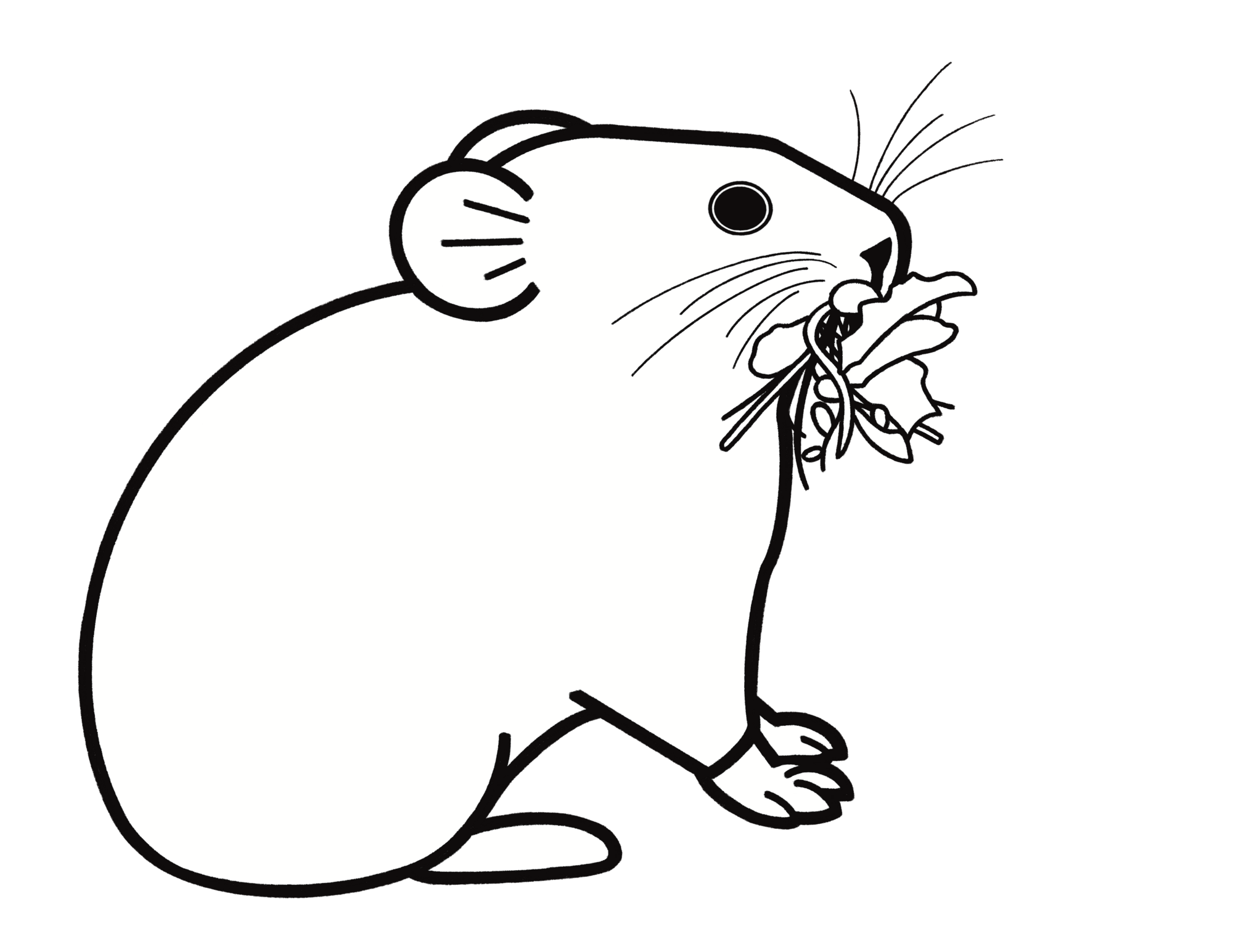
Pikas are tiny mountain-dwelling creatures that are cousins of rabbits — but they don’t have a visible tail. They are known for their loud, squeaky calls that help warn others of danger! In Oregon, you can find pikas in the cool, rocky slopes of Crater Lake, the mountains of Central and Eastern Oregon and in the Columbia River Gorge. They collect and store plants in summer to eat during the winter. Pikas are sensitive to heat, and rising temperatures make survival harder for these little high-altitude creatures.
Learn more about the american pika!
Species spotlight (Oregon Wild)
California sea lion, Zalophus californianus
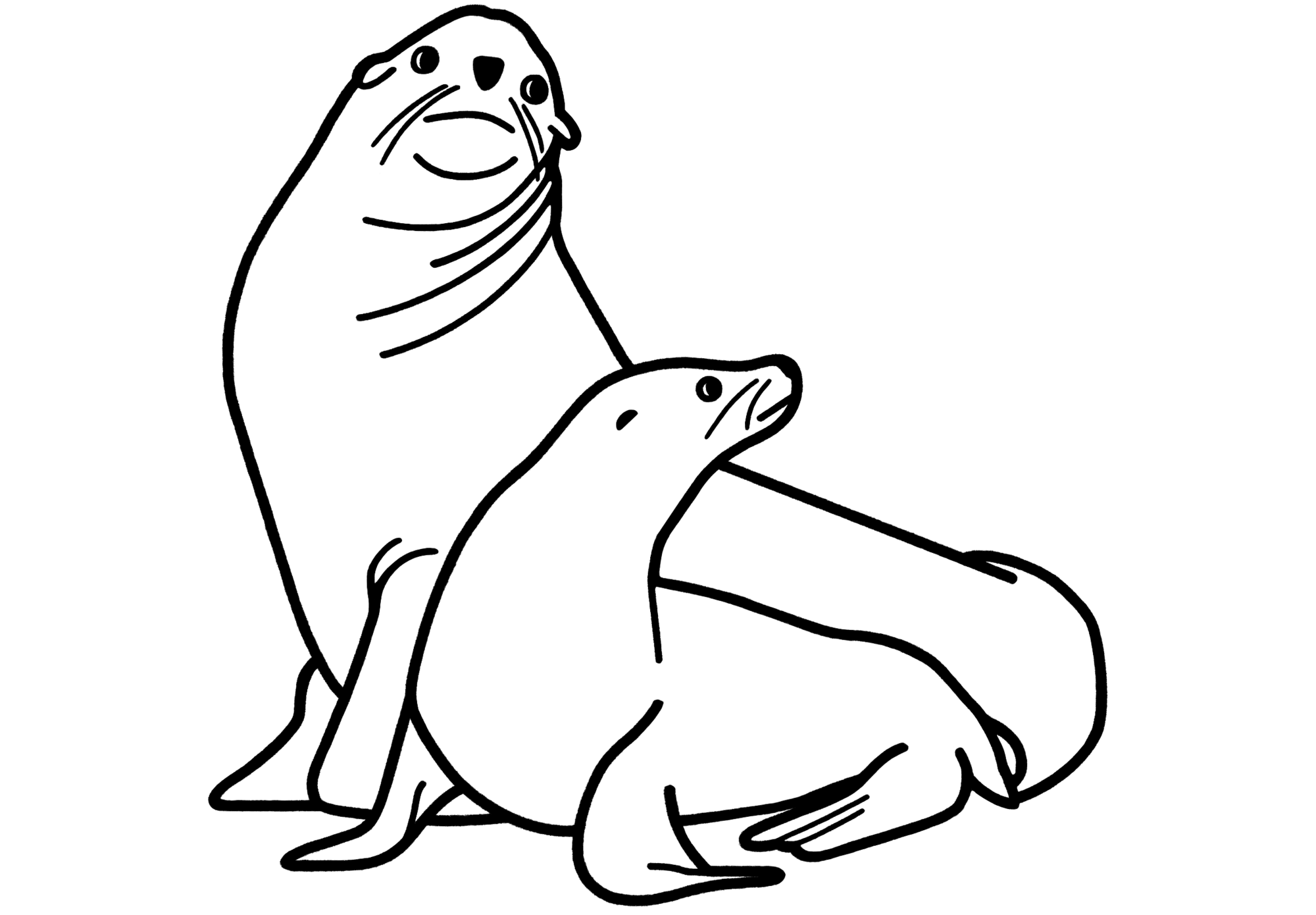
If you’ve ever heard loud barking near the ocean, chances are you’ve met a California sea lion! These social animals love hanging out in big groups on docks, buoys and shores. You can spot them by the brown whiskers, ear flaps (seals don’t have ear flaps) and the big forehead bump on adult males. Cool fact: Sea lion moms and pups have their own special voices and smells! That’s how they find each other in a crowd of hundreds. Sea lions are part of a healthy ocean ecosystem. Feeding them (even if it seems fun) is harmful and illegal. It changes their behavior and makes them less cautious around boats and people.
Learn more about the California sea lion!
Wildlife viewing – seals and sea lions (Oregon Department of Fish and Wildlife)
About California sea lions (NOAA)
(Listen) Discovery of Sound in the Sea – California sea lion
Cougar, Puma concolor
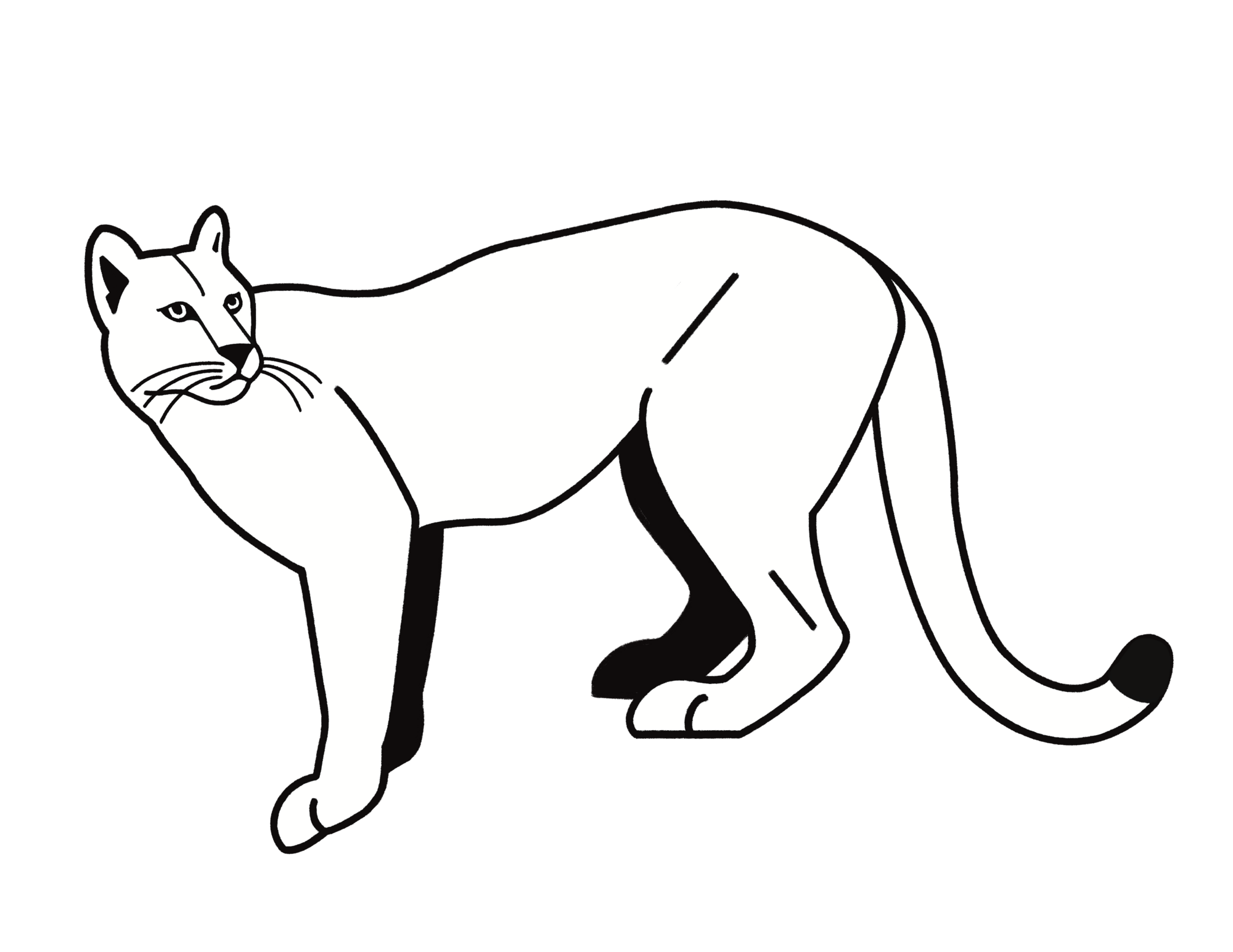
Puma concolor goes by many names — mountain lion, cougar and puma. Did you know they can’t roar like other big cats? Instead, they growl, hiss, chirp, mew, purr, whistle and yowl! They often live alone (except for moms with kittens). Fun fact: they have the biggest range of any wild land mammal in the Americas — from Canada all the way to South America! These powerful apex (top) predators mostly hunt deer and live in a broad range of habitats, including forests, deserts and mountains. They play a vital role in maintaining the health and balance of their ecosystems. The biggest danger cougars face is people — mostly because of hunting and conflicts with humans.
Learn more about the cougar!
Living with Wildlife – Cougars (Oregon Department of Fish & Wildlife)
Changes to cougar diets and behaviors reduce their competition with wolves in Yellowstone, study finds (Oregon State University, includes photos and video)
Cougar and wolf interactions in Yellowstone (Discover Wildlife)
Cougar versus Puma – What’s the difference? (Discover Wildlife)
(Watch) Why most mountain lion sightings fall apart (Nature Reliance)
Gray whale, Eschrichtius robustus
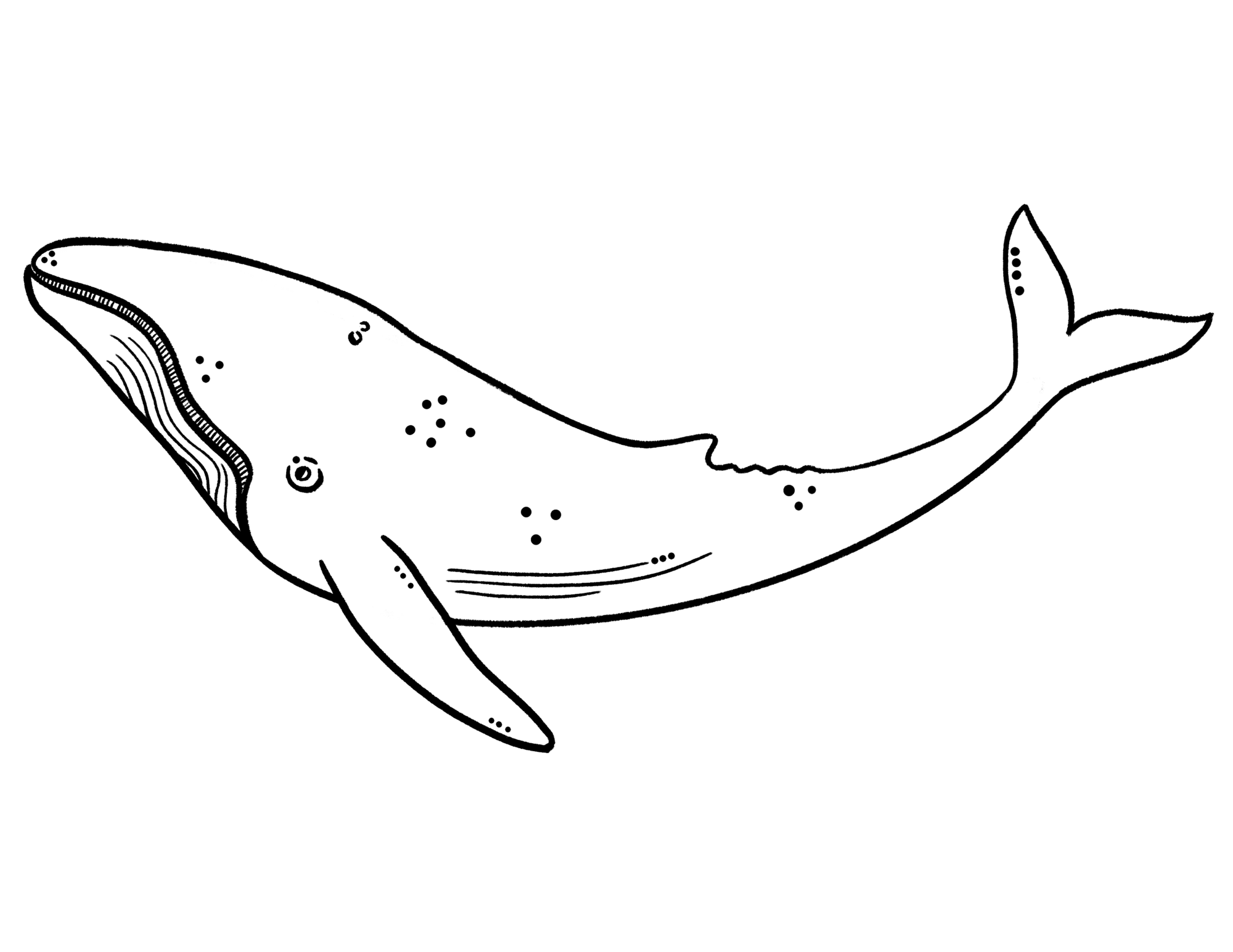
Some gray whales skip the full migration from Baja California, Mexico, to Alaska and hang out off the Oregon coast instead. Meet the Pacific Coast Feeding Group (PCFG), a group of gray whales that spend summer and fall in Oregon’s nearshore waters. From the shore you may see them blowing air, flipping their tails (fluking), spyhopping (peeking above the surface) and breaching (making a full-body leap). PCFG whales are shorter and skinnier than other gray whales — though scientists are trying to learn why — and use unique behaviors to feed. If you see one from the shore, chances are the whale is in, near or heading toward a patch of kelp where they find their number one food source: tiny shrimp-like creatures called mysids. Whales face dangers like getting entangled in fishing gear or hit by boats. And for whales, underwater noise (like from boats) is stressful: they use sound to communicate with each other, find food and protect themselves from predators.
Learn more about the gray whale!
Ocean Ecology Lab, OSU Marine Mammal Institute
Wildlife viewing – whales, dolphins and porpoises (Oregon Department of Fish and Wildlife)
Meet the gray whales (GEMM Lab, OSU Extension and Oregon Sea Grant)
New GEMM Lab study indicates troubled times for PCFG gray whales (GEMM Lab)
Collaborative OSU effort reduces whale entanglement (OSU Extension)
Sea Grant Extension helps boaters agree on best practices for watching whales
(Listen) Discovery of Sound in the Sea – gray whales
Share the shore – Marine life viewing guidelines (NOAA)
Laws & Policies: Marine Mammal Protection Act (NOAA Fisheries)
North American beaver, Castor canadensis

The North American beaver is Oregon’s state animal — and Oregon State University’s mascot! They are like nature’s engineers, building dams that create wetlands, clean water, support wildlife and help during droughts. Their super-strong teeth never stop growing, which helps them chew through trees, and their webbed feet make them powerful swimmers that can stay underwater for up to 15 minutes. Long ago, they were hunted to near extinction for their thick fur, but now their numbers are stable. Today, beavers continue to play an important role in keeping Oregon’s ecosystems full of life.
Learn more about the North American beaver!
Living with Wildlife – Beaver (Department of Fish & Wildlife)
American beaver – A long history (Greenbelt Land Trust)
Northern flying squirrel, Glaucomys sabrinus
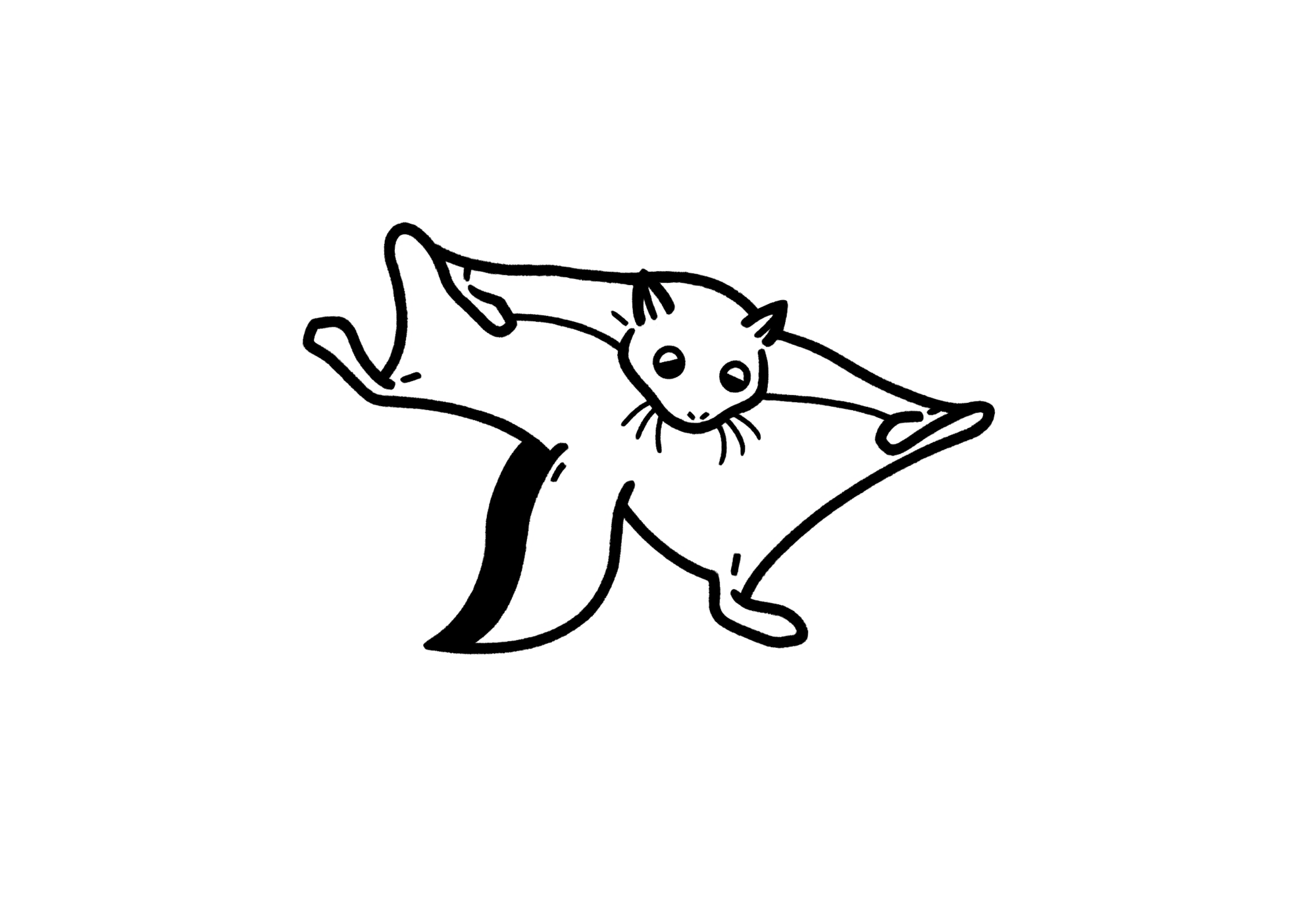
Northern flying squirrels don’t actually fly — they glide through the air using a stretchy skin flap between their legs. These little acrobats can glide up to 150 feet between trees! With big eyes made for night vision, they’re active at night, making them hard to spot. Flying squirrels help forests stay healthy by eating truffles — a type of mushroom or fungi — and spreading fungal spores that help trees thrive. Plus, they’re an important food source for predators like hawks, weasels and owls, including the endangered spotted owl.
Learn more about the Northern flying squirrel!
Species spotlight (Oregon Wild)
Wildlife viewing – northern flying squirrel (Oregon Department of Fish and Wildlife)
(Watch) Learn about the Northern flying squirrel (Your Northwest Forests)
Pronghorn, Antilocapra americana
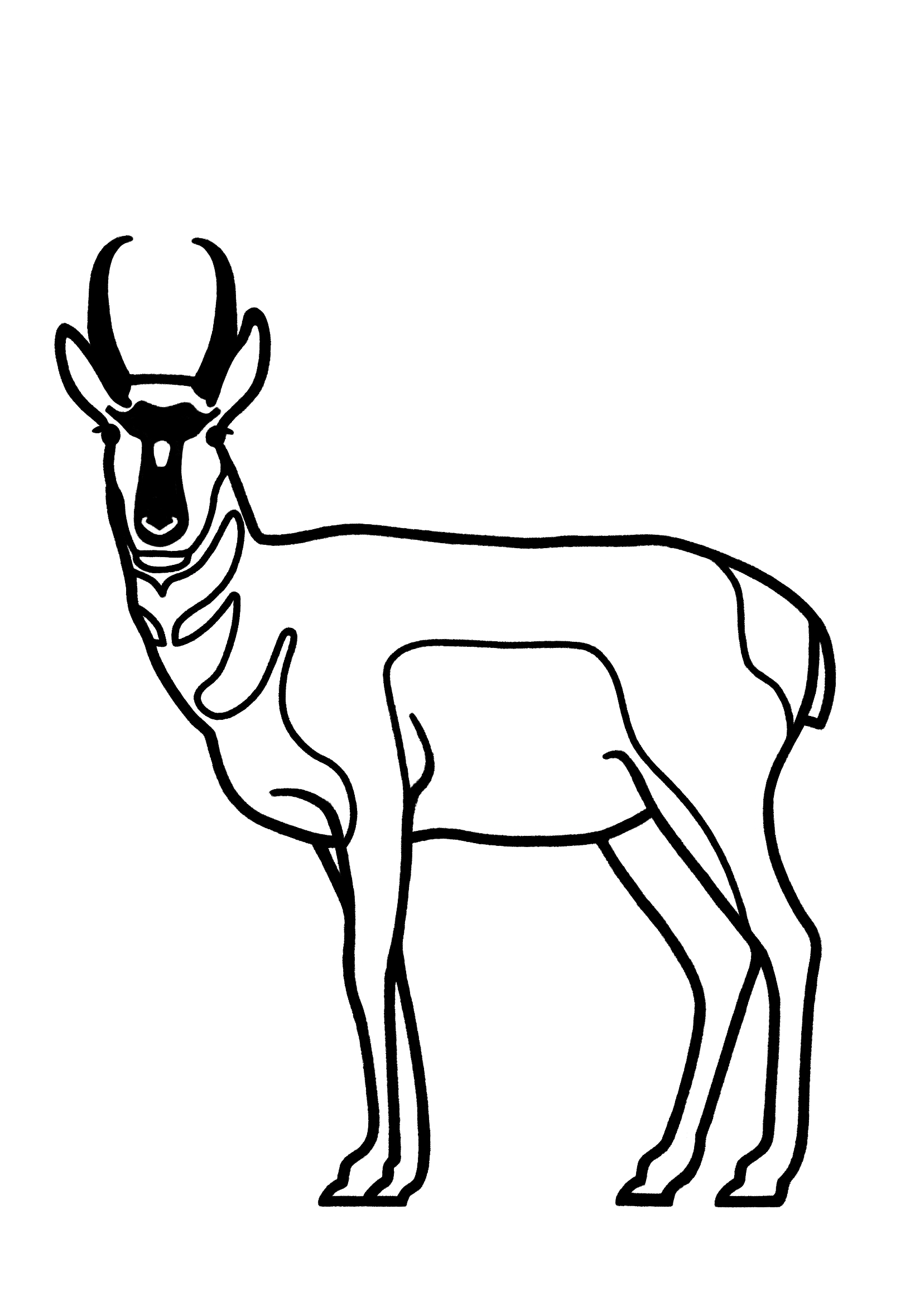
The pronghorn is the fastest land animal in North America, racing up to 60 miles per hour! Even though it looks like an antelope, it’s actually more closely related to a giraffe. Fun fact: Their hollow hair traps air to keep them warm in winter and cool in summer. About the size of a deer, both males and females grow bony horns and they shed the outer layer (called sheaths) every year. They don’t jump well, so wildlife-friendly fences help them roam freely. Pronghorn almost disappeared in the 1800s because of too much hunting, but today about 20,000 live in Eastern Oregon’s grasslands and sagebrush habitats. Pronghorns are a big game species and can be hunted with the right tags and licenses.
Learn more about the pronghorn!
Species spotlight (Oregon Natural Desert Association, Oregon Department of Fish and Wildlife and One Earth)
(Watch) North American Pronghorn (Ron Spomer)
Roosevelt elk, Cervus canadensis roosevelti
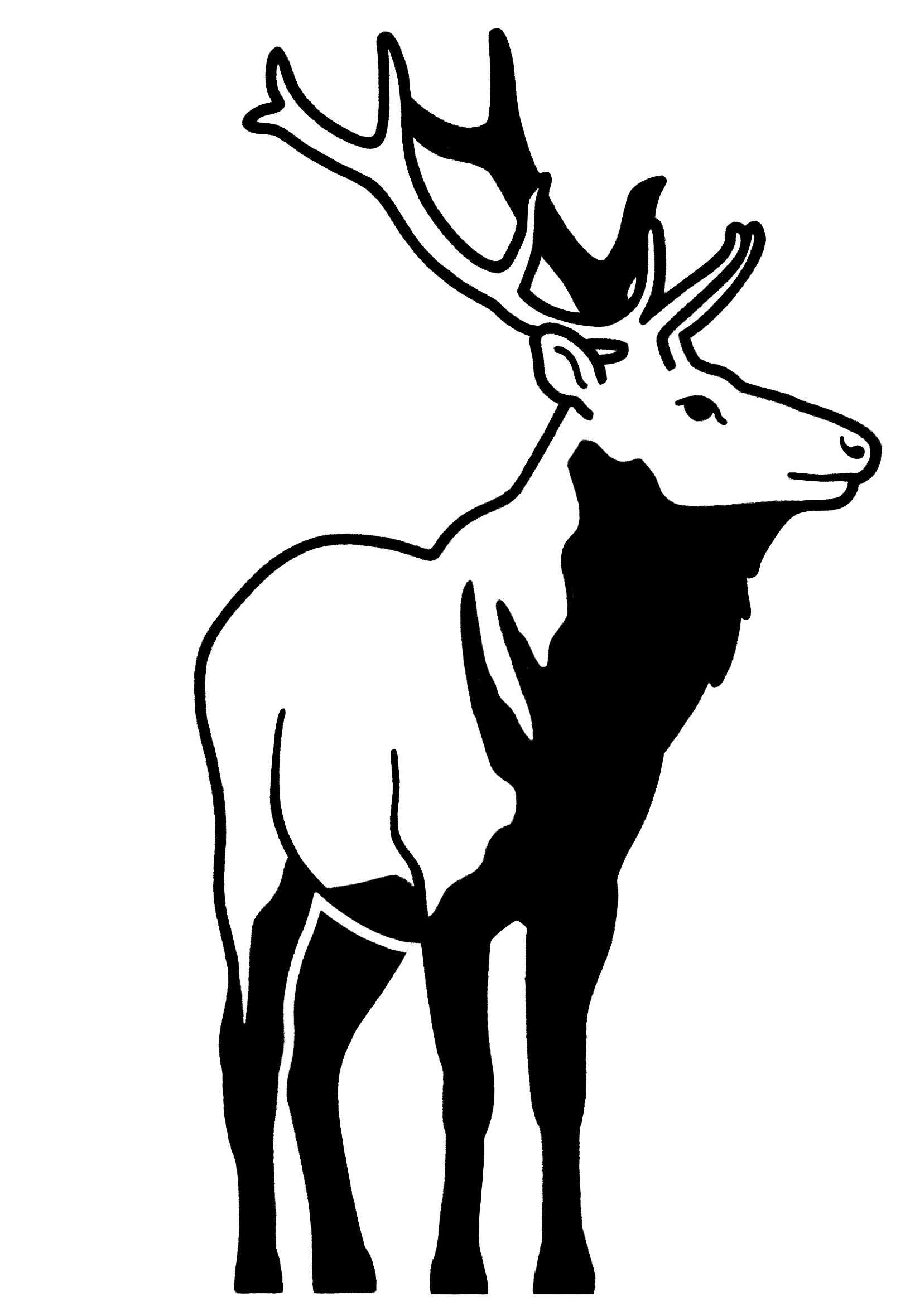
Meet one of North America’s biggest land mammals! These plant-eating giants can weigh 600 to 1,100 pounds. You’ll find them roaming Western Oregon, especially in the Coast and Cascade mountains. Every year, male elk (called bulls) grow enormous antlers — up to 4 feet wide — and then shed them to start fresh the next year. Elk were almost wiped out in Oregon in the 1800s because of overhunting. Thanks to conservation efforts, they never completely disappeared, but they still face challenges like habitat loss from logging and roads. Did you know? Oregon also has Rocky Mountain elk, a smaller cousin that lives in Central and Eastern Oregon. They were reintroduced in the early 1900s to help restore elk populations.
Learn more about the roosevelt elk!
Species spotlight (National Park Service)
(Listen) Hear an elk bugle (National Park Service)
Living with Wildlife – Deer and Elk (Oregon Department of Fish and Wildlife)
Big game hunting (Oregon Department of Fish and Wildlife)
Striped skunk, Mephitis mephitis
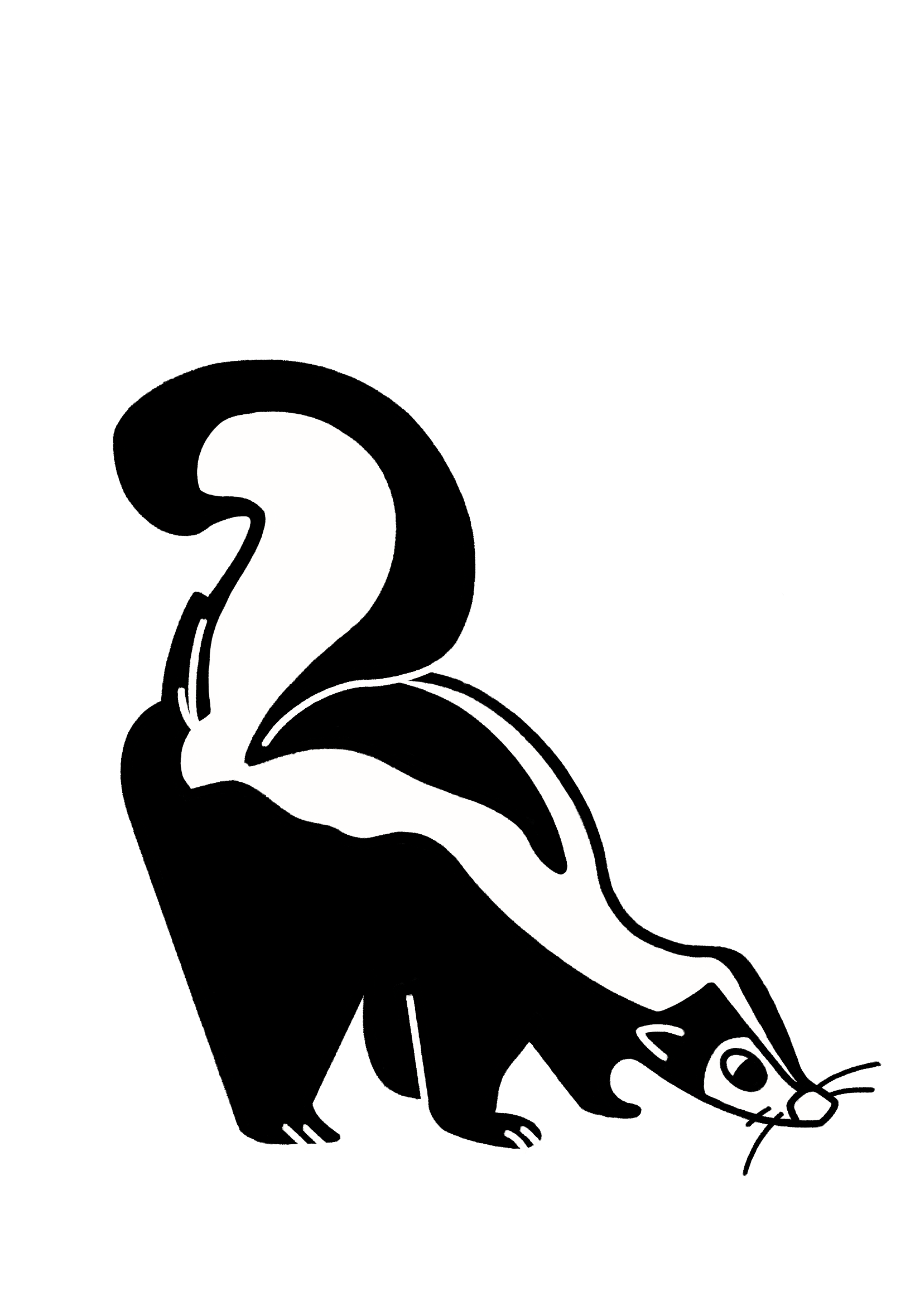
You can’t miss a striped skunk — black fur with two bold white stripes makes them stand out! They’re about the size of a big house cat and mostly active at night. Skunks live all over Oregon — forests, farms, towns, even cities — and usually make it to about four years old in the wild. What’s on the menu for skunks? Everything! Skunks are omnivores, which means they eat insects, grubs, worms, rodents, eggs, fruits, nuts and more. They help control pests and spread seeds, making them super important for healthy ecosystems. About that smell… Skunks have a powerful defense: a stinky spray from glands near their tail that can shoot up to 12 feet! They only use it as a last resort because after spraying, they need days to refill, leaving them defenseless. So, skunks prefer to avoid trouble whenever they can — they’re gentle, not aggressive.
Learn more about the striped skunk!
Skunks in Central Oregon – More than meets the nose (Think Wild)
Wildlife Watch (U.S. Fish and Wildlife Service)
(Watch) Recipe to get rid of skunk smell (Nature Reliance)