
Reptiles
Reptiles
What is a reptile?
They are cold-blooded animals with scaly skin, lungs and a life cycle that does not include a larval stage in or on water. Most lay eggs with shells, though some give birth to live young. Because they’re cold-blooded, they need the sun to warm up their bodies, making basking sites essential to their survival.
Learn more about reptiles
Wildlife viewing – reptiles (Oregon Department of Fish and Wildlife)
California mountain kingsnake, Lampropeltis zonata
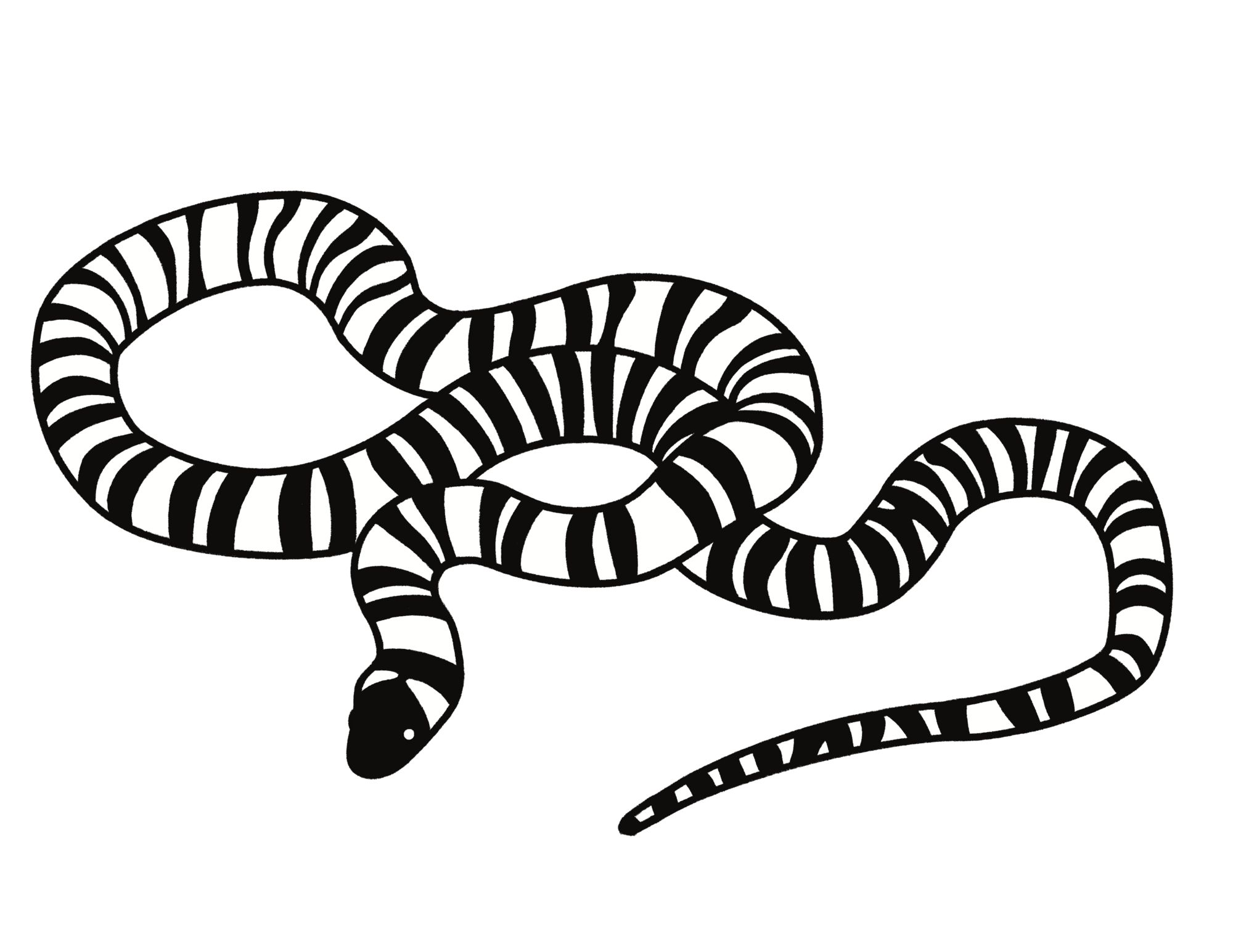
This red-, black- and white-striped snake might look scary but it’s totally harmless to humans. Kingsnakes use their powerful muscles to constrict and eat rodents, reptiles and birds. Their brightly colored scales are smooth and shiny, and their snout is black. Found primarily in Southwestern Oregon in woodlands along waterways, they spend most of their time hidden.
Learn more about the California mountain kingsnake!
Species spotlight (Oregon Conservation Strategy)
(Watch) Finding the elusive California mountain kingsnake
Antipathy toward snakes? Your parents likely talked you into that at an early age (Oregon State University)
YouTube version: Afraid of snakes? Here's why (maybe).
Sagebrush lizard, Sceloporus graciosus
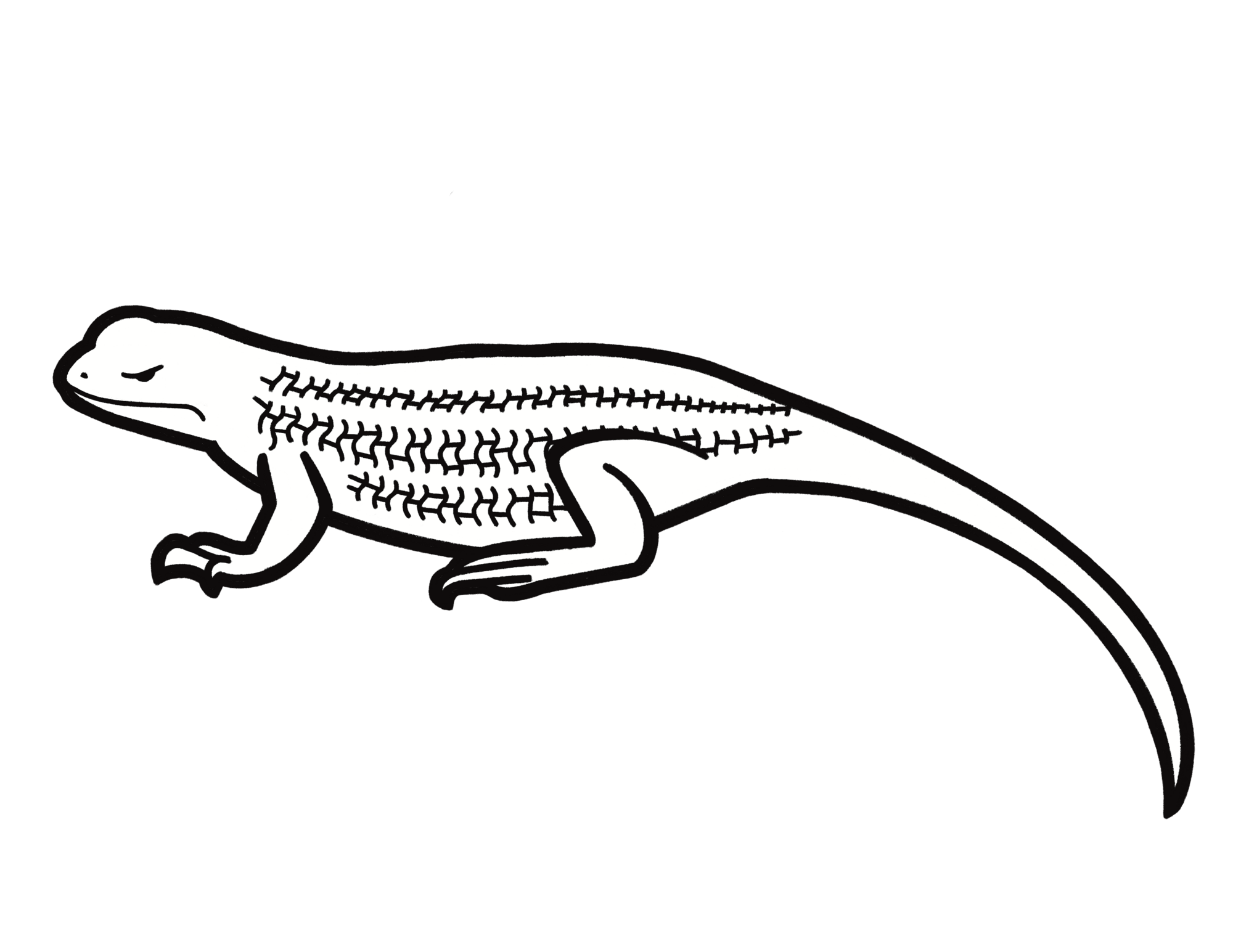
These lizards live in sandy areas on the Columbia Plateau where there is little vegetation. They love to bask on sunny rocks. For food, they eat all kinds of small invertebrates like bugs and spiders. When it gets too hot, they cool off by hiding in old animal burrows or under logs and shrubs. Look for the spiny scales along their back. Only about 2–4 inches long, a mature male has bright blue patches on the sides of its belly.
Learn more about the sagebrush lizard!
Species spotlight (Oregon Conservation Strategy
Wildlife viewing (Oregon Department of Fish and Wildlife)
Western pond turtle, Actinemys marmorata
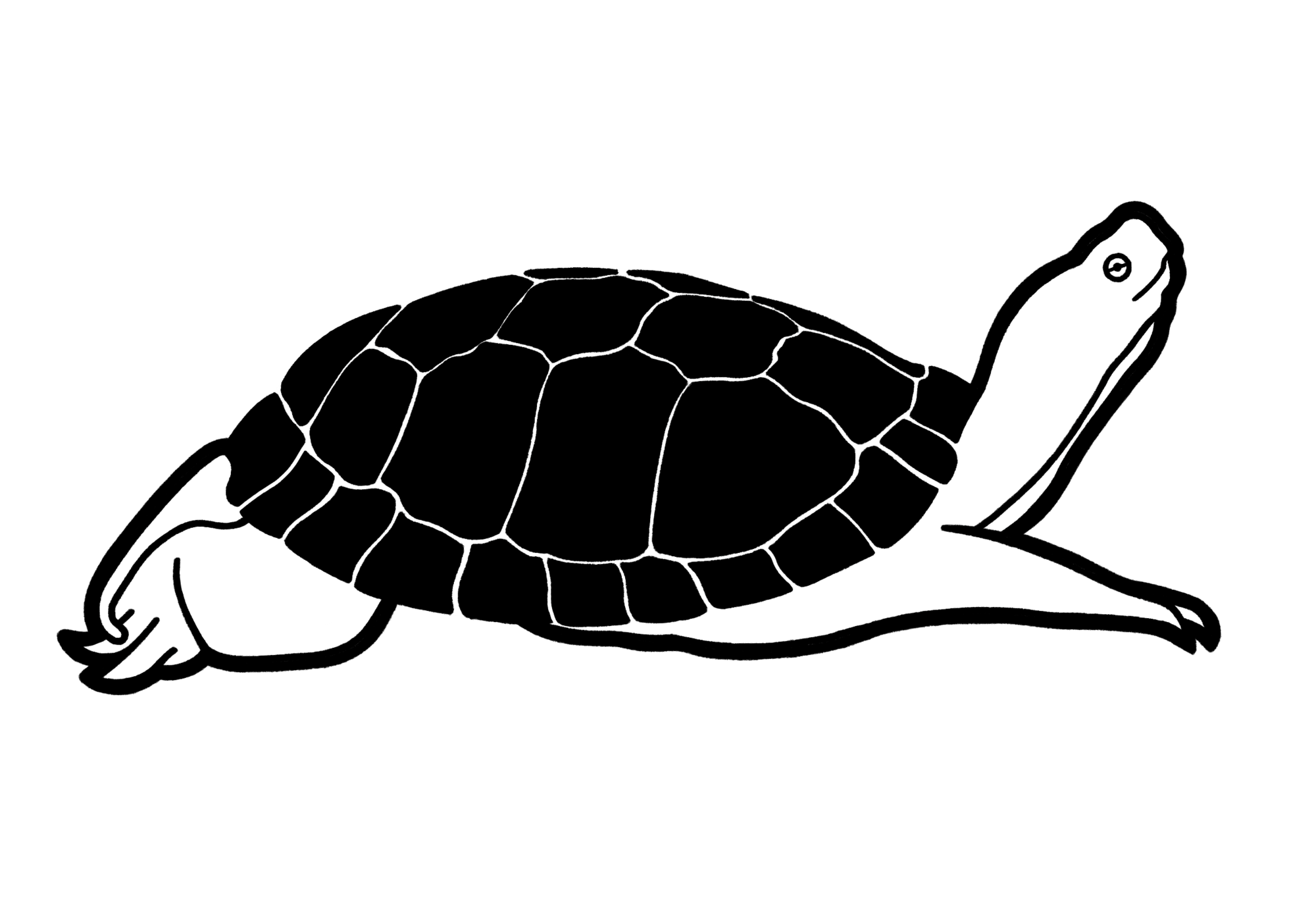
One of only two native turtles in Oregon, the Western pond turtle can live up to 50 years, growing up to 8 inches long. It spends most of its life in water though it nests on land. Fun fact: They can’t swallow food in the air, so they only eat underwater. Considered omnivores, they eat a wide variety of food, including insects, fish, frogs and some plants. They take an average of 10 years to mature and reproduce slowly. These turtles face challenges like wetland habitat loss and competition from invasive species. Their upper shells brown to black shells make them hard to spot, but you might find them basking in the sun near water in Oregon’s southern Willamette Valley, along the Coast Range and the West Cascades.
Learn more about the Western pond turtle!
-
Species spotlight (U.S. Fish and Wildlife Service)
-
(Watch) Turtle anatomy 101 (Garden State Tortoise)
-
(Watch) What’s inside a turtle shell (Insider Science)
-
A year in the life of a western pond turtle (Klamath-Siskiyou Wildlands Center)
-
So, what is a northwestern pond turtle anyway (Oregon Forest Research Institute)