CORVALLIS, Ore. — Melissa Fery’s chance encounter in a meeting led to an overseas work trip she’ll never forget — and a renewed sense of purpose in the power of Extension.
In fall 2024, Fery met Joana Guterres Gusmão during a Zoom meeting. Fery is a professor of practice and small farms Extension educator in Oregon State University’s College of Agricultural Sciences.
Gusmão, who lives in Baguia, a village in Timor-Leste, was in Oregon through the Young Southeast Asian Leaders Initiative Professional Fellows Program (YSEALI PFP), an exchange sponsored by the U.S. Department of State’s Bureau of Educational and Cultural Affairs.
In their meeting, Fery described her work in the Extension Small Farms Program, including farmer networks and agritourism.
About four months later, Fery received an email from the State Department saying her project had been awarded. Her initial thought was, “What project?” She thought it was spam.
The message was real. Gusmão submitted Fery’s name as the U.S. fellow who would travel to Timor-Leste to offer education for farmers in and around Baguia.
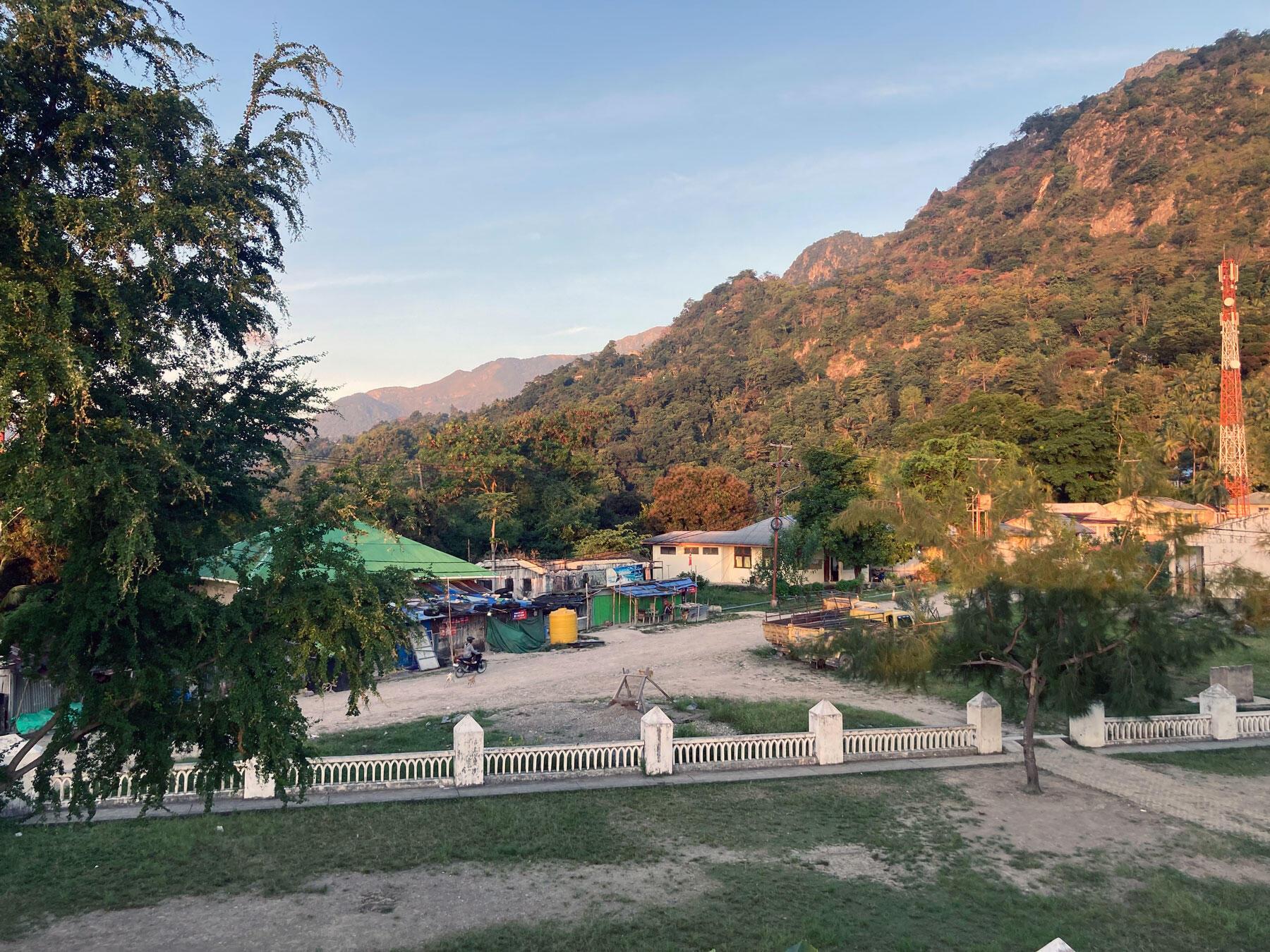
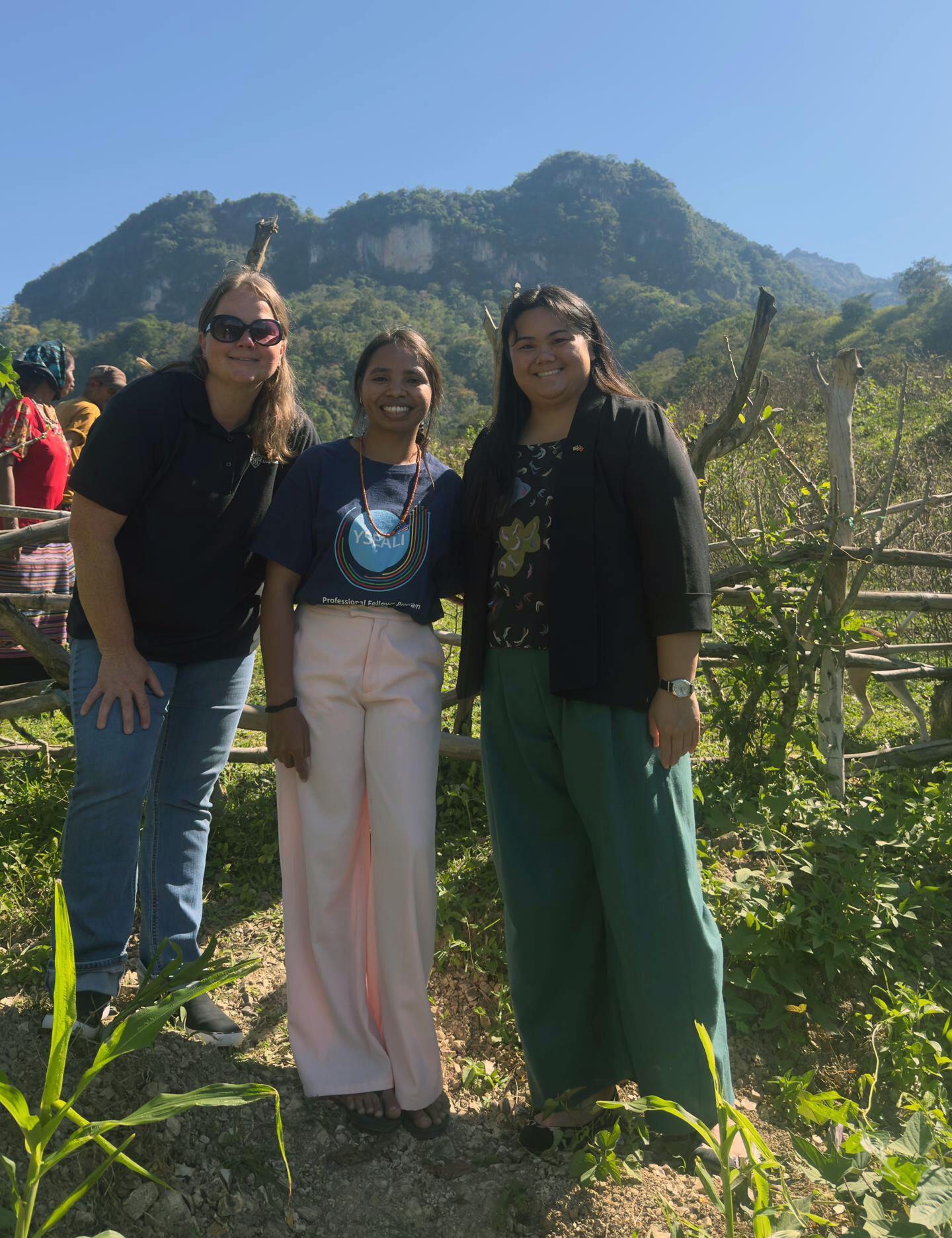
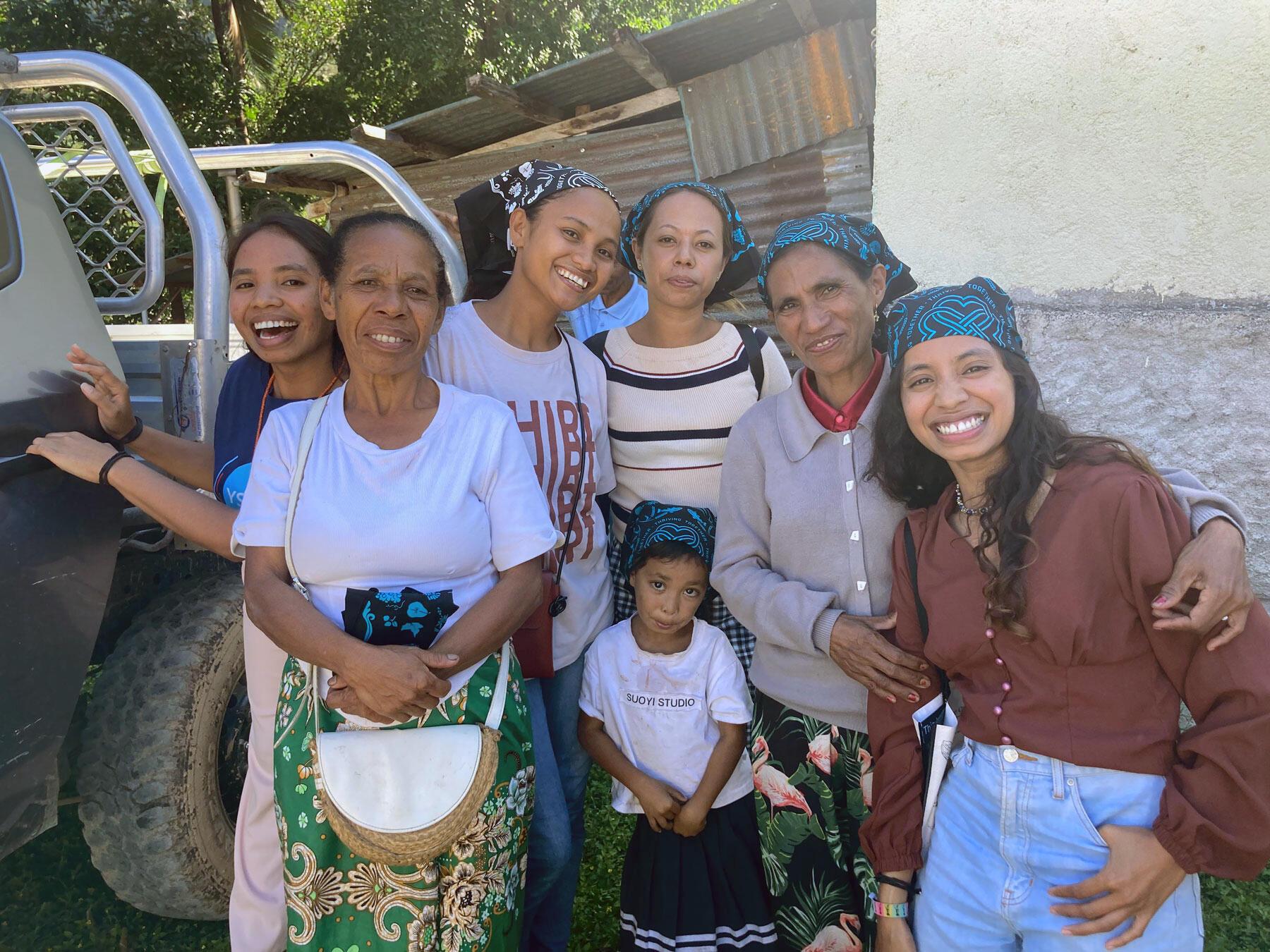
Last August, Fery found herself bumping down a dirt road on the way to Baguia, about five hours from Dili, the country’s capital and largest city. She spent a week there teaching topics Gusmão and local leaders requested.
“The overarching project goal provided to me was to ‘elevate the knowledge of community in agriculture and agritourism with the theme of economic empowerment,’” Fery said.
“Hopeful people”
Timor-Leste was a Portuguese colony for centuries. It declared independence in 1975 and was invaded and occupied by Indonesia until 1999. The Human Rights Data Analysis Group, working for Timor-Leste’s Commission for Reception, Truth and Reconciliation, reports a minimum estimate of 102,800 conflict-related deaths from 1974 to 1999.
“It was heartbreaking to hear and see their story,” Fery said. “They’re hopeful people, so it was rewarding for me in so many ways to be there.”
Once in Baguia, Fery quickly saw how different the setting was from the communities she works with in Oregon.
Information is not easily accessible in the village. Internet service is limited. Many resources are not available in Tetum, the language spoken by everyone in Baguia. There are no libraries, no street addresses and no local post office.
“It’s not like here,” Fery said. “People don’t have easy access to information, and that really shapes how farming knowledge is shared.”
The physical isolation was just as striking. Reaching Baguia requires hours of travel on rough dirt roads from Dili.
“It was definitely the most remote place I’ve ever been,” Fery said. “I was the first American that many of them had ever met.”
Fery stayed in a small fort built between 1894 and 1908 during the Portuguese colonial period.
Workshops built for the setting
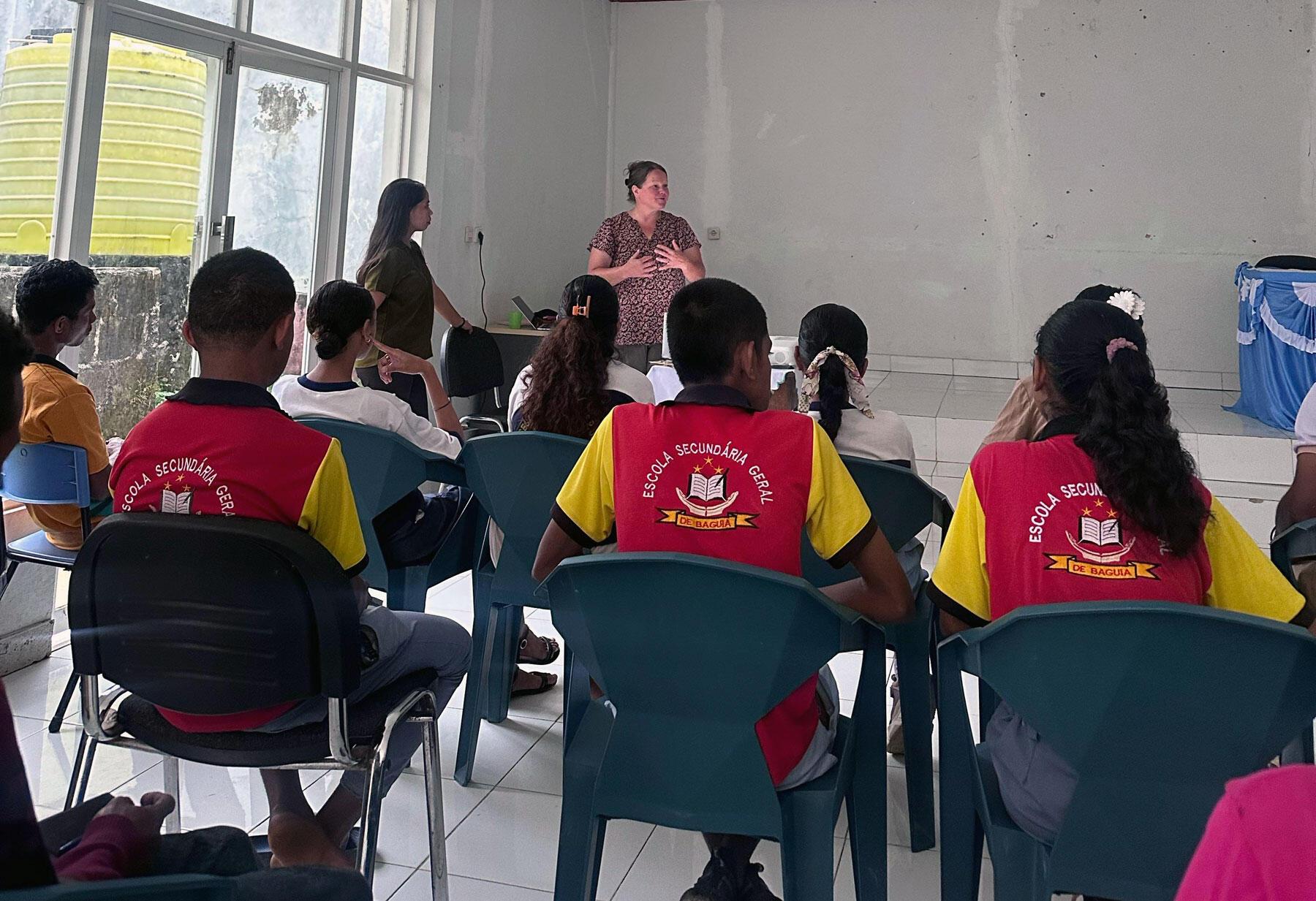
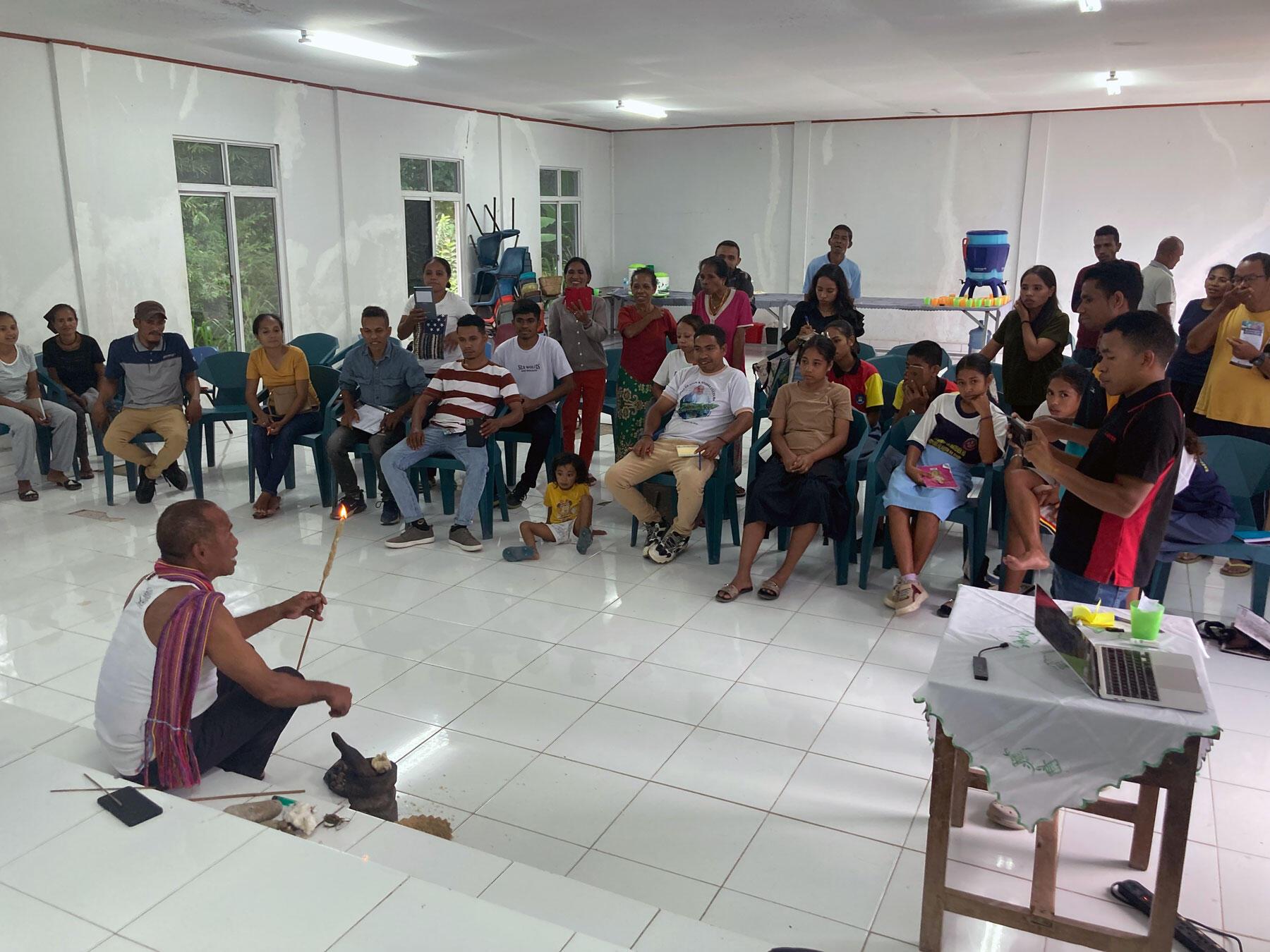
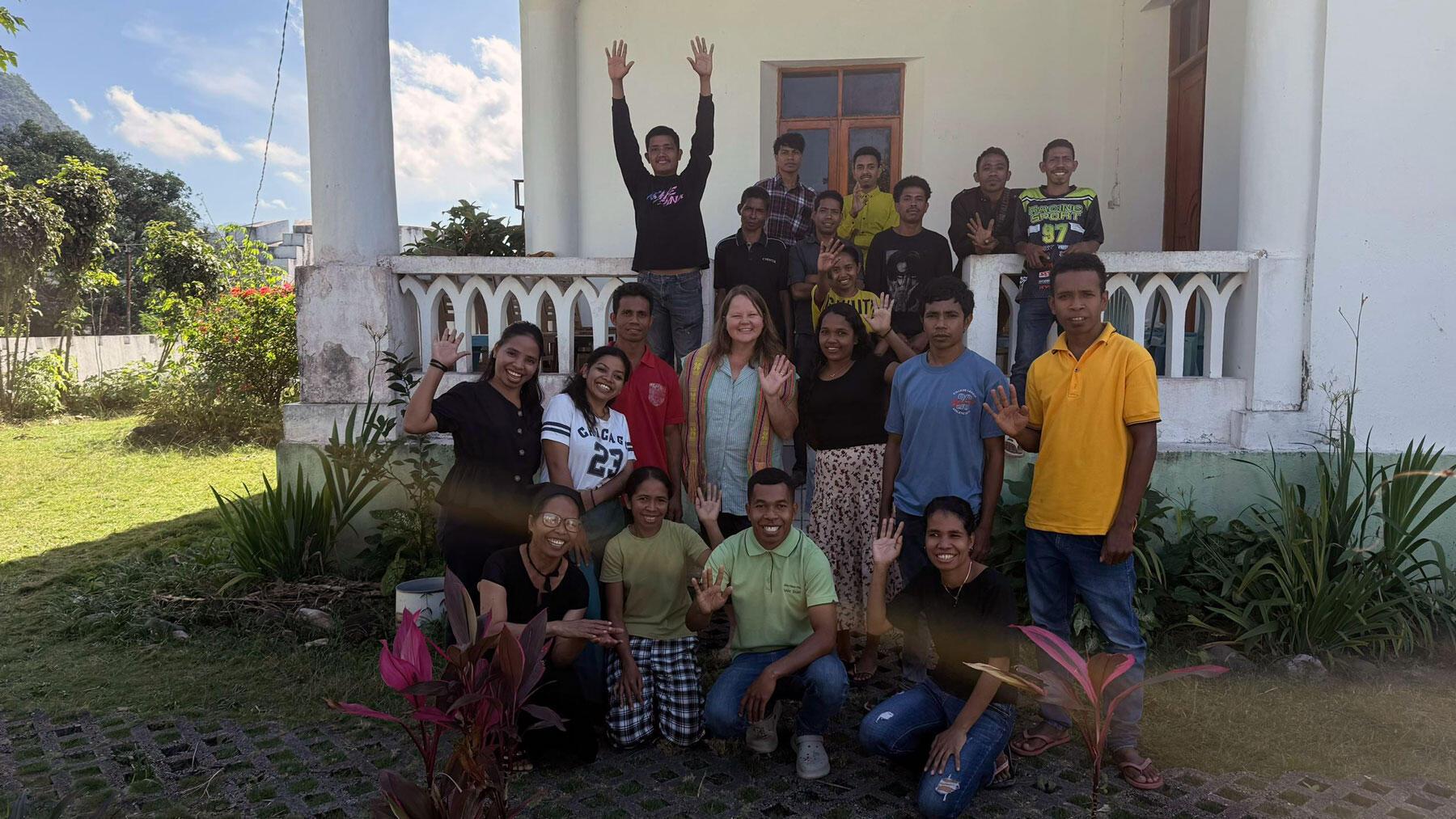
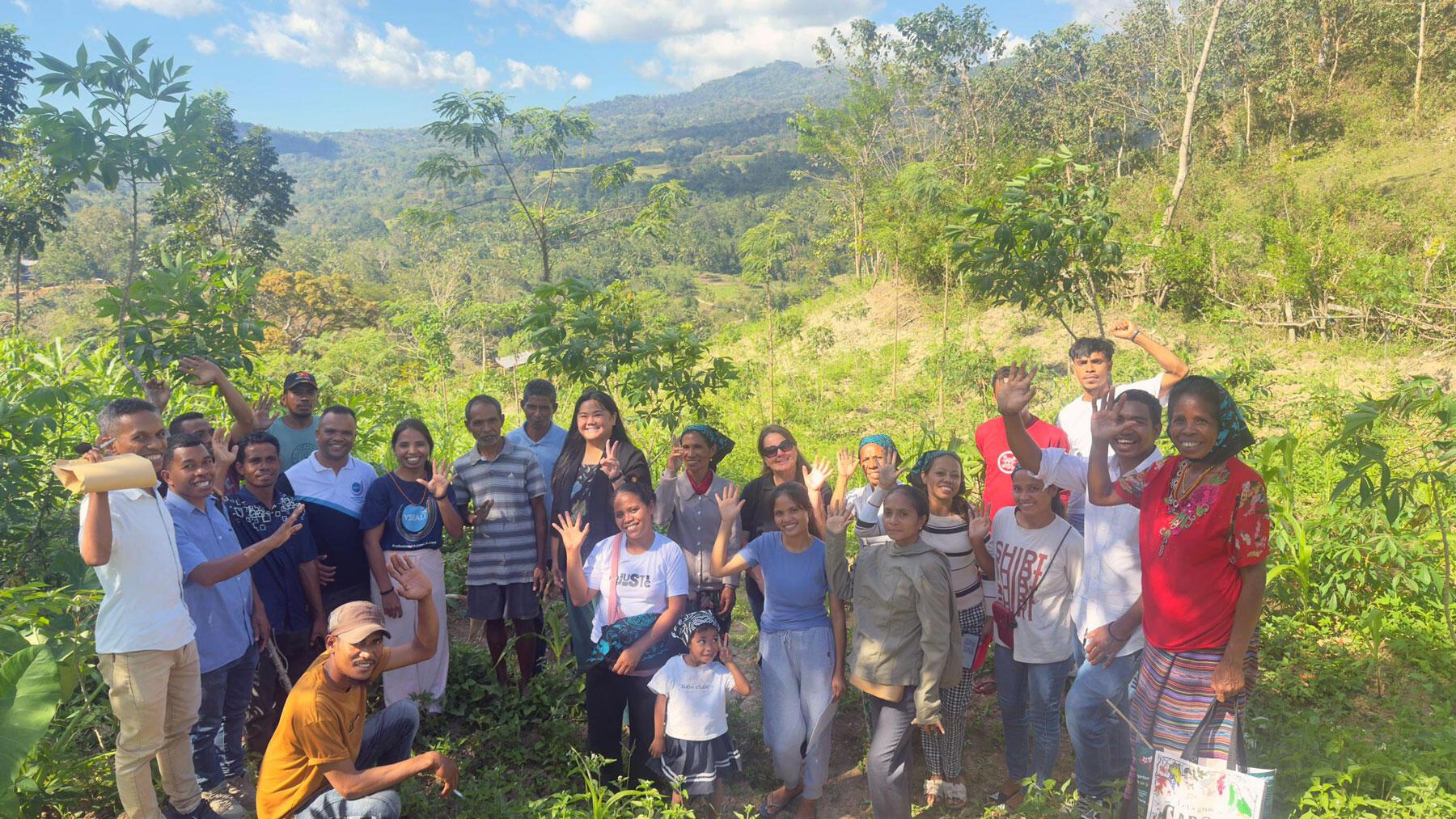
Despite the challenges, enthusiasm for learning was strong. Over the course of a week, Fery worked with 36 farmers through five workshops, farm tours and demonstrations. Some participants traveled as much as two hours each day by dirt bike to attend.
All sessions were taught visually, using photos and illustrations, and translated by Gusmão.
The workshop topics reflected both the project’s goals and the interests of local farmers. Fery taught about farmer-to-farmer networking, collaborative marketing, ecotourism and agritourism, women’s roles in farming, general soil management, composting and livestock production.
Many of the ideas were familiar to Fery from her work with Oregon farmers, but new to the audience in Baguia.
“The themes were very much the same,” she said. “But I was working with people who had never considered collaboration. They hadn’t learned or seen examples of cooperative farming or collective marketing.”
That shift — from working in isolation to thinking collaboratively — was one of the most significant changes Fery observed.
“They were friendly with each other, but they didn’t collaborate,” she said. “It was impressive to see people standing up and sharing. Joana told me, ‘This isn’t normal.’”
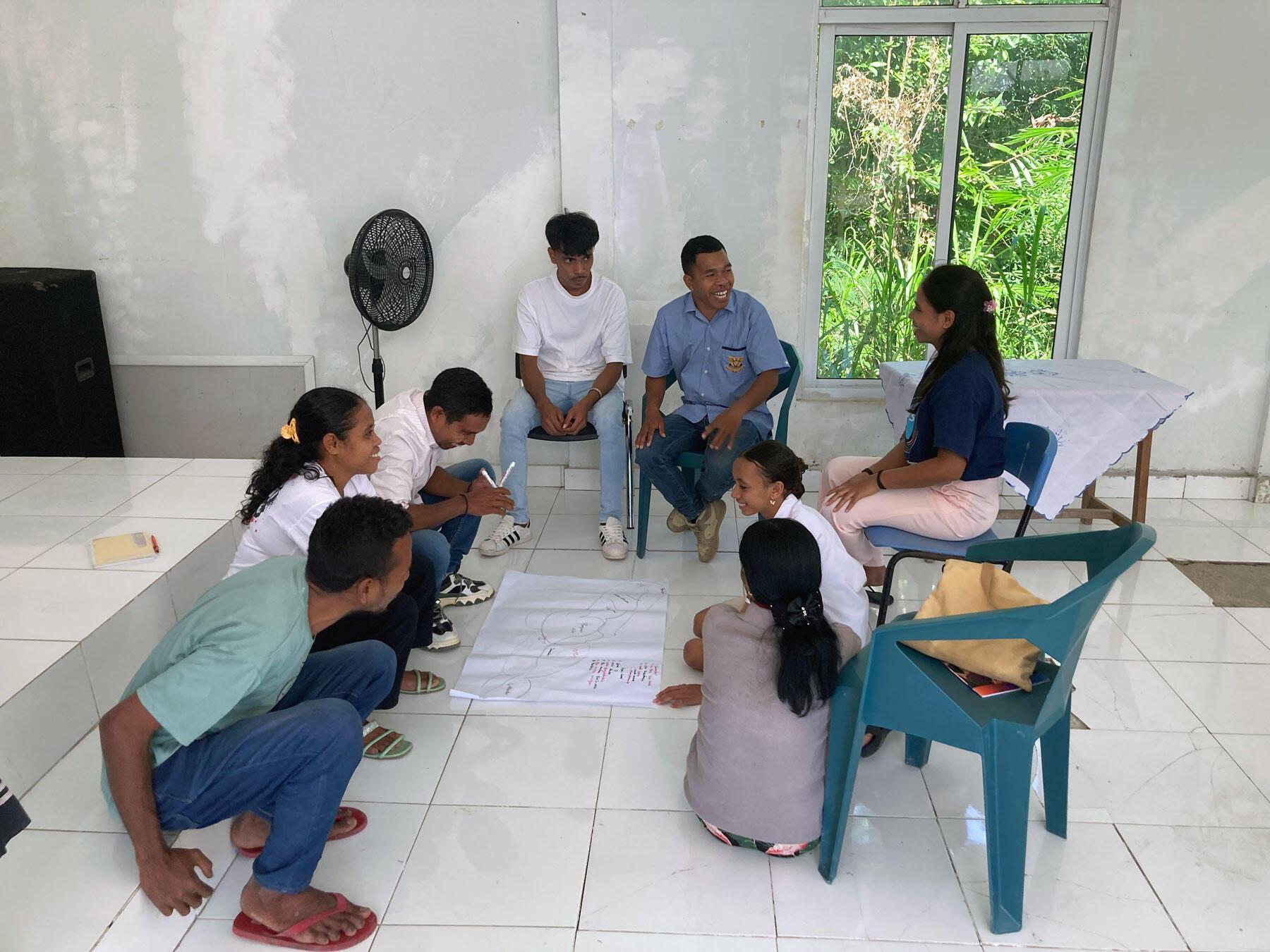
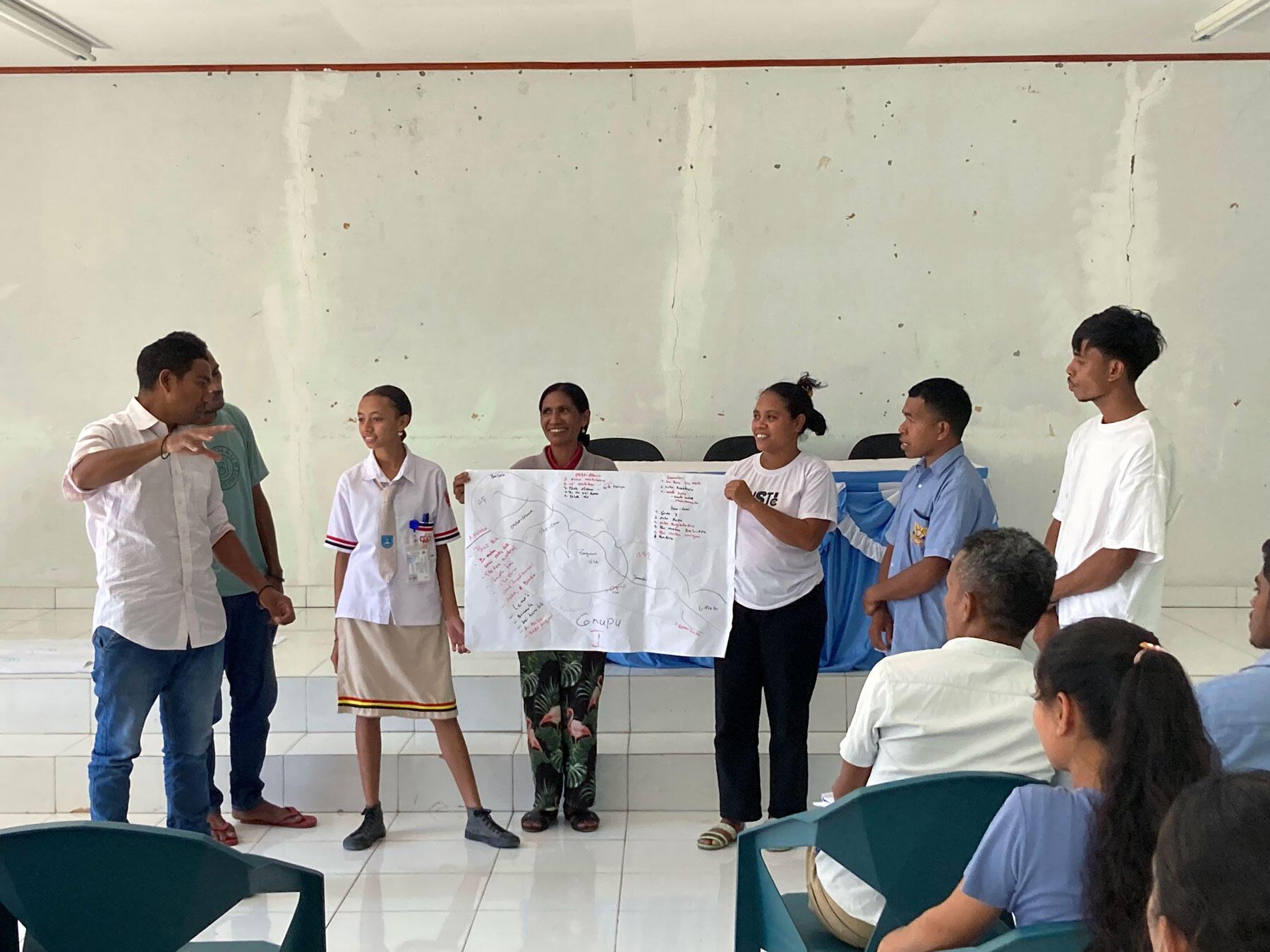
Group activities encouraged residents to work together for the first time. Participants mapped community assets and brainstormed possibilities for rural economic development, from restoring the historic fort to guiding hikes in the surrounding mountains.
One farmer spoke about biosecurity concerns with chickens — something he had never shared before. Others discussed low milk production in goats and crop failures after several years of growing sweet potatoes.
“I had them do some group work, which was new for them,” Fery said. “I wanted to make sure they felt empowered by the knowledge they already have.”
New ideas, new connections
The conversations also sparked ideas for agritourism rooted in local culture. Farmers talked about traditional candle-making using oil-rich candlenuts — and how sharing that process with visitors could create new income while preserving cultural heritage.
As the week progressed, farmers became more comfortable exchanging ideas and asking questions. By the end of the visit, they decided to stay connected by forming a farmer-to-farmer network using WhatsApp.
Fery also met with Ho Musan Ida, known in English as the With One Seed Foundation, a Timor-Leste–Australia collaboration founded by Gusmão’s family and led by Gusmão and her mother.
“They hadn’t really thought about composting,” Fery said. “Talking about soil health and compost was important, especially for supporting tree seedlings.”
The experience left a lasting impression on Fery.
“It was the best and most humbling experience I’ve had in working with farmers,” she said. “They’re such hopeful people.”
She returned to Oregon with a renewed appreciation for Extension’s role.
“People ask how this benefited OSU,” Fery said. “It was a renewal of understanding that the work we do matters. Farmers there have very different resources and opportunities, but our programs are useful.”
Global learning benefits Oregon
“Melissa’s trip is a great example of how Extension can be nimble and relevant around the world,” said Dave Stone, associate dean of international programs in the College of Agricultural Sciences. “She was able to meet the moment — sharing knowledge, learning from partners and bringing ideas back to her work in Oregon. We have Extension faculty looking at best practices around the world in seafood innovation, rangeland management, water resource conservation, orchard production and much more.”
This spring, Amanda Gladics, an associate professor of practice and Oregon Sea Grant Extension specialist, is joining an envoy to Iceland for an internationalization project focused on 100% fish utilization and seafood innovation technology transfer.
Gladics said she’s interested in what those approaches could mean for Oregon’s commercial fishing workforce, including training models, safety requirements and professional development programs. The group will visit during Iceland Innovation Week at the end of April.
Ashley Thompson, an assistant professor and Extension fruit crops specialist, said international travel has helped inform her research and outreach for Oregon growers. She visited the Netherlands, Belgium and Germany to learn about pear production systems, which later led to planting a European rootstock at the OSU Mid-Columbia Research and Extension Center in Hood River.
Thompson hopes to return this spring to the Netherlands to build connections with researchers at Wageningen University & Research, who have collaborated with OSU engineering assistant professor Joe Davidson. Thompson and Davidson have collaborated on projects related to robotic and artificial intelligence tools that help orchardists manage crops more efficiently.
Sergio Arispe, associate professor and Extension livestock and range field faculty specialist, has collaborated with researchers at the University of León in Spain on rangeland fire science and post-fire management approaches relevant to sagebrush ecosystems.
Arispe is applying insights from that work in Malheur County to strengthen post-wildfire planning tools and recovery strategies for private rangelands affected by large fires.
OSU Extension fisheries specialist Guillermo Giannico conducted research internationally, including work on Atlantic salmon in the Ulla River in Galicia through an OSU-supported global collaboration.
Giannico’s research experience in Argentina, Canada and Europe informs Extension work in Oregon by strengthening science-based approaches to fish habitat, watershed health and fisheries management.
Progress continues after the trip
Fery’s influence in Timor-Leste has continued beyond the trip. In January, Fery and Gusmão reconnected over Zoom to talk about progress in Baguia.
“Our time together helped open our minds, and we’re excited, but progress is slow here,” Gusmão told her.
Even so, small steps are underway. Farmers are discussing sourcing coffee trees to diversify production. One local resident is training to become a tour guide and learning English to support visitors. Another farmer is expanding production and marketing of a local tea. Several others are committed to continuing activities that connect with visitors who travel to Baguia to hike nearby trails.
Community leaders are also seeking funding to restore Fort Baguia so it can serve as a meeting space and simple lodging for visitors.
“It was true, classic Extension work,” Fery said. “All the things we do here, just in a completely different way.”
For Fery, the experience reinforced the power of relationship-based education — in Oregon and across the world.
“They’re in the space of building trust with each other,” she said. “And that’s where real change starts.”