CORVALLIS, Ore. — A new Oregon State University Extension Service publication shows homeowners how to create "fire-wise" landscapes that still look appealing and reflect personal style.
In high-risk wildfire areas, homeowners must balance fire-resistant design with yards that complement the home. Selecting, placing and maintaining appropriate plants can be a challenge, said Amy Jo Detweiler, an Extension horticulturist in Central Oregon and lead author of Fire-resistant plants for home landscapes, which features more than 150 plants that are safe for fire-wise landscapes.
“The idea of creating a fire-wise landscape is starting the landscape farther from the home and thinking about plant materials that will be less flammable. You think about placement, design and the plants you’re putting in the landscape.”
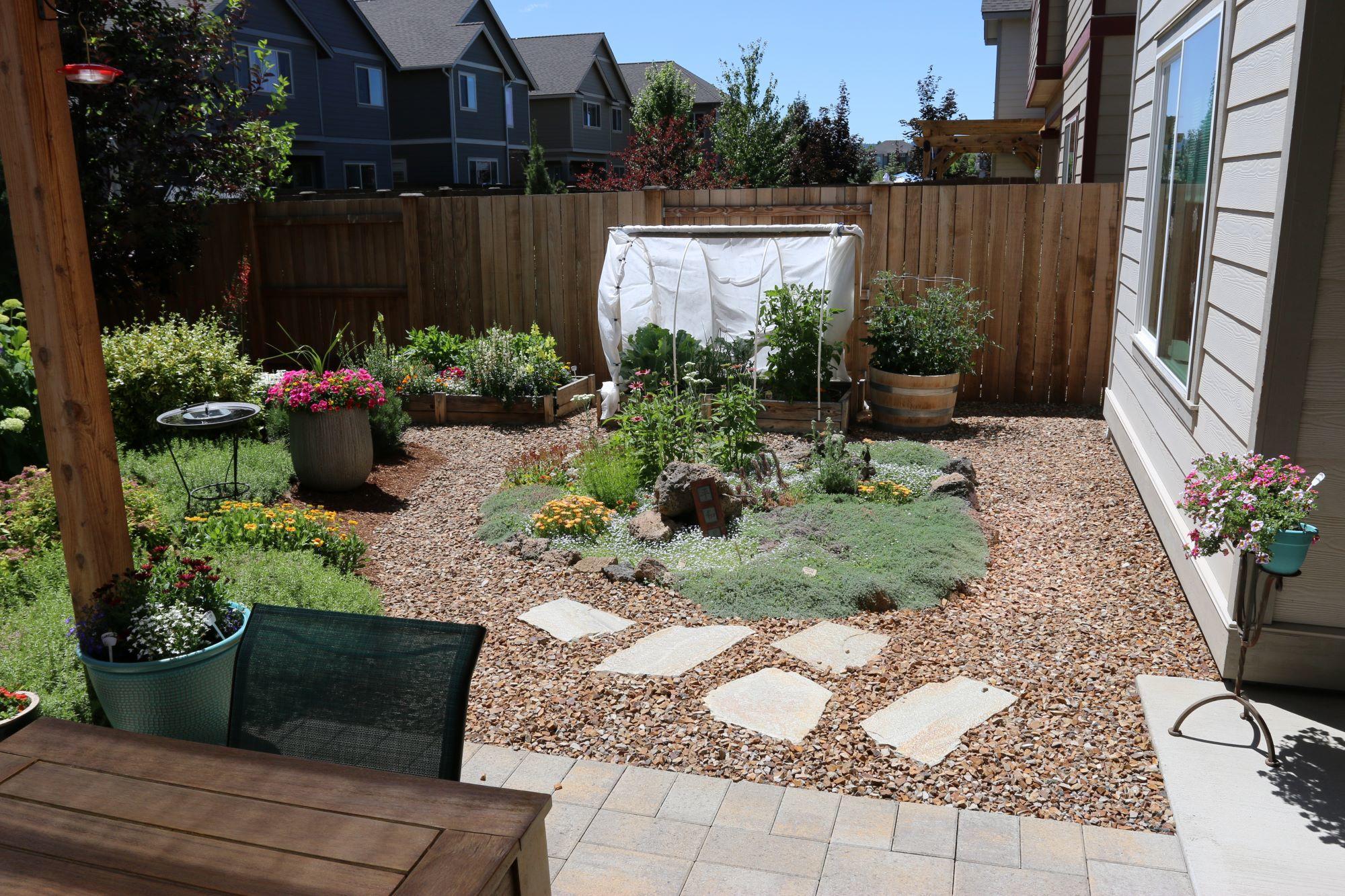
“For some, creating a fire-wise landscape might seem like very limited plant choices, more sterile appearances,” Detweiler said. “But it’s possible to design a fire-wise landscape that still maintains variation in color, texture and plant type, while providing privacy.”
The publication features a pictorial guide to plant selection, spacing and maintenance, along with examples of common hazards such as shrubs planted too close to homes, tree branches touching roofs and flammable woody mulches.
“The idea of creating a fire-wise landscape is starting the landscape farther from the home and thinking about plant materials that will be less flammable,” Detweiler said. “You think about placement, design and the plants you’re putting in the landscape.”
The guide includes options that allow homeowners to match their landscape to personal preferences. Whether choosing native plants, specific colors or varying textures, readers can tailor their design choices using the resource.
Every plant featured in the publication has research supporting its ability to contribute to a defensible space around a home. “I hope it empowers people to make confident decisions,” Detweiler said. “This guide is an intersection of variables to create an environmentally sound landscape.”
Tools for rural and urban homeowners
The publication offers practical steps for homeowners in both rural and urban areas. Recommendations include:
- Maintaining clean rain gutters.
- Using decorative rock instead of wood bark mulch near buildings.
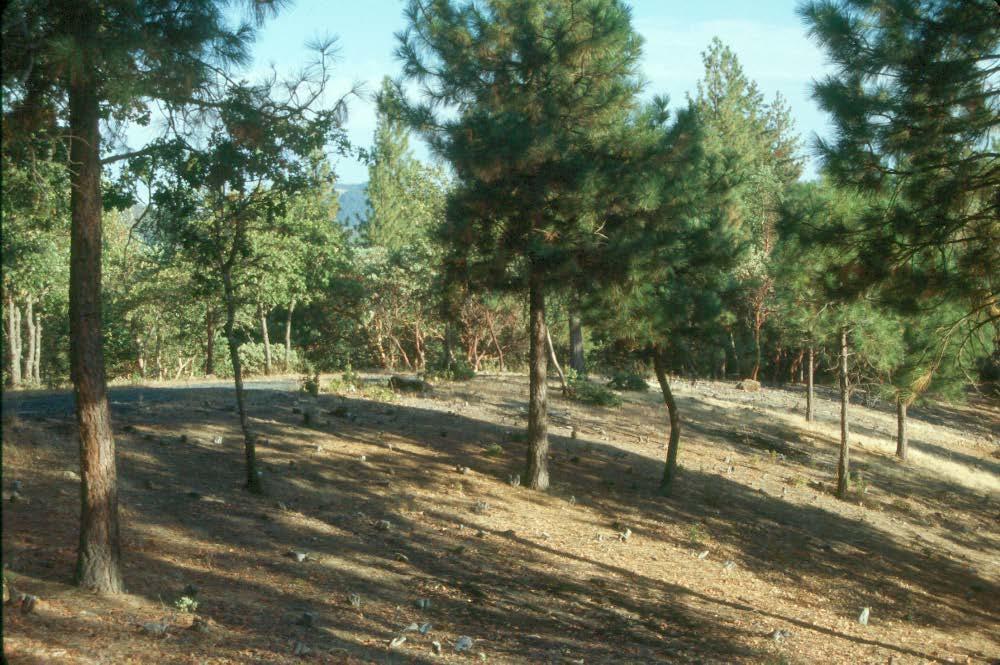
- Avoiding or removing ladder fuels — materials that can carry fire from the ground into tree canopies.
“I am hoping this helps educate folks on learning what plants to have in a fire-wise landscape and increases the safety for both homeowners and the fire crews,” Detweiler said.
Collaborative expertise
Detweiler said the co-authors brought “unique elements to the introduction and the guide.” Contributors included:
- Stephen Fitzgerald, OSU Extension silviculture specialist and director of OSU College of Forestry Research Forests
- Ariel Cowan, OSU Extension regional fire specialist
- Neil Bell, retired OSU Extension horticulturist
- Thomas Stokely, forest ecologist, The Nature Conservancy
Previously titled Extension publication brings more fire education to home landscapes