CORVALLIS, Ore. — Consider adding some flower power to your landscape to bring in the buzz of pollinators.
“Floral abundance is one of the strongest ways to promote bee diversity in gardens,” said Gail Langellotto, entomologist and professor in the Oregon State University College of Agricultural Sciences. “Also, bees forage better for nectar and pollen in warm, sunny spots.”
A colorful blend of flowers also attracts hummingbirds and butterflies, she said. To get started, Langellotto recommends the following plants that support a wide range of pollinators.
Recommended plants for pollinator-friendly Oregon gardens
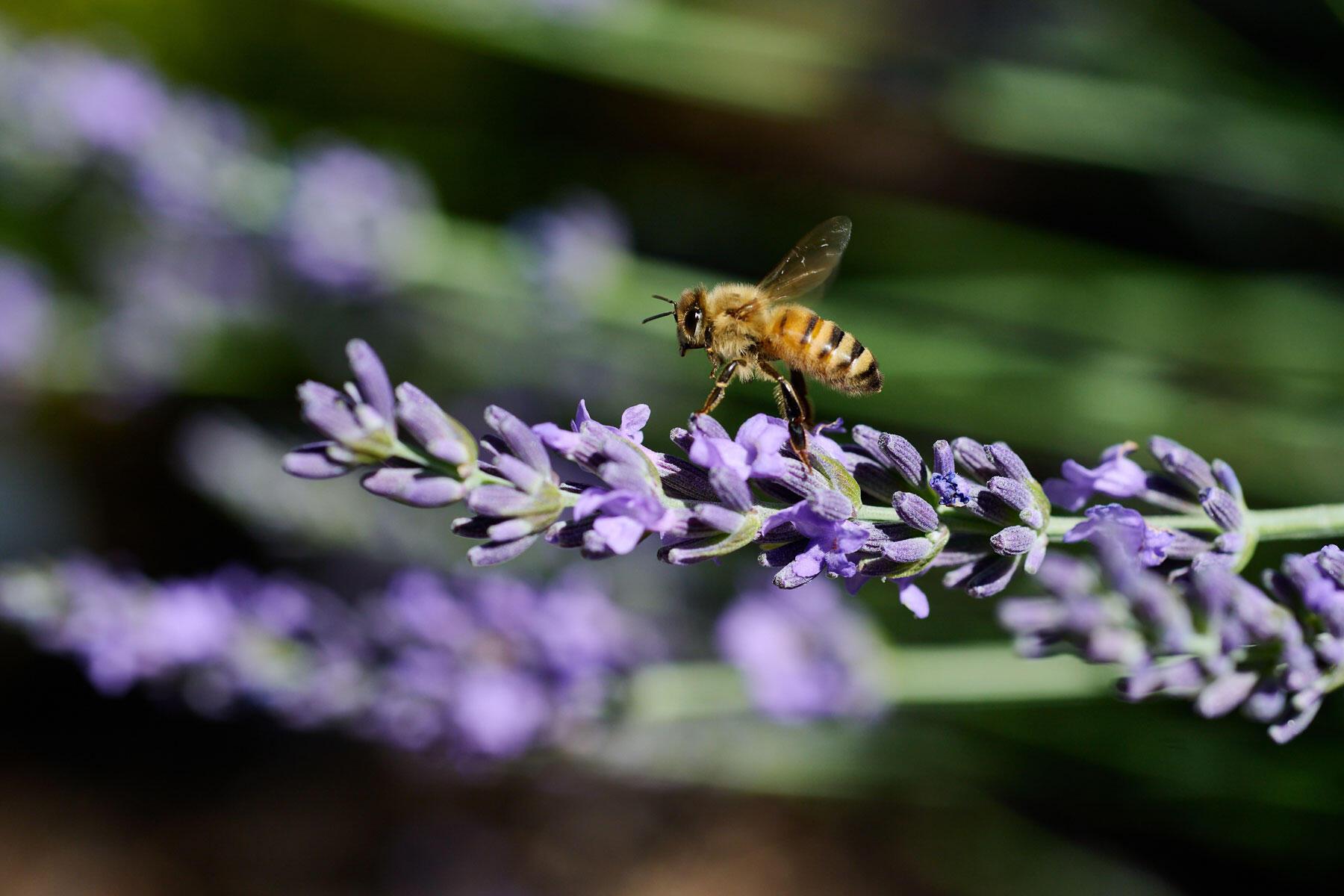
Lavenders
Bumblebees, carpenter bees, digger bees and large and small leafcutting bees collect the nectar of this evergreen shrub.
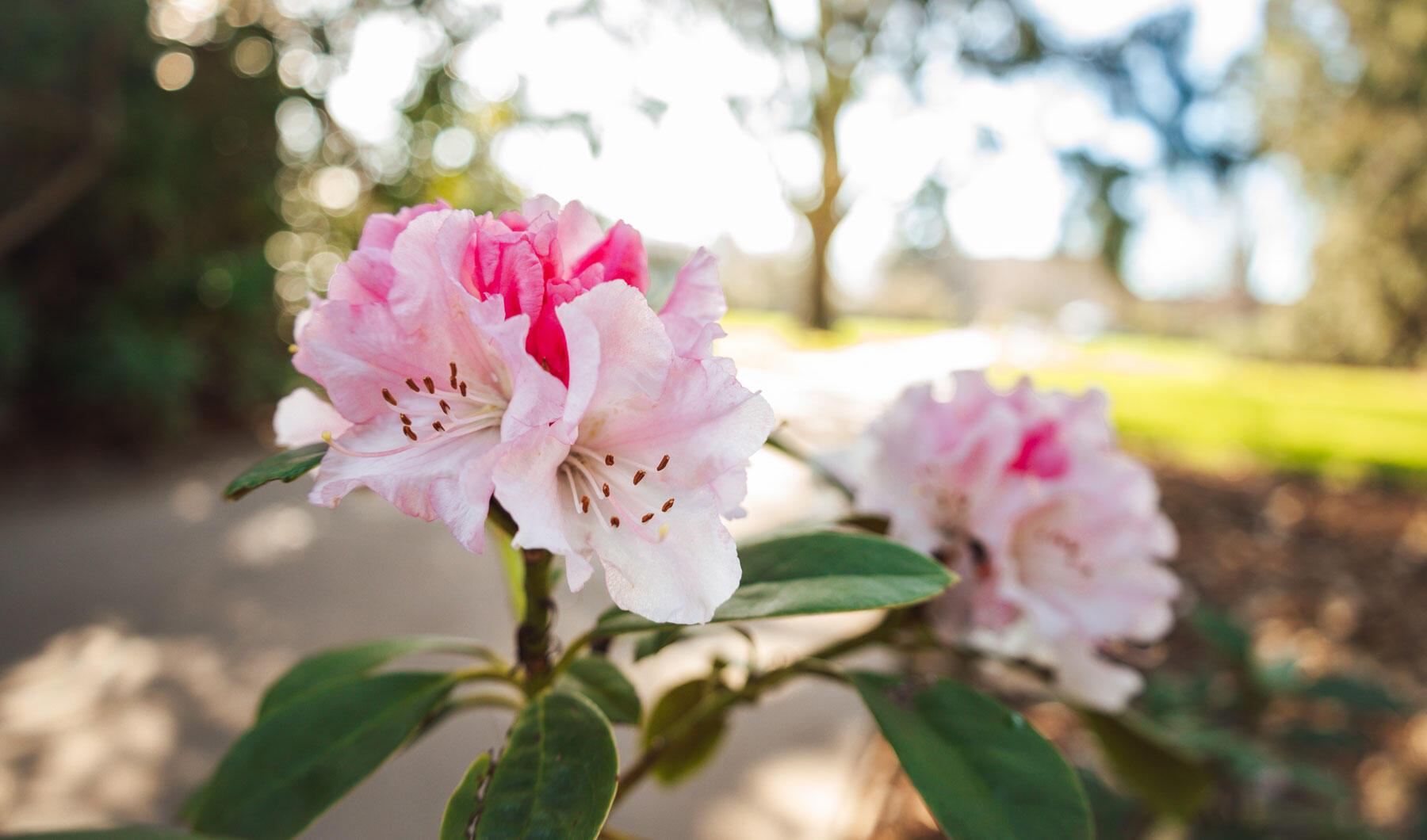
Pacific or coast rhododendron
Larval host for brown elfin and gray hairstreak butterflies. Hummingbirds, bees and Western tiger swallowtails collect the nectar of this evergreen shrub. Native to the Pacific Northwest.
Blueblossom
Larval host for pale swallowtail, California tortoiseshell and echo blue butterflies. Bumblebees, carpenter bees, honey bees, digger bees and small native bees collect the nectar of this evergreen shrub.
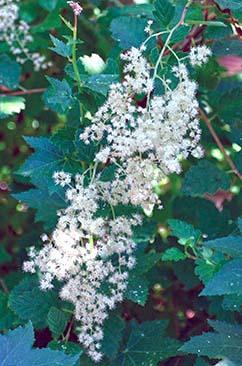
Oceanspray
Larval host for spring azure, brown elfin and Lorquin’s admiral butterflies. Bumblebees and small native bees collect the nectar of this deciduous shrub.
Serviceberry
Hummingbirds, bees and butterflies collect the nectar of this deciduous shrub. Larval host for Weiddemeyer’s admiral butterflies. Native to the Pacific Northwest.
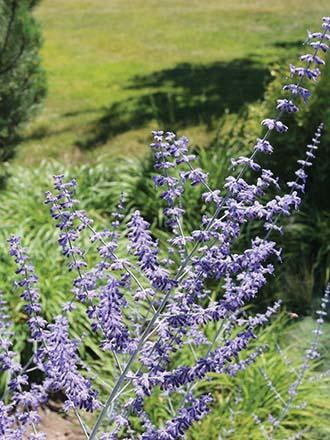
Russian sage
Honey bees, small carpenter bees and leafcutting bees collect the nectar of this perennial garden plant. Hummingbirds also visit for nectar.
Red-flowering currant
Important nectar source for early-season butterflies. Also attracts hummingbirds. Perennial native to the Pacific Northwest.
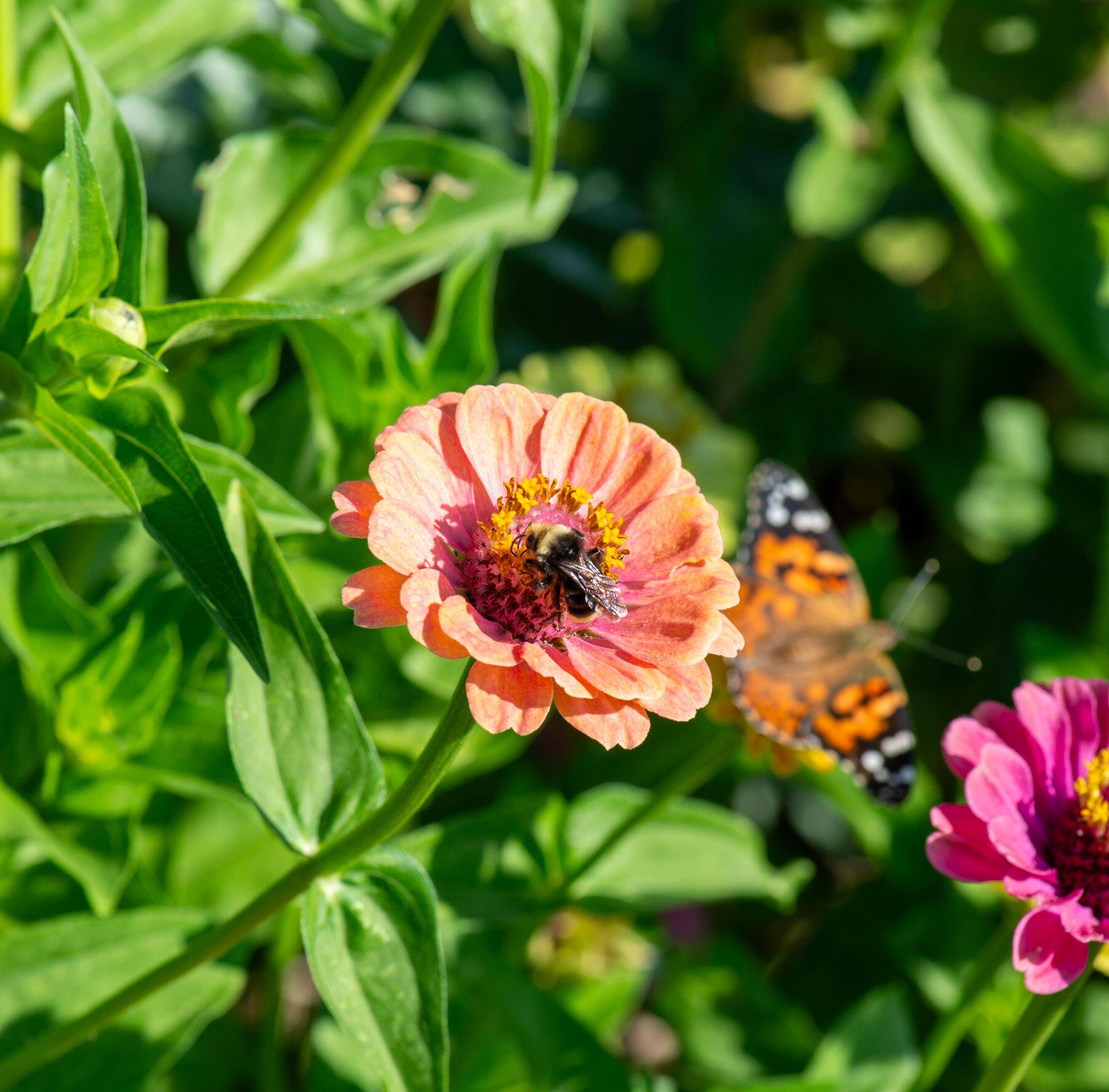
Zinnias
A wide array of hummingbirds, butterflies and bees collect the nectar of this annual garden plant.
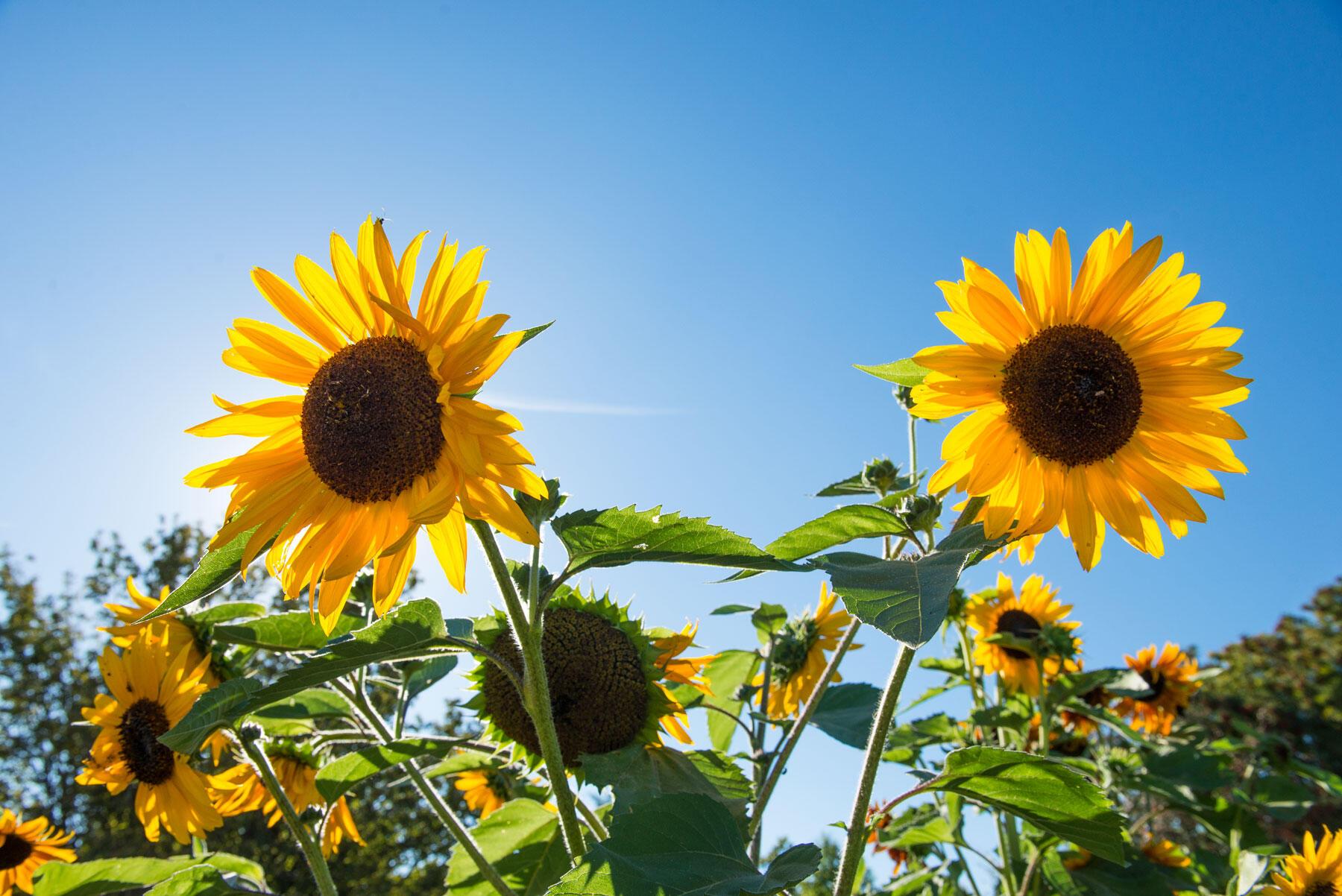
Sunflowers
Longhorn bees, sweat bees, leafcutting bees and bumblebees collect the pollen and nectar of this annual.
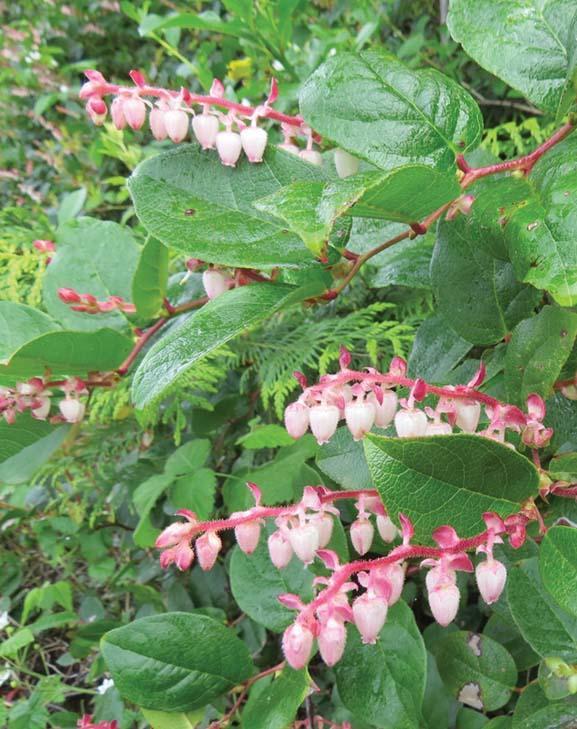
Salal
Larval host for spring azure butterflies. Bees collect the nectar of this groundcover. Native to the Pacific Northwest.
Catmint
Honey bees, bumblebees, carder bees and mason bees collect nectar and pollen from this perennial.
Milkweed
Monarch butterflies collect nectar and pollen and lay eggs on this perennial wildflower. Hummingbirds also visit for nectar. Native to the Pacific Northwest.
Why plant natives — and why not only natives?
Langellotto encourages gardeners to use a variety of plants to support a diverse mix of pollinators, especially native plants.
“Native plants are fantastic hosts for butterfly larvae, which are completely dependent on native plants to reproduce,” she said. “For example, there’s a call for gardeners to plant more native milkweed, which is the host plant for migratory monarch butterflies.”
But ornamental exotics also play an important role in pollinator gardens. Several studies across the country found that catmint and Russian sage — both exotic ornamentals — are highly attractive to bees.
“Adult bees are much more indiscriminate than we previously thought and have been found to feed on the nectar and pollen of exotic ornamental plants quite a bit,” Langellotto said.
Avoid pesticides when gardening for pollinators
Langellotto advised gardeners to avoid broad-spectrum insecticides, particularly on blooming plants, as well as systemic pesticides that move into plant tissues.
Broad-spectrum and systemic products can:
- Kill or harm bees, butterflies and other beneficial insects
- Persist in soil and plant tissues for months or years
“If you’re having an insect issue, consult with your local OSU Extension office for options,” Langellotto said. “Many plants are able to do just fine with low levels of insect damage. Sometimes it’s just a matter of us adjusting our expectations and tolerating low levels of damage.”
Learn more
The OSU Extension's Enhancing urban and suburban landscapes to protect pollinators offers detailed plant lists, habitat designs and pollinator-friendly practices.
Previously titled 12 plants to entice pollinators to your garden