PORTLAND, Ore. — Butternut squash isn’t just sweet, delicious and packed with vitamins. Its genes carry the story of Indigenous farmers who began cultivating squash thousands of years ago.
During the 2022–23 school year, Oregon State University Extension Service nutrition educators piloted three lesson plans that teach elementary school students about the cultural significance of three healthy foods — squash, greens and corn — among Indigenous Americans, families across the African diaspora and Latin Americans.
“We want to see the cafeteria and the kitchen as learning spaces, not as something separate from the rest of the school. By making the lessons that Oregon State Extension has created in partnership with our nutrition education side of the house, we're helping to bridge that gap.”
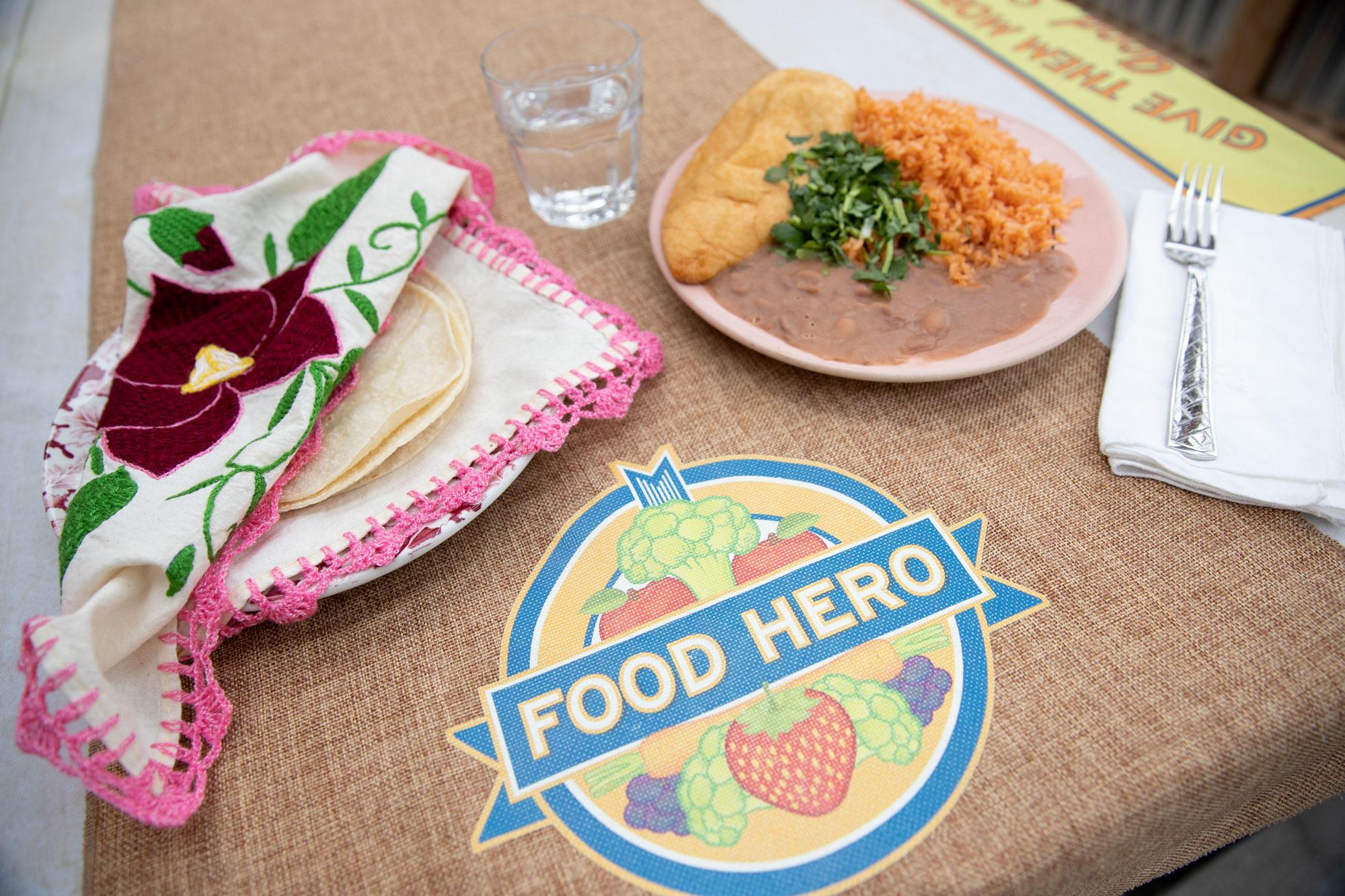
Educators partnered with cultural workgroups that originated in the Supplemental Nutrition Education Program (SNAP-Ed) and Portland Public Schools to pair lessons with dishes for children to taste. The goal: that Oregon students from many different backgrounds will learn that healthy foods come in many shapes and flavors — including flavors their families already know.
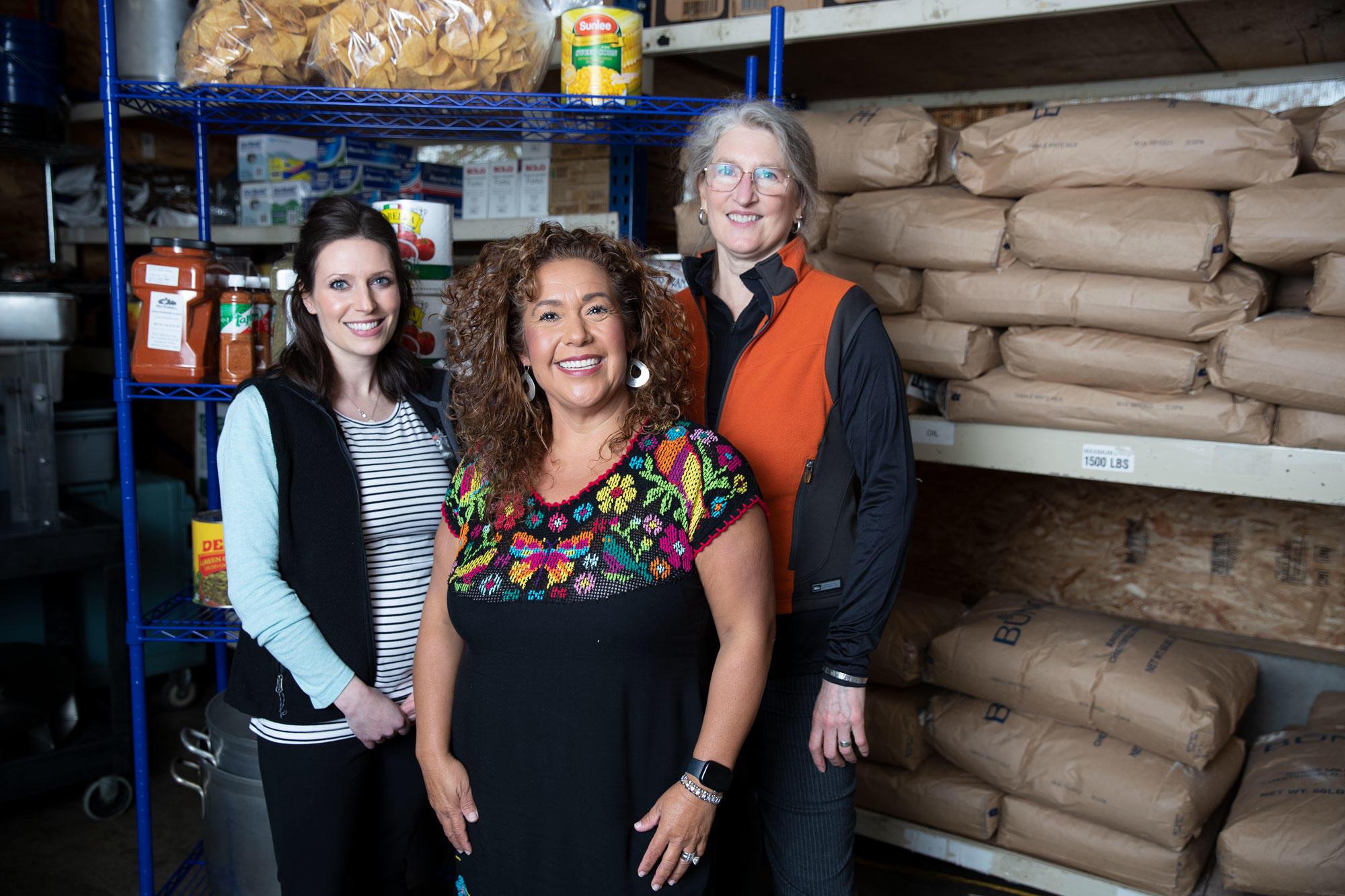
Joanne Lyford and Rebecca Marson, who lead this effort, are nutrition educators in Portland.
For more than 30 years, Oregon State Extension has overseen Oregon’s state SNAP-Ed efforts through U.S. Department of Agriculture grants. Through the program, SNAP-Ed staff and partners in all 36 Oregon counties offer cooking lessons to low-income Oregonians and distribute educational materials to people receiving SNAP food assistance funds.
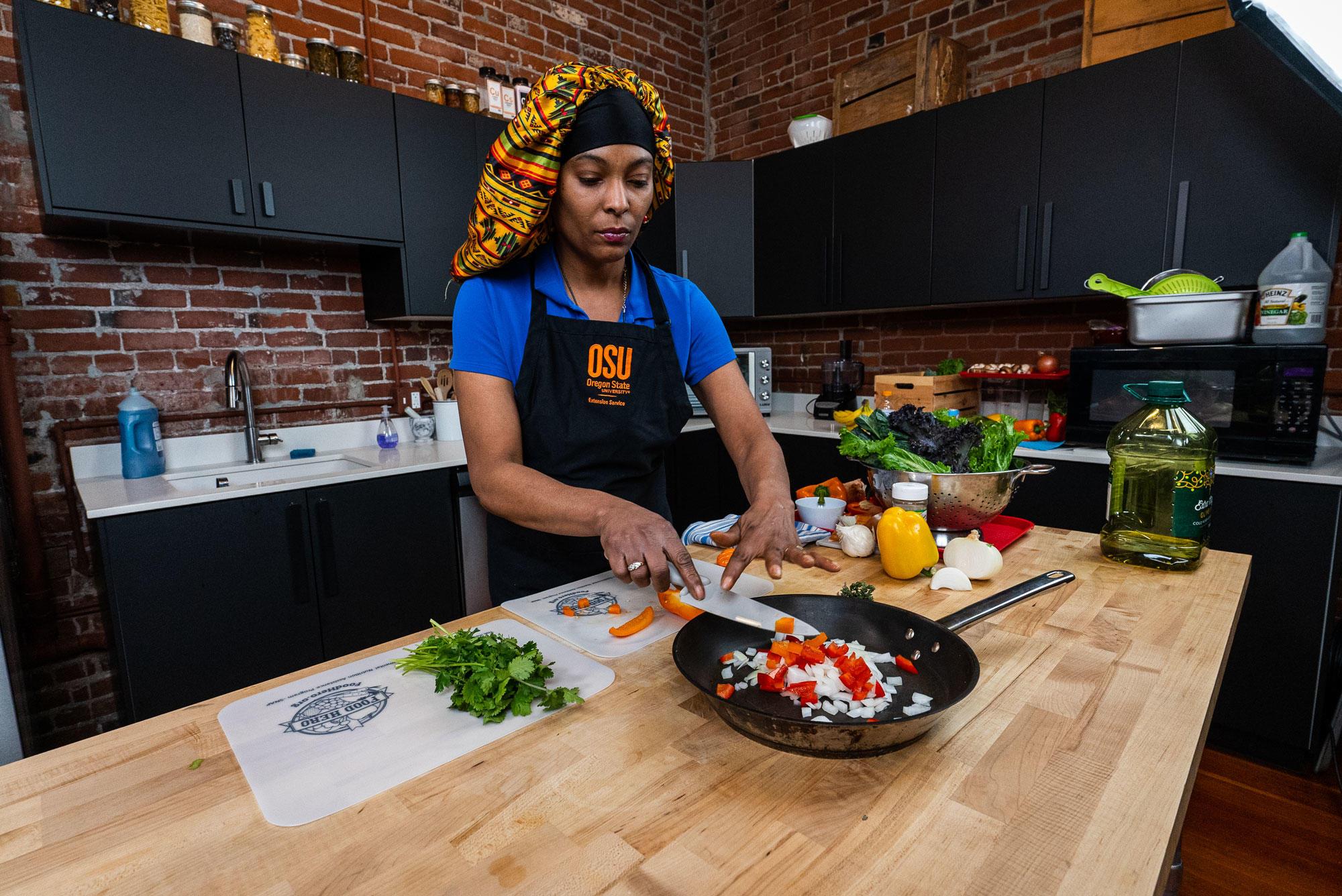
Food Hero, Oregon State Extension SNAP-Ed’s social-marketing initiative, publishes a monthly print newsletter devoted to healthy cooking and physical activity. It also creates content for social media and YouTube.
In 2019, Food Hero began working with Oregon State Extension cultural workgroups to ensure that SNAP-Ed recipes reflect Oregon’s many cultural communities.
“The African diaspora has a rich tradition of using foods and spices to create delicious dishes that primarily originate in Africa and are adapted to the region of one’s more recent history,” said Meilana Charles, a former outreach coordinator in the Family and Community Health program. “Our goal is to capture that diversity.”
Partnering with Portland Public Schools
In spring 2022, Portland Public Schools staff learned of SNAP-Ed’s work to enhance cultural responsiveness — which dovetailed with its own goals. Thirty-two point nine percent of district students are from historically underserved groups.
The district invited Lyford and Marson to review its nutrition curricula from kindergarten through eighth grade. Marson concluded that existing lessons did not reflect the cultural diversity and lived experiences of young Portlanders.
She asked the Indigenous Peoples, African Heritage and Latin Heritage workgroups to help her adapt Food Hero cultural toolkits for classrooms.
Together, Oregon State Extension nutrition educators and workgroups created three multimedia lesson plans tailored to grades K–2 and grades 3–5. Each plan centered on one ingredient and included a discussion script, slide visuals and activity handouts, such as a squash plant illustration for children to color and label.
“History, social science, health education and culture are all woven into one lesson,” Marson said.
Cooking up the lessons
In spring 2022, Marson approached Whitney Ellersick, senior director for nutrition services at Portland Public Schools. They agreed to collaborate on a dish that honored Indigenous foodways.
The Indigenous Peoples Cultural Workgroup selected a recipe for harissa-roasted butternut squash developed for Food Hero by Chef Nephi Craig, who is White Mountain Apache and Diné.
Over six months, Ellersick worked with Marson and the workgroup to adapt the recipe to:
- Meet federal school-nutrition standards
- Work in 87 PPS on-site kitchens
- Use locally sourced squash
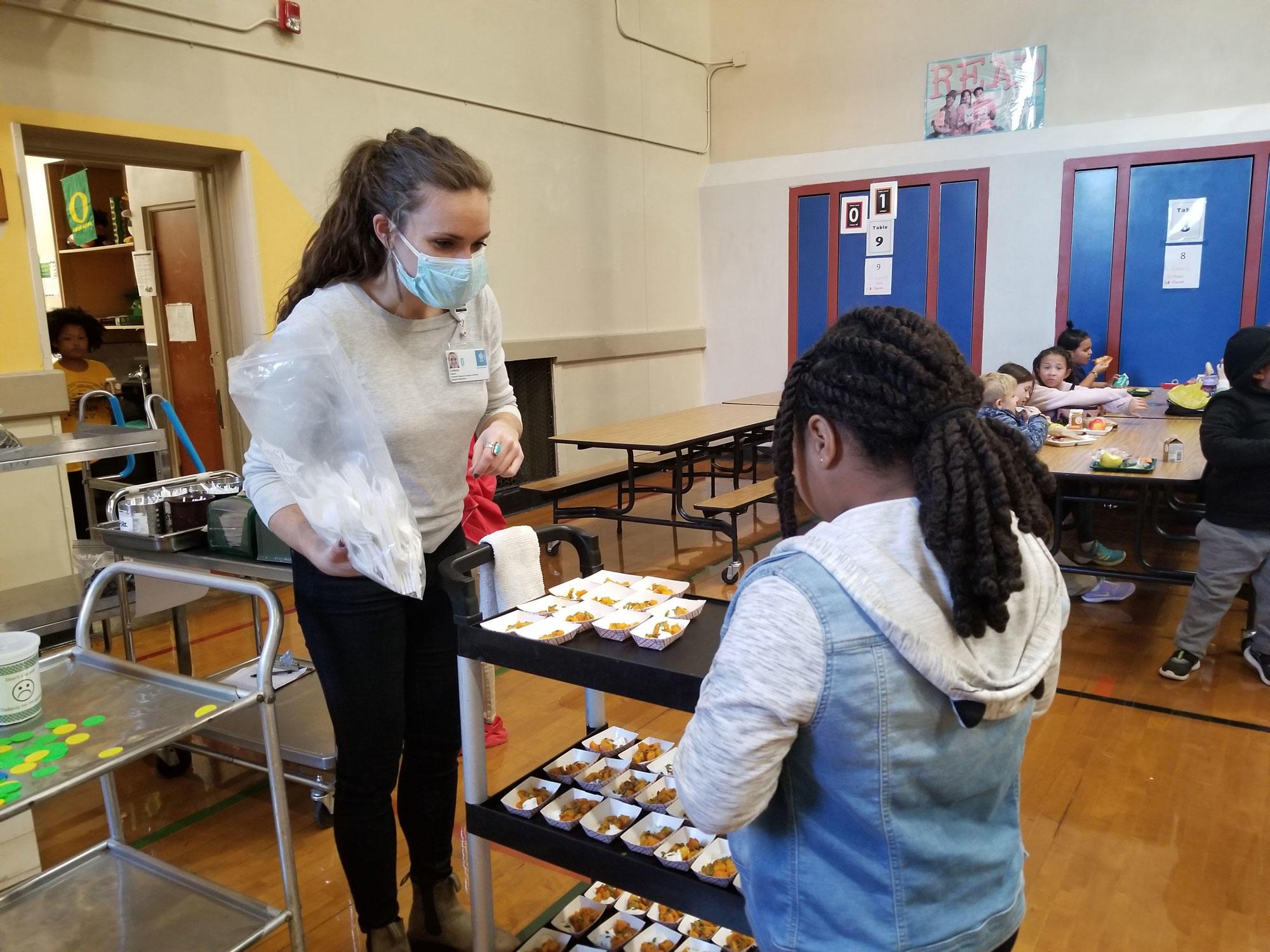
On Nov. 17, 2022, elementary school teachers across Portland taught students how Indigenous farmers shared squash seeds across North and South America — and then students tasted harissa-roasted butternut squash in the cafeteria. Nearly 18,000 students, from kindergarten to high school, participated.
After guided tastings at Faubion School and Woodlawn Elementary:
- Twenty-five percent said they liked the flavor
- Thirty-eight percent said they might like it
Later, Marson and the African Heritage Workgroup released a lesson plan devoted to greens. Teachers received classroom kits that included spinach seeds.
In May 2023, Ellersick worked with Salsas Locas, a Portland-based tortilla maker, to coordinate a school meal around corn and Latin Heritage foods. At the same time, the Latin Heritage Workgroup created a lesson plan around corn.
Sharing lessons statewide
SNAP-Ed staff are now reviewing evaluations and peer reviews to refine all three lesson plans.
Marson hopes that one day, elementary school teachers across Oregon will be able to use these lessons to teach their students about culturally respectful foodways.
“I don't use the four-letter word ‘done,’” Lyford joked.
Staff from both SNAP-Ed and Portland Public Schools hope to repeat the three lessons — accompanied by school meals — on a regular basis in Portland.
Previously titled Extension nutrition educators help teach Portland school children about culturally respectful foods