
Amphibians
Amphibians
What is an amphibian?
They are cold-blooded, meaning their body temperature varies with their environment. They usually start as eggs in water, hatch into gill-breathing larvae and grow into air-breathing adults. Some live part of their lives in water and part on land, others live only on land or only in the water. Their skin is soft and moist, and they often need wet places to survive.
Learn more about amphibians
Wildlife viewing – amphibians (Oregon Department of Fish and Wildlife)
Northern red-legged frog, Rana aurora
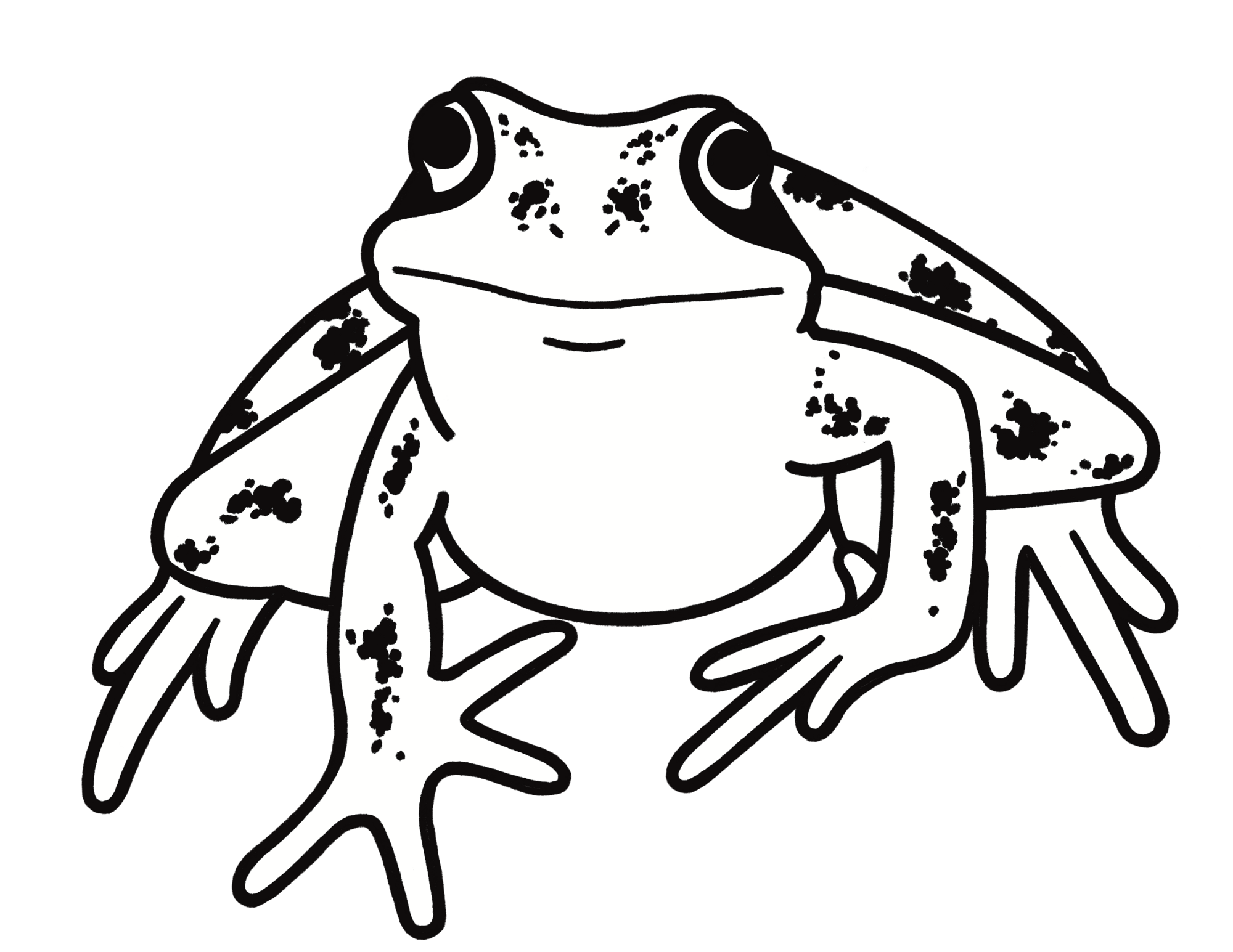
Along the west side of Oregon, you might spot these shy frogs hiding in wetlands and forests. Adult frogs have scattered black spots on their smooth skin and a splash of red on the underside of their bellies and back legs, which makes them easy to recognize. Fun fact: They can call underwater. Watch for them in February and March when they migrate to ponds to breed, often crossing roads and facing big dangers along the way. This is the largest native frog species in Oregon, with females growing up to 4 inches (not counting their long legs)!
Learn more about the northern red-legged frog!
Species spotlight (Oregon Conservation Strategy)
Siskiyou Mountains salamander, Plethodon stormi
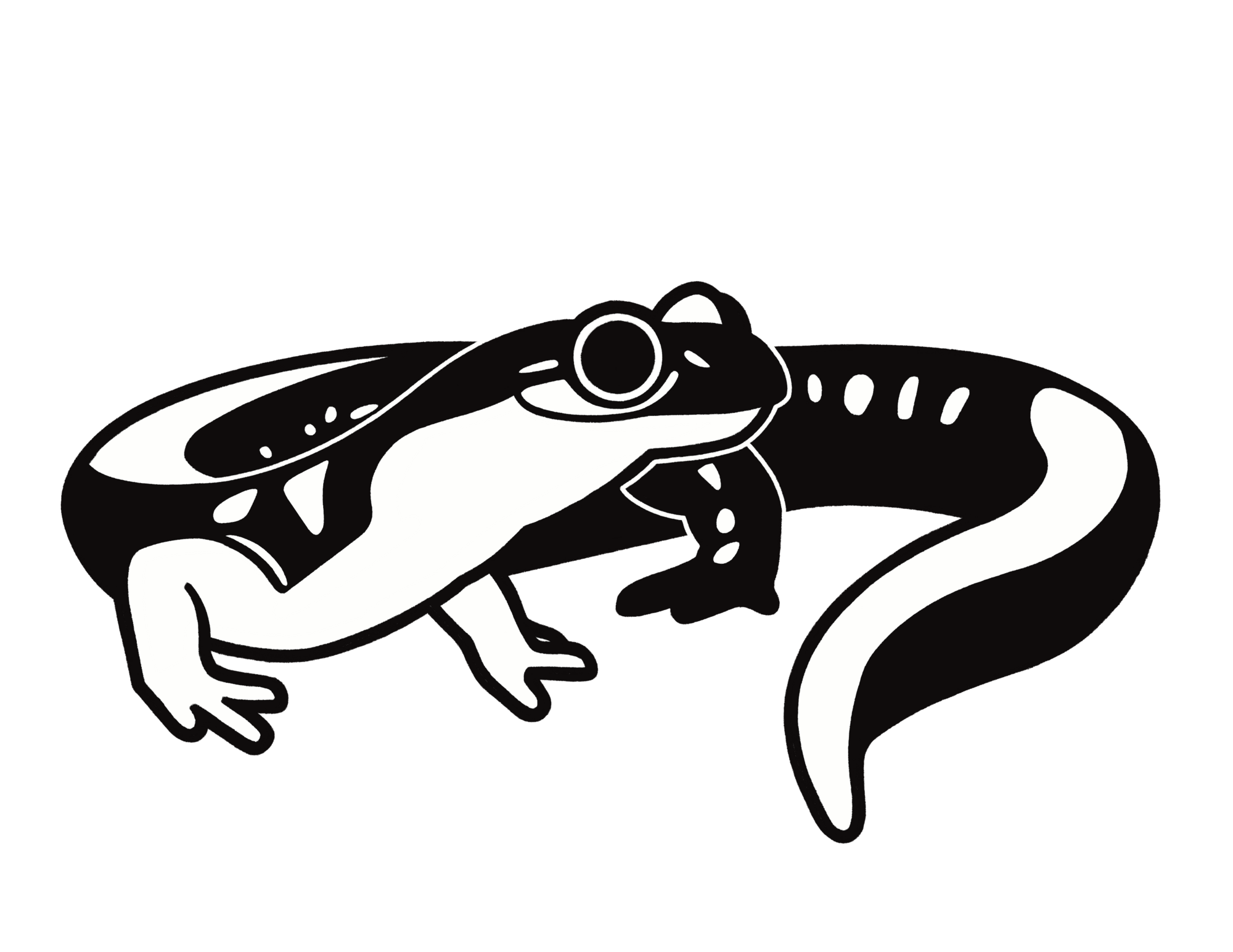
Rocky crevices within the Siskiyou Mountains of southern Oregon and northern California are prime habitat for these salamanders to stay cool and keep their skin moist. During wetter months, they may venture into nearby forests. Like most salamanders, they don’t have lungs. Instead, they breathe through their skin! That’s why staying damp is super important for their survival. It’s unlikely you’ll catch a glimpse of these elusive creatures — they only emerge when it’s dark and rainy. For food, they eat small invertebrates like bugs and spiders. They live in a very specific type of environment in just a few locations. This makes them sensitive to changes caused by logging, drought and fluctuating river flows due to dams.
Learn more about the Siskiyou Mountains salamander!
Western toad, Anaxyrus boreas
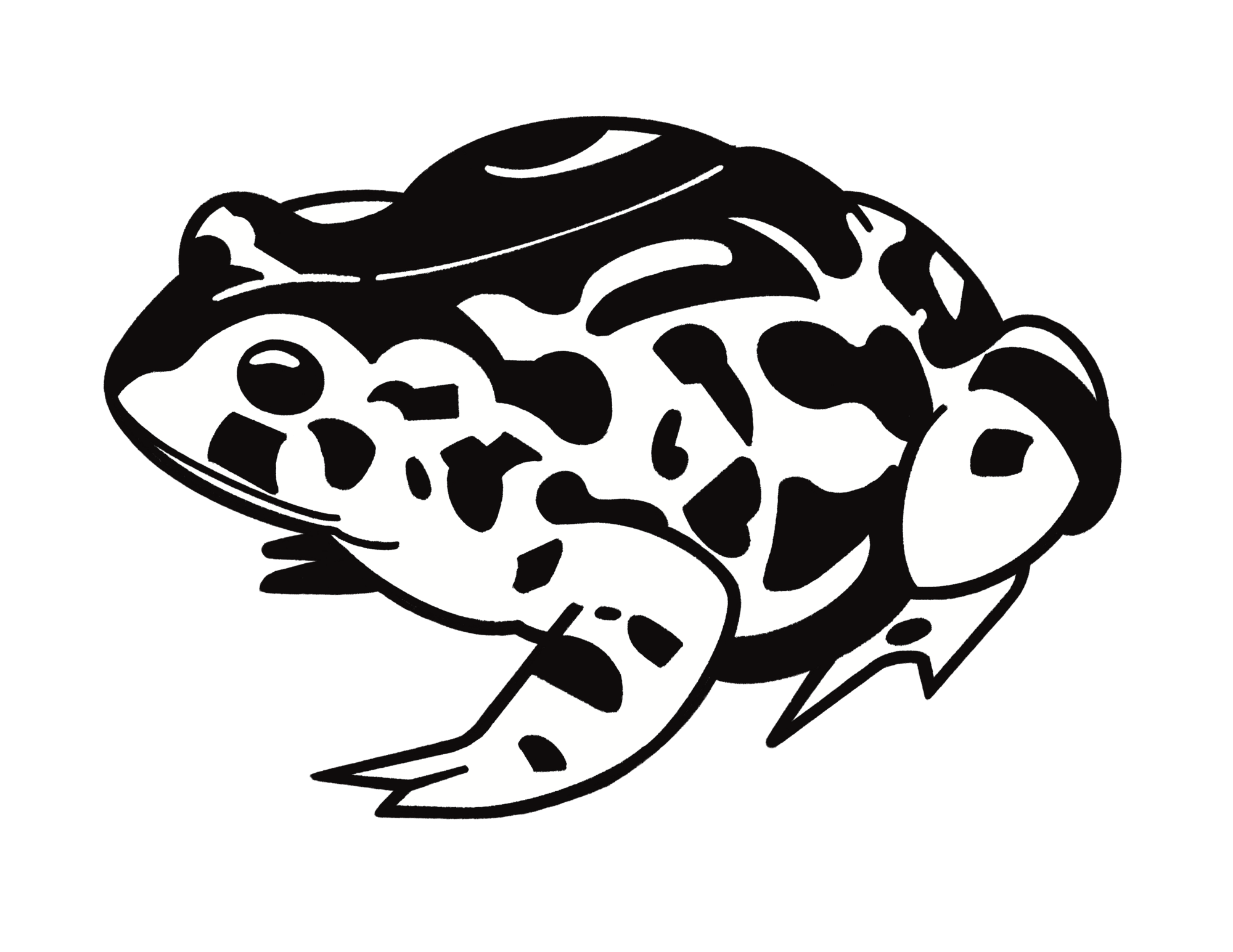
These toads are easy to spot with their dry, bumpy skin, thin stripes running down their back and horizontal pupils. Toads tend to walk or crawl rather than hop like frogs. Like most toads, they secrete a toxin to deter predators — keep your pets away from them and wash your hands if you touch a toad! They live in a wide range of habitats using wetlands for breeding and spend the day hiding in burrows or under debris to stay cool. You might see a knot (a group) of adults or toadlets migrate from water to the forest — or forest to water depending on the time of year. Migration makes them vulnerable to vehicle traffic, and changes in water levels also threaten their survival.
Learn more about the Western toad!
Species spotlight (Oregon Conservation Strategy)
(Listen) The sound of the Western toad (Washington Department of Fish and Wildlife)
Species spotlight (Washington Department of Fish and Wildlife)