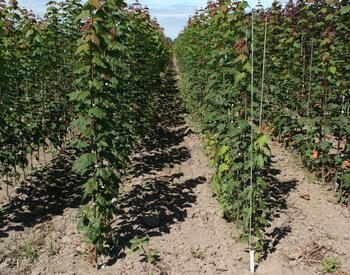
March is the perfect time to plant bare root roses in many regions in the Pacific Northwest, as dormant plants can establish strong root systems before spring growth begins.
Bare root roses are dormant plants that have been harvested during their natural rest period, typically in late fall through early winter. These roses are shipped without soil around their roots, packed in materials like peat moss or sawdust to maintain moisture. While they may look lifeless initially, bare root roses often develop into stronger plants than those grown in containers because they retain their full mature root systems.
Why plant in March?
March represents the optimal planting window for most regions in Pacific Northwest because:
- Soil temperatures have warmed up to above 40°F (4°C), which is necessary for active root development.
- Plants have time to establish strong root systems before summer heat stress.
- This aligns with when roses naturally break dormancy and begin new growth.
It’s important to remember that the specific timing varies by climate zone. In USDA zones 3–4, wait until mid-April to early May. Zones 5–6 can plant in early to mid-April, while zones 7–8 can plant in mid-February to March.
Pre-planting preparation
When your bare root roses arrive, immediately inspect them for quality. Healthy plants should feel firm and heavy with roots that are light-colored and flexible rather than brittle or brown.
- Check canes for canker (dark spots or lesions), breaks, cracks or signs of insect damage such as holes or chewed areas.
- Soak the entire root system in clean water for 2–24 hours before planting to rehydrate roots that may have dried during shipping and storage, helping the plant establish more quickly.
- Keep roots covered with damp materials if planting must be delayed.
Before planting, remove any damaged, broken or excessively long roots using clean sharp pruning tools. Trim healthy roots to approximately 8 inches in length to fit properly within the planting hole while maintaining maximum surface area for nutrient absorption.
Choosing the right location
Select a planting site that receives at least 6–8 hours of direct sunlight daily with morning sun being particularly important. The location should have good air circulation to reduce disease pressure and be protected from strong winds.
Soil requirements
Roses perform best in well-drained soils with a pH between 6.2–6.8. The soil should be loose and rich in organic matter. For heavy clay soils, improve drainage by adding compost or other organic materials that are worked thoroughly into the native soil over a wide area. Adding amendments only to the planting hole creates different soil textures that prevent proper water drainage and can cause water to pool around the roots.
Preparing the planting hole
Dig planting holes 18–24 inches in diameter and 18–20 inches deep. This size accommodates the full spread of roots without crowding. In the center of the hole, create a cone-shaped mound of soil to support the roots and promote natural downward growth.
Planting process
- For grafted roses, position the bud union 2–4 inches below the soil surface in cold climates (zones 3–6) or at soil level in warmer regions (zones 7–11). This depth provides winter protection while allowing proper drainage.
- For own-root roses, plant with the crown approximately 2 inches below the soil surface.
- Place the rose over the soil cone and spread roots outward like an upside-down martini glass.
- Fill the hole gradually with amended soil, pressing firmly to remove air pockets without compacting the soil.
- Water thoroughly to settle the soil and ensure roots make good contact with the surrounding earth.
- Create a temporary soil mound 4–6 inches high around the plant to protect emerging buds from desiccation.
Post-planting care
- The temporary soil mound should be gradually removed as new growth emerges, typically within 2–3 weeks of planting. This protection is crucial during the establishment period when plants are most vulnerable to stress.
- Consistent soil moisture during establishment is the most critical factor for success. Water regularly to maintain soil moisture without creating waterlogged conditions. Newly planted roses typically require 2–3 weeks of careful monitoring to prevent drying out.
- Properly planted bare root roses usually show signs of new growth 2–4 weeks after planting, depending on soil temperature and moisture conditions. First blooms typically occur 8–12 weeks after planting.
- Don't worry if initial growth appears slow — this is normal as the plant focuses energy on root development.
Troubleshooting common issues
Transplant shock
Transplant shock occurs when the root-shoot water balance is disrupted during planting. Symptoms include wilting, yellowing leaves and delayed growth. This is normal and typically resolves within 4–6 weeks with proper care.
Delayed growth response
Some bare root roses may remain dormant for extended periods due to factors such as prolonged cold storage or suboptimal planting conditions.
Continue proper care and be patient as delayed growth doesn't necessarily indicate plant failure.
- Maintain proper moisture without waterlogging.
- Provide adequate air circulation to prevent fungal diseases.
- Avoid fertilizer applications until new growth is well established.
Long-term success factors
Bare root roses typically require 8–12 weeks to achieve full establishment. During the first growing season, plants direct most energy toward root system development, so that top growth may appear modest initially.
Maintenance timeline
- Week 2–3: Remove protective soil mounding as growth emerges.
- Week 4–6: Monitor for signs of establishment and address any issues.
- Week 8–12: Expect first blooms and begin regular feeding program.
- Month 4–6: Apply balanced fertilization as plants become fully established.
The key is understanding that these dormant plants need time and proper conditions to “wake up” and establish themselves in their new environment.