Many low-income families face barriers to finding affordable, healthy food and building the skills and confidence needed to cook nutritious meals at home. In communities with limited resources, families may rely on lower-cost options that do not support long-term health.
By pairing food access with practical, bilingual education and sourcing produce from nearby farms, the Food Hero Cooking Kit program supports household food security, strengthens community connections and invests in local agriculture.
These challenges can be compounded by language barriers and limited access to fresh produce. Programs that combine food access with practical, culturally responsive cooking education can help families make healthier choices while stretching household budgets.
To address these challenges, Oregon State University Extension Service and partners launched the Food Hero Cooking Kit program to make healthy cooking more accessible, enjoyable and sustainable for more than 100 families each quarter, including many households enrolled in the Oregon Health Plan.
Each quarter, participating families receive a Food Hero Cooking Kit with ingredients to prepare two healthy, easy-to-cook meals. Recipes are selected to be affordable, nutrient-rich and practical for home kitchens without specialized tools.
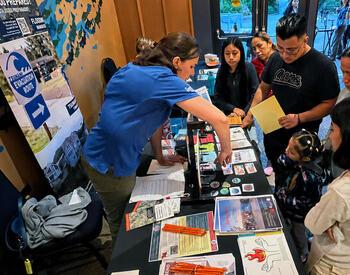
Kits include printed recipe cards in English and Spanish, and QR codes that link to Food Hero instructional cooking videos with step-by-step guidance that supports different learning styles and cooking skill levels.
The program is designed to be inclusive and welcoming for families from diverse backgrounds and experiences. Recipes and videos are offered in both English and Spanish for bilingual households, and meals are selected to be affordable and culturally relevant while appealing to a range of dietary preferences.
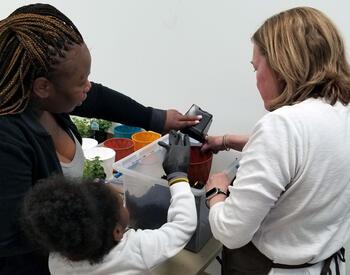
By combining clear instructions with approachable ingredients, the program helps families build confidence over time and makes it easier for caregivers and children to cook together.
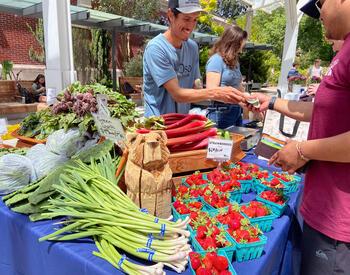
The program also includes seasonal, locally grown fruits and vegetables sourced from nearby farms. By pairing local produce with simple recipes and education, the program helps families try new ingredients, build cooking skills and strengthen connections to local food systems.
The Extension partnership with the Eastern Oregon Coordinated Care Organization (EOCCO) and the Oregon Child Development Coalition (OCDC) provided the funding and coordination needed to launch and sustain the initiative and reach more families.
The program has supported more than 100 low-income families with affordable ingredients and straightforward recipes that make it easier to prepare healthier meals at home. Participants reported increased confidence in cooking and greater willingness to try new foods and techniques. Families also described broader benefits, including more shared meals and stronger family connections through cooking together.
One participant, a mother of three, described the household impact: “It felt like we were a team in the kitchen. The recipes were simple enough for my kids to help, and we love all the recipes. It’s a great support for our family economy.”
Participant feedback also suggests the program is strengthening local food connections, with some families reporting they began purchasing more produce from local farmers markets.
When more families can cook healthy meals at home, communities benefit through improved nutrition, better long-term health outcomes and reduced strain on health systems.
By pairing food access with practical, bilingual education and sourcing produce from nearby farms, the Food Hero Cooking Kit program supports household food security, strengthens community connections and invests in local agriculture.