CORVALLIS, Ore. — Dahlias are addictive — at least for Julie Huynh Moore, an Oregon State University Master Gardener volunteer who lost her home and all 1,200 of her dahlias in the 2020 Labor Day wildfires.
When Moore returned to her property nine days later, the ground was bare. Not one of the blooming dahlias had survived. A few weeks later, sprouts appeared, but the tubers were too small to produce quality blooms. Eventually, she removed them all.
Still, Moore wasn’t discouraged. Her mother, an avid dahlia grower living on the Oregon Coast, had been storing 350 of Moore’s tubers and replanted them at her home in Lincoln County.
Moore’s love for dahlias began more than a decade ago when she and her mother decided to move on from their rose-growing days and explore a new hobby together.
“We used to grow roses, but my mom doesn’t have a place for them anymore,” Moore said in 2021. “We needed a new hobby. Dahlias are a way to spend time together. My mom and I would drive more than two hours to Portland the second Tuesday of every month to go to the Portland Dahlia Society meetings. We’d play with dahlias and have a great time.”
Moore has served as a judge at dahlia shows and has won numerous awards, including a coveted trophy lost in the fire. Some of her mementos were kindly restored by Larry Smith, a fellow member of the Portland Dahlia Society.
In 2024, Moore co-authored the OSU Extension publication Dahlias in Oregon: Planting for a Parade of Late-season Blooms.
Why grow dahlias?
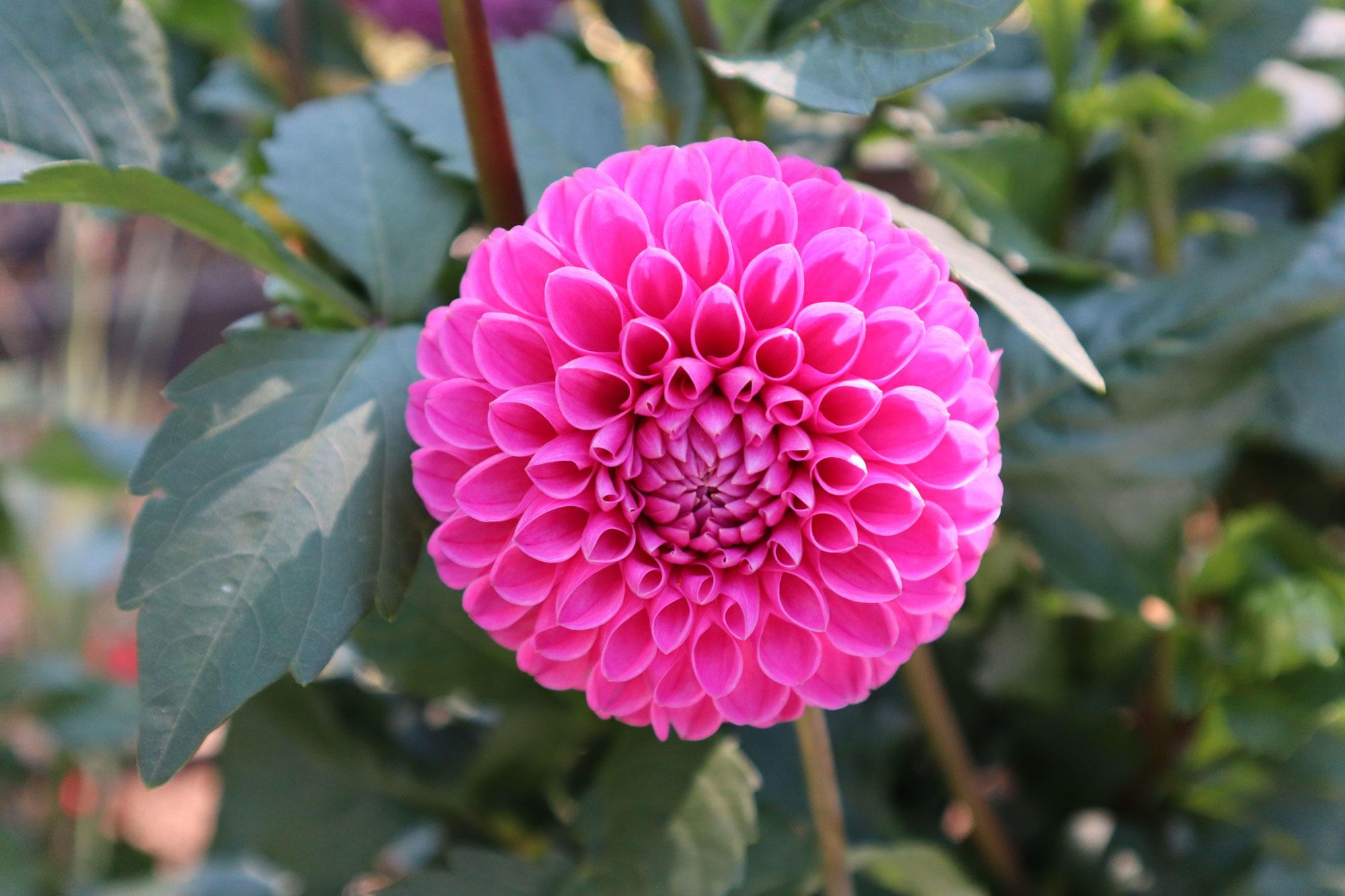
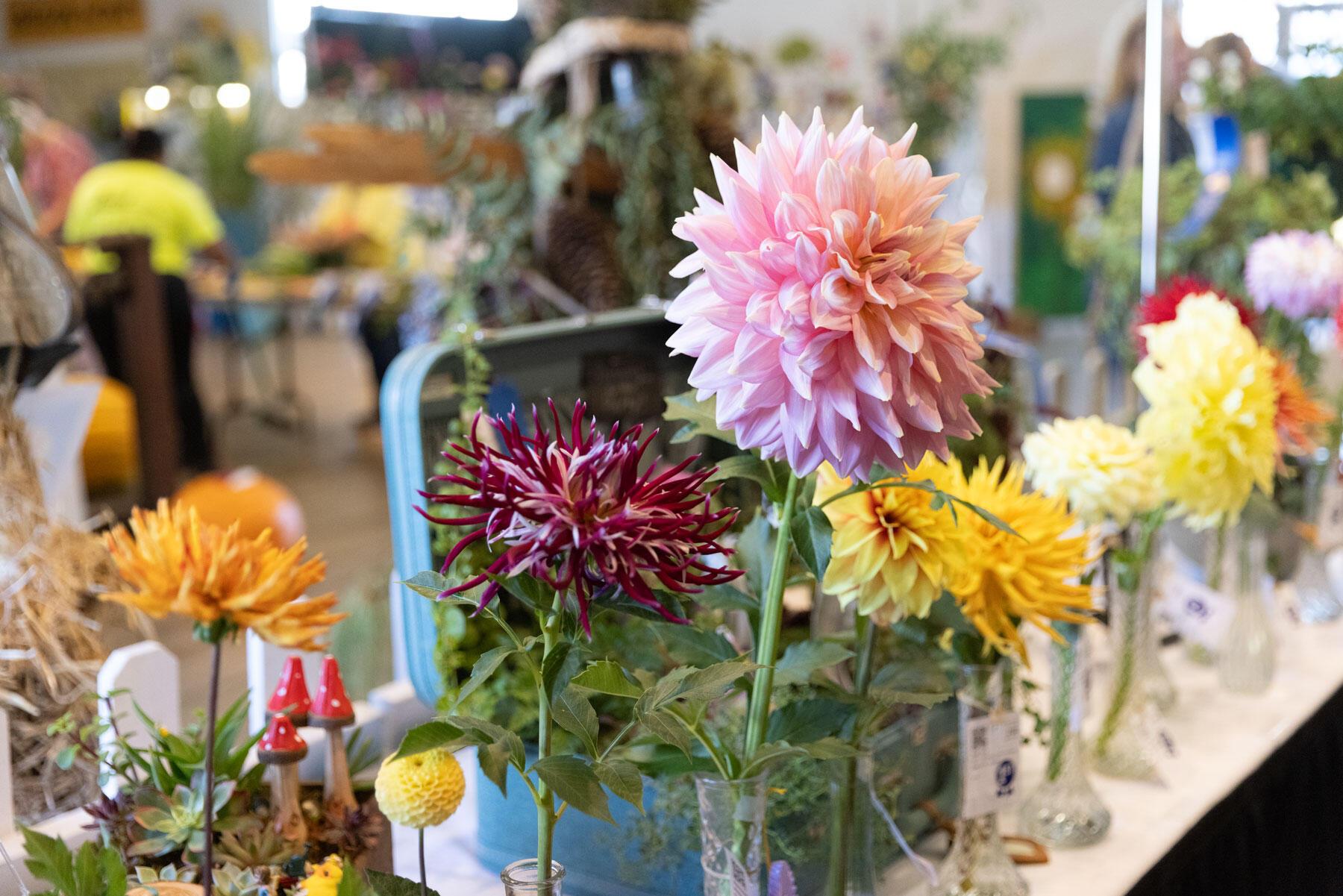
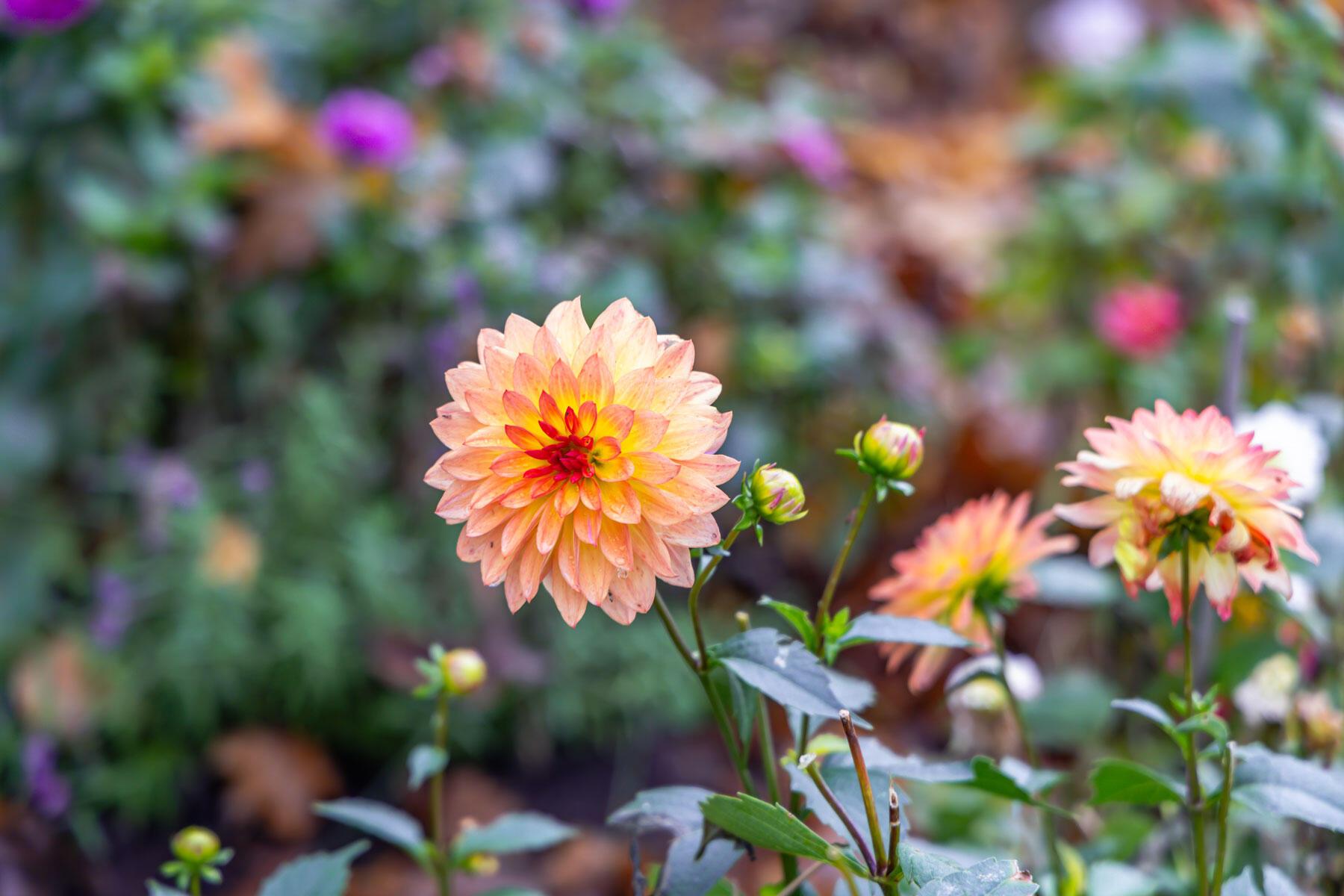
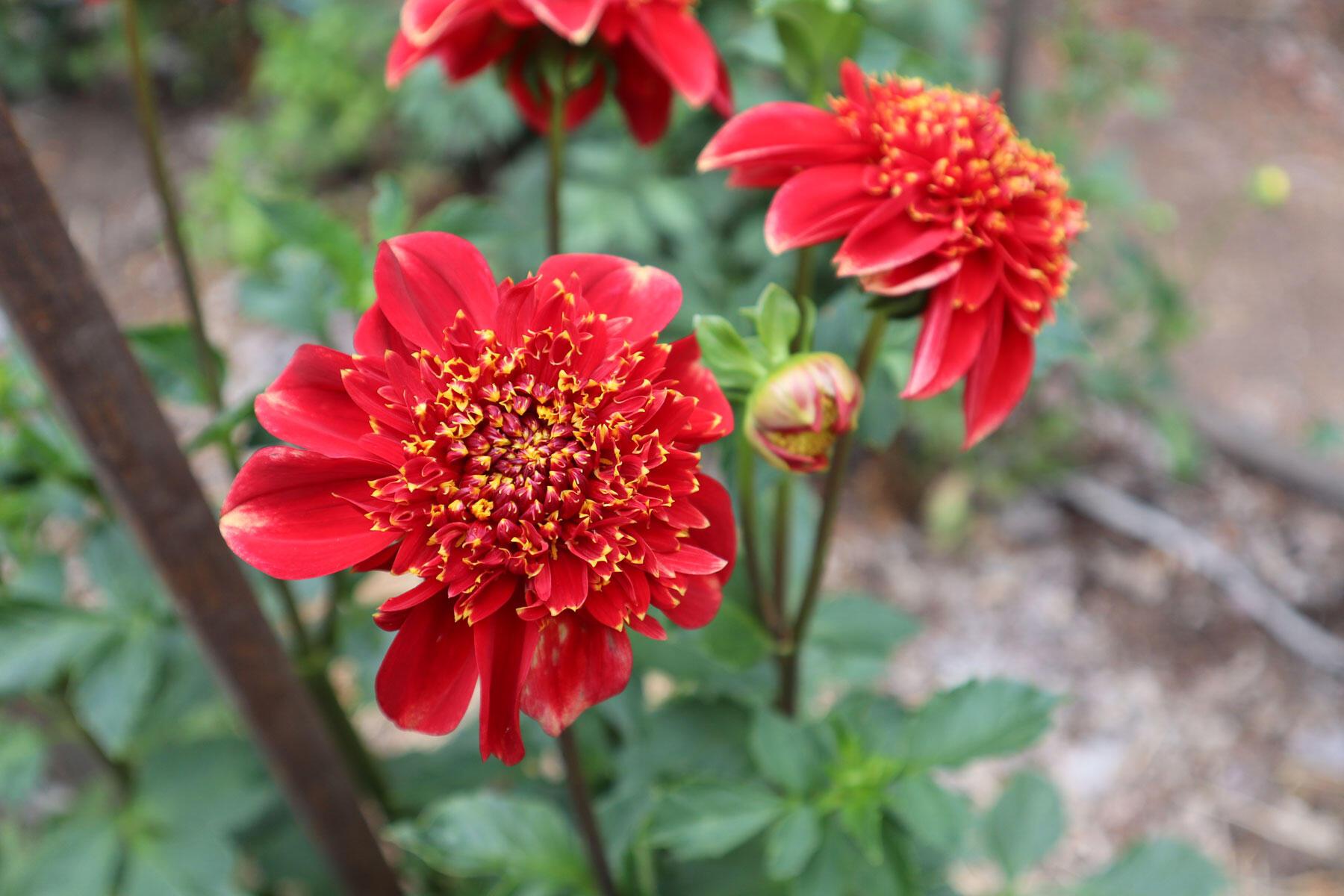
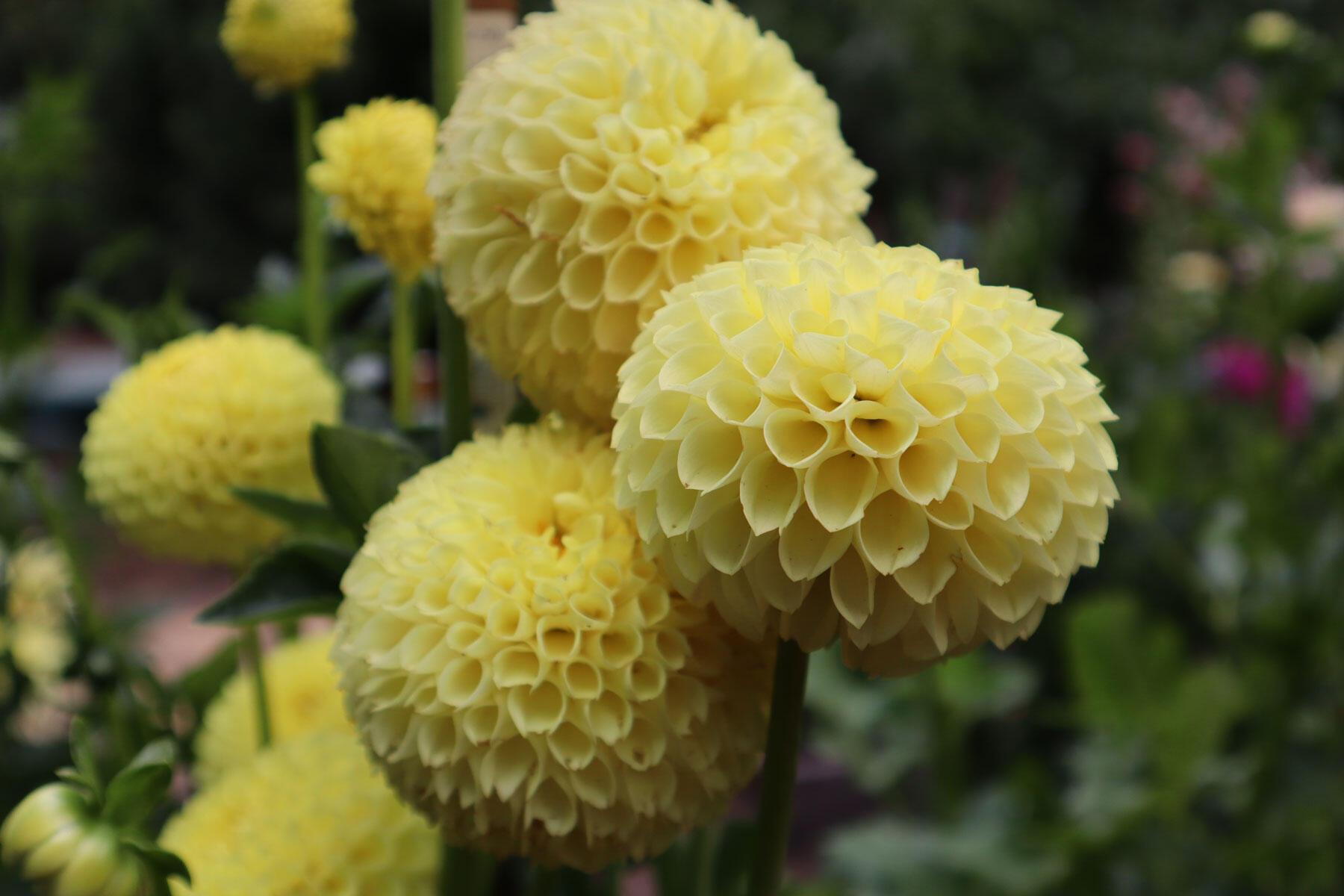
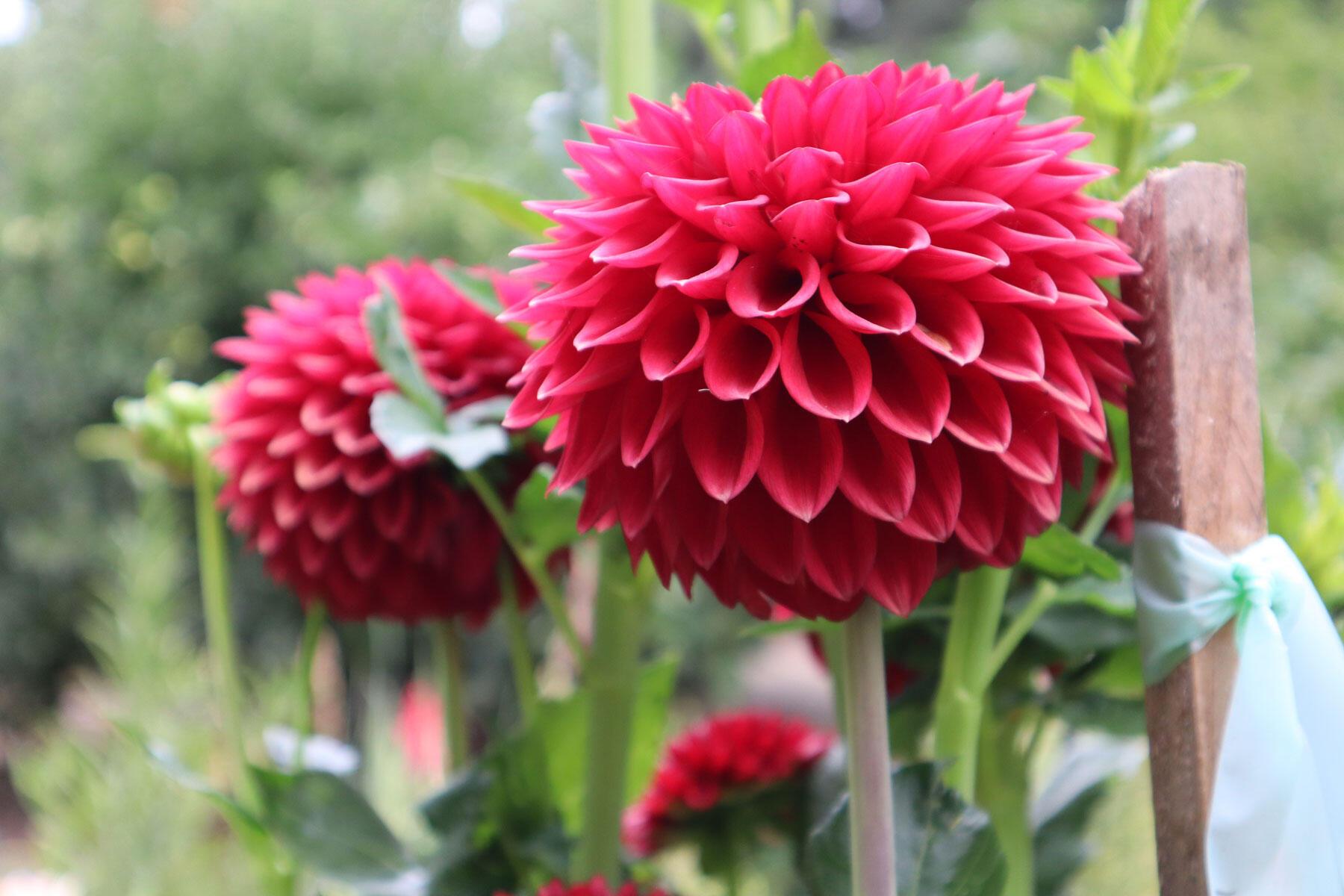
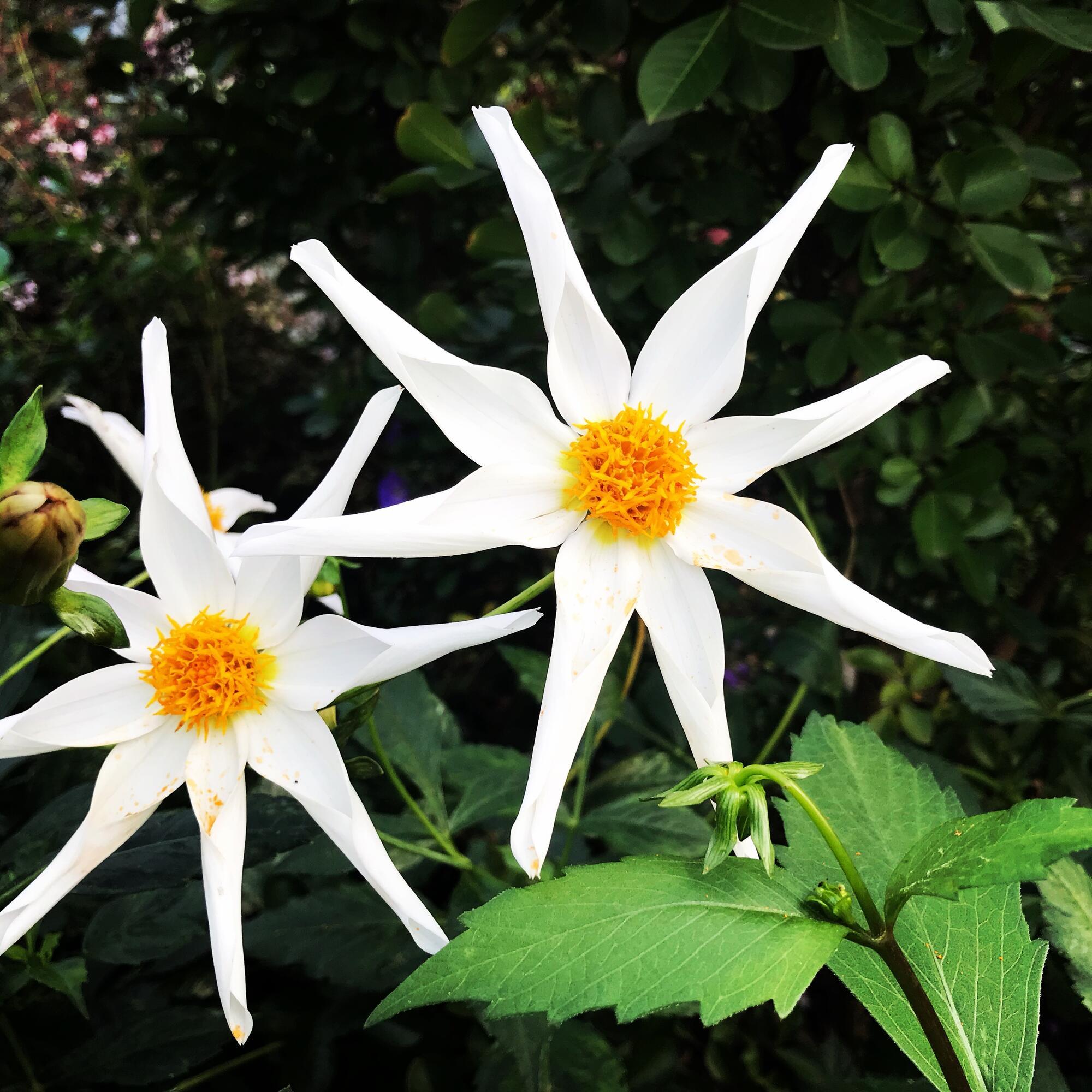
Dahlias are beloved for their variety and beauty. Intricate swirls of petals form blooms in 29 flower types, six size categories and 15 recognized colors. With names like pompom, collarette, mignon and waterlily, the forms are as charming as the plants themselves.
“There is every size, every shape, almost every color,” Moore said. “If you don’t like a specific color, there are so many others. They can stay in a vase for quite a while, they’re easy to grow, and they brighten up everyone’s life. When I’m looking at soil and seeing green coming up, I get excited.”
Some of Moore’s favorites include:
- ‘Ketchup and Mustard,’ a 9-inch formal decorative in red and yellow
- ‘Holly Hill Golden Boy,’ a miniature yellow ball under 4 inches
- ‘Pam Howden,’ a 5-inch orange-and-yellow waterlily
- ‘Iris Blackheart,’ a dramatic dark red and white 4-inch bicolor
- ‘Vernon’s Obsidian,’ a near-black orchid-form variety
Moore, who owns Julie’s Dahlias, shares the following advice for successful dahlia growing:
Planting and care
- Amend the soil with compost, well-rotted steer or chicken manure, or add organic matter to the planting hole. Feeding the soil builds long-term fertility.
- Test your soil to learn what nutrients may be lacking. Dahlias prefer a pH of about 6.
- Plant after frost risk passes and soil has warmed — usually between April 15 and June 1, depending on your location. Mother’s Day is a good rule of thumb, or plant when you put out tomatoes.
- Choose a sunny, well-drained site. Place the tuber with the eye facing up, 6 inches deep and 2 to 3 feet apart, depending on plant size. Cover with 2 to 3 inches of soil and gradually backfill as shoots emerge.
- Stake early. Insert a sturdy stake next to each hole at planting. Position the stake at the end where the eye is emerging to avoid damaging the tuber later. Tie stems at intervals as they grow.
Fertilizing and watering
- Fertilize with steer manure or a balanced fertilizer (e.g., 10-10-10 or 16-16-16) when plants begin to emerge. Switch to a lower-nitrogen option later or use foliar feeds such as fish and seaweed. Reapply one month after planting and again one month later. Stop fertilizing by mid-August.
- Water after planting, then only when rains stop. Once established, water evenly — never allow the soil to become soggy, as tubers may rot. Check soil moisture by sticking your finger in up to the second knuckle.
General maintenance
- Deadhead spent flowers to promote more blooms. To grow long-stemmed blooms for arrangements, disbud by removing the two smaller side buds below the main flower.
- Watch for slugs and earwigs. Slugs love young dahlias — bait or trap beginning two weeks after planting and continue all season. To control earwigs, reduce moisture and remove debris. Moore uses iron phosphate slug bait early in the season and a product with Spinosad later, when earwigs become active.
What to do after frost
Dahlias bloom until the first frost, after which the plants die back. At that point, you can either leave tubers in the ground or dig them up for winter storage.
To overwinter in place:
- Cut stalks to 2 inches tall.
- Cover with 4–6 millimeter black plastic and mulch.
- Ensure excellent drainage — moisture is more dangerous than cold.
- Some gardeners leave hollow stalks intact and secure with a rubber band to help prevent rot.
To lift and store tubers:
- After a hard freeze, cut stalks to about 6 inches.
- Dig up tubers and wash off soil.
- Dry for 24 hours on a tarp or newspaper in a sheltered space like a garage — avoid concrete, which wicks moisture.
- Separate clumps into individual tubers with eyes.
- Store in cardboard boxes or crates lined with newspaper. Layer tubers in vermiculite or sawdust.