CORVALLIS, Ore. — Fragile, beautiful and fascinating, butterflies flutter into gardens and often just as quickly disappear again.
It isn’t because they want to leave, said Heather Stoven, an entomologist with the Oregon State University Extension Service. Rather, they often don’t find what they need to remain in one place.
Butterflies require very specific “room and board.” Like all wildlife, they need shelter, water and food — but their diets, especially in the caterpillar stage, are extremely limited.
When butterflies hatch into caterpillars, they emerge ravenous and equipped with chewing mouthparts. That means gardeners who want butterflies must tolerate some plant damage.
Host plants matter most
Only a small number of plants — sometimes just one — provide the nutrition each species of caterpillar needs. Without the correct host plants, Stoven said, caterpillars starve.
“If you see a weird worm creeping along one of your plants, don’t kill it until you have identified it,” she said. “It may well be a butterfly caterpillar, maybe a rare one you didn’t expect.”
Gardeners can take caterpillars to a county Extension office for help from a Master Gardener volunteer (call ahead to confirm office hours) or submit a photo and question to Ask Extension.
What adult butterflies need
In addition to host plants, adult butterflies rely on nectar plants. Many — such as zinnias, daisies, asters, goldenrod and milkweed — are common garden choices.
Because butterflies are nearsighted, Stoven recommends planting a single species and color in noticeable swaths: a block of blue asters for swallowtails, or a yellow patch of goldenrod for red admirals.
Fragrance helps, too. Lavender, mint, sweet William and honeysuckle are reliable options.
Shelter, sunshine and water
Taller plants around nectar and host plants help buffer wind. In winter, caterpillars and adult butterflies often shelter in crevices in trees, walls, under mulch or leaf litter, or in empty sheds.
Butterflies also need a warm place to bask. They rarely take flight below 60 degrees, Stoven said.
Provide water by sinking a shallow dish into the ground and filling it with wet sand for a “butterfly puddle.”
And skip the pesticides — they undermine butterfly habitat.
Monarchs and milkweed
Although monarchs get most of the public attention, Stoven noted that little is known about the western monarch’s migration, which may explain why they are less common west of the Cascades.
“It certainly doesn’t hurt to plant milkweed just in case,” she said. “But it makes more sense to plant it for other butterflies native to the area as well.”
Here are examples of butterflies commonly seen in Oregon this time of year, with their host and nectar preferences:
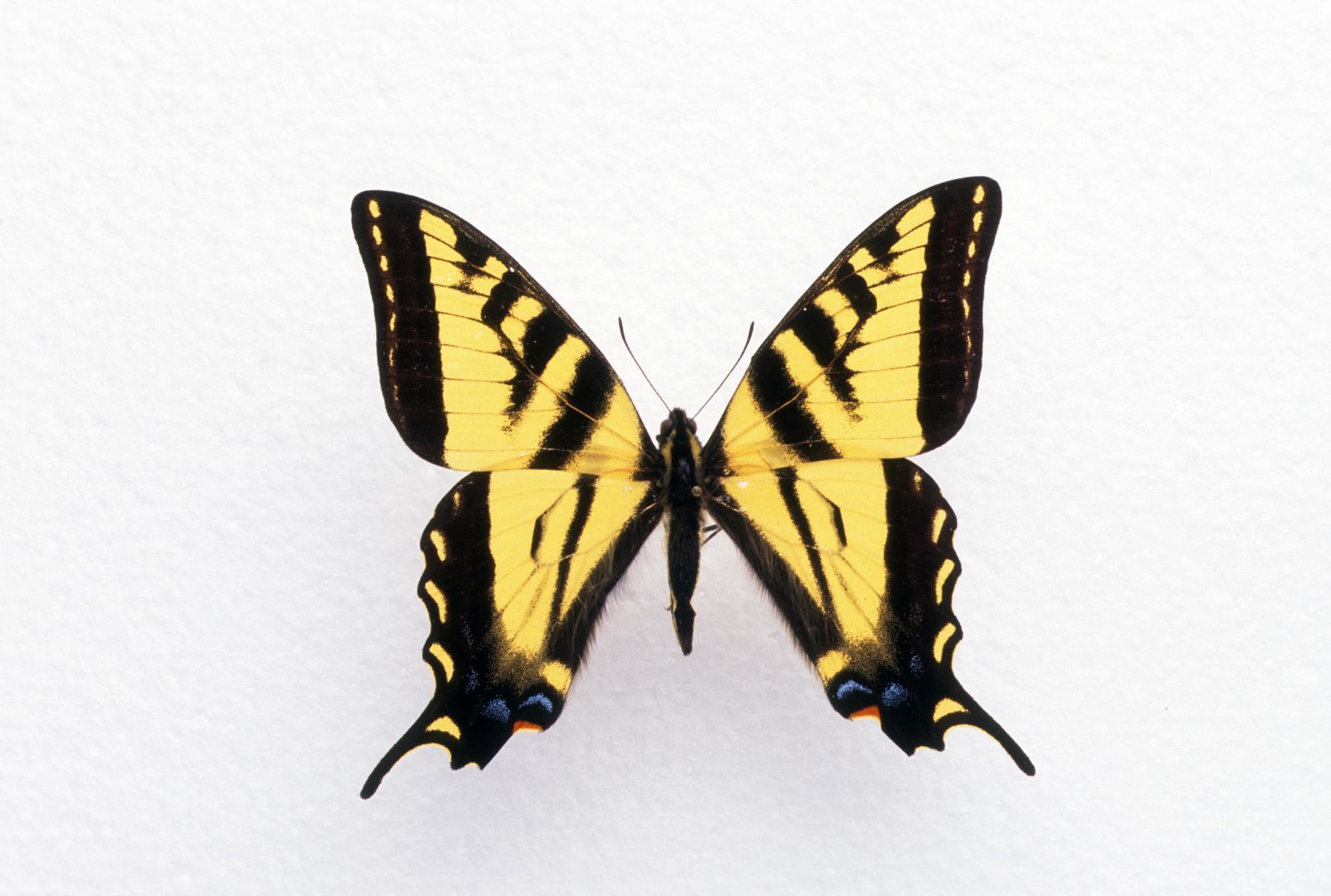
Western tiger swallowtail
Host: big-leaf maple, willow, aspen, cottonwood
Nectar: lilac, rhododendron, honeysuckle, milkweed, mock orange, sweet William, lavender, verbena, asters
Pale swallowtail
Host: buckbrush, cherry, plum, hawthorn, cascara, oceanspray
Nectar: oceanspray, columbine, garden mint, thistle, blackberry, penstemon, sweet William, asters
Pure white
Host: pine, Douglas-fir, true fir, hemlock, redcedar
Nectar: dusty miller, daisies, coreopsis, lobelia, goldenrod, strawflower
Red admiral
Host: stinging nettle
Nectar: daisy, aster, thistle, dandelion, goldenrod, milkweed, fireweed
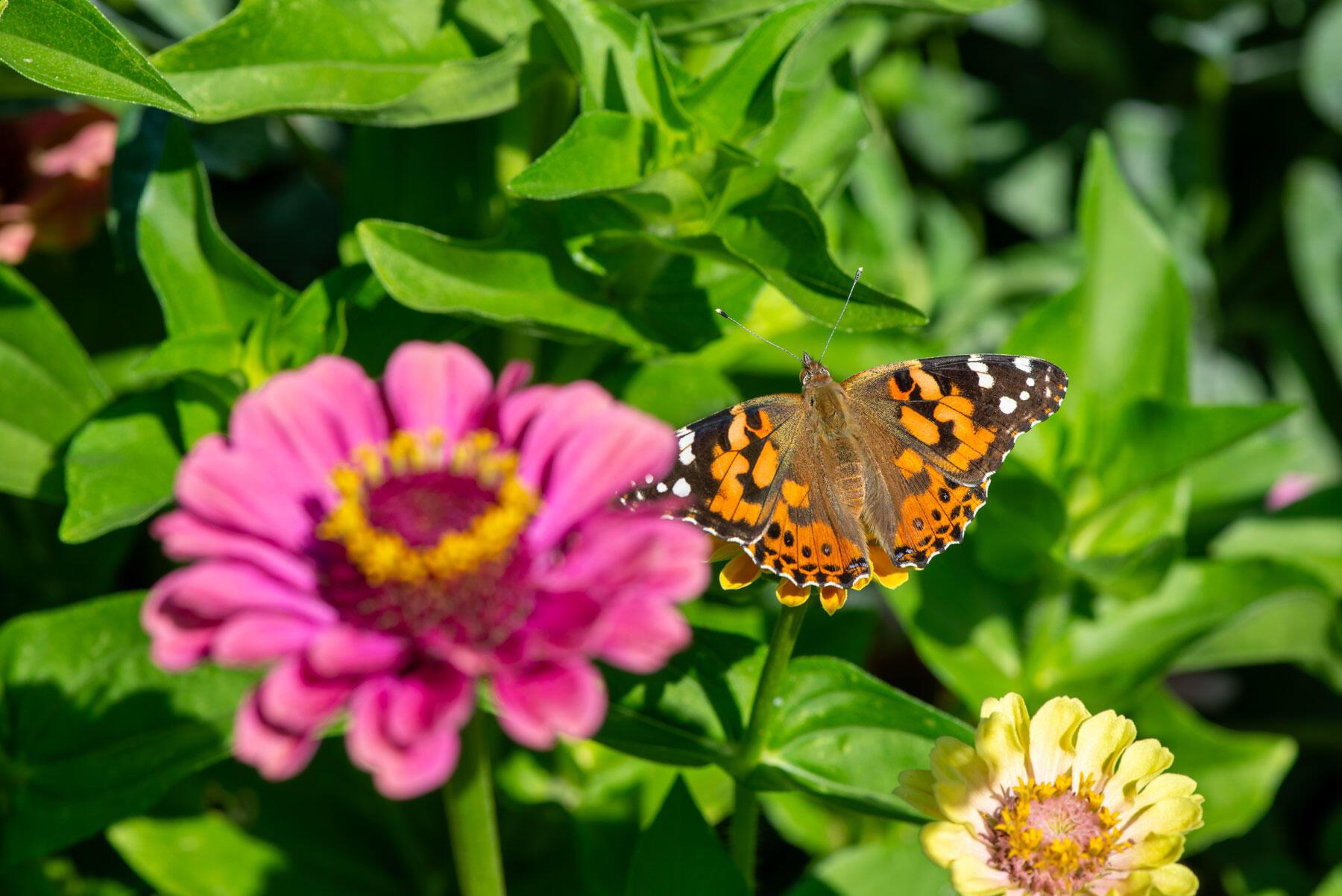
Painted lady
Host: thistle, sunflower, pearly everlasting, hollyhock
Nectar: Oregon grape, rabbitbrush, zinnia, dandelion, aster, cosmos, milkweed, purple coneflower
Great spangled fritillary
Host: violet
Nectar: gloriosa daisy, thistle, verbena, milkweed
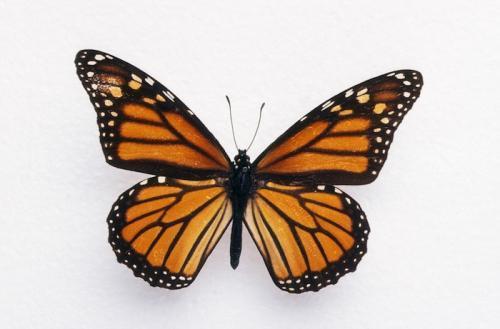
Monarch
Host: milkweed
Nectar: milkweed, lantana, lilac, cosmos, goldenrod, zinnia
Woodland skipper
Host: grasses
Nectar: bluebeard, lavender, oxeye daisy, garden sage, pearly everlasting, black-eyed Susan, aster
Previously titled Butterflies wing their way into the garden with the proper room and board