CORVALLIS, Ore. — As gardeners reflect on last year’s landscape and begin planning for the next, Oregon State University Extension Service encourages considering the benefits of native plants.
“There’s a new aesthetic,” said Weston Miller, former horticulturist with Oregon State University Extension Service. “Gardeners want to connect to nature and the heritage of plants that grow in the Pacific Northwest.”
One major appeal is the relationship between native plants and pollinators. Gardens that include native species can become havens for bees, birds, butterflies and other beneficial wildlife.
“The habitat value is really high,” Miller said. “Native pollinators are accustomed to native plants and are more likely to be attracted to them.”
Right plant, right place
Even native species need the right growing conditions to thrive, Miller said. Sun-loving plants placed in shade — or shade-adapted plants grown in full sun — often struggle.
Plants that grow naturally in forest shade, such as salal and evergreen huckleberry, do not perform well in the prairie-like, full-sun conditions preferred by species such as camas and meadow checkerbloom.
Native plants adapted to sun or shade in the Pacific Northwest can thrive in the region’s wet winters and dry summers when given appropriate soil, water and light. When well matched to their environment, they tend to be resilient and low maintenance.
What native means and where to start
If gardeners are unsure what qualifies as native, Miller suggests thinking geographically: west of the Cascade Range for Western Oregon and east of the range for Eastern Oregon, where climates differ significantly.
For gardeners west of the Cascades, helpful resources include Gardening with Oregon native plants west of the Cascades.
For gardens east of the Cascades, Miller recommends Selecting native plants for home landscapes in Central Oregon.
While some native plants may look informal in manicured landscapes, Miller encourages integrating them along back borders or dedicating specific areas for native plantings.
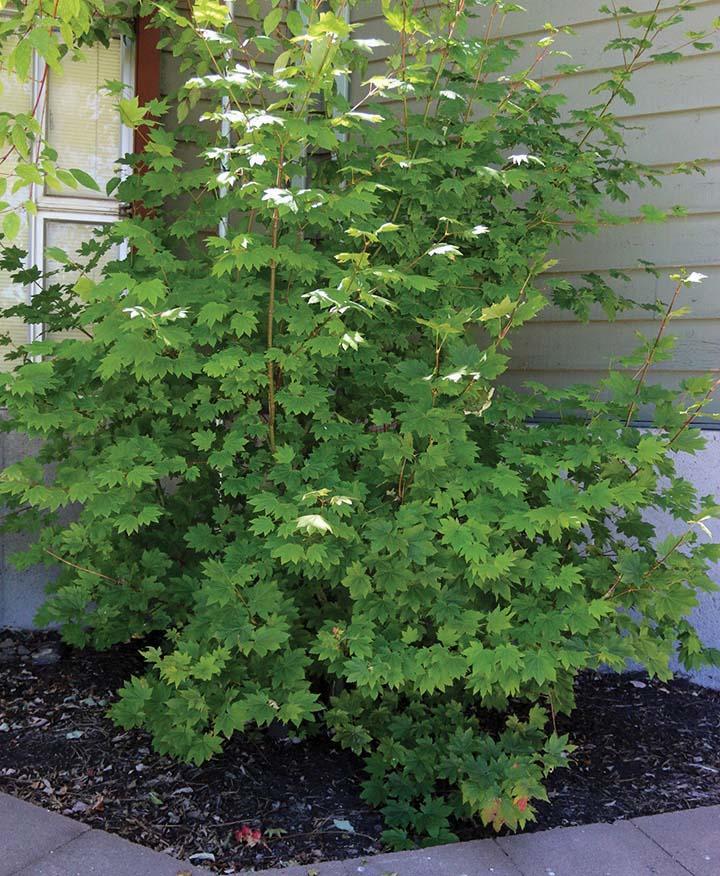
Some natives also make striking focal points. Oregon grape (Mahonia aquifolium), which blooms bright yellow in early spring, and vine maple (Acer circinatum), known for its graceful, multi-trunked form and colorful fall foliage, are two examples.
“Oregon grape is just an awesome harbinger of spring,” Miller said. “Vine maples are also very high on my list. They attract beneficial insects in a big way and can be used as small trees or pruned as large shrubs.”
Recommended native species
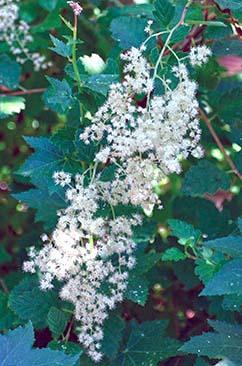
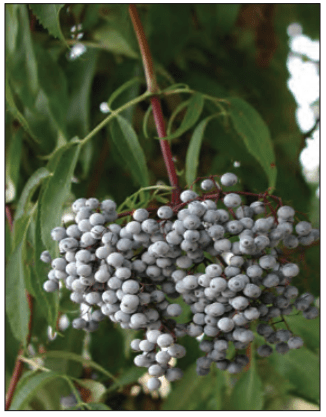
For taller background plantings, Miller recommends oceanspray (Holodiscus discolor), a large shrub with frothy white flowers in spring. Elderberries — red (Sambucus racemosa) and blue (S. caerulea) — also work well at the back of a garden.
“If you’re looking for some height, blue elderberries are a good option,” Miller said. “Birds love the berries, and the berries are edible for humans, too.”
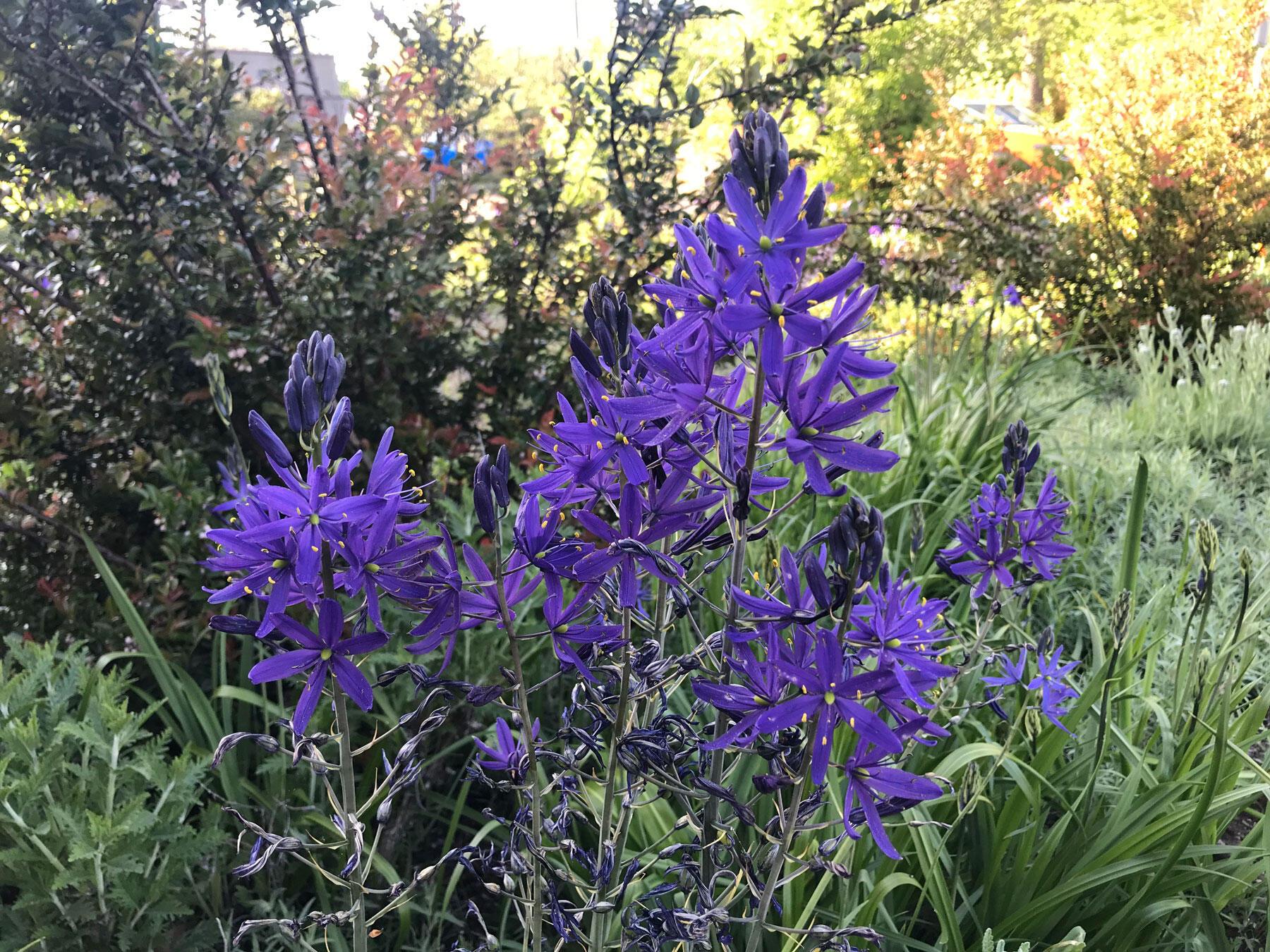
Among bulbs, Miller suggests Pacific Northwest iris (Iris tenax) and tiger lilies (Lilium columbianum), which have freckled orange or yellow flowers with petals that curve upward. He also recommends camas (Camassia quamash), a tall, blue-flowering plant that was once a staple food for Indigenous peoples of the Willamette Valley.
For perennials, Miller favors Pacific bleeding heart (Dicentra formosa), western columbine (Aquilegia formosa), Oregon sunshine (Eriophyllum lanatum), meadow checkerbloom (Sidalcea campestris) and coastal strawberry (Fragaria chiloensis), a low-maintenance ground cover that produces berries for wildlife.
All of these plants can be planted in spring.
How to plant and care for natives
Miller offers the following planting guidance:
- Dig a hole about 2 feet wide and deep for a 1-gallon pot, or 3–4 feet wide for a 5-gallon pot.
- Adjust the soil so the plant’s crown is level with the top of the hole.
- Backfill and water thoroughly.
Fertilizer is usually unnecessary, as soil amendments are typically sufficient and most native plants do not require additional feeding. Water regularly during the first spring and summer to help plants establish strong root systems.