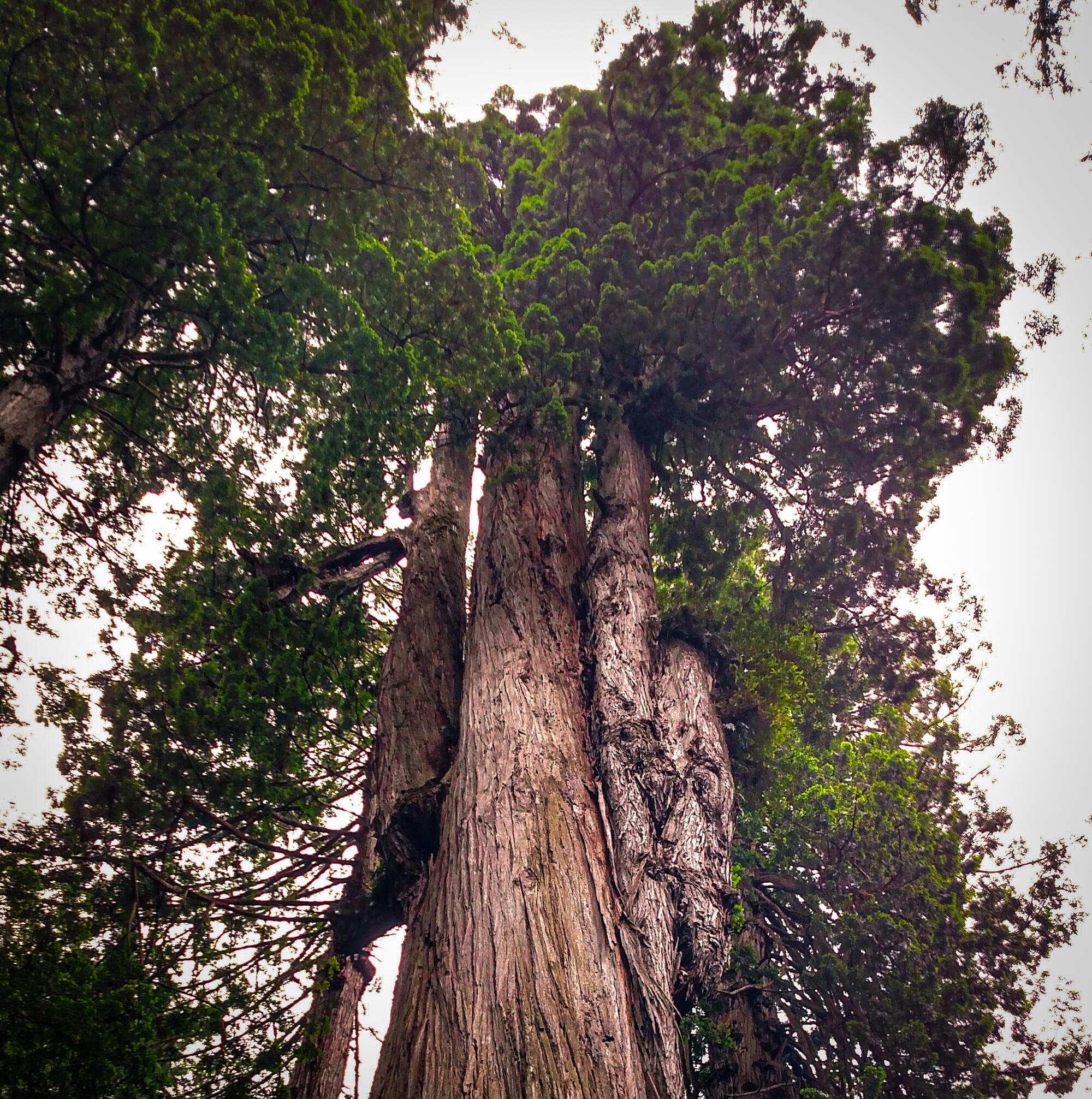
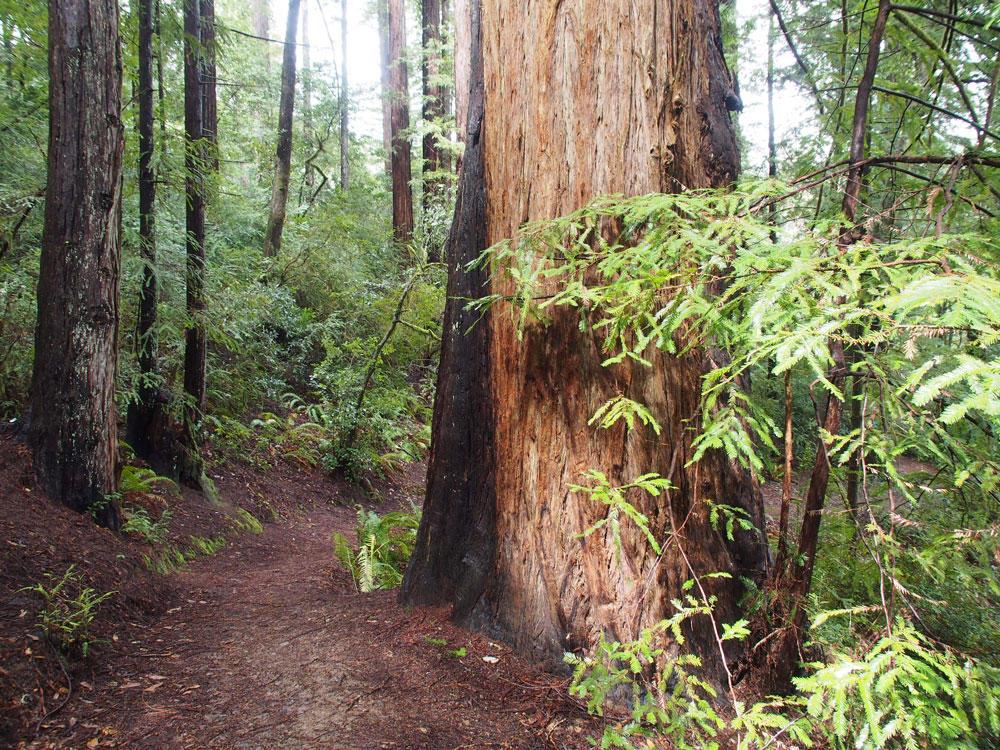
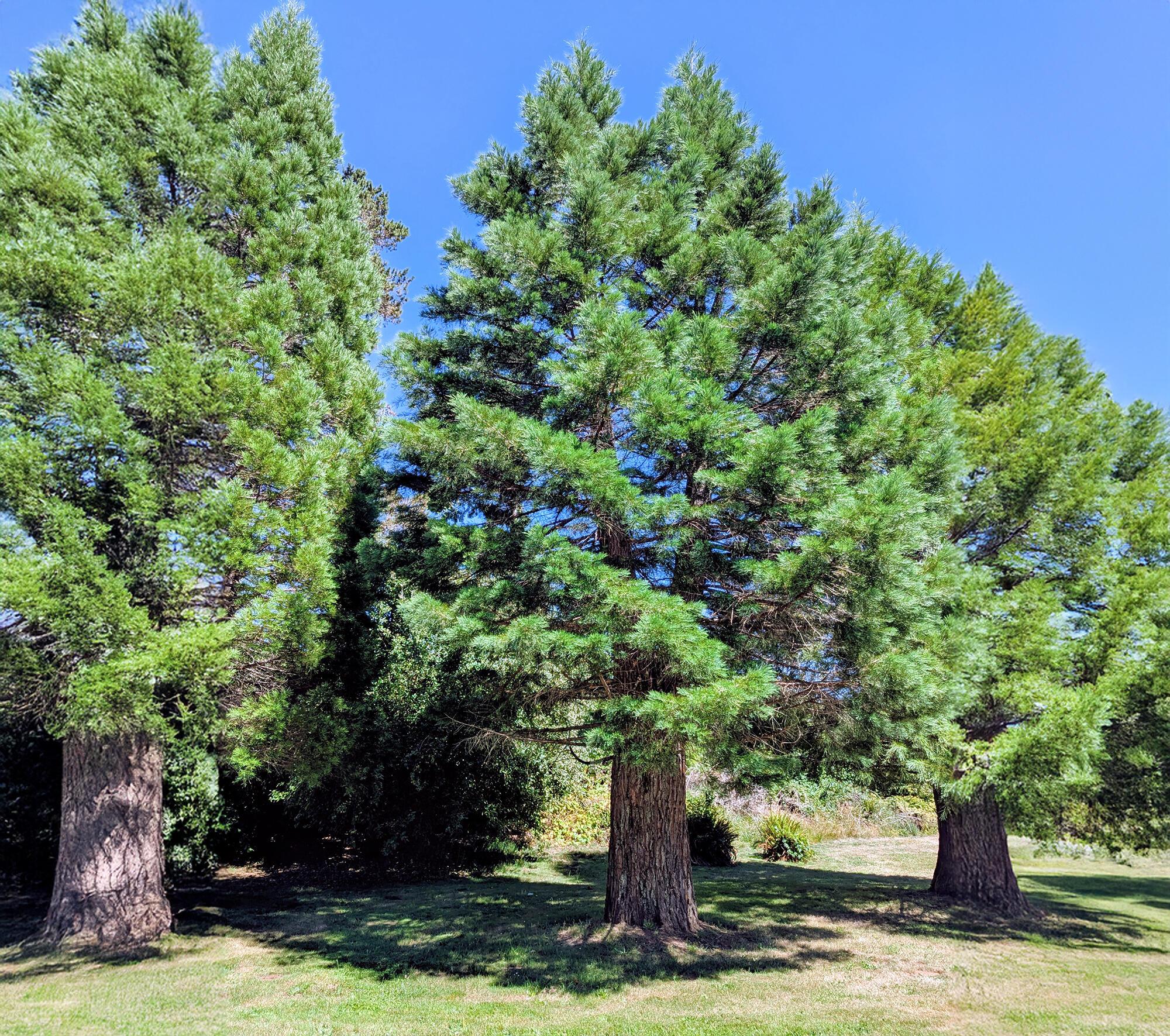
CORVALLIS, Ore. — Coast redwoods and giant sequoias can inspire awe long before landowners consider soil, rainfall, wildlife damage, markets or Oregon forest practice laws.
“People just revere these species. They’re iconic. People want to grow them for a lot of different reasons.”
For some Oregonians, the appeal is personal. The trees are iconic, long-lived and striking. They can be planted for beauty, experimentation, conservation, timber, biodiversity or interest in how forests may adapt to a changing climate.
But planting them in Oregon also raises practical questions: Will they grow well on a given site? Are they appropriate after timber harvest? Can they meet tax-deferral or cost-share requirements? What happens if a coast redwood, known for vigorous resprouting, becomes part of a forest for the long term?
To help small woodland owners and others think through those decisions, Oregon State University Extension Service foresters developed Growing redwood and giant sequoia in Oregon: A resource guide for small woodland owners, published in October 2025.
The guide was written by Dan Stark, Norma Kline, Lauren Grand, Alicia Christiansen and Stephen Fitzgerald, all members of the OSU Extension Forestry and Natural Resources Program.
The publication brings together research, Oregon-specific observations and practical considerations for landowners deciding whether coast redwood or giant sequoia fits their property and management goals. It covers site characteristics, forest health, reforestation, growth and yield, wood quality and regulations.
“We wanted to figure out why people were growing them,” Stark said. “People just revere these species. They’re iconic. People want to grow them for a lot of different reasons.”
From questions to resources
The work began after OSU Extension foresters noticed increasing questions from landowners in Western Oregon about planting coast redwood and giant sequoia.
Coast redwood is native to the central and northern California coast and reaches into the very southwest corner of Oregon. Giant sequoia is native to scattered groves on the west slope of California’s Sierra Nevada.
With support from an internal Forestry and Natural Resources Extension competitive grant, the team developed an approach to identify landowner needs and translate what they learned into practical education.
In 2021, the group distributed an informal community needs assessment that reached 253 small woodland owners in 22 Oregon counties. The team also convened a Redwoods Science Meeting and, from 2021 to 2023, Fitzgerald led a preliminary assessment of growth and yield from existing redwood plantings on OSU forests.
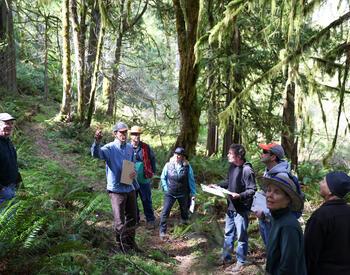
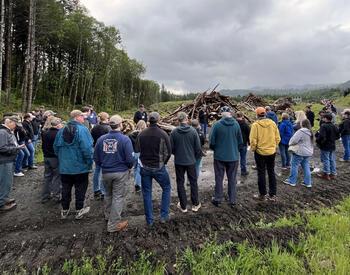
Interest in the topic has continued. In April, Christiansen offered a Douglas County field tour, “Exploring Coast Redwood Management on the Oregon Coast,” for landowners already growing coast redwood or considering it for their property.
The tour focused on practical insights and current research, including climate considerations, alternative reforestation plans, stump sprouting behavior, growth comparisons, marketing opportunities and animal, disease and weather-related damage.
Right tree, right place
A central message of the Extension resource guide is that site matters.
Coast redwood and giant sequoia can grow quickly under the right conditions. Coast redwood can grow larger and faster than Oregon’s primary commercial tree species, Douglas-fir, but the guide notes that redwoods and giant sequoias can be more heavily damaged by wildlife.
In some Oregon plantings, Fitzgerald said, coast redwood has shown impressive growth, especially in coastal areas. But neither species is a simple replacement for native commercial conifers, and both come with limitations.
Kline, who works on the southern Oregon Coast, emphasized the importance of seed source and site selection.
“Offsite species are extremely susceptible to forest health issues, and they will likely not do well if planted so far off of the native seed zone,” she said.
Redwoods and giant sequoias also can be vulnerable to animal damage. Deer, bears, woodrats, gray squirrels and voles can damage young trees. Kline said voles can be a particular problem in grassy areas.
Landowners also need to consider the long-term implications of planting coast redwood. Fitzgerald noted that coast redwood resprouts readily after harvest.
“If you end up planting coast redwood on your property, you’ll have it forever,” he said. “Once, if you harvest it, it will sprout and keep resprouting.”
Regulations and markets
The publication also helps landowners understand regulatory and financial considerations before planting. Christiansen said landowners should check with the Oregon Department of Forestry before using coast redwood or giant sequoia to meet reforestation requirements after timber harvest.
In much of Oregon, an alternate plan of practice may be needed if the trees are planted outside their native range.
Tax-deferral and cost-share programs also may have requirements tied to marketable or native tree species. A landowner who plants mostly non-native species could affect eligibility unless an approved plan is in place.
Markets are another consideration. Coast redwood has long been valued for outdoor uses because of its color and decay resistance. Giant sequoia has some wood product potential, especially from younger trees, but Oregon markets are limited.
The guide is part of a broader education effort. The team developed curriculum and taught a class at Tree School, recorded an In the Woods podcast episode hosted by Grand, and produced educational videos for the OSU Extension YouTube channel.
The videos answer common questions, including how to tell the two species apart and what landowners should consider before planting.
The need for information is likely to continue as Oregon woodland owners consider how to manage forests for changing conditions, diverse objectives and future generations.
“It’s a very cool tree, but there’s a lot to think of if you’re going to grow them,” Christiansen said.
Previously titled Extension foresters note trend in redwood plantings, plan needs assessment