CORVALLIS, Ore. — As warmer weather arrives, it’s a good idea to evaluate your garden and be ready to help plants through hot and dry spells. Oregon State University Extension Service experts recommend several strategies to keep landscapes healthy during summer.
Water your landscape strategically
- Time it right: Water early in the morning when temperatures are lower.
- Go deep: Rather than watering lightly every day, water infrequently and deeply to a depth of 8–10 inches.
- Lawns: Apply ½–¾ inch of water per week, or let lawns go dormant and brown during peak heat.
- Trees: Don’t forget large trees. A soaker hose around the root zone works well.
Mulch to conserve water
Mulch slows evaporation, acting like a lid on a boiling pot. Apply a 3–5 inch layer of bark chips or arborist trimmings. As mulch decomposes, it adds organic matter to the soil. For more, visit Mulching Woody Ornamentals with Organic Materials.
Right plant, right place
Design your landscape so plants with similar light and water needs grow together. This reduces competition for resources and creates healthier groupings.
Build healthy soil
Quality soil retains moisture during drought. You should be able to break it apart easily, a sign water can penetrate well. Improve soil by adding organic matter such as composted yard trimmings, composted manure or deciduous leaves.
Choose drought-tolerant plants
Some plants thrive with only winter rainfall and no supplemental irrigation in summer. Good options include Mediterranean-climate species and Pacific Northwest natives.
Some plants thrive with only winter rainfall and no supplemental irrigation in summer. Good options include Mediterranean-climate species and Pacific Northwest natives.
Groundcovers:
- Point Reyes ceanothus (Ceanothus gloriosus)
- Carpet broom (Genista pilosa)
Shrubs:
- Dwarf strawberry bush (Arbutus unedo ‘Compacta’)
- Wild lilac (Ceanothus 'Victoria')
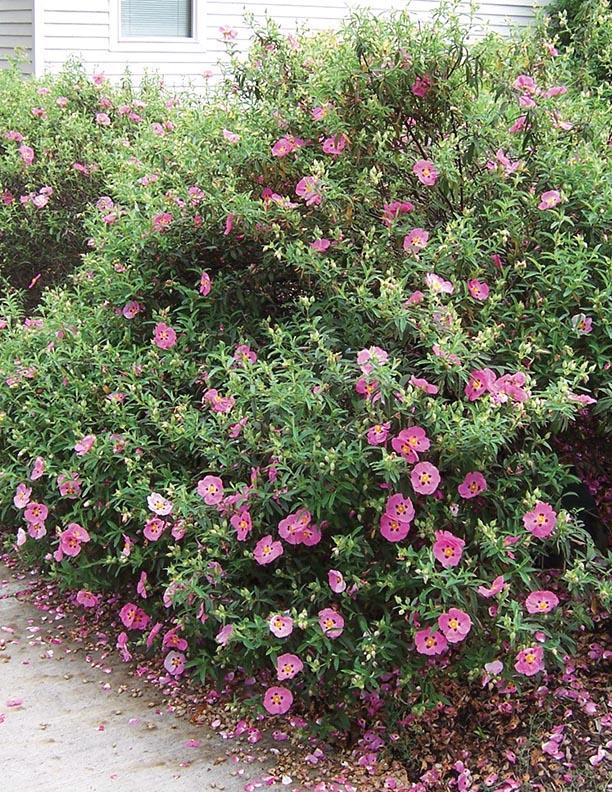
- Rockrose (Cistus × hybridus)
- Sunrose (Helianthemum nummularium)
- Flowering currant (Ribes sanguineum)
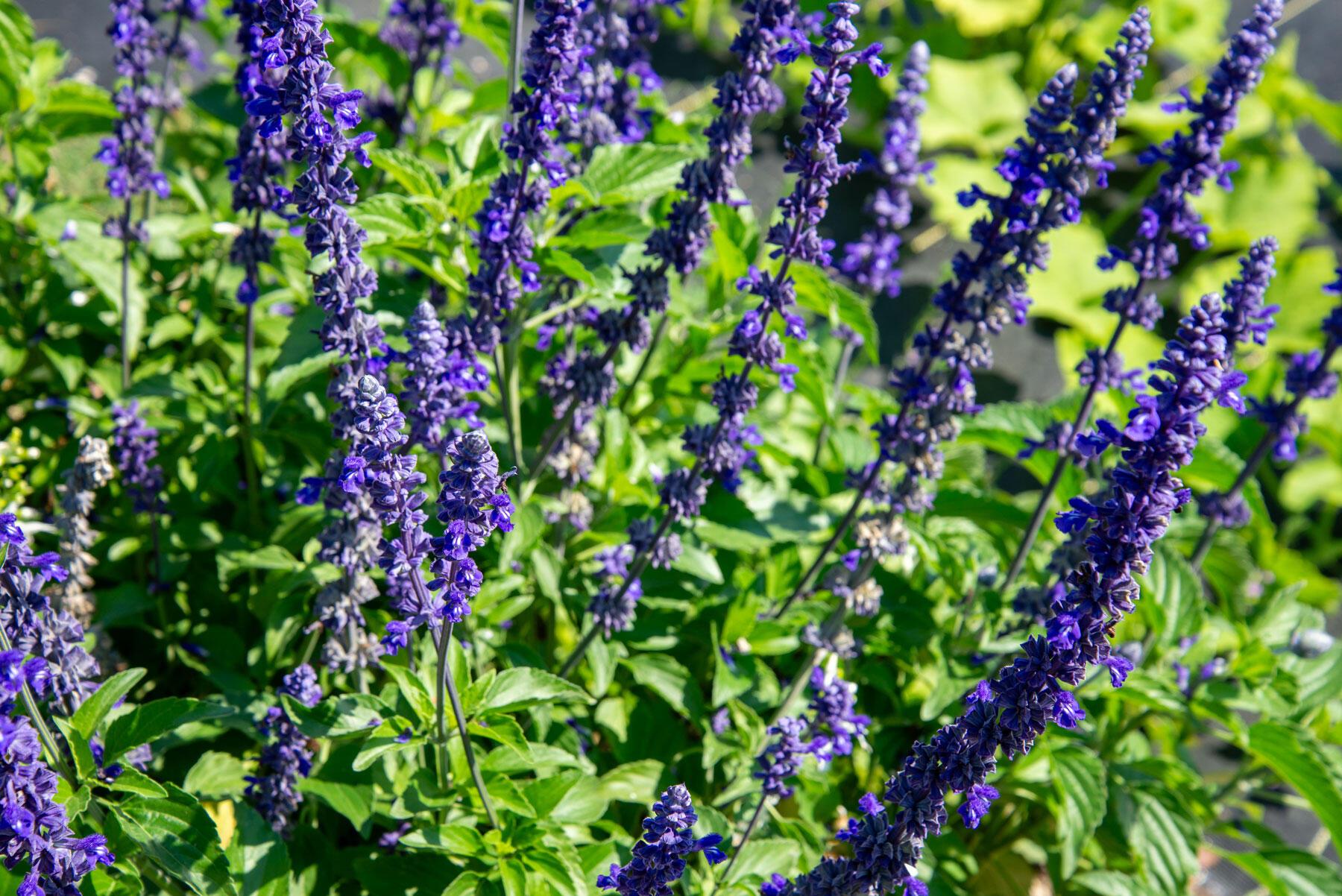
- Lavender (Lavandula spp.)
For more ideas, visit the Extension article 10 all-around great shrubs for water-wise gardens. To learn about recognizing and preventing heat stress in plants, visit Heat wave in the garden: How to identify and prevent heat stress in plants by OSU Extension horticulturist Nicole Sanchez.
Previously titled Get ready, get set for summer weather with these tips from OSU Extension