Data show that among school-age children, low physical activity, poor diet, and extended periods of inactivity are associated not only with poor health but also with poor educational outcomes. In 2007, Oregon passed a law mandating that public elementary school students receive at least 150 minutes of physical education per week. However, by 2017, fewer than 10% of schools met this requirement, primarily due to funding shortages that limited the hiring of physical education teachers.
BEPA 2.0 provides a sustainable, scalable solution to increasing physical activity among Oregon’s youths, especially in rural and under-resourced communities.
Recognizing this shortfall, the law was amended in 2017 to allow classroom teachers to lead physical activities in schools without PE instructors. This shift created a critical need for accessible, effective, and standards-aligned physical activity resources that could be used by educators with limited training in physical education.
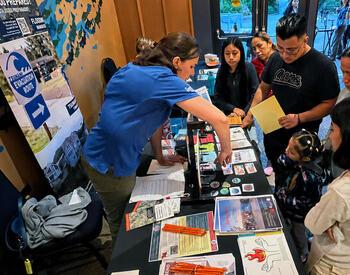
To support educators, Oregon State University Extension Service, in collaboration with the Oregon Department of Education and teachers across the state, developed the Be Physically Active 2Day Toolkit (BEPA 2.0). This school-based physical activity program is aligned with both Oregon and national health and physical education standards for grades K-5. Designed for classroom, outdoor and before- or after-school settings, BEPA 2.0 includes over 50 unique activities that support movement skill development, health literacy and PE compliance.
The toolkit features portable play items, activity videos, a user guide, training materials and policy support documents. Activities like “Activate the Alphabet” and “Fruit and Veggie Volleyball” provide fun and engaging opportunities for moderate to vigorous physical activity throughout the school day. BEPA 2.0 training is offered both in-person and online to maximize educator access and effectiveness.
Since its launch in 2018, more than 1,780 educators in Oregon have been trained to use BEPA 2.0. In response to COVID-19, an online training option was added, which helped train nearly 100 out-of-state partners during the 2021–2022 school year. By fall 2022, more than 3,000 toolkits had been distributed, providing access to physical activity for over 50,000 children in Oregon and beyond. In 2024 alone, 540 activity card sets were sent to partners in other states.
In 2024, 298 educators across the United States were trained — 231 within Oregon and 66 outside the state. Post-training evaluations revealed that 96% of participants felt more prepared to deliver the program. BEPA 2.0 is also included in the Supplemental Nutrition Assistance Program Education (SNAP-Ed) Toolkit as a research-tested intervention and is actively used in eight states nationwide.
Multiple studies affirm BEPA 2.0’s effectiveness. In under-resourced schools, students whose teachers implemented BEPA 2.0 demonstrated increased activity levels and reduced obesity risk. In Hermiston and Morrow counties alone, over 5,000 students benefited from increased physical activity in 2019–2020. Research also shows that trained teachers are more likely to implement the program and do so with greater confidence and enthusiasm.
The program has been further integrated into broader nutrition and health education initiatives, particularly in Latinx and low-income communities. These include cooking classes, recipe tastings, family activity series and farmers market incentives. BEPA 2.0 enhances these efforts by increasing daily physical activity and reinforcing healthy behavior in school settings.
BEPA 2.0 provides a sustainable, scalable solution to increasing physical activity among Oregon’s youths, especially in rural and under-resourced communities. It helps schools comply with PE requirements, enhances student well-being and supports academic achievement. The program’s adaptability, research backing, and widespread adoption demonstrate its value in promoting a healthier, more active future for Oregon’s children.