Malheur County, along Oregon’s eastern border with Idaho, is known for its vast high-desert landscape and agricultural heritage. But it also faces deep economic challenges. With the second-highest child poverty rate in Oregon — 34% compared to the state average of 18% — many local youths face barriers to education, skill development and employment.
Malheur Works is helping build a more skilled and connected workforce — one that supports both local industries and the long-term success of rural youths.
These challenges are common in rural areas, where limited access to opportunity can leave young people unprepared for careers. Nationally, employers report difficulty hiring workers with essential skills such as communication, critical thinking and professionalism.
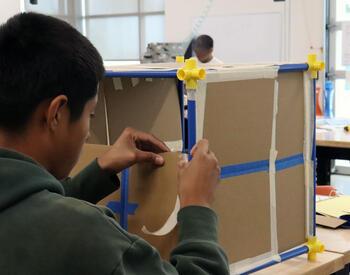
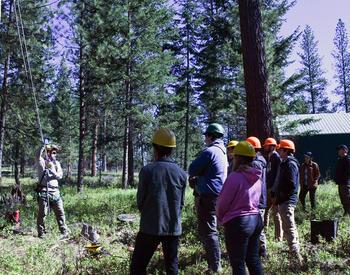
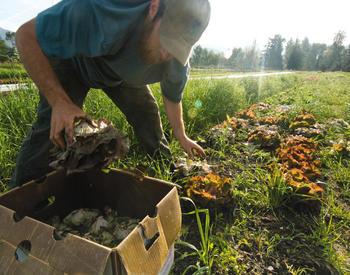
In response, Oregon State University Extension Service and the Malheur Education Service District’s Frontier STEM Hub partnered with local industries, educators and workforce leaders to develop Malheur Works — a paid summer internship program that helps recent high school graduates gain real-world experience, build professional skills and explore career options. The program launched in 2020 with support from the Extension Foundation and input from a diverse advisory board.
Malheur Works is built around three pillars: full-time paid internships that align with career interests, weekly professional development workshops and mentorship from community professionals. It targets graduated seniors from underserved or underestimated populations, including those in rural and Hispanic/Latinx communities.
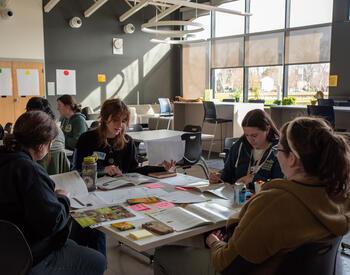
Interns participate in nine-week, 360-hour internships with local employers. They also attend 26 hours of workshops on interviewing, communication, personal finance, ethics, resume writing and other workplace topics. Each intern is paired with a mentor who provides support and guidance throughout the program.
Interns report increased confidence and practical skills. In post-program surveys, 84% said they would not have been able to participate if the internships were unpaid — underscoring the value of removing financial barriers.
One intern shared, “A mentor was the best aspect of this program for me. My mentor helped me a lot — not just with work, but with life. She shared her experiences and gave me advice I’ll carry forward.”
Eduardo Amescua, who interned with Stan’s Heating Inc., said, “Thanks to my mentor and my co-workers who taught me with patience — I learned a lot from them.”
Another intern, Sierra Dobson, added, “Input from my co-workers helped prepare me for college this fall. I also learned about resources available to support people in our community.”
Malheur Works is helping build a more skilled and connected workforce — one that supports both local industries and the long-term success of rural youths.
In addition to the Extension Foundation, funding for Malheur Works is provided by the Eastern Oregon Border Economic Development Board, Oregon Community Foundation, Eastern Oregon Workforce Board, The Ford Family Foundation, WorkSource Oregon and the Malheur Education Service District.