CORVALLIS, Ore. — If you don’t have space for a garden — or even if you do — a terrarium may be in your future.
“Terrariums are an easy way to have some greenery,” said Brooke Edmunds, a horticulturist with the Oregon State University Extension Service. “And they’re fun to make.”
“You don’t want plants to grow too big and out of the terrarium too fast, so get very small ones and don’t fertilize too much. But eventually they’ll need to be replaced. Think of them as fleeting beauties.”
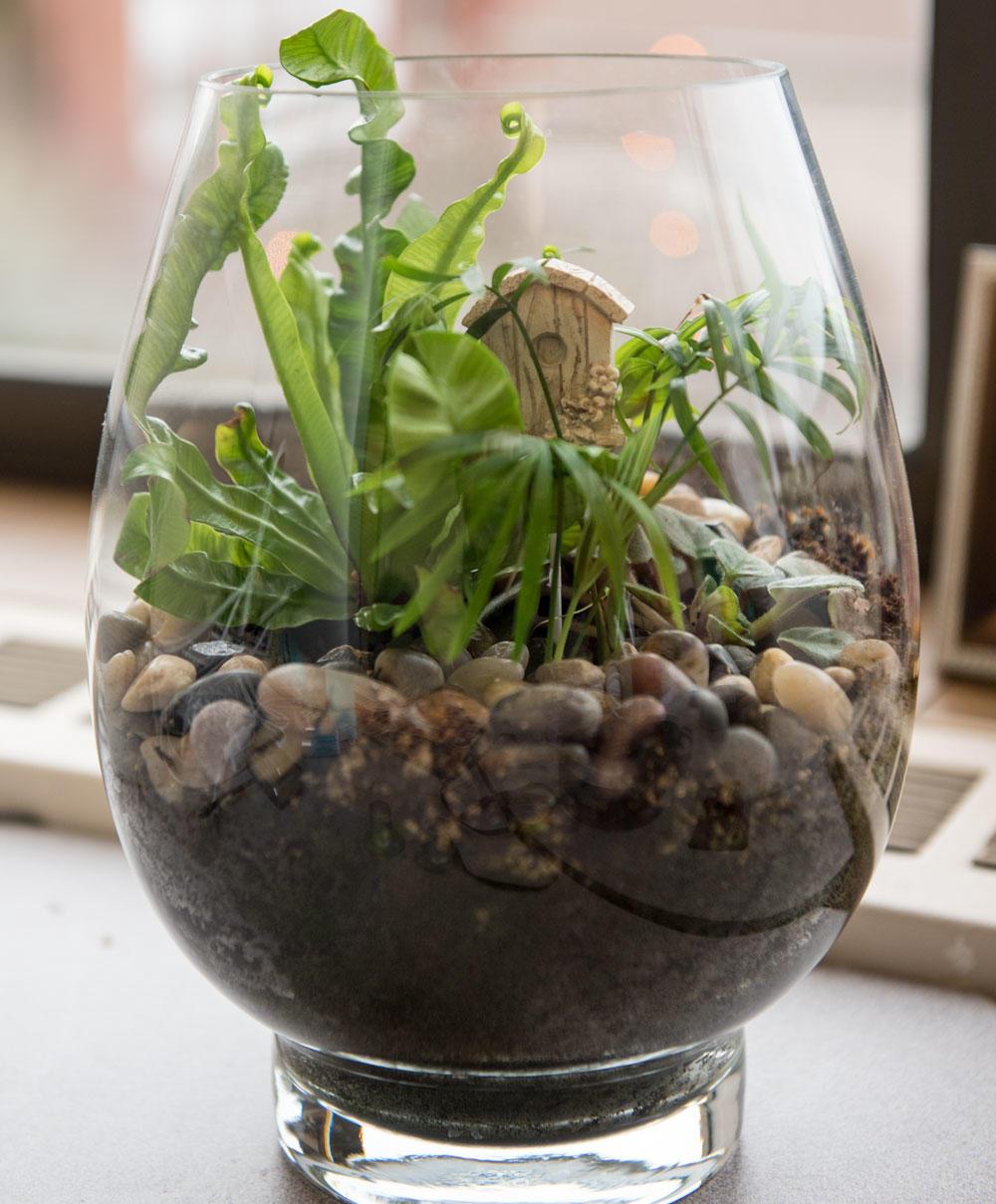
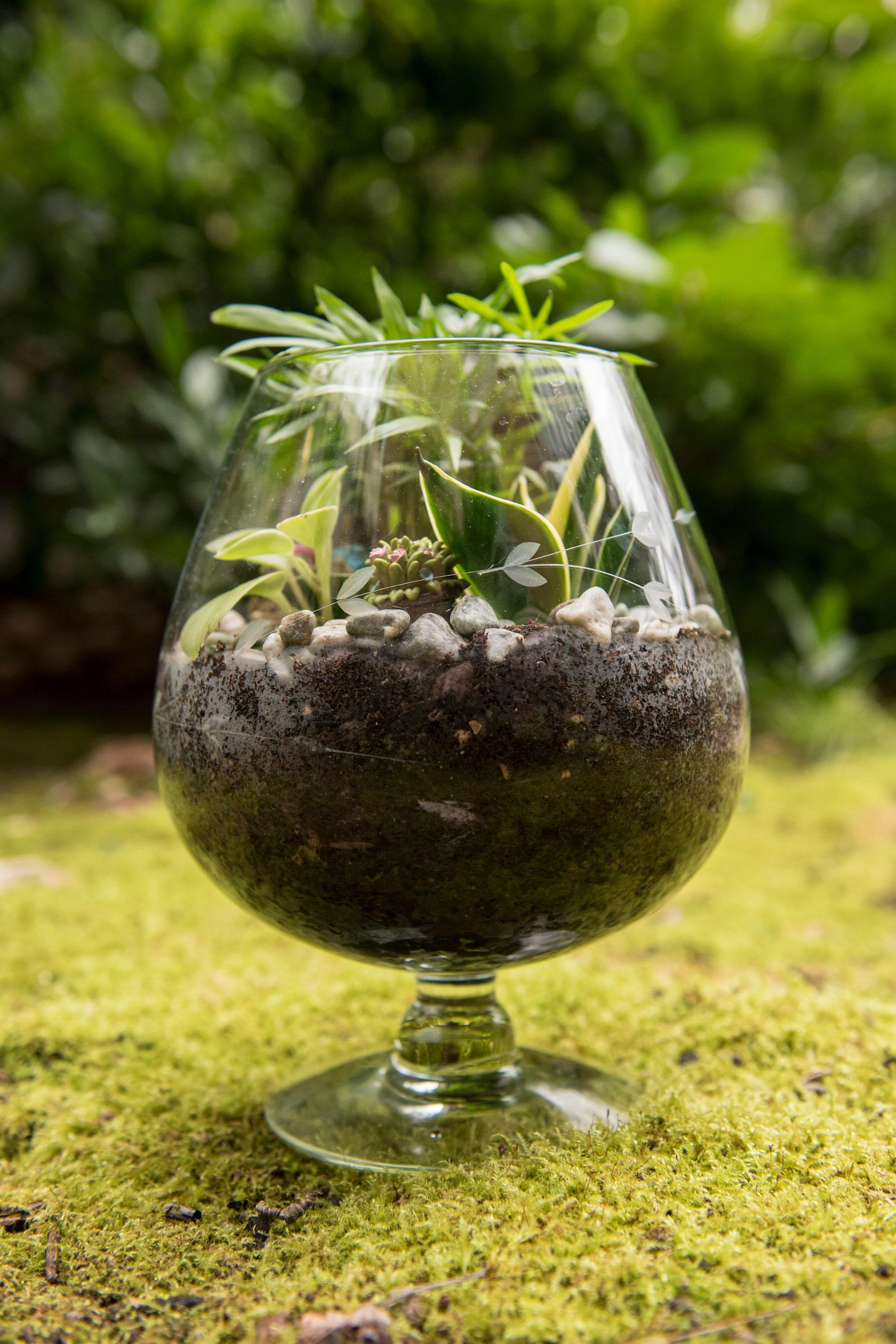
A terrarium can also reflect the personality of its maker. With stones, moss, seashells, tiny pieces of driftwood, doll furniture and other accessories, you can put your own stamp on it. Let kids gather favorite items — they’ll enjoy helping.
Start with a clear glass container. You may already have one at home; thrift shops are a good source for low-cost options.
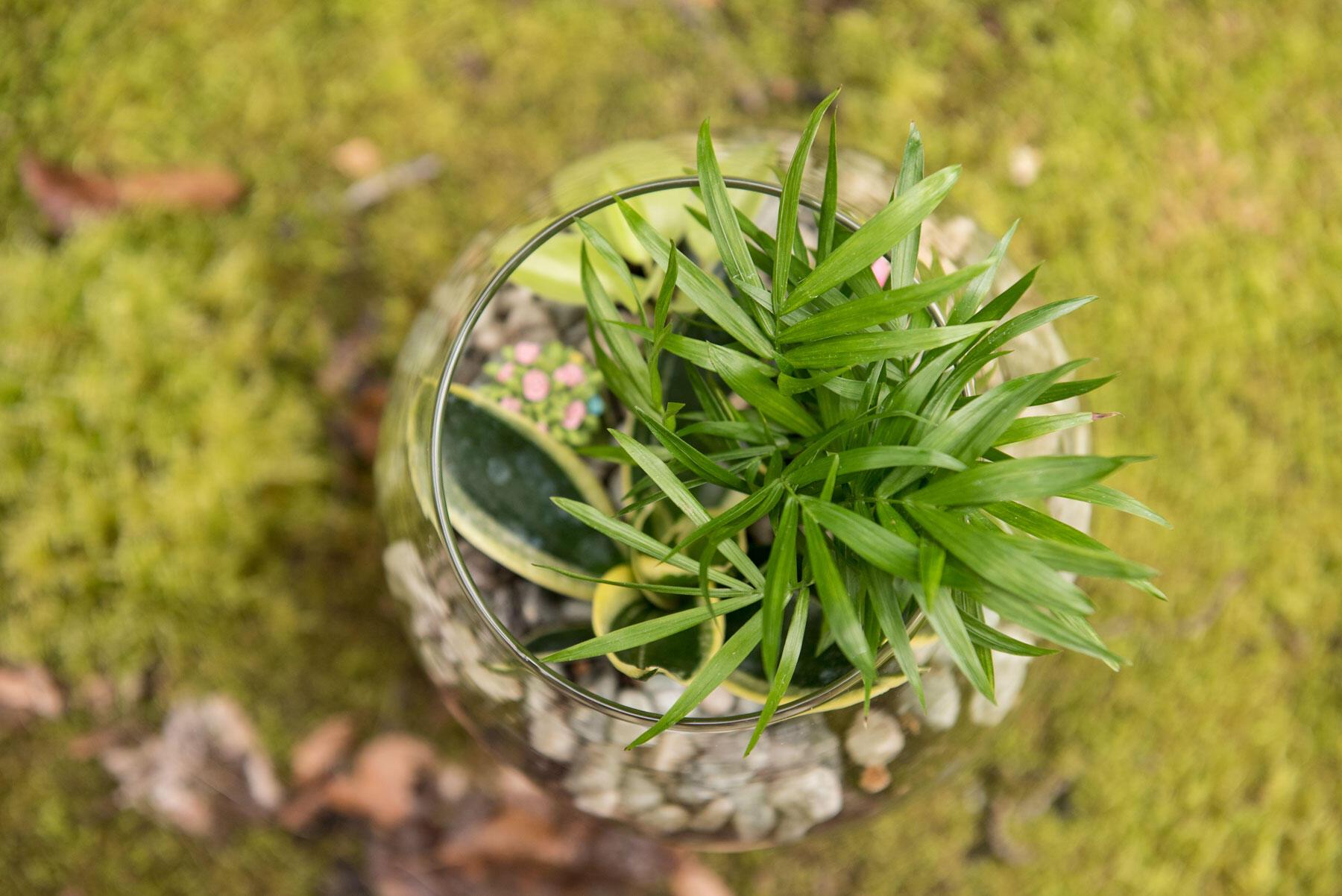
Choose the smallest plants you can find.
“You don’t want plants to grow too big and out of the terrarium too fast, so get very small ones and don’t fertilize too much,” Edmunds said. “But eventually they’ll need to be replaced. Think of them as fleeting beauties.”
For beginners, select open containers. Closed terrariums trap humidity, which can lead to disease or algae.
Skip gravel; use charcoal
Avoid a bottom layer of stones that can allow water to pool and cause root rot. Instead, begin with horticultural charcoal, which helps absorb runoff and odors and discourages bacterial growth.
Mix and match textures — and consider air plants
When shopping, look for varied textures and colors. If you choose succulents or cacti, use a potting mix formulated for them and water much less than other plants — often once a month or less. Let the soil dry completely before watering. Use a container with a wide opening to keep humidity low.
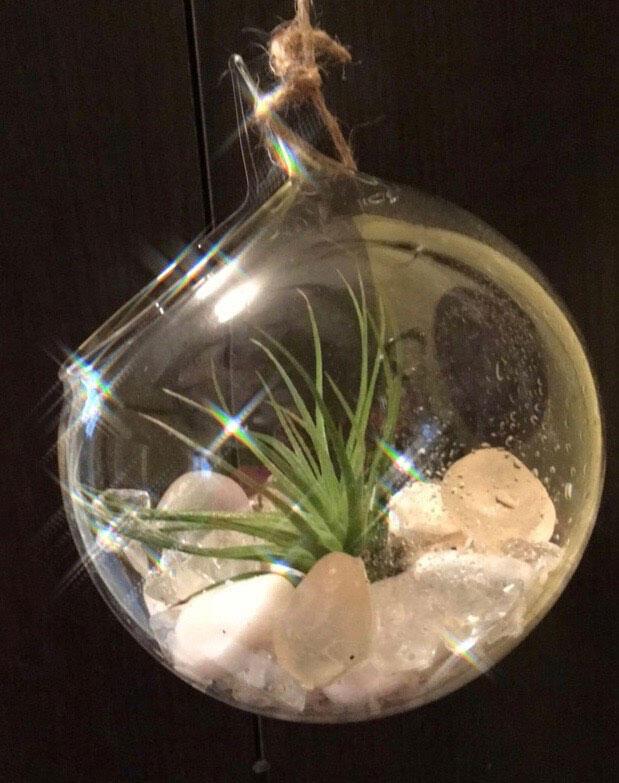
Air plants (Tillandsias) add contrast with spiky forms and gray-green foliage. They don’t grow in soil; in nature they perch on trees and absorb moisture from the air. Place them in the terrarium, then remove once a week to mist thoroughly or soak for 30 minutes. Hang upside down to dry before returning them so moisture doesn’t collect in the crown.
When buying air plants, avoid brown tips, which signal neglect. Outer brown leaves can be trimmed. For all plants, choose healthy specimens with similar light and water needs. If you’re unsure, ask nursery staff for guidance. Small plants are an investment — often about $5 each — so select carefully.
How to make a terrarium
Materials
- Clear glass container. Choose a size you can reach into for planting.
- Horticultural charcoal (garden centers).
- Soilless potting mix.
- Tiny plants (call ahead to confirm availability).
- Small decorative rock (craft stores).
- Chopstick or large knitting needle.
- Optional decorations: driftwood, seashells, pinecones, small toys.
- Preserved green moss (live moss usually needs more water than other plants).
- Watering can with a narrow spout.
- Water-soluble fertilizer.
Instructions
- Wash and dry the container.
- Add 1 to 1½ inches of horticultural charcoal.
- Add 3 to 4 inches of soilless potting mix (depth depends on container and root size).
- Use a chopstick, knitting needle or your fingers to make planting holes. Set plants, then gently tamp soil around roots.
- Add a top layer of small decorative rock. Keep the layer thin near plant crowns.
- Finish with found objects and small accessories.
- Water plants lightly.
- Place the terrarium where light suits your plant choices. Many do well in an east window; some tolerate brighter light.
Maintenance
- Water: Once a week or less, depending on container size and light. Check moisture by inserting a finger to the first knuckle. Target water to the base of each plant.
- Fertilizer: Use a water-soluble fertilizer diluted to half strength about once a month. To keep plants small longer, skip fertilizer.
- Succulents/cacti: Water sparingly; allow soil to dry between waterings.
- Air plants: Remove weekly to mist well or soak for 30 minutes, then dry upside down before returning.
Give it a try — you may be surprised how easy and satisfying a tiny, living landscape can be.
Previously titled Go miniature with a glass terrarium