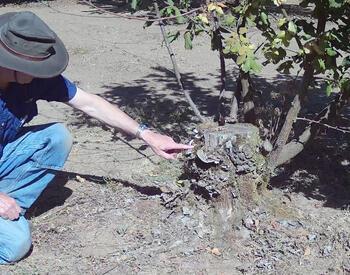
We have several older lilacs and have been gradually pruning them back over the past few years. One of the multi-trunked trees developed a fungus on one trunk, which we removed at the base. Is this lilac tree salvageable?
New shoots formed and bloomed, but now the fungus is appearing on another trunk. If we remove it, is it safe to plant a new lilac in the same location?
The presence of mushrooms on your lilac indicates advanced internal decay caused by a wood-decay fungus that is already growing inside the tree. These fungi typically attack stressed or weakened trees, often after injury such as wind damage, broken limbs, ice damage or other wounds.
If new shoots are emerging from the ground and have their own root systems, they may survive independently of the decaying trunk. Shoots that originate directly from the affected trunk are unlikely to overcome the internal decay.
We do not recommend using wound paints or sealants. These products can trap moisture and often worsen decay problems.
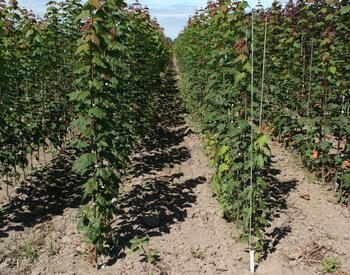
If the new growth does not have its own roots, removing the tree and replacing it with a new lilac is likely the best option. Most nurseries carry good selections in early spring.
If the decline was not caused by a contagious disease, it is generally safe to replant in the same area. Before replanting, consider what stresses may have affected the original tree and correct those issues if possible.
If you decide to replace the tree, follow the OSU Extension guide below Selecting, planting and caring for a new tree.
Related content