Farmers and ranchers face intense stress from crop failures, market changes, unpredictable weather, injuries and more. These pressures contribute to rising rates of depression — and, too often, suicide.
According to the Centers for Disease Control and Prevention, male loggers and commercial fishers have among the highest suicide rates of any occupation: 114 and 112 deaths per 100,000, nearly five times the national rate for men. Male farmers die by suicide at twice the rate of the general population, at 48 per 100,000. The trend is especially pronounced among rural men over age 49.
To help address this crisis, the Oregon State University Extension Service launched the AgriStress Helpline in September 2023. The 24/7 helpline is available by call or text at 833-897-2474. It’s staffed by certified suicide preventionists trained in agricultural and natural resource issues specific to Oregon.
Oregon is the first state to offer the AgriStress Helpline through an Extension service. Senate Bill 955, passed by the Oregon Legislature in 2023, provided one-time funding to establish the helpline.
The helpline’s launch was supported by a coalition of 27 organizations from agriculture, forestry and health sectors. Allison Myers, associate dean in the OSU College of Health, and Todd Nash, a Wallowa County rancher and past president of the Oregon Cattlemen’s Association, played key roles in building support.
By September 2024, the helpline had served callers in 21 counties. While individual calls remain confidential, data show the service is reaching its target audience. Callers have expressed gratitude for having a resource tailored to their needs.
In June 2025, the Legislature approved $200,000 to support continued operation of the helpline.
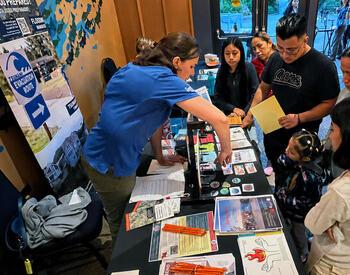
OSU Extension also offers training through the Farm and Ranch Stress Assistance Network, which launched in 2021. The program uses the QPR method — Question, Persuade, Refer — to help people recognize mental health emergencies and take action.
More than 450 people have completed QPR training through OSU Extension. After the training:
- 67% reported increased knowledge of warning signs.
- 83% had a better understanding of risk factors and prevention.
- 67% said they felt more confident in persuading someone to get help.
- 83% said they would ask someone about suicide if concerned.
QPR trainings are often available on Zoom to better serve rural communities. Participants learn to recognize signs such as isolation, depression, substance use, or decline in farm or personal care — and how to connect someone with help.
OSU is also part of four USDA-funded regional Farm and Ranch Stress Assistance Network projects.
Another major effort is Coast to Forest, a collaboration between the OSU Extension Family and Community Health Program and the OSU Center for Health Innovation. It focuses on mental health promotion and substance use prevention.
Coast to Forest goals include:
- Improving mental health and well-being.
- Expanding trainings and technical support through Extension and the College of Health.
- Helping rural communities prevent and reduce opioid and stimulant use disorders.
The program builds on community strengths, including a growing network of community health workers, local radio outreach, strong partnerships and Mental Health First Aid training.
Through these efforts, OSU Extension is committed to supporting rural Oregon communities and addressing the unique mental health challenges faced by farmers, ranchers and natural resource workers.