Q:
I have fungus gnats in my houseplants. I would prefer not to use pesticides but am getting desperate. What can I do?
A:
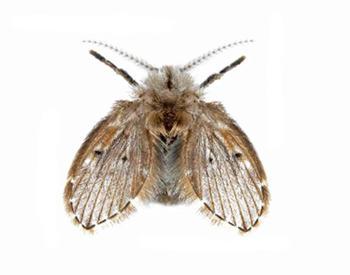
Fungus gnats are very small (1/16 - 1/8 inch long) flies that can be nuisance pests in houseplants. The larval (immature) stage feeds on decaying organic matter in the potting soil and can even directly damage seedlings. Look for the flying adults when plants are disturbed during watering or moving plants. The adults are attracted to light so may fly towards lamps and windows.
How to manage fungus gnats
- Avoid overwatering. The larvae of the fungus gnats live in the top half inch or so of potting soil and require moisture. Let the planting medium dry out to reduce the chance of infestation. Before watering, check the soil to make sure the top inch is dry. Also, try watering from the bottom to help keep the surface dry. Don’t leave standing water in saucers.
- Try yellow sticky traps. Adult fungus gnats are attracted to these inexpensive traps and become stuck on them. Small (2” x 2”) yellow sticky traps are available at garden centers and online. Replace every few days. Take care using these in areas with pets and children.
- Use a biocontrol product. Look for commercially available products containing Bacillus thuringiensis israelensis (sometimes shortened to Bti). These bacteria-based products are also labeled for mosquito control in standing water, so look for it in the pond section of farm and garden stores, a dedicated pond supply store, or online. These products are applied as a soil drench (mixed with water, left to soak for 30 minutes, and then poured onto the soil). The bacteria kill the larvae in the soil but do not affect the flying adults. Carefully follow the directions on the product’s label for use and storage instructions.
- Remove heavily infested plants. Some plants may be very heavily infested. If you can’t manage the issue using other methods, consider disposing of problematic plants and starting over.
- Start clean. Use potting soil that has been heat pasteurized (most commercial mixes are already treated) and store it away from the area with the fungus gnat infestation. Remove decaying plant parts, like dead leaves and flowers, that fungus gnats feed on.
- Inspect new plants. Keep new plants separate from your other houseplants for a few weeks. Add a yellow sticky trap and inspect daily for any signs of fungus gnats. This quarantine method will keep your current plants fungus gnat-free.
For additional information, check out this detailed article: Fungus Gnats, University of California IPM.
Related content


Use pesticides safely!
- Wear protective clothing and safety devices as recommended on the label. Bathe or shower after each use.
- Read the pesticide label—even if you’ve used the pesticide before. Follow closely the instructions on the label (and any other directions you have).
- Be cautious when you apply pesticides. Know your legal responsibility as a pesticide applicator. You may be liable for injury or damage resulting from pesticide use.

Want to learn more about this topic? Explore more resources from OSU Extension:
Healthy homes, Insects